Have any questions? Contact us!
Join our team!
Request a free quote or consultation

If you’re planning renovations, extensions, or property purchases, a measured building survey is often a must. But how much does it cost? The answer depends on factors like the size of the property, level of detail required, and surveyor expertise. In this guide, we’ll break down the key cost drivers and what you can expect to pay, so you can budget with confidence.
What is a Measured Building Survey?
A measured building survey is a highly detailed and accurate representation of a property’s physical structure, capturing essential data such as floor plans, elevations, cross-sections, and structural details. Using advanced surveying techniques like 3D laser scanning, total stations, and photogrammetry, these surveys provide precise measurements that are essential for architectural design, renovations, planning applications, and property documentation. Whether for residential, commercial, or heritage buildings, a measured survey ensures that all dimensions, layouts, and structural features are documented with accuracy, reducing risks in construction and design projects.
Powerkh: Your Trusted Partner in Measured Building Surveys

At Powerkh, we specialize in measured building surveys, delivering accurate spatial data for construction, renovation, and property management. We utilize advanced surveying technologies, including 3D laser scanning and drone photogrammetry, to deliver accurate as-built documentation, topographic surveys, and BIM models for architects, engineers, and construction professionals.
Our team conducts surveys for residential, commercial, and industrial properties, focusing on accuracy and efficiency. We tailor each survey to project requirements, ensuring reliable data for planning and execution. Our services cover everything from basic site measurements to detailed 3D models, minimizing risks in construction and design.
We offer a clear pricing structure based on project complexity, site conditions, and required detail. Our clients receive survey data within set deadlines, allowing them to make informed decisions and move forward with their projects without delays.
Why Do You Need a Measured Building Survey?
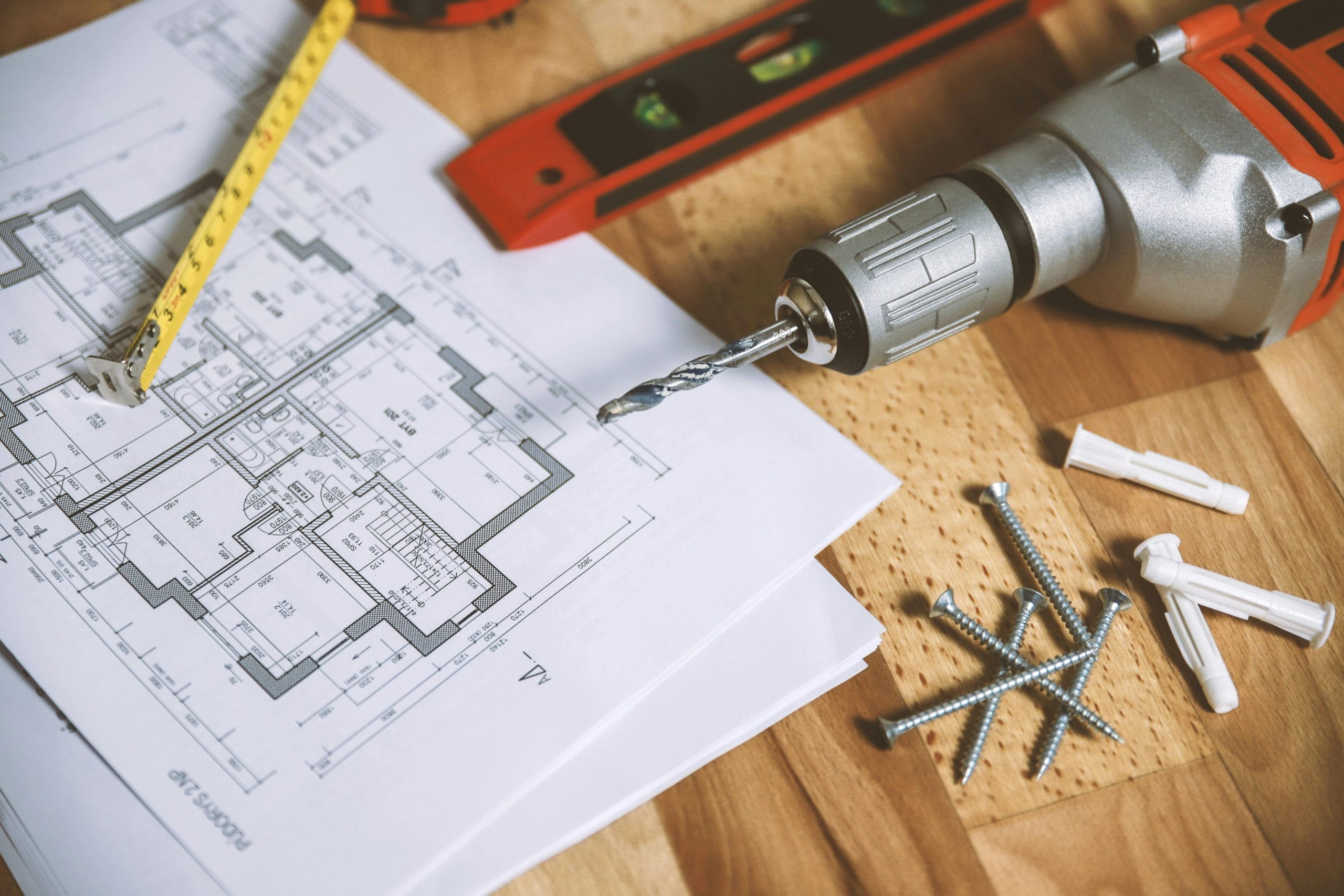
A measured building survey is essential for various industries, including architecture, construction, real estate, and heritage conservation. It provides precise building dimensions and structural details, ensuring accuracy in planning, renovation, and compliance with regulations. Here’s why you might need one:
1. Architectural Design & Renovation
For architects and designers, a measured building survey serves as the foundation for renovations, refurbishments, and extensions. Accurate measurements help in creating floor plans, elevations, and cross-sections, ensuring that new designs fit seamlessly with existing structures.
2. Planning Permission & Building Regulations
Local authorities often require detailed measured surveys when reviewing applications for planning permission or compliance with building regulations. Having an accurate survey ensures smooth approval processes and minimizes the risk of costly revisions.
3. Property Development & Real Estate
For developers and property managers, measured surveys are crucial for assessing space utilization, conducting feasibility studies, and marketing properties with accurate layouts. They provide a reliable representation of the building’s structure, aiding in decision-making for investments and renovations.
4. Structural Analysis & Engineering
Structural engineers use measured surveys to analyze load-bearing walls, building stability, and construction materials. This is particularly important for restorations, extensions, or assessing structural safety before modifications.
5. Heritage & Conservation Projects
In heritage and conservation work, a measured building survey preserves historical accuracy by documenting intricate details, facades, and architectural features. Using 3D laser scanning, surveyors capture highly detailed data for restoration, conservation, and digital archiving.
6. Legal Documentation & Lease Plans
For property transactions, lease agreements, and legal disputes, accurate building measurements are essential. Measured surveys provide official lease plans and property documentation required by surveyors, lawyers, and government agencies.
7. BIM & Digital Twin Modeling
For modern construction and facility management, measured surveys are used to create Building Information Models (BIM) and Digital Twins. These detailed 3D models allow architects, engineers, and developers to visualize and manage building assets efficiently.
Understanding the Costs of a Measured Building Survey

The cost of a measured building survey varies based on several factors, including property size, complexity, location, and the level of detail required. While prices can range significantly, here are the key aspects that influence the overall cost:
- Property Size and Complexity – Larger buildings or properties with intricate layouts, multiple floors, or detailed architectural features require more time and resources, increasing the survey cost.
- Surveying Method Used – Basic Disto laser measurements are more affordable but less accurate, while total stations and 3D laser scanning provide high precision at a higher price.
- Deliverables Required – A standard 2D floor plan costs less than a fully detailed 3D Revit model. Projects requiring elevation drawings, cross-sections, or additional detailing will add to the cost.
- Location and Accessibility – Surveys in central urban areas may incur additional expenses for parking, congestion charges, and restricted access. Remote locations may require additional travel and accommodation fees.
- Data Processing and Modeling – The more complex the building, the longer it takes to process point cloud data and convert it into usable drawings or models, impacting the final price.
- Additional Site Conditions – Properties with heavy furniture, cluttered interiors, or difficult access points require extra time for data collection, which can increase the overall cost.
Measured building survey prices generally start from £1,000 for simple residential properties and can go up to £10,000 or more for large or complex buildings. Since every project is unique, the best way to determine the exact cost is to request a custom quote based on your specific requirements.
What Determines the Cost of a Measured Building Survey?
The cost of a measured building survey depends on several factors, each influencing the final price based on the complexity, location, and scope of the project. Understanding these factors helps in estimating costs more accurately and planning accordingly.
Property Size and Complexity
Larger properties require more time for data collection and processing, increasing the overall cost. Buildings with complex layouts, multiple floors, or intricate architectural details require additional scanning and surveying work, further raising expenses. Simpler, open-plan spaces typically cost less compared to properties with numerous rooms, staircases, and structural variations.
Surveying Method and Technology Used
The type of equipment and technology used significantly impacts the price. Traditional Disto laser measurements and tape measures are more affordable but offer limited accuracy. Total stations provide better precision but require manual data collection, making them more expensive. 3D laser scanning, which captures thousands of data points per second, ensures the highest accuracy but comes at a premium due to advanced hardware and software costs.
Scope of the Survey and Required Deliverables
The level of detail required in the final output influences the price. Basic 2D floor plans and elevations are less expensive than detailed 3D models or full BIM-ready files. Additional elements such as roof plans, internal elevations, cross-sections, and topographical surveys will increase the total cost.
Location and Accessibility
Surveying properties in busy urban areas, such as central London, can add extra costs due to congestion charges, parking fees, and limited access. Remote locations may also increase costs due to additional travel time, accommodation expenses, and logistical challenges.
Data Processing and Modeling Time
After site measurements are taken, data needs to be processed into CAD drawings, BIM models, or other deliverables. The more complex the structure, the more time it takes to convert raw scan data into accurate representations. Older or irregularly shaped buildings often require additional processing time due to their non-standard construction.
Property Condition and On-Site Challenges
The presence of furniture, equipment, or clutter can slow down the surveying process, as surveyors must work around obstacles. Difficult access points, such as attics, basements, or restricted areas, may also require additional effort, increasing costs.
Urgency and Turnaround Time
Standard survey projects follow a set schedule, but urgent or fast-track surveys may come with higher costs. If a client requires a measured survey to be completed within a short timeframe, additional staff or extended working hours may be needed, resulting in higher fees.
Final Consideration
Each project is unique, and pricing is based on a combination of these factors. To get an accurate cost estimate, it’s best to provide detailed project requirements, existing floor plans, and site access details when requesting a quote.
2D vs. 3D Measured Building Surveys
Choosing between a 2D measured survey and a 3D measured survey depends on your project requirements, level of detail needed, and budget. Each method has its advantages, and understanding the differences can help you make an informed decision.
2D Measured Building Surveys
A 2D measured survey provides traditional architectural drawings that represent the building’s structure in plan, elevation, and section views. It is a cost-effective option suitable for projects that require standard measurements without complex modeling.
- Best for: Renovations, planning applications, property transactions, and general documentation.
- Deliverables: Floor plans, elevations, sections, and roof plans in CAD formats (DWG, PDF).
- Advantages: More affordable, widely accepted for planning and legal purposes, and quicker to produce.
- Limitations: Lacks depth and spatial accuracy, making it unsuitable for highly detailed or complex buildings.
3D Measured Building Surveys
A 3D measured survey captures highly accurate spatial data using laser scanning technology, producing detailed 3D models for advanced architectural and engineering projects.
- Best for: Complex renovations, BIM projects, heritage conservation, and structural analysis.
- Deliverables: 3D Revit/BIM models, point cloud data, and IFC files for digital project integration.
- Advantages: Provides comprehensive spatial data, improves accuracy for structural analysis, and integrates seamlessly with modern construction workflows.
- Limitations: More expensive than 2D surveys, requires specialized software for viewing and editing, and may take longer to process.
Cost-Saving Tips for Measured Building Surveys

A measured building survey is a valuable investment, but there are ways to optimize costs without compromising on accuracy. By planning ahead and making informed decisions, you can reduce unnecessary expenses while still getting high-quality results.
1. Define Your Requirements Clearly
- Only request the essential deliverables needed for your project.
- Avoid ordering extra internal elevations or unnecessary cross-sections if they are not required.
- If you only need floor plans, specify this upfront to lower the overall cost.
2. Provide Existing Floor Plans or Documentation
- Even outdated floor plans, blueprints, or property sketches can help surveyors estimate work scope.
- Supplying reference materials allows surveyors to focus on capturing only the missing details, reducing on-site time.
3. Be Flexible with Survey Dates
- Some surveying companies offer discounts for off-peak scheduling when surveyors are less busy.
- If you can provide access on short notice or during non-urgent periods, you may receive a more competitive rate.
4. Arrange Easy Property Access
- Ensure all rooms, basements, and external areas are accessible to avoid delays.
- If possible, clear clutter and move furniture to facilitate faster data collection.
- Providing onsite parking can eliminate extra fees in urban areas where parking is limited.
5. Choose the Right Surveying Method
- 3D laser scanning is highly accurate but may not be necessary for basic renovation or legal documentation; a 2D survey might be sufficient.
- Topographical surveys can be limited to specific areas instead of a full site scan to reduce costs.
6. Compare Quotes from Multiple Providers
- Different surveying firms may offer varying price structures based on their experience, location, and technology used.
- Always request itemized quotes to understand what’s included and avoid hidden fees.
7. Combine Multiple Surveys in One Visit
- If you require a topographical survey or underground utility survey, consider combining them with your measured building survey.
- Bundling services reduces travel and mobilization costs, making it more cost-effective.
8. Opt for Digital Deliverables Over Printed Copies
- Receiving CAD drawings, PDFs, or BIM models digitally is usually cheaper than requesting printed plans.
- Digital formats allow for easy modifications and are compatible with most architectural software.
Common Pitfalls to Avoid in Measured Building Surveys
Even minor errors in a measured building survey can lead to delays, inaccurate designs, and unexpected costs. To ensure a smooth and efficient process, be aware of these common mistakes and how to avoid them.
Requesting Unnecessary Survey Details
Ordering more drawings or data than required can increase costs without adding value to your project. If you only need floor plans, avoid requesting internal elevations or cross-sections unless essential. Clearly define the scope of work with your surveyor to prevent unnecessary expenses.
Failing to Prepare the Site for Surveying
Surveyors need clear access to all areas of a property. Locked rooms, obstructed pathways, and furniture blocking key measurement points can slow down the process and may even require a second visit, increasing the cost. Ensure all spaces are accessible before the survey starts.
Choosing the Wrong Level of Accuracy
Not all surveys require high-precision 3D scanning, just as some projects demand more than a basic 2D plan. Selecting the wrong level of detail can either inflate costs unnecessarily or leave you with insufficient data for your project. Discuss your specific needs with the surveyor to get the right balance of accuracy and cost.
Selecting an Inappropriate Surveying Method
Different surveying methods vary in accuracy and price. While disto laser and tape measures are inexpensive, they often result in measurement errors. Total stations and 3D laser scanning offer far more precision but come at a higher cost. Choosing the right method based on your project avoids rework and additional expenses.
Overlooking Final Survey Review
Once the survey is complete, it’s important to review the provided files before finalizing the project. Mistakes or missing details in CAD drawings, 3D models, or point cloud data can cause delays in later design stages. Checking the results early ensures accuracy and avoids costly revisions.
Conclusion
The cost of a measured building survey varies depending on several factors, including the size and complexity of the property, the level of detail required, the survey method used (traditional vs. laser scanning), and location. On average, prices can range from £500 for small residential properties to £5,000 or more for large commercial buildings or complex structures. Additional services, such as 3D modeling or topographical surveys, can further impact the final cost.
To get an accurate estimate, property owners and developers should obtain quotes from professional surveying firms, ensuring that the service includes the necessary deliverables, such as 2D floor plans, elevations, or 3D BIM models. By understanding these cost determinants, clients can better plan their budgets and ensure they receive precise and valuable survey data.
FAQ
1. What is a measured building survey?
A measured building survey is a detailed and accurate representation of a building’s physical structure. It captures data for floor plans, elevations, sections, and 3D models, commonly used for renovations, planning applications, and property documentation.
2. How much does a measured building survey cost?
The cost typically starts from £500 for small residential properties and can exceed £5,000 for larger or more complex buildings. The price depends on property size, required detail, and the survey method used.
3. What factors influence the cost of a measured building survey?
The main factors include property size and complexity, the surveying method used, the level of detail required, location, and additional services such as topographical surveys or BIM modeling. Larger buildings and projects requiring high accuracy or 3D models tend to be more expensive.
4. How long does a measured building survey take?
The duration depends on the property size and the level of detail required. A small residential survey may take a few hours, while larger commercial buildings could require several days. Processing and delivering the final drawings usually takes anywhere from a few days to a few weeks.
5. Can I get a fixed price for a measured building survey?
Most surveyors provide fixed quotes based on the scope of the project. Providing detailed project requirements in advance ensures a more accurate estimate and helps avoid unexpected costs.
6. Is a measured building survey necessary for renovations?
Yes, accurate building measurements are crucial for renovations, extensions, and compliance with planning regulations. They help architects and builders work with precise data, reducing risks and ensuring structural compatibility.
7. What deliverables do I receive from a measured building survey?
Common deliverables include 2D floor plans, elevations, cross-sections, and 3D models (BIM/Revit). Survey results are usually provided in CAD files or PDF formats, depending on client requirements.
8. How can I reduce the cost of a measured building survey?
The cost can be optimized by defining the required level of detail clearly, bundling services such as topographical surveys if needed, and selecting an experienced surveying firm that offers competitive pricing.
Our Case Studies
We have handled 200+ BIM & VDC projects for commercial, industrial, and residential sectors.
Our work includes:
Formwork design automation
Our client from
California, USA
Suspended ceiling design automation
Our client from
New York, USA
Wall framing design automation
Our client from
California, USA