Have any questions? Contact us!
Join our team!
Request a free quote or consultation

Let’s be honest – the phrase “5D BIM” sounds like it belongs in a high-tech lab, not your construction budget spreadsheet. But here we are, in 2026, where cost estimation has officially joined forces with 3D modeling and scheduling. It’s not just a smart add-on anymore – it’s becoming the backbone of how well projects are planned, priced, and delivered.
Still, one question keeps coming up: How much does 5D BIM actually cost? And the answer isn’t one-size-fits-all. It depends on what kind of project you’re working on, how detailed your model needs to be, and who’s handling the work. In this guide, we’ll walk through what really affects the price – and what you’re getting in return. No fluff, just clarity.
What Are You Actually Paying for with 5D BIM?
Before we talk numbers, it helps to understand what’s included when someone quotes you for 5D BIM.
5D BIM isn’t a standalone service. It’s not just a fancy spreadsheet or a 3D model with price tags. It’s a process that links the 3D design (geometry), 4D scheduling (time), and 5D (cost) into one integrated model. When done properly, it gives everyone on the team a real-time, visual way to see how changes in the design impact the budget and schedule.
Depending on who’s providing the service, a 5D BIM package might include:
- Building the base 3D model (if it doesn’t already exist).
- Integrating scheduling data (4D).
- Attaching detailed cost data to model components (5D).
- Quantity takeoffs and automatic updates as designs evolve.
- Real-time cost tracking and forecasting.
- Reporting, dashboards, and stakeholder-ready documentation.
So when you see a price tag for 5D BIM, you’re paying for more than modeling. You’re investing in an intelligent planning tool that can actively reduce surprises down the line.
So, How Much Does It Actually Cost?

Let’s be upfront: there’s no universal flat rate for 5D BIM. The cost depends on the scope of the project, the level of detail you need, and the provider you’re working with.
That said, here’s a rough breakdown based on current market averages:
Typical Pricing Ranges (as of 2026):
- Small projects (single-family residential, retail interiors): $2,500 – $8,000 per project.
- Mid-size projects (multi-unit residential, schools, commercial buildings): $10,000 – $25,000.
- Large or complex projects (hospitals, airports, industrial facilities): $30,000 – $100,000+
Some firms charge by the hour, especially for smaller packages or consulting work. Rates typically fall between $40 – $120 per hour, depending on region and expertise.
For ongoing construction support and updates, providers may offer monthly retainers starting around $2,000 – $5,000, especially for projects that run longer than 6 months.
From Cost to Schedule: Powerkh’s End-to-End 5D BIM Solutions

We are Powerkh, a UK-based company with offices in Ukraine and the USA, specializing in 5D Building Information Modeling (BIM) services. By integrating cost and scheduling data into 3D models, we enable clients to better manage project timelines, budgets, and construction workflows.
Our 5D BIM solutions provide detailed digital models that connect construction schedules with cost projections, allowing teams to track progress, anticipate issues, and make data-driven decisions that help control both time and costs throughout the project lifecycle.
We serve a broad range of industries, including residential, commercial, and infrastructure projects. With locations in the UK, Ukraine, and the USA, we deliver precise and efficient BIM solutions that enhance collaboration and project management, ensuring timely, on-budget project delivery.
Key Highlights:
- UK-based company with offices in Ukraine and the USA
- Specializes in 5D BIM services integrating cost and schedule data with 3D models
- Focus on improving project management, budget control, and timeline accuracy
- Experienced across residential, commercial, and infrastructure projects
- Advanced BIM solutions for better collaboration and decision-making
- Reliable, data-driven approach to project delivery
Services:
- 5D BIM Modeling
- Construction Schedule
- Real-time Project Tracking and Monitoring
- Risk Mitigation and Issue Detection
- BIM Implementation
- Collaboration Tools
What Drives the Cost of 5D BIM?
Just like anything else in construction, 5D BIM pricing isn’t pulled out of thin air. It’s shaped by a mix of project realities, technical requirements, and the level of support you need from your BIM partner. Some factors are obvious, others sneak up on you. Here’s what actually makes a difference when you’re budgeting for 5D.
1. Project Size and Complexity
This one’s pretty straightforward: the bigger and more intricate your build, the more modeling and coordination work goes into it. A 10,000-square-foot retail space is a different beast from a multi-wing hospital with custom HVAC, structural steel, and dozens of design disciplines. The more variables, the more time it takes to map out costs accurately and tie them into the model.
It’s not just physical size either. Complex phasing, specialty materials, or unusual sequencing can all add layers that require more advanced modeling and tighter cost tracking.
2. Level of Detail (LOD)
Not all BIM models are built to the same level of detail, and that affects cost in a big way. LOD 100 might give you rough volumes for early estimates, while LOD 300 is good for coordination and general pricing. But if you’re going all the way to LOD 500, you’re basically detailing every component down to fabrication level – and that takes serious time and expertise.
Think of it like building a scale model: are you painting windows onto a block, or cutting and gluing tiny frames? The more precision you want, the more hours go into getting it right.
3. Existing Assets and Inputs
If you’re starting from scratch – say, scanned PDFs or raw point clouds – you’re adding a lot more prep time to the equation. On the flip side, if you already have a well-built 3D model, a clean schedule, and maybe even cost libraries from past projects, that can shave hours (and money) off the process.
Many clients underestimate how much groundwork affects 5D costs. Having your design files organized, up to date, and in workable formats gives your BIM partner a head start – and that usually means lower pricing.
4. Type and Depth of Cost Data
Basic quantity takeoffs with material pricing? That’s one level of cost modeling. But once you start pulling in regional labor rates, subcontractor markups, equipment rentals, logistics, or inflation forecasts – it becomes a whole different game.
Some firms have their own pricing databases or tie into market tools like RSMeans or CATO. Others will build custom libraries for your project from scratch. If you need detailed, localized cost forecasting with breakdowns across systems and stages, expect a longer setup phase (and a bigger line item on the invoice).
5. Software Stack and Workflow
The tools your provider uses can also affect what you pay. Sophisticated platforms offer powerful automation, smart visualizations, and real-time cost tracking, but they come with licensing fees, learning curves, and more structured workflows.
Using automated scripts and integrations can deliver faster, more scalable results. In general, higher-end workflows bring sharper insights, but they also cost more to run.
Is 5D BIM Worth the Cost?
If your project involves custom work, tight timelines, or anything with a risk of going over budget (which is most projects), 5D BIM tends to pay for itself pretty quickly.
Here’s what you’re buying beyond the model:
- Fewer change orders: Catching issues early reduces on-site surprises.
- Better bids: Contractors can price from a live model, not guesswork.
- Improved communication: Everyone’s looking at the same data.
- Faster decision-making: Real-time updates make cost impacts visible immediately.
- Risk mitigation: Scenario planning becomes part of the design process.
It’s not magic, and it won’t eliminate every problem. But for most medium-to-large projects, the transparency and control 5D BIM provides is hard to match with old-school spreadsheets and CAD drawings.
When It’s Probably Not the Right Fit
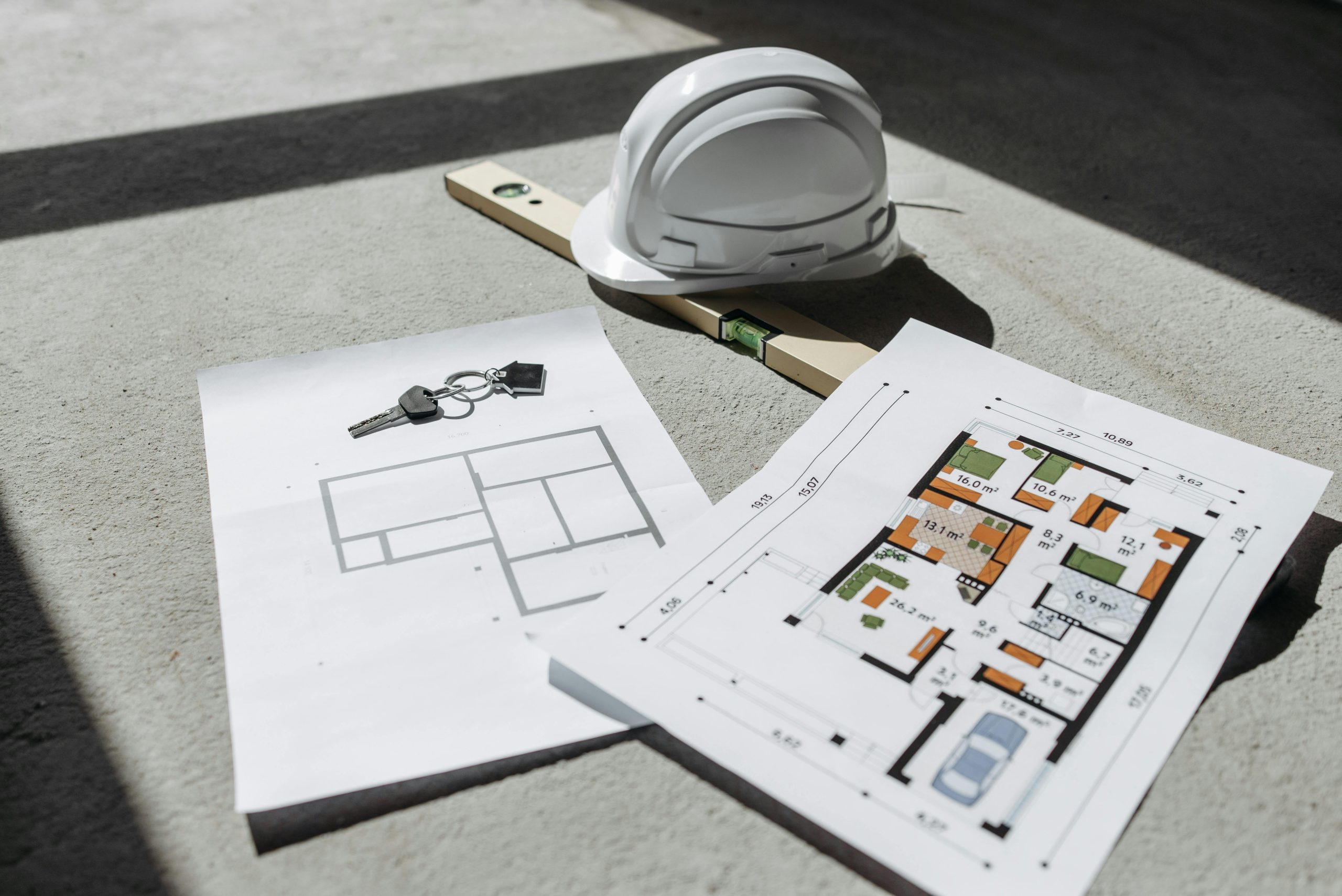
While 5D BIM brings a lot to the table, it’s not always necessary. If your project is extremely small, has a fixed budget with no design wiggle room, or is already close to completion, 5D might be overkill.
It’s also worth reconsidering if your team isn’t equipped to work with model-based data. Having the BIM file is one thing; being able to use it for procurement and planning is another. If you’re not going to use the real-time updates and live cost data, you may be better off with a simpler estimating approach.
Budgeting Tips for 5D BIM in 2026
If you’re considering 5D BIM for your project and want to get the most value without blowing the budget, here are a few things that help:
- Get clarity on your LOD upfront: Don’t pay for Level 500 if you only need Level 300.
- Start with what you have: If you’ve got an existing 3D model, bring it. It can save both time and money.
- Choose a partner, not just a service: Look for a provider who can guide you through implementation, not just send files.
- Ask for flexible pricing: Some firms offer hybrid billing (fixed + hourly) for better cost control.
- Be realistic about scope: You don’t have to model and cost everything from day one. Start where it matters most.
A Quick Word on Automation
One of the biggest cost-savers in 5D BIM today is automation. If your provider knows how to script certain processes (like quantity takeoffs, repetitive geometry modeling, or cost tracking), you’ll often see faster turnaround times and lower hourly charges.
It’s worth asking during discovery calls: “How much of this is automated on your end?” The more streamlined the backend is, the more budget-friendly the whole process tends to be.
Final Thoughts: It’s Not Just About Cost
Yes, this article is about how much 5D BIM costs. But what you’re really buying is clarity.
Instead of chasing down estimates, fixing budget overruns, or managing last-minute procurement changes, you’re building a workflow that sees those things coming. That kind of visibility can shift how you plan, build, and manage construction from start to finish.
So if you’re weighing whether to invest in 5D BIM, don’t just ask what it costs. Ask what it’ll save you.
FAQ
Is 5D BIM more expensive than traditional cost estimation methods?
Upfront, yes, it typically costs more than a basic spreadsheet or manual estimate. But that’s not really a fair comparison. With 5D BIM, you’re getting live quantity takeoffs, real-time cost tracking, and a full model-based workflow that adapts as your project evolves. If you factor in what you save on rework, RFIs, and change orders, it often balances out. In many cases, it ends up costing less overall because of fewer surprises down the line.
Can I just use 5D BIM for part of my project to reduce the cost?
You can. Some teams only apply 5D to specific phases or building systems – say, structure and MEP during design development. That way, you still benefit from live costing and scheduling where it matters most, without modeling every last detail. It’s a good strategy if you’re working with a tight budget or phased delivery schedule.
What’s the difference in cost between LOD 300 and LOD 500 in 5D BIM?
Quite a bit, honestly. LOD 300 gives you coordinated geometry and general components – good for estimating and clash detection. LOD 500 is as-built level, with fabrication-ready detail and fully verified specs. It can double the time and effort needed, depending on the project. So unless you need fabrication-level data in your costing, LOD 300 or 350 is often the sweet spot.
Does it cost more to use automation or scripting in 5D BIM?
Initially, yes, setting up scripts or automations takes time. But the payoff comes in speed and consistency. Once it’s in place, your cost updates, quantity takeoffs, or even reporting can run in a fraction of the time. If your provider knows what they’re doing, automation can actually lower your long-term cost.
How do I know if I’m overpaying for 5D BIM?
If the quote doesn’t explain what’s included – model detail, software used, update frequency, or stakeholder coordination – that’s a red flag. A good 5D BIM provider will walk you through the scope clearly and help you scale it to your budget. If you’re not sure, ask for a breakdown and compare it against your own priorities. Not every project needs the full package.
Our Case Studies
We have handled 200+ BIM & VDC projects for commercial, industrial, and residential sectors.
Our work includes:
Formwork design automation
Our client from
California, USA
Suspended ceiling design automation
Our client from
New York, USA
Wall framing design automation
Our client from
California, USA