Have any questions? Contact us!
Join our team!
Request a free quote or consultation
Suspended ceiling design automation
Client
Our client is one of the country’s top builders of high-end tailored homes from New York, USA
Challenge
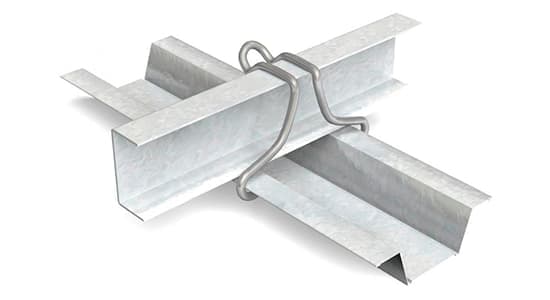
The design process had a series of challenges. One of them was to design a drop ceiling with deck-suspended hangers. It takes quite a lot of time and effort to design it according to structural requirements, model it correctly, and coordinate it with other building elements. A drop ceiling is a system that includes many elements dependent on each other. Even the smallest changes require updating the whole system. As a result, the delivery time of the ready-to-use design goes up. On top of that, it took another 5-6 days for the framing hangers manufacturer to come up with design drawings needed for the Revit model. In the end, every update caused at least a one-week delay.



Process
Audit
By analyzing the client’s ceiling design process, we identified subprocesses that could be automated.
Design
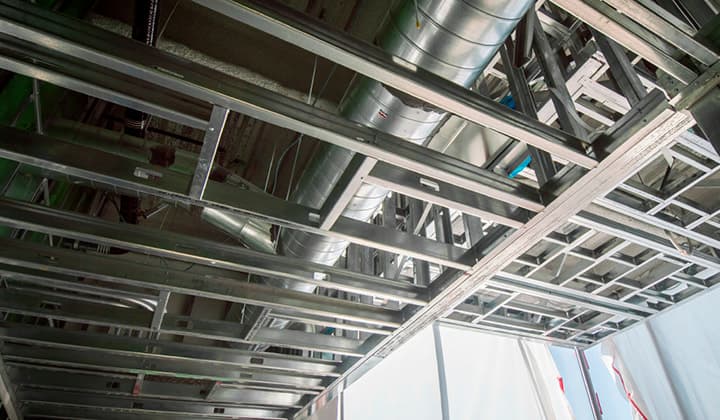
Using Dynamo, we made a script that created all drop ceiling elements according to the set of the main parameters in a single run.
Test
At this stage,we realized that it was more efficient to have human control over every subprocess.
Refine
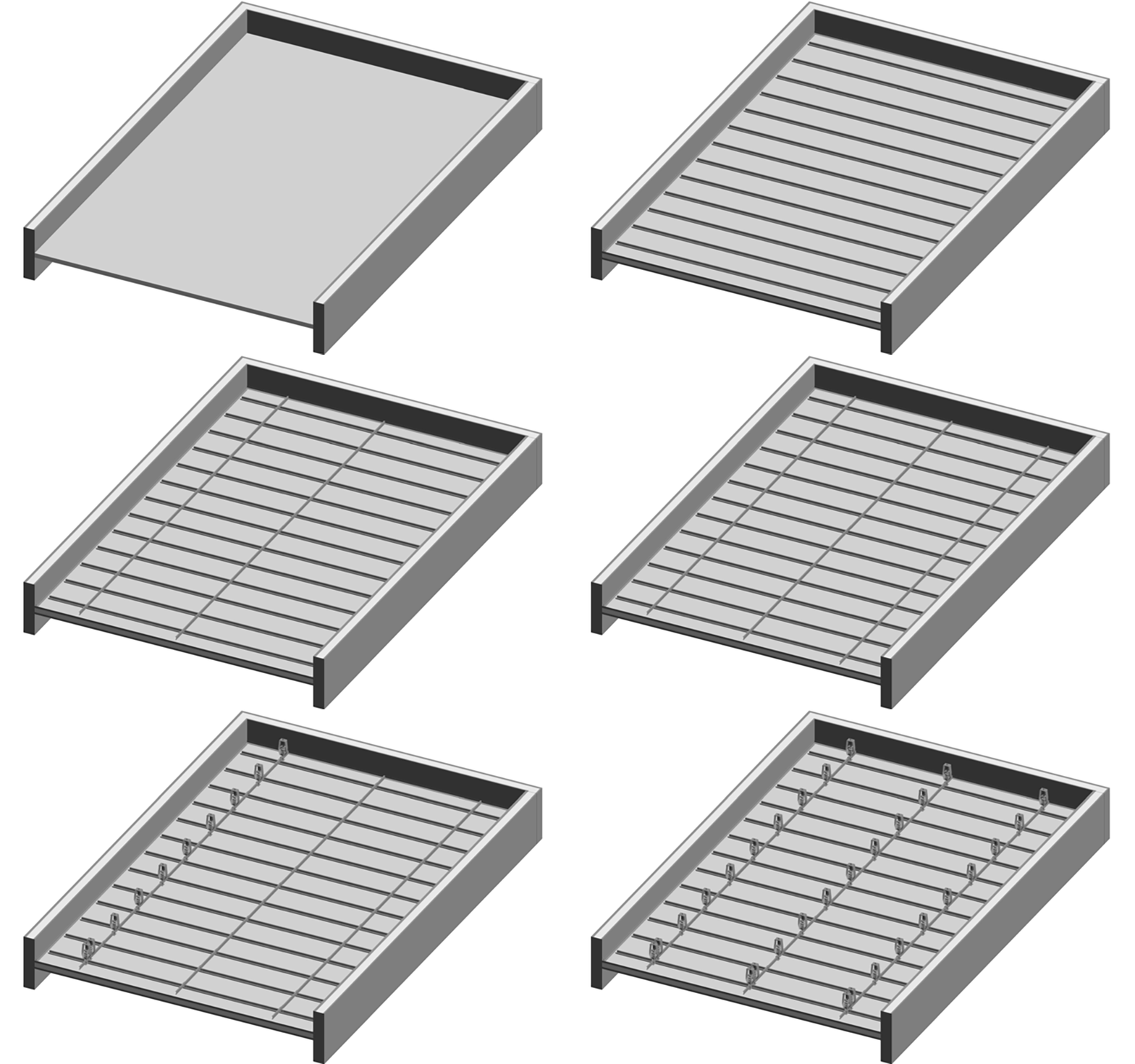
We created 4 scripts for every subprocess: framing grid, framing creation, hangers grid, and hangers and clips creation.
Maintain
Our engineering team took over the ceiling design process and its improvements.
Solution
Impact on business
By implementing the set of Dynamo scripts to the drop ceiling design process, we cut down the time needed to design the ceiling for one room from several hours to several minutes. We also introduced a hangers selection algorithm that removed the manufacturer from the design process and allowed the client to get the hangers design in less than a minute. Better coordination with MEP systems and structural elements improved the quality of design. Finally, smart design tools helped eliminate all potential errors at the earliest design stage.
of design errors were fixed
increase in design speed
cheaper design due to automation and lower labor costs