Have any questions? Contact us!
Join our team!
Request a free quote or consultation

How Much Does Architectural Visualization Cost and What Affects the Price
Architectural visualization brings building designs to life before anything gets built. Whether it’s a single 3D rendering or a full virtual walkthrough, the cost depends on the project size, level of detail, and type of media you need. Understanding the typical price ranges and what goes into them can help you plan your budget more realistically.
What You Can Expect to Pay for 3D Visualization Services
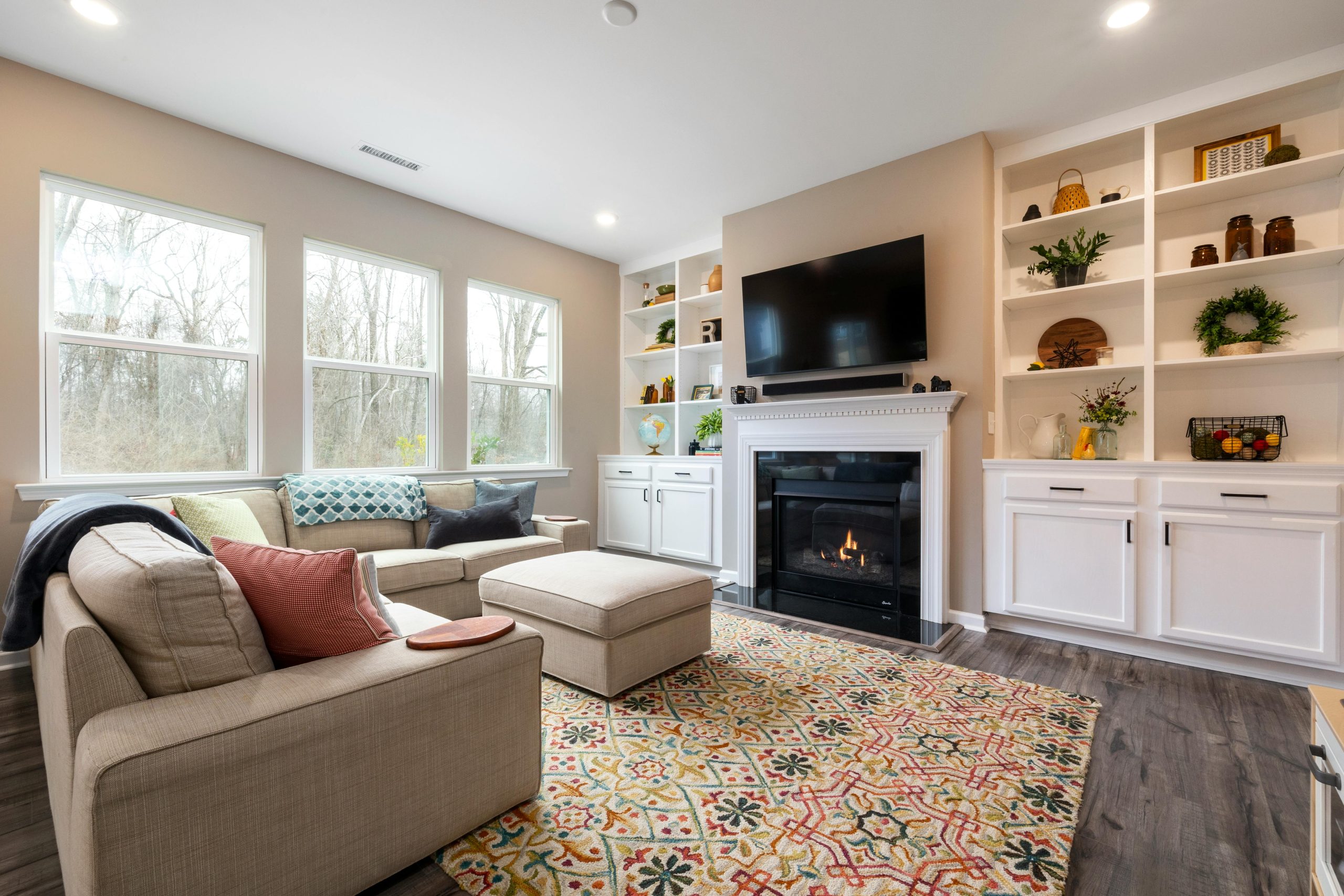
Pricing for architectural visualization in 2025 spans a wide range, with basic still images starting around $500 potentially lower with AI tools like Stable Diffusion for textures and high-end animations or large-scale masterplans reaching $50,000 or more. Costs are shaped by the type of project, such as residential interiors, commercial exteriors, or animated walkthroughs, as well as the provider’s experience, rendering style, the number of visual assets needed, and the choice of software, with tools like Lumion offering faster, lower-cost renders and V-Ray providing high-end photorealism at a premium. Freelancers often offer lower rates, while established studios charge more for advanced photorealism and faster delivery times.
Powerkh: From BIM Modeling to Realistic Architectural Visuals

Powerkh is a UK-based company, where we provide architectural visualization services with offices in the USA and Ukraine. Our focus is on delivering detailed 3D visualizations to support architectural projects. Using Building Information Modeling (BIM) technology, we help architects, designers, and project managers effectively plan, design, and communicate their projects.
In our company, BIM modeling is central to what we do. We create precise 3D models that are rich in data and help identify potential design conflicts early in the process. Our visualizations include detailed renderings and virtual walkthroughs, giving a clear and accurate representation of project designs and their interaction with the surrounding environment.
We ensure that our services help bridge the gap between design concepts and real-world execution. Our work is used for stakeholder presentations, construction planning, and marketing purposes, providing the tools needed for clear communication and better project outcomes.
Typical Price Ranges Based on Project Scope
Architectural visualization costs often depend on the overall scope and function of the project. Whether you’re visualizing a single home or an entire commercial complex, pricing reflects the scale, detail level, and deliverables required.
1. Single-Family Home Renderings
Visualizations of standalone residential properties, commonly used by architects, developers, and homeowners to preview design features.
- Basic exterior or interior image: $800 – $1,200
- High-detail photorealistic render: $1,500 – $3,000
- Includes one or two viewpoints, basic landscaping or furnishings, and natural lighting effects.
2. Commercial Property Visualizations
Used for office buildings, retail complexes, and mixed-use spaces, often involving both interior and exterior perspectives.
- Small office or retail unit: $2,000 – $5,000
- Large complex with interiors + exteriors: $5,000 – $10,000
- Typically includes branded signage, furnishings, and higher material accuracy.
3. Urban and Large-Scale Development
Covers high-rise buildings, housing estates, or full site plans with multiple structures and environments.
- Masterplans or multi-building scenes: $10,000 – $50,000+
- May involve aerial perspectives, contextual modeling, and integration with real-world surroundings.
4. 3D Walkthroughs and Animation
Animated visualizations that simulate movement through a space, ideal for presentations and promotional materials.
- Basic animated walkthrough (60 seconds): $5,000 – $10,000
- High-end sequences with effects: $15,000+
- Includes camera movement, transitions between rooms, animated elements, and lighting dynamics.
5. 3D Floor Plans and Virtual Staging
Simple visualization tools that help with layout clarity and real estate marketing.
- 3D floor plan (per layout): $200 – $800
- Virtual staging (per room): $150 – $500
- Useful for showing room flow and furnishing potential without building physical sets.
Visualization Costs by Output Type

This section breaks down costs according to the type of deliverable, regardless of project size. These formats ranging from static images to fully interactive virtual tours differ in complexity, rendering time, and technical requirements.
1. Interior Renderings
Used to showcase room layouts, furniture, lighting, and materials in high detail.
- Cost Range: $500 – $3,000 per room
- Often includes furniture modeling, surface textures, and lighting configuration.
2. Exterior Renderings
Highlights the outer appearance of a building along with its environment.
- Cost Range: $500 – $5,000 per view
- Pricing increases with landscaping, lighting variations, and seasonal settings.
3. Aerial Renderings
High-angle perspectives showing building context within its surroundings.
- Cost Range: $2,000 – $10,000+
- Typically used for masterplans, real estate developments, or municipal proposals.
4. 3D Floor Plans
Top-down 3D representations of building layouts, useful for understanding space flow.
- Cost Range: $200 – $800 per floor
- Helps visualize room relationships and accessibility more intuitively than 2D plans.
5. Virtual Staging
Digitally furnishing empty rooms to enhance property presentation.
- Cost Range: $150 – $500 per room
- Popular in real estate for marketing vacant properties.
6. 3D Walkthroughs and Tours
Animated camera movements guiding the viewer through a designed space.
- Cost Range: Starting at $5,000
- Ideal for high-end residential or commercial marketing presentations.
7. VR and Interactive Tours
Immersive digital experiences with user-controlled navigation, typically using headsets.
- Cost Range: $10,000+
- Features include clickable hotspots, lighting control, and object interaction.
How Architectural Visualization Services Are Priced
Visualization providers typically use a few core pricing structures, each suited to different project scopes and client needs. Understanding these models helps ensure accurate budgeting and avoids unexpected costs later on.
Per Image Pricing
A flat rate is charged for each individual rendered image. This model is common for small projects or marketing visuals where only a few high-quality renders are needed. The cost varies based on image resolution, detail, and visual effects like lighting or motion blur.
- Best for: Real estate listings, single-room interiors, facade presentations.
Per Project Pricing
A fixed price is set for the entire scope of work. This model includes multiple views, revisions, or animation segments bundled into a single package. It’s often used for larger developments where several assets are delivered at once.
- Best for: Residential and commercial building packages, masterplans, or mixed-media projects.
Hourly Billing
Rates are based on the number of hours spent on modeling, rendering, and editing. Useful for projects with uncertain or evolving scopes, or where ongoing collaboration is needed. Pricing depends on the provider’s experience and the complexity of the work.
- Best for: Custom design tasks, iterative development, or consulting.
Fixed Packages
Predefined sets of services offered at a standard rate. Packages often include a set number of renderings, revisions, and service features. Some may also offer tiered pricing for different levels of quality or speed.
- Best for: Clients looking for predictable costs and minimal negotiation.
Volume Discounts
Reduced per-image pricing for high-quantity orders. Studios may offer discounts when clients commission a large number of images or animations. This helps lower the unit cost while maintaining overall project value.
- Best for: Property developers, marketing agencies, or product catalogs.
Hidden Costs That Can Affect Your Visualization Budget
Beyond the base price of rendering services, there are several additional charges that may impact the final cost. These often depend on project complexity, delivery requirements, or licensing terms.
- Revisions and Edits: Most providers include a limited number of revisions. Extra changes especially late in the process can result in added fees.
- Rush Delivery Fees: Tight deadlines typically mean prioritized scheduling and overtime, which often incur premium charges.
- Custom 3D Assets: Creating detailed or unique objects like furniture, lighting fixtures, or landscape elements may not be included in standard pricing.
- Post-Processing Enhancements: Effects like depth of field, lens flare, or high-level color grading may be billed separately depending on the provider.
- High-Resolution Output: Renders beyond 4K or in specialized formats (e.g., for printing or VR) may come at an extra cost due to processing demands.
- Licensing and Usage Rights: If you plan to use visuals for public advertising, large-scale campaigns, or resale, expect to pay licensing or royalty fees.
- File Conversion or Format Requests: Deliverables in multiple file formats or with layered source files (e.g., PSD, layered TIFF) can increase overall cost.
- Scene Adjustments for Different Views: Repositioning camera angles or re-lighting scenes for alternative perspectives may be treated as separate renders.
How to Match Visual Quality with Budget Effectively

Not all architectural visualization tasks require the same level of realism or production value. The key to managing costs efficiently is choosing the right quality tier for each use case.
For conceptual design phases or internal coordination, simple renderings with lower detail levels may be sufficient and more cost-effective. These often focus on layout, proportions, or massing without extensive texture or lighting work. In contrast, marketing materials, investor presentations, or competitive bids often demand high-resolution, photorealistic visuals or immersive animations justifying higher budgets.
Factors such as number of viewpoints, desired realism, and intended audience should guide the level of investment. Some clients may benefit from combining both basic and premium assets within one project reserving higher-end renders for key visuals only. This tiered approach helps control total costs while still delivering professional, targeted results.
Conclusion
Architectural visualization costs vary widely, with prices influenced by project size, visual complexity, rendering type, and service provider. Whether you’re commissioning a simple 3D floor plan or an interactive VR tour, understanding the pricing structure and cost drivers helps you allocate your budget more effectively. Instead of aiming for the highest or lowest offer, it’s more practical to define project priorities such as image quality, speed, or number of views and choose a provider that matches those needs. Clarity on pricing models, deliverables, and revision policies also plays a key role in keeping your visualization project on track financially and creatively.
FAQ
1. What is the average cost of a single 3D render?
Prices typically range from $500 to $3,000 depending on the level of detail, resolution, and provider type (freelancer vs studio).
2. Why do interior renderings often cost more than exterior ones?
Interior scenes involve more objects, textures, light sources, and material variations making them more time-intensive to produce.
3. How much does a 3D walkthrough or animation cost?
Animated walkthroughs start around $5,000 for basic 60-second sequences and can exceed $15,000 depending on duration and complexity.
4. Are there extra costs beyond the base render price?
Yes. Additional costs can include revisions, rush delivery, high-resolution exports, custom 3D assets, or licensing fees for commercial use.
5. Can I save money by reusing assets or limiting views?
Yes. Reusing models, rendering fewer perspectives, or opting for 1080p instead of 4K can significantly reduce costs.
6. What’s the difference between pricing per image and per project?
Per-image pricing is flexible for small jobs, while per-project pricing is more efficient for multi-image or complex deliverables with defined scope.
Our Case Studies
We have handled 200+ BIM & VDC projects for commercial, industrial, and residential sectors.
Our work includes:
Formwork design automation
Our client from
California, USA
Suspended ceiling design automation
Our client from
New York, USA
Wall framing design automation
Our client from
California, USA