Have any questions? Contact us!
Join our team!
Request a free quote or consultation

Architectural rendering costs can vary a lot depending on the type of project, level of detail, and turnaround time. Whether it’s a simple house exterior or a full interior walkthrough, the price depends on what you need and how complex the visuals are. Here’s a breakdown of typical pricing ranges and what influences them.
Architectural Rendering and BIM Services by Powerkh

We are Powerkh, a UK-based company, also with offices in the United States and Ukraine, that offers architectural rendering services. Our work integrates 3D modeling and visualization techniques to help architects, engineers, and construction teams better understand and review projects before construction begins. By using precise data and advanced tools, we create clear and accurate architectural renderings.
Our team uses Revit BIM tools to provide renderings that reflect the exact specifications of a project. By combining architectural visualization with BIM, we ensure that renderings match the technical details of the design, minimizing discrepancies between planning and execution. This approach improves collaboration, making it easier for teams to spot issues early in the process.
In addition to standard renderings, we also offer point cloud-to-BIM and scan-to-BIM services. These allow us to convert raw data into 3D models, which is especially useful for renovation projects where existing structures must be accurately represented. Our services help architectural teams create precise, usable renderings that support the transition from design to construction.
How Much Does Architectural Rendering Cost?
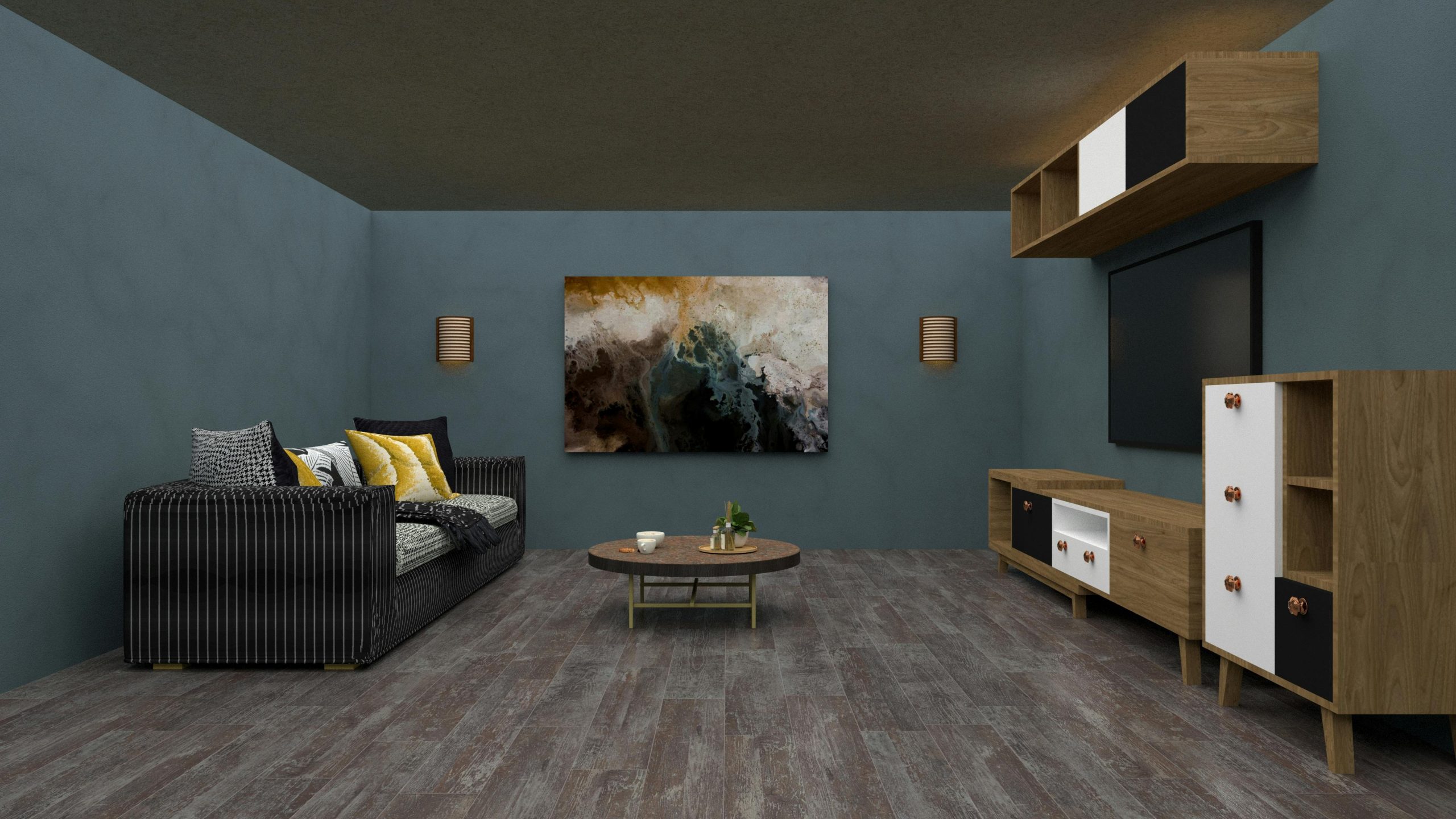
Architectural rendering costs vary widely, typically ranging from $300 to $6,000 per image, depending on factors such as project complexity, required level of detail, and the experience of the rendering studio. Here are real-world pricing ranges sourced from industry providers:
3D Interior Rendering
For interior scenes, prices typically start at around $250 and can go up to $1,800 per image. The cost increases with added furniture detailing, lighting effects, and customization. Most projects are completed within 2 to 5 business days.
3D Exterior Rendering (Residential)
Residential exterior renderings usually range from $400 to $1,500 per image. High-detail images with enhanced landscaping, lighting, and textures may cost as much as $3,000. These types of renderings are commonly used for real estate and pre-construction marketing.
3D Exterior Rendering (Commercial)
Commercial exterior projects often require more complex modeling and urban context, resulting in higher fees. Pricing in this category typically starts at $1,000 and can reach up to $10,000 per image, particularly for large buildings or developments.
3D Floor Plans
Floor plan visualizations are priced between $200 and $1,200 per plan. These are often used for marketing residential units or communicating layouts in architectural presentations.
360° Virtual Tours
Creating an interactive virtual tour of a space costs between $750 and $2,000 per space on average. Higher-end providers may charge from $1,200 to $1,800 depending on the space size, quality, and required interactivity.
3D Animation
Animation is typically priced per second. 3D animations cost between $20 and $150 per second, depending on scene complexity, visual quality, and the rendering engine used, while CPU-based rendering methods can raise the cost to between $60 and $150 per second. Full-minute animations can exceed $15,000 depending on the production quality and detail.
Product Rendering
Simple product rendering, such as single-object shots with basic lighting, may cost between $50 and $100. Complex models that require advanced materials, environments, or exploded views can range from $500 to $1,000.
What Affects the Cost of Architectural Rendering
The price of architectural rendering is shaped by several practical factors. Each project is different, and rendering studios calculate costs based on time, complexity, quality expectations, and client input. Below are the main variables that directly influence the final price:
1. Project Complexity and Scale
Rendering a small single-story house with a simple façade and garden will cost significantly less than visualizing a high-rise commercial building or a large mixed-use development. The more elements involved balconies, materials, glazing, vegetation, lighting, shadows the more modeling and detailing time is required.
- Example: A standard house exterior might cost $400-$1,500, while a complex commercial exterior can range from $1,000 to $10,000 (Pelicad).
2. Level of Photorealism
Highly realistic visuals require more time for lighting, materials, and post-production. Achieving photorealism means simulating how light interacts with surfaces, choosing correct materials, and refining visual imperfections to match real-world conditions.
- Example: High-end renders, especially for marketing use, fall in the $2,500-$6,000 range per image (Harp Collective, Cylind).
3. Input Files and Documentation
Well-prepared input like clean 3D models, accurate CAD drawings, material schedules, and style references helps streamline the process. Missing or messy files (e.g., incomplete IFC data) require extra cleanup or re-modeling, which adds cost.
- Example: Pelicad notes that poor IFC files often lead to delays and increased cost due to remodeling.
4. Custom Elements and Assets
If the project requires modeling custom furniture, unique landscaping, specific props, or people placement, especially items not available in rendering libraries, additional time is needed to create these from scratch.
- Example: Harp Collective notes this is often priced into the quote if substitutes can’t be used.
5. Turnaround Time and Deadlines
Tight deadlines usually result in higher costs. If a studio must allocate additional staff or work overtime to meet urgent delivery timelines, that time is billed at a premium rate.
- Example: Cylind states that urgent projects are more expensive due to overtime and fast resource allocation.
6. Number of Revisions
Most rendering studios include a limited number of revisions in their base price. If the client makes frequent or late-stage changes that exceed that limit, additional revision rounds may be charged separately.
- Example: Cylind emphasizes that exceeding agreed-upon revisions increases total project cost.
7. Studio Location and Artist Experience
Labor costs vary by country. Studios in Western Europe, the U.S., or Australia tend to charge more than those in Southeast Asia or Eastern Europe. However, the difference in pricing may also reflect differences in team size, experience, service, and creative input.
- Example: Pelicad lists $700-$1,500 per image in New York, London, Sydney
What’s Included in the Price? (And What’s Not?)
When requesting architectural rendering services, it’s important to understand exactly what is covered by the quoted price and what may come with additional costs. While specifics can vary between studios, most providers follow a similar structure when defining what’s included.
What’s Typically Included:
Most standard rendering quotes include the essential elements required to produce a complete, presentable image. These form the foundation of the deliverable and are factored into the base price:
- One or more rendered views based on the agreed number of camera angles
- Basic modeling from architectural plans or cleanup of an existing 3D model
- Standard materials and textures from the studio’s library
- Lighting setup (daylight or dusk scenes)
- Basic entourage elements, such as people, vehicles, or trees
- Post-production editing, including color correction and retouching
- 1-2 rounds of revisions, depending on the studio’s policy
What’s Often Not Included (Extra Cost):
Some elements fall outside the scope of standard pricing and may be billed additionally. These often involve increased time, resource demands, or client-specific requests:
- Additional camera angles beyond the agreed quantity
- Custom 3D assets (e.g., bespoke furniture, branded objects, unique landscaping)
- More than two revision rounds, especially if they involve design changes
- Urgent turnaround requests, which require rescheduling or overtime
- Interactive formats, such as 360° virtual tours or VR-ready models
- High-detail animation, which is typically quoted separately
- Incomplete or disorganized input files, such as missing plans or messy IFC data, which require additional preparation or re-modeling
How Long Does It Take to Produce a Render
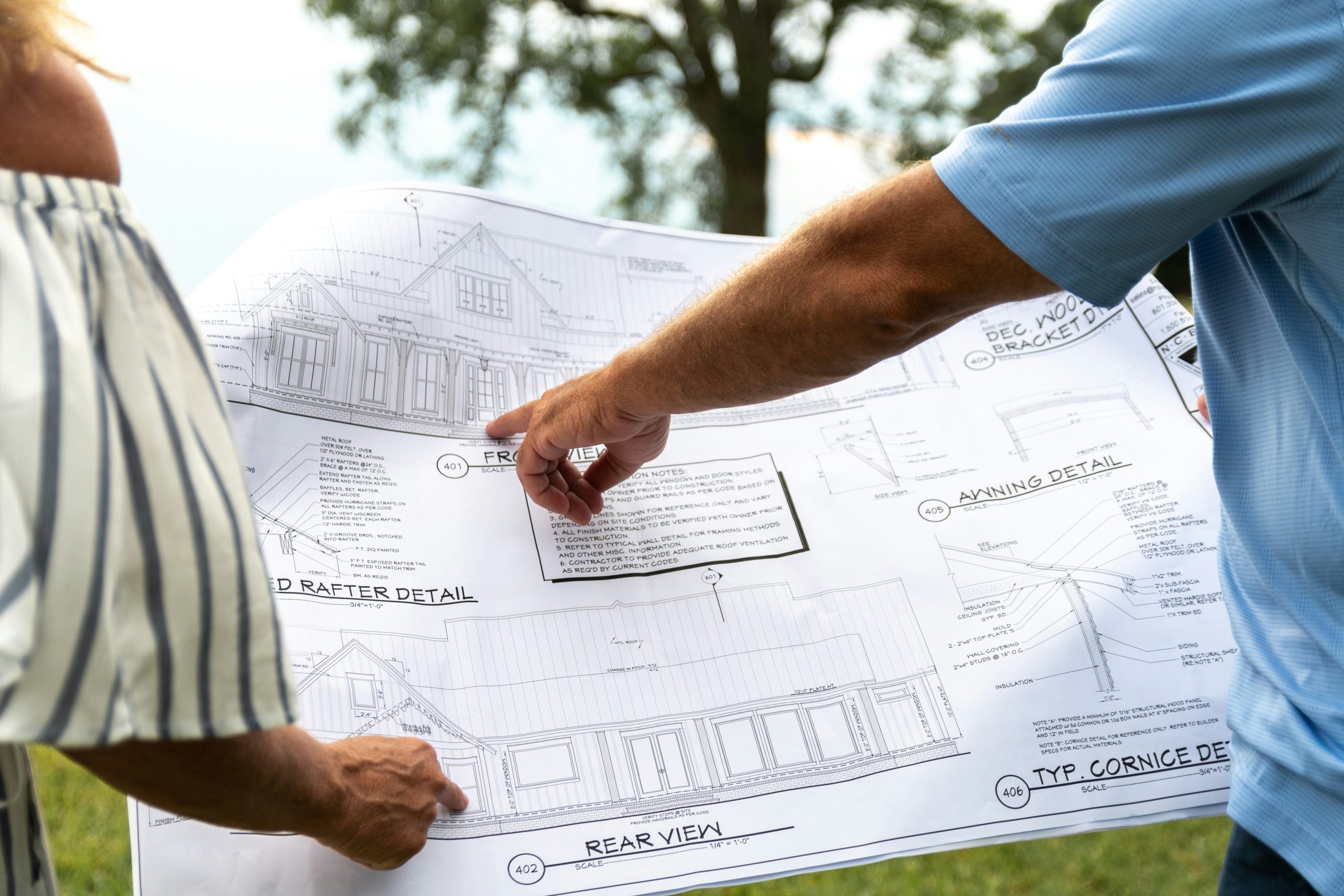
The time required to produce an architectural render typically ranges from 8 to 48 hours per image, depending on the project’s complexity, quality expectations, and whether a pre-existing 3D model is provided. Simple renders, such as a small residential exterior with basic materials and lighting, can be completed in under two working days. In contrast, detailed commercial buildings with custom elements, interior styling, and advanced lighting setups can take several days to complete.
The rendering process involves multiple stages: collecting and organizing files (plans, elevations, references), building or cleaning the 3D model, applying materials, setting camera angles, experimenting with lighting, placing furniture or people, and post-processing in Photoshop. If a 3D model is already provided and well-prepared, this can significantly reduce the modeling time. However, missing information, unclear design intent, or late-stage changes often add hours to the timeline.
Urgent delivery requests usually require studios to shift schedules or allocate extra resources, which speeds up production but often increases the cost. For animations, production timelines extend further, with even a short clip taking 1 to 3 weeks, depending on rendering method (CPU vs GPU), duration, and editing complexity.
Architectural Rendering for Different Use Cases
Architectural rendering isn’t a one-size-fits-all service costs, expectations, and output formats can vary significantly depending on how the visuals will be used. Whether you’re planning to present a concept, secure approvals, or launch a marketing campaign, the intended use of a render affects both the approach and pricing. Below are the most common use cases and what each typically involves.
1. Real Estate Marketing
For developers and property marketers, high-quality, photorealistic renders are used to attract buyers and investors before construction begins. These images often include styled interiors, landscaped exteriors, people, lighting variations (day/night), and post-production enhancements to make the property look finished and appealing.
- Expectations: Strong visual impact, attention to lifestyle details
- Typical cost: Mid- to high-end range ($1,000-$6,000 per image)
- Formats: Still images, 360° tours, walkthrough animations
2. Design Development and Internal Review
Architects and designers use renders to explore design options and communicate intent with clients or teams. These are often less polished and focus more on structure, massing, or layout rather than fine visual detail.
- Expectations: Functional clarity over visual polish
- Typical cost: Low- to mid-range ($300-$1,500 per image)
- Formats: Still images, sometimes annotated
3. Planning and Council Submissions
When submitting a design for permits or approval, renders help communicate the proposed building’s appearance and context to authorities. These usually include surrounding buildings, accurate materials, and realistic landscaping.
- Expectations: Realistic context, compliance with zoning/environmental visuals
- Typical cost: Mid-range, depending on detail required
- Formats: Contextual renderings with neutral styling
4. Competitions and Concept Presentations
In architectural competitions, renders are critical to stand out visually. These images must balance creativity with technical accuracy, and often include artistic post-production or conceptual representation.
- Expectations: High design value, stylized or abstract presentation
- Typical cost: Mid- to high-end depending on ambition and complexity
- Formats: Hero images, conceptual montages
5. Investor Pitches and Stakeholder Presentations
When showcasing a proposal to investors or stakeholders, visuals need to be both impressive and informative. These renders often include multiple perspectives, diagram overlays, or integration with data (e.g., ROI visuals, project phases).
- Expectations: High visual quality and persuasive design intent
- Typical cost: Often bundled with presentations, variable depending on scope
- Formats: Still renders, animated flythroughs, interactive PDFs
Tips to Save Money Without Sacrificing Quality
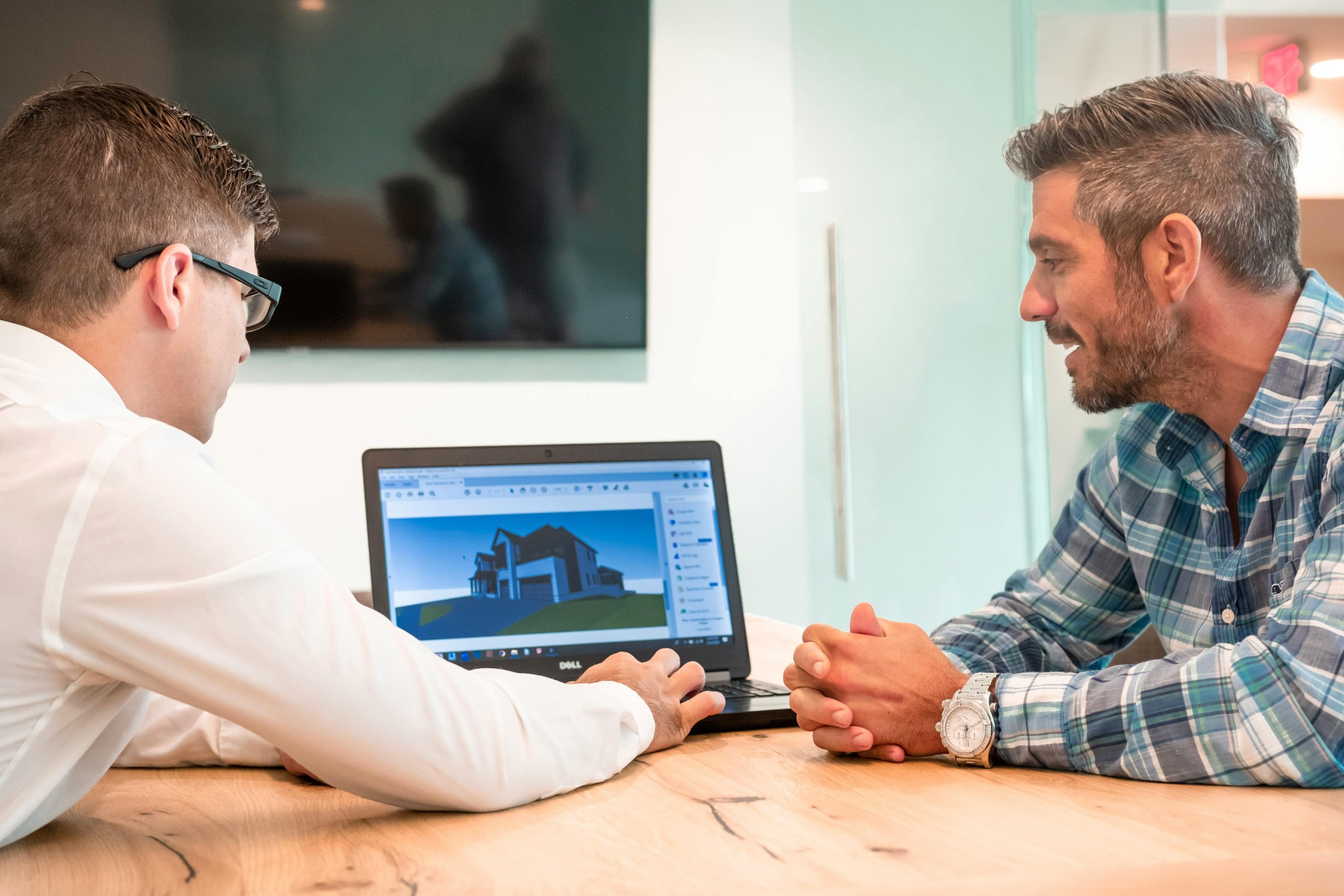
Architectural rendering doesn’t have to exceed your budget if you plan the process right. One of the most effective ways to keep costs down is to start with a finalized design. When drawings, material selections, and layouts are still in flux, it often leads to repeated revisions, which are time-consuming and typically billed as extra work. Waiting until your design is stable before engaging a rendering studio can help avoid unnecessary rework and costs.
Another key to saving money is providing clear and complete documentation. Studios work faster and more efficiently when they receive organized CAD files, clean 3D models, material schedules, and visual references upfront. This reduces back-and-forth, minimizes guesswork, and helps produce better results faster. Also, consider whether you really need multiple camera angles or highly stylized visuals for every stage sometimes, a few well-chosen views are enough to achieve your goal.
Finally, be realistic with deadlines. Rushed timelines often require studios to work overtime or reallocate resources, which adds to the price. If your project allows for a standard delivery schedule, you’re more likely to receive better rates. In short, clarity, preparation, and reasonable expectations are the easiest ways to reduce rendering costs without sacrificing the quality of the final result.
Conclusion
Architectural rendering costs can vary significantly depending on the type of project, the level of detail, and how the visuals will be used. Prices for still images typically range from $300 to $6,000 per image, while animations and virtual tours are priced based on duration and complexity. Factors like project size, photorealism, revision count, and deadline urgency all influence the final quote.
Understanding what’s included in the price such as the number of views, quality level, and revision rounds helps avoid hidden fees. Clear briefs, finalized designs, and realistic timelines not only reduce costs but also make the process smoother for both client and studio. Whether you’re visualizing a small residential space or marketing a large-scale development, aligning the scope of work with your goals is the best way to manage cost without sacrificing quality.
FAQ
1. How much does an architectural render cost on average?
Most architectural renders cost between $500 and $5,000 per image, with simple projects starting around $400 and complex commercial projects potentially exceeding $10,000.
2. What affects the price of a render?
Key factors include project complexity, the level of detail required, number of revisions, quality of input files, deadline urgency, and the experience or location of the studio.
3. Is animation more expensive than static images?
Yes. 3D animations typically cost $20-$150 per second, depending on rendering method and visual detail. A one-minute animation can cost anywhere from $6,000 to $15,000.
4. Are revisions included in the price?
Most studios include 1-2 revision rounds in their base pricing. Additional changes may be charged separately, especially if they involve design modifications rather than minor tweaks.
5. Can I save money without lowering the quality?
Yes. Finalizing your design before starting, providing organized documentation, avoiding last-minute changes, and requesting only essential views can all help reduce costs without compromising results.
Our Case Studies
We have handled 200+ BIM & VDC projects for commercial, industrial, and residential sectors.
Our work includes:
Formwork design automation
Our client from
California, USA
Suspended ceiling design automation
Our client from
New York, USA
Wall framing design automation
Our client from
California, USA


