Have any questions? Contact us!
Join our team!
Request a free quote or consultation

How Much Does Architectural Design Cost? A Clear Look at Pricing Factors
Architectural design costs vary depending on project needs, with technologies like Building Information Modeling (BIM) and artificial intelligence (AI) enhancing efficiency and design accuracy. Whether you’re planning a home renovation or building from scratch, the price depends on project size, design complexity, and the level of service you choose. Some architects charge by the hour, others use fixed fees or a percentage of the construction cost. This guide breaks down the common pricing models and what affects the total cost, so you can better plan your budget.
Powerkh: Streamlining Architectural Design Through BIM & VDC

Powerkh is a UK-based company with offices in the USA and Ukraine, specializing in Architectural design, Building Information Modeling (BIM) and Virtual Design & Construction (VDC). We focus on integrating digital tools into the architectural design process to improve workflow efficiency and accuracy. Our team helps clients transition from traditional 2D drawings to 3D models, reducing errors and simplifying design and construction coordination.
We offer a range of BIM services, including 3D modeling, BIM coordination, content creation, and automation. Our team works directly with architects and designers to ensure accurate digital representations of their designs from concept to final documentation. We also provide Scan to BIM services, converting point cloud data into precise 3D models for better as-built documentation and easier collaboration.
Along with BIM services, we support architectural design with prefabrication, fabrication, and structural detailing. Our solutions are built to streamline design processes and improve project timelines. We prioritize clear communication and ensure that architects, engineers, and contractors are aligned at every stage of the project.
Architect Pricing Models Explained: How Architects Charge for Design Services
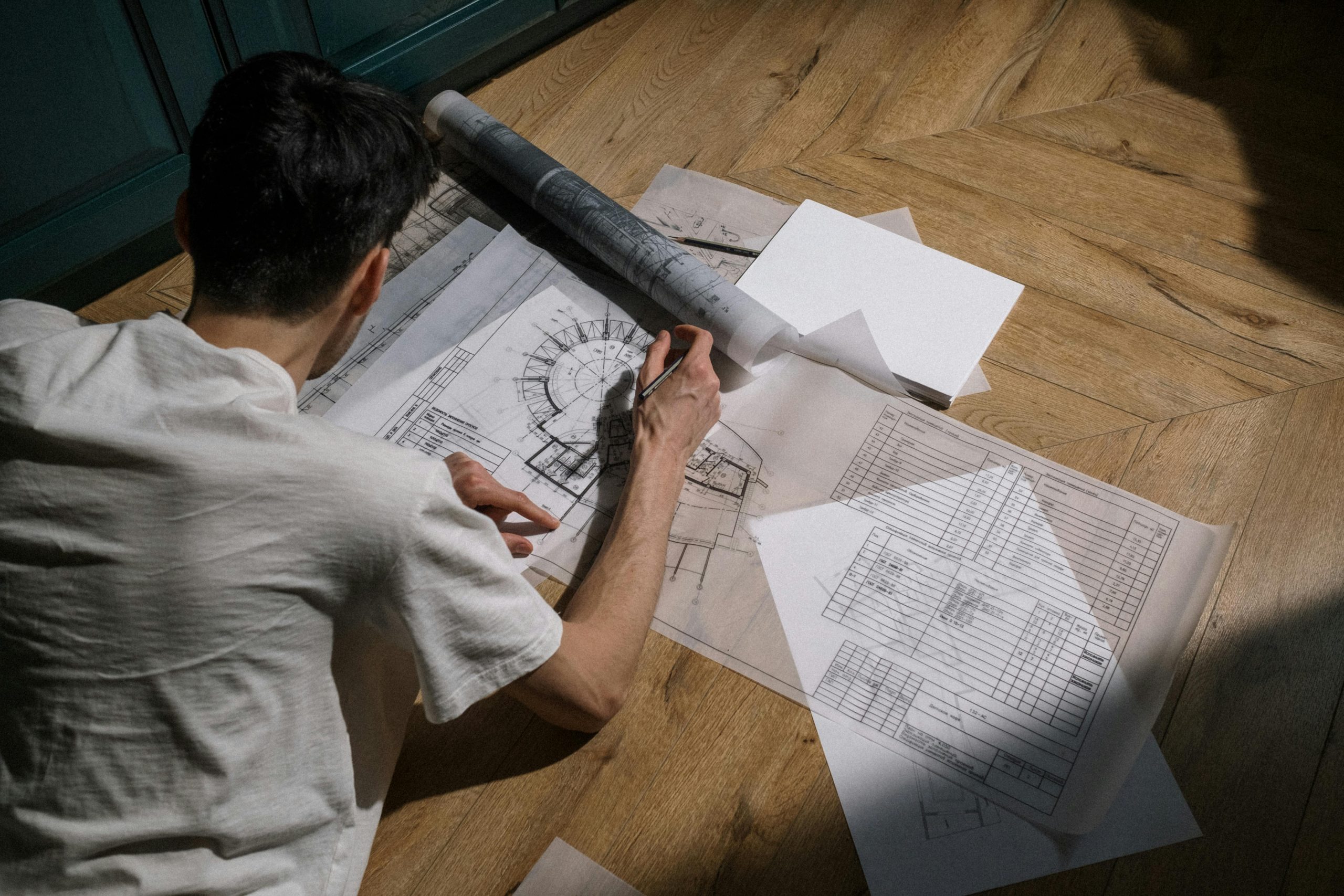
When budgeting for an architectural project, it’s important to understand how architects typically structure their fees. There’s no single way architects charge for their services; instead, they choose a pricing model based on project scope, complexity, and client preferences. Below are the most commonly used pricing methods and how they work:
1. Hourly Rate
This model is often used for small projects, consultations, or early design phases where the scope isn’t yet clearly defined. Architects charge a set hourly rate that depends on their role and experience level.
- Typical range: $65-$300 per hour
- Common usage: Design consultations, minor renovations, early concept development
- Cost drivers: Architect’s experience, project duration, complexity of work
- Pros: Flexible and pay-as-you-go
- Cons: Total cost can be unpredictable without a cap
2. Percentage of Construction Cost
One of the most widely used pricing models for full-scale projects. The architect’s fee is calculated as a percentage of the total construction budget.
- Typical range: 5%-15% for new residential or commercial projects; 10%-20% for remodels or renovations
- Common usage: Custom homes, office buildings, multi-family units
- Pros: Scales with project size, easier to estimate for full-service projects
- Cons: Final cost may vary if construction costs change mid-project
3. Fixed (Lump-Sum) Fee
In this model, the architect and client agree on a total flat fee for the project. It’s best suited for projects with a clear scope and timeline.
- Typical range: $10,000-$200,000+ depending on size and complexity
- Common usage: Standard residential builds, defined renovation work
- Pros: Clear budget upfront, no surprises
- Cons: Less flexibility if project scope evolves
4. Cost Per Square Foot
Here, the architect charges based on the total square footage of the building being designed. It’s a straightforward pricing model, typically used for residential design.
- Typical range: $2-$25 per square foot
- Common usage: New homes, small commercial projects
- Pros: Easy to estimate early in planning
- Cons: Not ideal for projects with unique design challenges or significant revisions
5. Retainer Plus Percentage
This hybrid model includes an upfront retainer followed by a percentage-based fee tied to the construction cost. It’s often used for complex or high-value projects.
- Typical range: A retainer of $5,000-$20,000 plus 5%-10% of the total construction cost
- Common usage: High-end custom homes, large-scale commercial or mixed-use developments
- Pros: Secures the architect’s time early while aligning compensation with project success
- Cons: Higher upfront cost, and complexity in calculating final fees
What Affects the Cost of Architectural Design? Key Factors to Consider
Architectural design fees don’t follow a one-size-fits-all approach. Even with the same pricing model, the final cost can vary significantly depending on project-specific details. Below are the key factors that commonly influence how much you’ll pay for architectural services:
Project Complexity
The more intricate the design, the more time and expertise it requires. Projects with unusual shapes, structural challenges, or advanced features like sustainability integrations or custom materials demand extra planning and detailing, which increases overall costs.
Scope of Services
Architects can be hired for a basic set of drawings or a full suite of services, including site analysis, permits, contractor coordination, and construction oversight. The more responsibilities you delegate, the higher the fee. Full-service architecture typically carries a premium.
Experience and Reputation
Established architects with a strong portfolio and specialized expertise usually charge more than newcomers. Their fees reflect years of experience, design quality, and the ability to anticipate and solve complex challenges.
Project Location
Prices vary by geography. Hiring an architect in a major metro area such as New York or San Francisco will likely cost more than working with a firm in a smaller city or rural area. Local market rates, cost of living, and demand all influence pricing.
Timeline and Deadlines
Rushed projects often cost more. If a client needs design work completed in a shorter-than-usual timeframe, firms may need to allocate additional staff, work overtime, or deprioritize other jobs all of which increase the total fee.
What’s Included in Architectural Design Services? Understanding the Full Scope
 Architectural design goes far beyond creating floor plans or exterior sketches. A complete design service typically includes multiple stages that guide a project from early concepts to construction completion. Here’s what’s commonly included when you hire an architect:
1. Schematic Design
This is the initial phase where ideas start to take shape. Architects develop rough sketches and concept drawings based on your needs, budget, and site conditions. It’s a collaborative process used to explore layout options and visual styles before detailed planning begins.
2. Design Development
Once a general direction is approved, the architect refines the concept into more detailed drawings. These include room dimensions, window and door placements, preliminary material selections, and structural outlines. Design development lays the groundwork for construction documentation.
3. Construction Documents
This phase results in a comprehensive set of drawings and specifications that contractors use for bidding and building. These documents typically include floor plans, elevations, sections, structural layouts, and mechanical/electrical plans, everything needed for permit approval and execution.
4. Bidding or Contractor Selection
If the client chooses, the architect can assist with identifying and evaluating contractors. They may help prepare bid packages, review proposals, and ensure that bidders understand the design intent.
5. Construction Administration
During the build, architects may visit the site to verify that construction aligns with the drawings. They can review submittals, answer contractor questions, and handle changes or clarifications as needed. This phase helps maintain quality and resolve issues before they cause delays.
6. Optional or Additional Services
Depending on the firm and contract, architectural services may also include:
- Interior design and furniture layouts ($2,000–$10,000+)
- Landscape design ($1,500–$5,000+)
- 3D renderings or virtual walkthroughs ($500–$5,000+)
- Energy modeling and sustainability consulting ($3,000–$15,000+)
- Coordination with consultants (engineers, surveyors, etc., $1,000–$10,000+)
How to Choose the Right Pricing Model for Your Project
Selecting the right pricing model can help keep your architectural project on budget and aligned with your expectations. Each model comes with its own strengths depending on the project type, scope, and timeline. Here’s how to decide what works best for your situation:
- Go with hourly rates if your project is small or undefined. If you only need a consultation, a feasibility study, or conceptual sketches, paying by the hour gives you flexibility without committing to a large contract.
- Use a percentage of construction cost for full-scale, complex builds. This model works well when the project includes complete services from early design to construction administration. It scales with the size of the build and aligns architect incentives with your budget.
- Opt for a fixed fee when the scope is clear and won’t change. Fixed or lump-sum pricing is ideal for straightforward residential projects or well-planned renovations. It provides cost certainty upfront but may include a premium to cover risk.
- Choose square footage pricing for standard residential designs. This model works best when you already know the size of your project and want a predictable rate per unit area. It’s most often used for new home designs or additions.
- Consider a retainer plus percentage for high-value or phased projects. This hybrid model suits clients who want to secure the architect’s involvement early and maintain a flexible scope over time. It’s common in luxury, custom, or large commercial projects.
When comparing pricing models, make sure the architect clearly defines what’s included in the fee. Ask about revisions, additional services, and how changes to the project might affect costs. The right pricing structure should reflect not just the scope of work, but also how you prefer to manage your budget and timeline.
Smart Ways to Manage and Reduce Architectural Design Costs

Architectural design doesn’t have to break your budget. With a few practical strategies, you can keep costs under control while still achieving high-quality results. Below are key steps that help reduce unnecessary spending and make the most of your design investment.
1. Define the Scope from the Start
Clear goals and expectations help prevent scope creep. The more specific your project brief is regarding size, layout, and style the fewer costly revisions you’ll need later.
2. Choose the Right Pricing Model
Different pricing structures suit different projects. Fixed fees provide predictability for simple jobs, while a percentage-based model works better for complex or evolving scopes. Talk to your architect about what makes the most sense for your situation.
3. Minimize Design Revisions
Frequent changes can add time and cost. Once key decisions are made like the building footprint or material selections try to stick with them to avoid triggering extra rounds of work.
4. Use a Phased Approach
Breaking the work into phases such as concept design first, construction documents later lets you spread out costs over time. It’s useful if your budget is limited or your financing is secured in stages.
5. Prioritize the Essentials
Focus your budget on the most critical parts of the design. Optional features and luxury upgrades can be added later if funds allow. Start with structure, layout, and functional systems.
6. Communicate Openly and Regularly
Ongoing dialogue with your architect ensures there are no surprises. Share your budget early, request progress updates, and flag any concerns before they become issues.
7. Compare Proposals Before Hiring
Don’t settle on the first offer. Getting multiple quotes lets you understand market rates and compare what each architect includes in their service package. Look beyond price, consider value and scope.
Conclusion
Architectural design costs can range widely depending on the scope, complexity, and pricing model used. Whether you’re renovating a small home or planning a large commercial development, understanding how architects charge and what influences those charges helps you plan effectively and avoid surprises.
From hourly rates and flat fees to percentage-based pricing, each model serves different project needs. By clarifying your goals early, choosing the right fee structure, and communicating clearly, you can keep your project on track both financially and creatively.
FAQ
1. How much does architectural design typically cost?
Costs can range from $5,000 for basic house plans to over $300,000 for large or high-end projects.
2. What’s the cheapest way to hire an architect?
Hiring for limited services (like schematic design only) or using hourly rates for small projects is often the most cost-efficient. You can also phase the work to spread costs over time.
4. Is it cheaper to hire an architect for a renovation or a new build?
Renovations are often more expensive in terms of percentage fees, usually 10% to 20% due to the complexity and unpredictability of working with existing structures.
5. What’s included in an architect’s fee?
Architectural fees typically cover schematic design, design development, construction documents, and sometimes project oversight. Extras like interior design, 3D visualization, or engineering consultants may cost more.
6. Can I negotiate the fee with an architect?
Yes, many architects are open to discussing fee structures. Just ensure that any adjustments are clearly defined in the contract to avoid misunderstandings later.
7. How can I avoid surprise charges?
Define the project scope in detail, agree on the pricing model, and include a cap for hourly work if applicable. Regular communication and written agreements are key.
Our Case Studies
We have handled 200+ BIM & VDC projects for commercial, industrial, and residential sectors.
Our work includes:
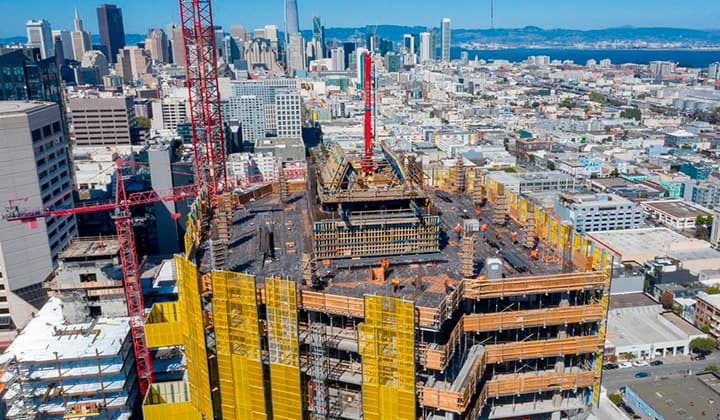
Formwork design automation
Our client from
California, USA
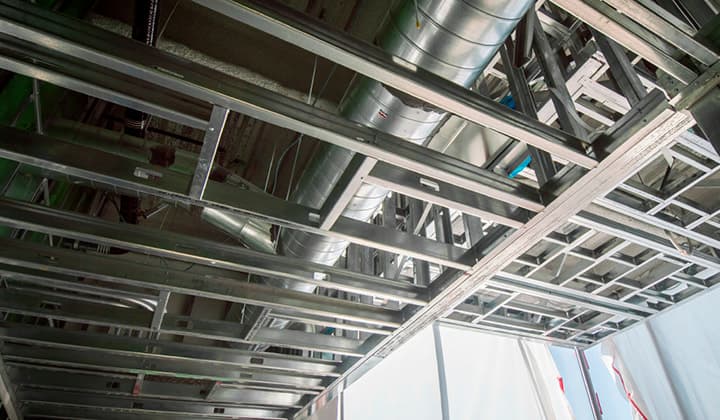
Suspended ceiling design automation
Our client from
New York, USA
Wall framing design automation
Our client from
California, USA