Have any questions? Contact us!
Join our team!
Request a free quote or consultation

Picture this: you’re planning a new building, and you want to see it in vivid 3D before a single shovel hits the dirt. Maybe it’s a cozy home or a sleek office tower. Either way, 3D architectural modeling can make that vision pop, letting you walk through spaces, tweak designs, and spot issues early. But here’s the million-dollar question – literally, sometimes – how much is it going to cost? Prices can swing from a couple hundred bucks to over ten grand, depending on what you need. I’ve spent time digging into industry numbers and real-world factors to give you a no-nonsense breakdown. From budget-friendly basics to high-end masterpieces, let’s unpack the costs, why they vary, and how to budget without getting blindsided by surprises.
Understanding the Cost Landscape
Getting a handle on 3D architectural modeling costs is like mapping a new city – you need to know the lay of the land. At its core, this process involves creating digital, three-dimensional versions of buildings using specialized software, packed with details like textures, lighting, and structural data. Costs in 2026 typically range from $100 for simple renders to $10,000 or more for intricate, high-stakes projects. But it’s not just about picking a number; it’s about understanding what drives those dollars.
Why Costs Vary So Much
The price tag isn’t random – it’s tied to the project’s scope and goals. A basic model for a homeowner’s reno might run $150 to $500, while a detailed commercial complex with animations could hit $5,000 to $15,000. Industry data backs this: residential models often fall between $250 and $1,000, while commercial ones climb from $1,000 to $5,000 per model, with premium renders pushing higher. I’ve noticed that clients who see these models as investments – saving on construction fixes or boosting sales – tend to get the most bang for their buck. It’s less about the upfront cost and more about the value, like catching a design flaw that could’ve cost thousands later.
The Big Picture of Pricing Models
Pricing comes in a few flavors: per-model, hourly, project-based, or value-based. Per-model rates are common, ranging from $40 for basic shapes to $5,000+ for detailed architectural designs. Hourly rates for freelancers span $25 to $150, with agencies often exceeding $100. Full-time hires? Expect $40,000 to $80,000 annually, plus up to $100,000 with benefits. Knowing these options helps you align costs with your project’s needs, whether it’s a quick mock-up or a full-scale BIM integration.
Powerkh’s Guide to 3D Architectural Modeling

Powerkh is a UK-based company offering 3D architectural modeling services, with additional offices in Ukraine and the USA. We create detailed digital models for architecture, engineering, and construction projects. Our 3D models integrate architectural, structural, and MEP components, helping clients visualize projects accurately before construction begins.
We use advanced modeling software to produce precise, data-driven representations that allow teams to identify potential issues early in the process. This approach helps reduce errors, improve coordination, and streamline workflows during both design and construction phases.
Our services are especially beneficial for complex projects that require collaboration across multiple disciplines. Our 3D models support better decision-making, ensuring that the construction process is efficient and stays aligned with the original design.
Key Highlights:
- UK-based company with offices in Ukraine and the USA
- Specializes in 3D architectural modeling for architecture, engineering, and construction projects
- Creates detailed, data-rich models that integrate architectural, structural, and MEP components
- Helps visualize projects accurately before construction starts
- Uses advanced modeling software to improve accuracy and reduce errors
- Supports better decision-making and coordination throughout the project lifecycle
Key Factors Shaping Your Budget
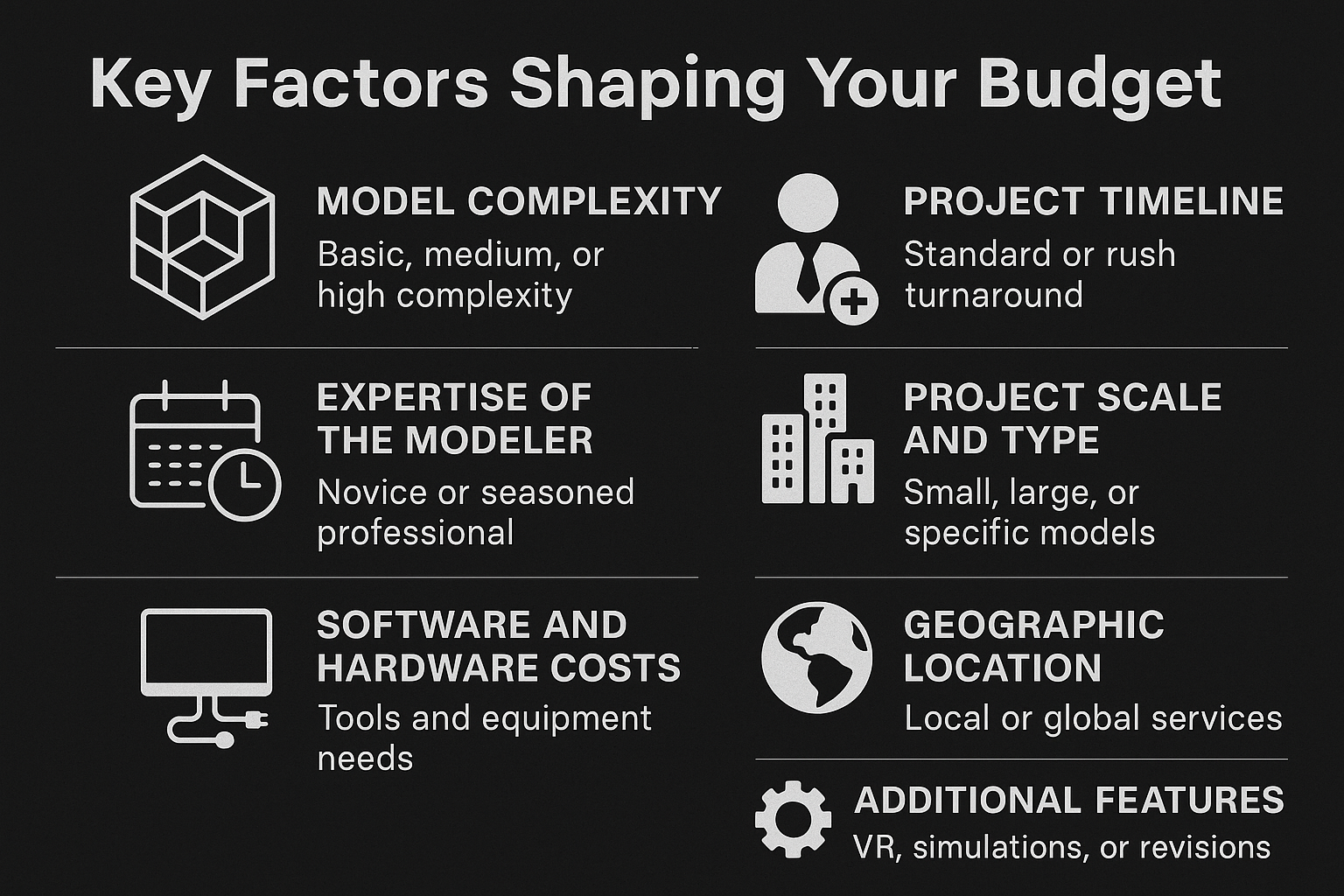
Costs don’t just pop out of nowhere – they’re driven by specific elements that add up. Here’s a closer look at what pushes the needle, so you can plan with eyes wide open.
Model Complexity
The more intricate the model, the pricier it gets. A simple exterior view might cost $350 to $800, but add detailed interiors, custom fixtures, or landscaping, and you’re looking at $900 to $1,800 per model. High-complexity projects, like detailed facades or MEP systems, can hit $1,000 to $5,000+.
- Basic Models: $40 to $200 for low-poly shapes like walls or simple structures.
- Medium Complexity: $200 to $1,000 for furniture or basic interiors.
- High Complexity: $1,000 to $5,000+ for intricate designs with advanced texturing or animations.
Project Timeline
Deadlines can make or break your wallet. Standard turnarounds (three to ten days) keep costs in check, but rush jobs add a 25 to 50 percent premium. For example, a $1,000 model might jump to $1,250 to $1,500 if you need it in 24 hours. Planning ahead saves here – tight schedules mean overtime or reprioritization, which pros charge for.
Expertise of the Modeler
Experience matters. Veteran modelers with killer portfolios charge $40 to $130 per hour in markets like the UK or USA. Newer talent or those in regions like Eastern Europe might go for $15 to $50 hourly, offering value but sometimes less polish. Agencies, with their teams and overhead, often start at $100 per hour. A seasoned pro’s work can justify the cost with fewer revisions and better outcomes.
Software and Hardware Costs
High-end tools like BIM software or rendering engines come with hefty licensing fees, which get baked into rates. Expect $100 to $500 extra for projects using AI-enhanced tools for realism or complex simulations. Hardware needs for rendering can also nudge costs – cloud solutions help, but pros still factor in equipment maintenance.
Project Scale and Type
A small home tweak might cost $150 to $500, while a multi-family complex or commercial building runs $1,000 to $5,000 per model. Specific types vary:
- Architectural Models: $500 to $5,000+ for buildings or interiors.
- Product Models: $100 to $1,000 for fixtures like lighting or fittings.
- Animations/Walkthroughs: $750 to $2,000 for 360-degree tours or videos.
Geographic Location
Where the work’s done impacts price. USA-based freelancers average $23 to $35 hourly, while global options (e.g., India or Ukraine) range from $15 to $50. Agencies worldwide often exceed $100 per hour due to comprehensive services. Location also affects labor costs – lower in some regions, but quality control can vary.
Additional Features
Extras like virtual reality integration ($1,000 to $3,000) or sustainability simulations ($500 to $1,500) add up. Revisions outside the agreed scope can tack on $100 to $500 each. Clear briefs upfront keep these in check.
One thing I’ve seen: clients who nail down specifics early – like exact deliverables or revision limits – avoid cost creep. It’s like setting ground rules before a game; everyone plays better.
Budget-Friendly Models: The Low-Cost Tier
For those pinching pennies, low-cost 3D modeling (under $500) can work, but it’s a mixed bag. These are typically $100 to $500 per render, suiting quick, simple needs.
When Low-Cost Makes Sense
- Regulatory Approvals: $150 to $300 for basic models to show HOAs or boards.
- Conceptual Drafts: $200 to $400 for style or color discussions with clients.
- DIY Renovations: $100 to $250 for homeowners visualizing small changes.
- Tight Budgets: When cost trumps detail, these cover essentials.
The Catch with Cheap Options
Low prices often come from providers leveraging cheaper labor, sometimes overseas. You might get low-res images, missing details like window trims or appliances, or recycled textures that look cookie-cutter. Hidden fees for revisions, higher resolutions, or final deliverables can double costs – say, a $200 render ballooning to $400. I’ve heard horror stories of unusable outputs forcing clients to restart with pricier pros, negating savings. Always check portfolios and clarify terms to avoid traps like missed deadlines or extra charges.
Mid-Range Models: Quality Meets Affordability
The sweet spot for many is mid-range modeling, costing $500 to $3,000 per render. This tier delivers professional-grade visuals for medium to large projects like housing developments or commercial spaces.
Ideal Scenarios for Mid-Range
- Swaying Regulators: $600 to $1,500 for detailed plans that win approvals.
- Competitive Edge: $900 to $1,800 for interiors that stand out in listings.
- Marketing Power: $1,400 to $2,800 for exteriors that drive sales.
What to Look For
- Clear Communication: Providers who discuss needs via calls or meetings.
- Proven Expertise: Years in business and qualified staff.
- Professionalism: Strong reviews, awards, or testimonials.
- Render Quality: Realistic textures, lighting, and greenery matching advertised samples.
- Reliable Timelines: Three to ten days, with a track record of meeting deadlines.
This range often includes a few revisions, offering flexibility. From my take, mid-tier shines for balancing cost and impact – think vibrant renders that sell properties faster without breaking the bank. Compare samples to ensure the output feels photorealistic, not cartoonish.
Premium Models: Investing in Excellence
For high-stakes projects, premium modeling over $3,000 is the go-to. Costs range from $3,000 to $10,000+ per render, with animations like walkthroughs adding $4,000 to $15,000. This is for luxury apartments, commercial towers, or projects where visuals make or break deals.
Why Splurge on Premium?
- Networking Boost: $5,000+ for elite outputs that connect you with top pros.
- Professional Credibility: $3,000 to $10,000 for polished, high-res visuals.
- VIP Appeal: $4,000+ for renders that impress key stakeholders.
- High-Caliber Results: Drives marketing and sales for multimillion-dollar projects.
Ensuring Value
Not every premium provider delivers equally. Check portfolios for work matching your project’s scale – say, a high-rise with detailed facades. These models justify their cost by securing presales or approvals for projects worth hundreds of thousands. One observation: in competitive markets, a standout render can make your pitch unforgettable, while a mediocre one fades fast.
Billing Styles: Hourly, Flat, or Value-Based
How you pay shapes your budget. Here’s a breakdown of options:
Hourly Rates
- Freelancers: $25 to $150 per hour, with $23 to $35 in the USA, $15 to $50 globally (e.g., India, Ukraine).
- Agencies: $100+ per hour, reflecting team expertise and overhead.
- Best For: Projects with evolving scopes where time tracking ensures fairness.
Flat Fees
- Per-Model: $40 to $5,000+ based on complexity (e.g., $500 to $5,000 for architectural models).
- Per-Image: $400 to $2,000 for multiple renders.
- Best For: Defined deliverables, offering cost predictability.
Project-Based Pricing
- Range: $1,000 to $15,000 for end-to-end work, like a full BIM model with renders.
- Best For: Large, well-defined projects where clients want a single quote.
Value-Based Pricing
- Ties cost to impact, like a $5,000 model driving million-dollar sales.
- Best For: High-ROI projects where visuals add significant value.
Full-Time Hires
- Annual Salary: $40,000 to $80,000, up to $100,000 with benefits.
- Best For: Ongoing in-house needs, though freelance often saves on overhead.
From experience, hourly suits small tweaks, while flat fees keep bigger projects predictable. Value-based is trickier but pays off for marketing-heavy jobs.
Stretching Your Budget Smartly
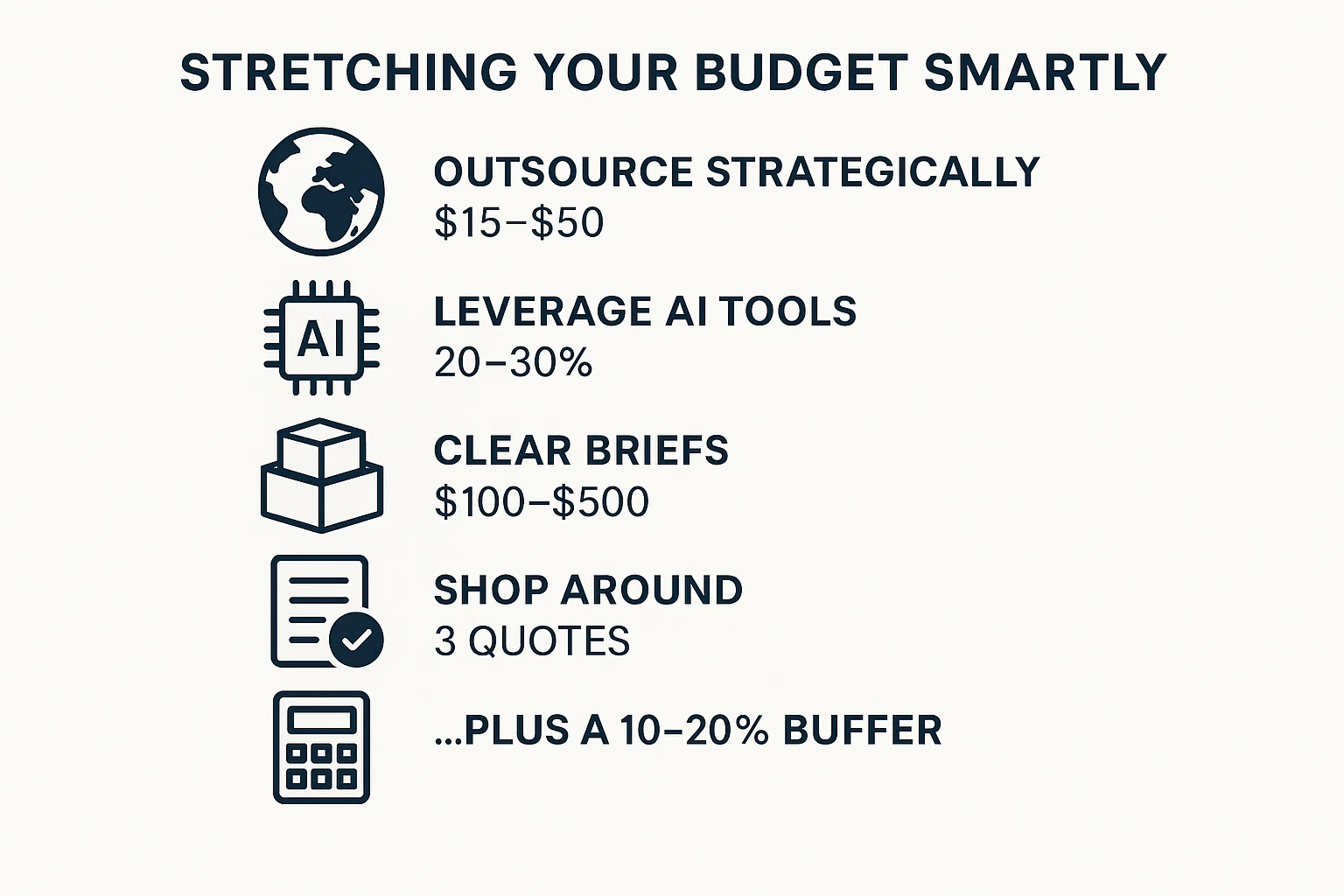
Saving money without cutting corners is an art. Here are proven ways to keep costs down:
- Outsource Strategically: Regions like Eastern Europe offer $15 to $50 hourly rates with solid quality if you vet portfolios.
- Leverage AI Tools: Automate repetitive tasks, cutting costs by 20 to 30 percent – think $200 add-ons for enhanced realism.
- Bundle Services: Package deals for multiple renders can save 20 to 30 percent.
- Clear Briefs: Detailed specs upfront reduce revisions, which cost $100 to $500 each.
- Shop Around: Get quotes from three providers to benchmark pricing.
One tip I’ve picked up: always budget a 10 to 20 percent buffer for unexpected tweaks. It’s a small price for peace of mind.
Future Trends Impacting Costs in 2026
The 3D modeling world is shifting, and 2026 brings changes that could tweak pricing. AI is streamlining basic tasks, potentially lowering entry-level costs by 20 percent, making $100 to $500 models more accessible. However, demand for immersive VR/AR experiences – like virtual tours at $1,000 to $3,000 – could push premium prices up 10 to 15 percent.
Sustainability simulations, like energy or material impact analyses, add $500 to $1,500 to complex projects. Cloud platforms are cutting agency overheads, stabilizing mid-range costs at $500 to $3,000. Generative design, where AI suggests layouts, might add $300 to $800 but saves time long-term.
My take: staying ahead means embracing these tools early. They’re not just trends – they’re reshaping how budgets work.
Wrapping Up: Budgeting with Confidence
3D architectural modeling costs reflect your project’s ambition, from $100 for quick sketches to $10,000+ for showstoppers. By understanding drivers like complexity, timelines, and expertise, you can pick the right tier – budget ($100 to $500), mid-range ($500 to $3,000), or premium ($3,000+). It’s not just spending; it’s investing in clarity, efficiency, and sales. Start small if you’re new, and always clarify deliverables to avoid surprises. With this guide, you’re ready to budget like a seasoned pro, turning visions into reality without breaking the bank.
Frequently Asked Questions
What’s a typical hourly rate for 3D architectural modeling?
Freelancers charge $25 to $150 per hour, with $23 to $35 in the USA and $15 to $50 globally. Agencies often exceed $100 hourly.
How much for a basic home model?
Simple residential models cost $150 to $500, covering basic exteriors or interiors for approvals or DIY projects.
Why do complex models cost so much?
Intricate details, animations, or simulations (e.g., $1,000 to $5,000+) require more time, advanced tools, and expertise, plus rush fees of 25 to 50 percent.
Can I save by outsourcing globally?
Yes, rates like $15 to $50 per hour in regions like India save money, but verify quality to avoid rework doubling your costs.
Our Case Studies
We have handled 200+ BIM & VDC projects for commercial, industrial, and residential sectors.
Our work includes:
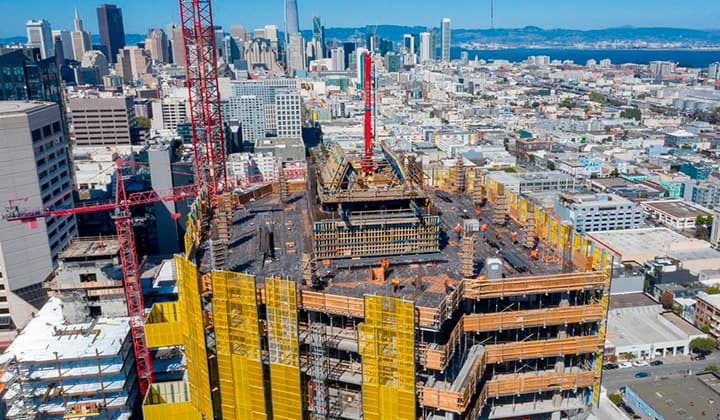
Formwork design automation
Our client from
California, USA
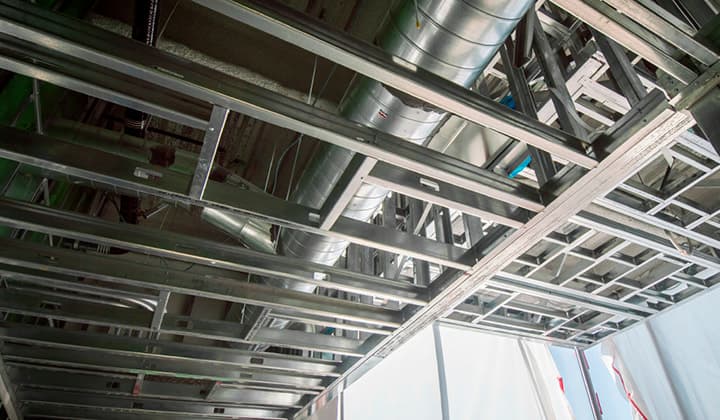
Suspended ceiling design automation
Our client from
New York, USA
Wall framing design automation
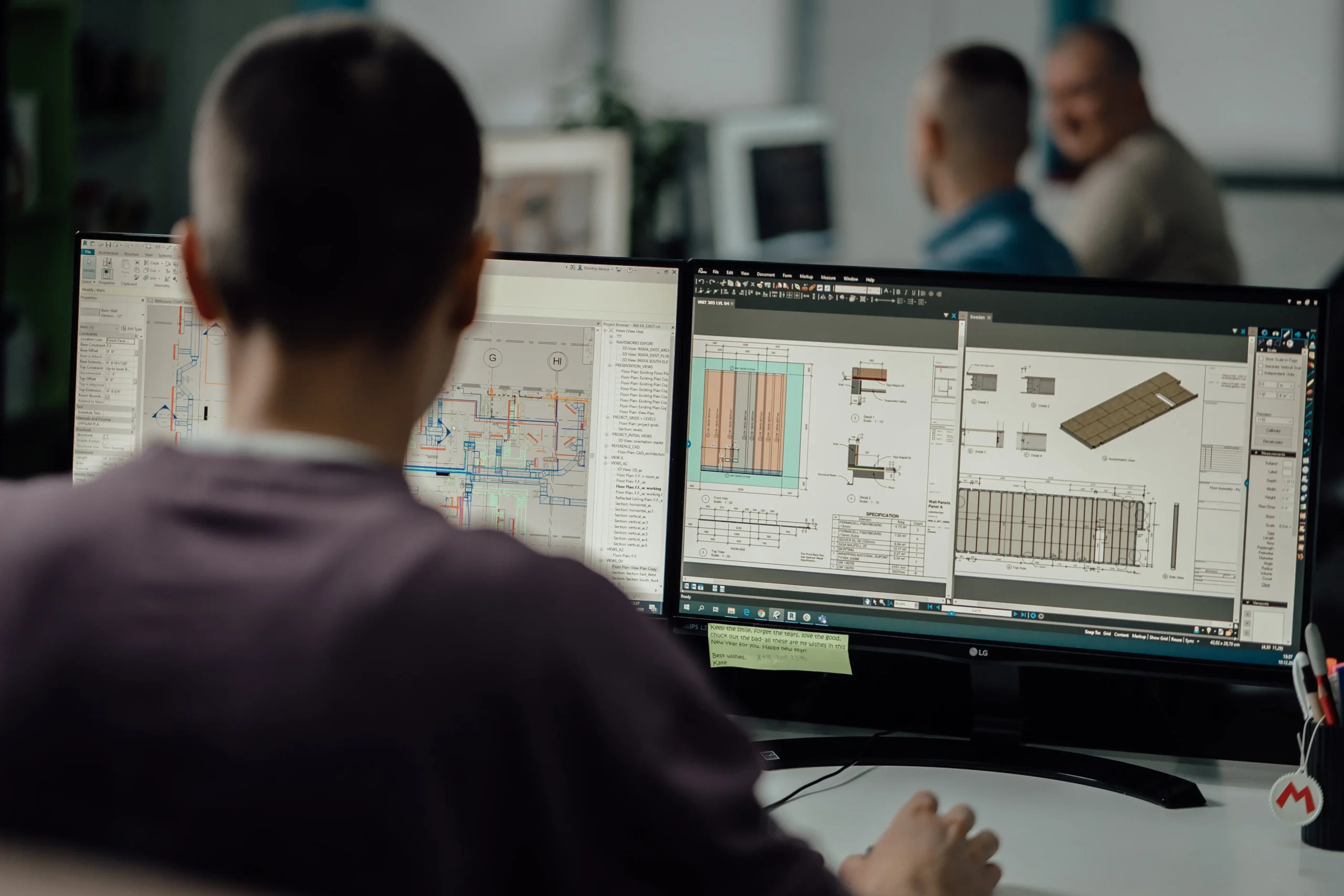
Our client from
California, USA