Have any questions? Contact us!
Join our team!
Request a free quote or consultation

Inspecting buildings the traditional way can be time-consuming, expensive, and sometimes even dangerous. That’s where aerial building survey inspections come in. By using drones, surveyors can quickly capture high-resolution images and data from hard-to-reach places, making the process faster, safer, and more cost-effective. Whether it’s for routine maintenance, damage assessment, or compliance checks, aerial inspections provide a smarter way to monitor buildings with precision and ease.
Revolutionizing Building Inspections with Aerial Surveying
Aerial building survey inspections have transformed the way structures are assessed, offering a faster, safer, and more cost-effective alternative to traditional methods like scaffolding or cherry pickers. By using high-resolution drones equipped with thermal imaging and advanced sensors, inspectors can capture detailed visual data from rooftops, facades, chimneys, and other hard-to-reach areas without the need for manual access. This technology is widely used across construction, real estate, infrastructure, and energy sectors, enabling precise condition monitoring, early detection of structural issues, and more efficient maintenance planning while minimizing risks and operational downtime.
Powerkh: High-Precision Data for Construction

Powerkh is a UK-based company with offices in the United States and Ukraine, providing aerial building survey inspections and BIM solutions. We use drone technology to capture high-resolution data for structural assessments, site documentation, and project monitoring. This reduces inspection costs, improves safety, and delivers precise data for construction and real estate projects.
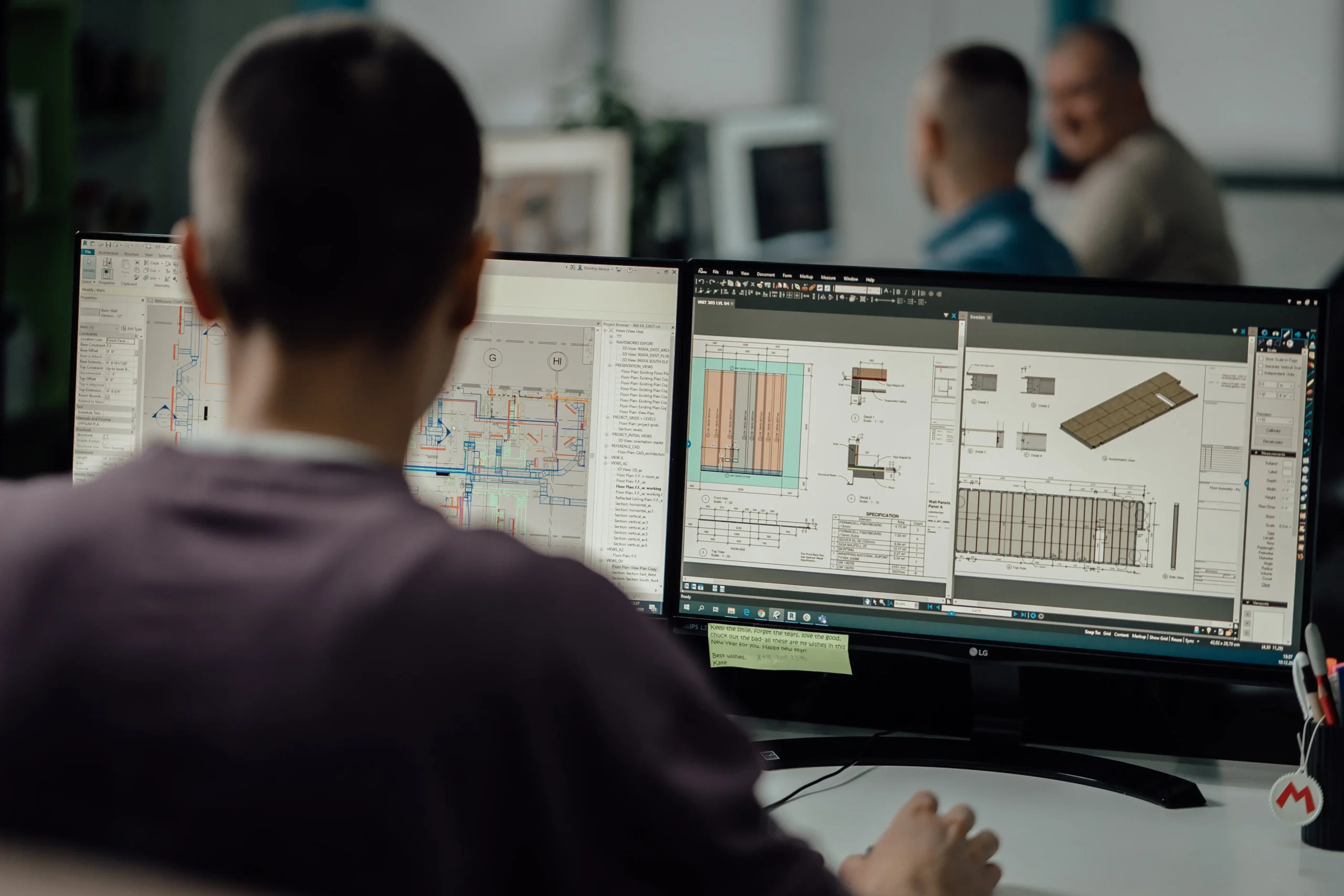
We also specialize in Scan to BIM and BIM Modeling, converting physical structures into accurate digital models. Our BIM services help align architectural, structural, and MEP designs, reducing errors and improving project efficiency. These solutions support better planning and execution in construction and renovation.
Powerkh works internationally, providing inspection and BIM services to construction, engineering, and real estate firms. Our focus is on accurate data collection, streamlined workflows, and improving project outcomes.
How Aerial Building Survey Inspections Work: The Process

Aerial building surveys follow a structured workflow to ensure precision, regulatory compliance, and actionable results. The process consists of several key stages, from pre-flight planning to data analysis and reporting.
Pre-Inspection Planning and Risk Assessment
Before the survey begins, a thorough site assessment is conducted to evaluate environmental conditions, potential obstacles, and regulatory requirements. Permissions from aviation authorities may be needed, especially in restricted airspace. A detailed risk assessment is performed to identify hazards such as power lines, nearby structures, or public areas. Additionally, flight paths are carefully planned to optimize coverage while ensuring safety and efficiency.
Drone Setup and Calibration
After planning, the drone is prepared for the survey by equipping it with the appropriate imaging technology, such as high-resolution cameras, thermal sensors, or LiDAR scanners. The drone undergoes system checks, including battery testing, GPS calibration, and connectivity verification. These steps ensure that the drone is fully operational and ready for stable, uninterrupted flight.
Data Collection and Aerial Inspection
Once deployed, the drone follows the pre-planned flight path to capture high-definition images, videos, and sensor readings. Depending on the type of inspection, thermal imaging may be used to detect insulation issues, while LiDAR scanning provides 3D structural mapping. Real-time monitoring allows operators to make adjustments mid-flight, focusing on specific areas that require closer examination.
Data Processing and Analysis
The collected aerial data is processed using specialized software that converts raw footage into detailed reports, 3D models, or annotated maps. AI-powered analysis tools help detect structural damage, material degradation, and other anomalies. This phase ensures that all potential issues are identified and accurately documented for further review.
Report Generation and Client Delivery
A final report is generated, including high-resolution images, thermal scans, and expert assessments of the building’s condition. The report is shared with clients via cloud platforms, allowing engineers, property managers, and surveyors to review the findings remotely. Based on the results, recommendations for maintenance, repairs, or further inspections can be made.
How Drone Technology is Transforming Aerial Building Inspections
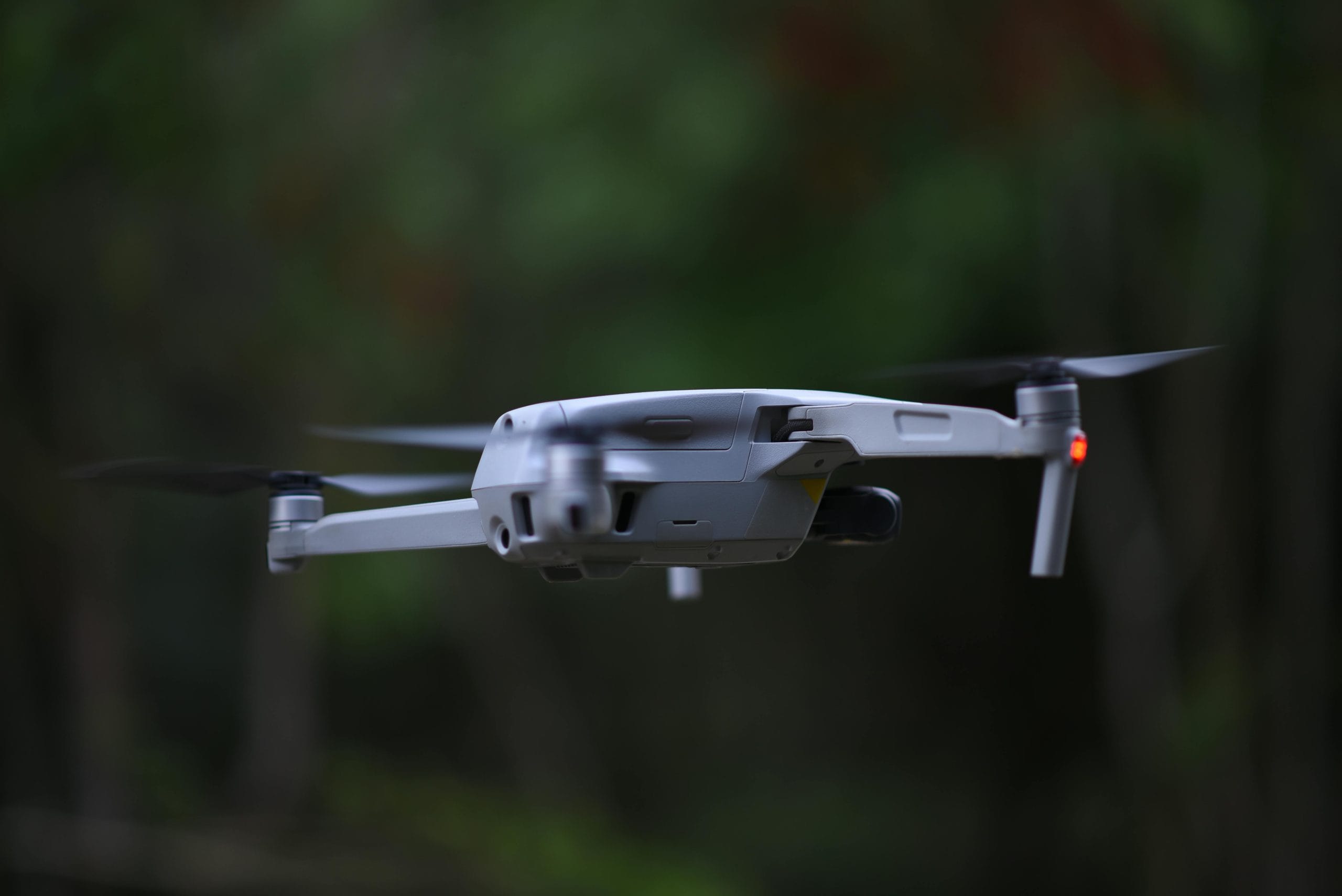
The use of drone technology in building inspections has revolutionized how structures are assessed, replacing costly, time-consuming, and hazardous traditional methods with a faster, safer, and more data-driven approach. Equipped with high-resolution cameras, thermal imaging sensors, and AI-powered analytics, drones provide unmatched efficiency and precision in inspecting buildings, roofs, and infrastructure. Below, we explore the key ways drone technology is reshaping aerial building inspections.
1. Eliminating the Need for Traditional Inspection Methods
Before drones, building inspections required scaffolding, cherry pickers, cranes, or industrial climbers, leading to high costs, safety risks, and long setup times. Drone inspections have eliminated these issues by offering:
- Rapid deployment – Drones can be launched within minutes, reducing inspection time from days to hours.
- Reduced costs – No need for expensive scaffolding or aerial lift rentals.
- Minimal disruption – Inspections can be done without disturbing building occupants or ongoing operations.
2. Enhanced Safety and Accessibility
One of the biggest advantages of drone-based inspections is improved worker safety. Traditional inspections often require personnel to work at dangerous heights, but drones remove the need for direct human access to hazardous areas. Key safety benefits include:
- No need for working at height – Reducing risks associated with falls or unstable structures.
- Access to hard-to-reach locations – Drones can inspect tall buildings, steep rooftops, church spires, bridges, chimneys, and industrial sites without the need for personnel to climb.
- Inspection of hazardous environments – Ideal for chemical plants, power stations, and confined spaces where human access is limited.
3. High-Resolution Imaging and Data Accuracy
Drones are equipped with advanced imaging technologies that capture highly detailed data, surpassing what is visible to the naked eye. These technologies include:
Ultra-HD 4K & High-Resolution Cameras
- Capture detailed images and videos for precise analysis.
- Provide zoom capabilities to inspect cracks, leaks, rust, and structural weaknesses.
Thermal Imaging & Infrared Sensors
- Detect heat loss, insulation issues, moisture infiltration, and hidden leaks.
- Identify electrical faults, damaged roofing, and water ingress that are invisible to standard cameras.
LiDAR & 3D Mapping
- Create accurate 3D models and digital twins for in-depth structural assessments.
- Useful for historical building preservation and complex infrastructure analysis.
4. Real-Time Data & Cloud-Based Reporting
Unlike traditional inspections that may take days or weeks to compile reports, drone inspections provide instant results, allowing engineers and property managers to make faster decisions.
- Live Video Feeds – Stakeholders can monitor inspections in real-time.
- Cloud Storage & Remote Access – Inspection data is stored online, enabling easy access and collaboration.
- AI-Powered Analysis – Automated software can detect structural defects, material degradation, and potential hazards, streamlining the decision-making process.
5. Versatile Applications Across Multiple Industries
Drone inspections are widely used across various sectors due to their efficiency, accuracy, and adaptability.
- Construction & Property Management – Roof inspections, site monitoring, and maintenance planning.
- Infrastructure & Utilities – Bridges, roads, power lines, and industrial facilities.
- Energy Sector – Wind turbines, solar panels, oil and gas pipelines.
- Historical & Heritage Sites – Preservation and damage assessment without disturbing delicate structures.
The Impact of Aerial Building Inspections on Sustainability
Aerial building inspections reduce the environmental impact of traditional survey methods by minimizing the need for scaffolding, lifts, and large work crews. Traditional inspections often require fuel-powered equipment, increasing emissions and resource consumption. Drones eliminate these inefficiencies by conducting assessments with minimal energy use and no physical disruption to the site.
One major sustainability advantage is energy efficiency monitoring. Thermal imaging allows for the detection of heat loss, insulation defects, and leaks, enabling targeted repairs that reduce unnecessary energy consumption. This prevents long-term inefficiencies that would otherwise increase operational energy demand and maintenance costs.
Aerial surveys also reduce land and infrastructure disruption. In urban development and industrial site assessments, drones capture necessary data without requiring ground excavation or heavy machinery, preserving natural landscapes and minimizing disturbances to existing structures. This makes them especially useful in environmental assessments and infrastructure planning, where reducing physical footprint is a priority.
Another key factor is digital data management. Drone inspections generate digital reports, 3D models, and cloud-based records, eliminating the need for paper documentation and manual processing. This reduces material waste while improving data accuracy and accessibility for future planning.
By replacing labor-intensive and resource-heavy methods with efficient, data-driven inspections, aerial surveys contribute to lower emissions, reduced waste, and more sustainable building maintenance and infrastructure management.
The Cost Efficiency of Aerial Building Survey Inspections Compared to Traditional Methods

Aerial building survey inspections provide a cost-effective alternative to traditional inspection methods, which often involve scaffolding, cranes, cherry pickers, and large work crews. By leveraging drone technology, property owners and facility managers can reduce costs, increase efficiency, and minimize operational disruptions. Below is a breakdown of how aerial inspections compare to conventional methods in terms of expenses and efficiency.
1. Reduced Equipment and Labor Costs
Traditional inspections require significant investments in physical access equipment and manpower, leading to higher overall expenses. Aerial surveys eliminate or reduce the need for:
- Scaffolding and Platforms – Setting up and dismantling scaffolding is expensive and time-consuming. Drone inspections remove this requirement entirely.
- Lifts and Cherry Pickers – Hiring aerial lifts for high-rise or rooftop inspections adds rental costs and requires certified operators. Drones perform the same work with minimal setup.
- Large Inspection Teams – Traditional inspections often require multiple workers for setup, operation, and safety supervision. A drone operator and a data analyst can complete the same job with fewer personnel.
2. Faster Inspection Process and Reduced Downtime
Time is a major cost factor in building inspections. Traditional methods require extensive setup and execution, whereas drones complete inspections significantly faster.
- Quicker Deployment – Drones can be launched within minutes, while scaffolding or crane installation may take hours or days.
- Minimal Disruption – Traditional inspections can interfere with business operations, requiring partial building closures. Drones collect data without disrupting tenants or workers.
- Efficient Data Collection – A drone can scan an entire building in a single flight, reducing the need for repeat visits.
3. Long-Term Maintenance Savings
Regular inspections help identify issues early, preventing costly emergency repairs. Drones provide detailed, high-resolution data that allows property owners to schedule preventive maintenance instead of reacting to major failures.
- Early Defect Detection – Drones capture thermal imaging and high-resolution visuals to detect leaks, insulation failures, and structural weaknesses before they worsen.
- Avoiding Costly Repairs – Identifying small defects early prevents major structural failures that require expensive restorations.
- Data for Long-Term Planning – Drone inspections generate digital records that help track building conditions over time, improving budget forecasting for maintenance.
4. Insurance and Liability Cost Reduction
Using drones for inspections reduces workplace safety risks, lowering insurance premiums and liability costs.
- No Need for Workers at Height – Reduces risks associated with falls, which are a leading cause of workplace injuries in construction and maintenance.
- Lower Insurance Costs – Fewer safety risks mean lower liability insurance costs for property owners and contractors.
- Regulatory Compliance – Drones help ensure buildings meet safety and compliance standards, avoiding fines and legal penalties.
Advantages of Aerial Building Surveys Inspections
Drones have transformed building inspections by making them faster, safer, and more precise. Their ability to capture high-resolution imagery and access difficult locations has made them a preferred method for professionals across various industries. The key advantages include:
Cost-Effective and Time-Saving
- Reduces the need for scaffolding, cherry pickers, and cranes, cutting down on equipment rental and labor costs.
- Speeds up the inspection process, allowing large areas to be surveyed within hours instead of days.
- Requires fewer personnel, optimizing resource allocation and minimizing expenses.
Improved Safety and Risk Reduction
- Eliminates the necessity for workers to operate at dangerous heights, reducing the risk of falls and accidents.
- Suitable for inspecting hazardous environments such as unstable structures, industrial plants, and power stations without endangering personnel.
- Can be deployed in conditions that are unsafe for human inspectors, such as post-disaster assessments or extreme weather scenarios.
High-Resolution Imaging and Advanced Data Collection
- Equipped with 4K Ultra-HD cameras and LiDAR technology, drones capture sharp, detailed imagery for precise analysis.
- Thermal imaging sensors help identify insulation problems, leaks, and hidden structural damage.
- Enables 3D mapping and digital modeling, allowing for accurate measurements and long-term structural monitoring.
Real-Time Data and Cloud Access
- Provides live video feeds, allowing engineers and inspectors to monitor operations remotely and make on-the-spot decisions.
- All data, including high-resolution images, videos, and analytical reports, can be stored in the cloud for easy access and collaboration.
- AI-powered analysis tools can automate defect detection, improving efficiency and reducing human error.
Accessibility to Hard-to-Reach Areas
- Capable of inspecting roofs, chimneys, bridges, and confined spaces without requiring workers to climb or use heavy machinery.
- Ideal for heritage buildings and fragile structures where direct human access could cause damage.
- Useful for large-scale industrial inspections, including wind farms, solar installations, and factory sites.
Limitations of Aerial Building Surveys
While drones offer numerous benefits, they are not a complete replacement for traditional inspection methods. Some challenges and restrictions still exist, which can affect their usability in certain conditions. The main limitations include:
Regulatory and Legal Restrictions
- Drone operations must comply with aviation laws and may require CAA (Civil Aviation Authority) approvals or equivalent permits.
- Flight restrictions exist in controlled airspace, such as near airports, government buildings, and military zones.
- Privacy concerns can arise when conducting inspections in areas close to residential or commercial properties.
Weather Dependency
- Strong winds, heavy rain, and dense fog can affect drone stability, image quality, and overall performance.
- Extreme temperatures, particularly cold weather, can drain battery life more quickly, limiting flight time.
- Inspections may need to be postponed in unfavorable weather conditions, potentially causing project delays.
Limited Flight Time and Battery Life
- Most commercial drones have a flight duration of 20-40 minutes per battery, requiring multiple battery swaps for extended operations.
- Large-scale surveys may necessitate frequent landings for recharging, slightly extending overall inspection time.
- Some drones have payload limitations, restricting the type and amount of equipment they can carry, such as heavier LiDAR scanners or specialized sensors.
Not a Replacement for Hands-On Repairs
- While drones excel in identifying structural issues, they do not provide physical repair or direct intervention solutions.
- Certain assessments, such as material testing or in-depth damage evaluation, still require human inspectors.
- In some cases, a follow-up manual inspection may be needed to verify drone findings and proceed with maintenance work.
Conclusion
Aerial building survey inspections provide a cost-effective, efficient, and safe method for assessing the condition of structures, especially those that are difficult to access. By utilizing drones or other aerial technologies, these inspections help identify structural issues, maintenance requirements, and potential hazards without the need for scaffolding or expensive manual inspections.
The high-resolution imagery and data collected can improve decision-making, streamline maintenance planning, and enhance safety compliance. As technology continues to advance, aerial inspections are becoming an essential tool for property owners, facility managers, and construction professionals.
FAQ
1. What is an aerial building survey inspection?
An aerial building survey inspection uses drones equipped with high-resolution cameras, thermal sensors, and LiDAR scanners to assess the condition of buildings, roofs, and other structures. This method provides a faster, safer, and more cost-effective alternative to traditional inspections using scaffolding or cherry pickers.
2. How do aerial building inspections work?
The process involves pre-inspection planning, drone setup, data collection, and analysis. Drones follow a pre-determined flight path to capture high-resolution images and thermal scans, which are then processed using AI-powered software to detect structural issues and generate reports.
3. What are the advantages of using drones for building inspections?
Drone inspections offer several benefits, including reduced costs, faster assessments, improved worker safety, and access to hard-to-reach areas. They also provide high-resolution imaging, real-time data analysis, and cloud-based reporting for better decision-making.
4. What industries benefit from aerial building inspections?
Aerial surveys are widely used in construction, real estate, infrastructure management, energy sectors (wind turbines, solar farms), and historical site preservation. They help with condition monitoring, maintenance planning, and compliance assessments.
5. How accurate are drone inspections compared to traditional methods?
Drones equipped with high-resolution cameras, thermal imaging, and LiDAR provide highly detailed and precise data. They can detect structural weaknesses, insulation issues, and material degradation that may not be visible through manual inspections.
6. Are aerial inspections safe?
Yes, drone inspections eliminate the need for personnel to work at height, reducing risks associated with falls and hazardous environments. They can also inspect unstable structures or industrial sites without endangering workers.
7. Can drone inspections detect hidden structural issues?
Yes, drones equipped with thermal imaging and LiDAR sensors can identify heat loss, water leaks, insulation problems, and hidden structural defects that may not be visible to the naked eye.
8. What are the limitations of aerial building inspections?
Drones are subject to weather conditions such as strong winds, heavy rain, and extreme temperatures, which can impact flight performance. They also have limited battery life and may require multiple flights for large-scale surveys. Additionally, some inspections may still require manual verification or hands-on testing.
Our Case Studies
We have handled 200+ BIM & VDC projects for commercial, industrial, and residential sectors.
Our work includes:
Formwork design automation
Our client from
California, USA
Suspended ceiling design automation
Our client from
New York, USA
Wall framing design automation
Our client from
California, USA