Have any questions? Contact us!
Join our team!
Request a free quote or consultation

Scan to BIM services help turn real-world buildings into detailed digital models. Whether you’re working on a renovation or managing a facility, knowing what this process costs can help you plan your budget better. Prices vary depending on things like the size of the building, the level of detail needed, and the format you want the final model in. Here’s a breakdown of what you can expect to pay.
What Is Scan to BIM?
Scan to BIM is the process of capturing the physical characteristics of an existing building or site using 3D laser scanning technology and converting that data into a digital Building Information Model. The scanning equipment collects millions of spatial data points known as a point cloud which are then processed and imported into BIM software like Revit or ArchiCAD. This results in a highly accurate, data-rich model that reflects the real-world geometry, dimensions, and structure of the building, making it useful for renovation planning, facility management, documentation, or further design development.
How Powerkh Delivers Precision Through Scan to BIM

Powerkh is a UK-based company with offices in the United States and Ukraine and, specializing in digital design and Building Information Modeling (BIM) services. Our core focus is on Scan to BIM, where we convert Point Cloud data into detailed 3D as-built models. These models accurately represent construction projects, aiding in design planning, constructability analysis, and project execution.
We provide precise architectural, structural, and MEP (Mechanical, Electrical, and Plumbing) modeling services. Using data from industry-standard laser scanners, we deliver BIM models at various Levels of Development (LOD 100 to LOD 500). Our team ensures seamless integration into Revit software and supports applications like clash detection, refurbishment planning, and building lifecycle management. We also offer cloud-based visualization tools for better team collaboration.
Our services include Point Cloud data processing, 3D BIM modeling, and 2D as-built drawings. By combining global expertise and localized insights, we help clients streamline construction workflows and improve project outcomes.
Scan to BIM Cost Estimates by Project Type and Size

The cost of Scan to BIM services varies significantly depending on the building’s size, complexity, intended use of the model, and required Level of Development (LOD). While every project is unique, below are realistic pricing benchmarks commonly observed across the industry in 2026.
1. Small-Scale Projects: $2,500 – $15,000
This range typically covers:
- Single-family houses
- Small retail units or office spaces
- Individual building levels or specific zones (e.g., one floor in a larger facility)
Typical features:
- Basic architectural modeling (walls, floors, ceilings, doors, windows)
- LOD 200-300 (suitable for general design, space planning, and documentation)
- Scanning takes 1–2 days; modeling may take 2–4 weeks
These projects usually require minimal MEP modeling and offer faster delivery times due to the limited scan area and lower modeling complexity.
2. Medium-Scale Projects: $15,000 – $40,000
Examples include:
- Schools, residential blocks, mid-sized commercial buildings
- Multi-floor properties (3,000-10,000 m²)
- Partial MEP systems included in the model
Typical features:
- Mixed discipline modeling (architecture + basic MEP + structural elements)
- LOD 300-350 (sufficient for early-stage coordination, documentation, and analysis)
- Scanning requires multiple days, followed by 2-4 weeks of modeling
Cost can increase depending on layout complexity, ceiling heights, underground levels, and client-specific deliverables like 2D drawings or Navisworks coordination models.
3. Large or Complex Projects: $40,000+
This tier includes:
- Hospitals, manufacturing plants, airports, historic buildings
- Full-site coverage with interior and exterior scanning
- Areas exceeding 10,000-15,000 m² or buildings with complex geometries
Typical features:
- Detailed modeling of architecture, structure, and full MEP systems
- LOD 350-500 (used for advanced coordination, facility management, or prefabrication)
- Scanning and modeling may extend over several weeks or months
These projects often involve high accuracy tolerances (e.g., ±1–3 mm). Heritage buildings may also require manual point cloud cleaning and modeling of non-standard geometry.
Additional Cost Drivers (Affecting All Project Types)
- LOD requirements: Higher detail increases modeling time and cost
- Scan conditions: Occupied buildings or hard-to-access areas can slow scanning
- Output formats: IFC, Navisworks, or coordination files may carry additional charges
- Revision cycles: Major changes post-scan or during modeling phase often increase cost
- Deadlines: Tight timelines may result in overtime fees or fast-track pricing
What Determines the Cost of Scan to BIM?
Several factors influence how much a Scan to BIM project will cost. Understanding these can help estimate budgets more accurately and avoid unexpected expenses:
- Project Size and Complexity: Larger buildings or those with intricate architectural or structural elements require more time for scanning and modeling, which increases overall cost.
- Level of Detail (LOD): The more detailed the model needs to be such as including HVAC systems, pipework, or decorative elements the more time and labor are required, raising the price.
- Type of Scanning Technology: High-precision laser scanners (LiDAR) are more expensive than simpler photogrammetry or structured light options. The choice of technology affects both accuracy and cost.
- Software and File Requirements: The type of BIM software used (e.g., Revit, ArchiCAD) and the expected deliverables (2D drawings, 3D models, clash detection files) can affect the pricing due to varying processing times and complexity.
- Expertise of the Team: Skilled professionals who can interpret point cloud data and create accurate BIM models may charge more, but they reduce the risk of costly revisions.
- Site Location and Accessibility: Projects located in hard-to-reach or remote areas may involve additional logistics, travel, or setup time, which increases costs.
- Client Revisions and Scope Changes: If the scope of work evolves mid-project such as requiring additional areas to be modeled or a higher LOD this can add to the final cost.
- Project Timeline: Faster turnaround times often require more manpower or extended working hours, which can significantly raise the cost. Planning ahead can help keep expenses lower.
Common Methods for Estimating Scan to BIM Costs
Scan to BIM service providers use different pricing models depending on project requirements, complexity, and client expectations. Here are the most common approaches used to estimate costs:
1. Square Footage Pricing
This method calculates cost based on the total area of the space to be scanned and modeled. It’s commonly used for straightforward projects where size is a strong indicator of effort. Larger spaces usually result in higher costs due to increased scanning and processing time.
2. Hourly Rates
Some providers charge by the hour for scanning, data processing, and modeling. This model is often applied to smaller or open-ended projects where the scope may evolve, offering flexibility but making it harder to predict final costs.
3. Fixed Project Rates
Fixed pricing is typically offered for clearly defined projects with predictable scope and deliverables. This model provides transparency and helps clients plan budgets in advance, but may include limitations on revisions or scope changes.
4. Customized Quotes
For more complex or unique projects, service providers often generate tailored quotes. These consider specific requirements such as detail level, scan type, site constraints, and turnaround times. This method offers the most accurate reflection of actual cost.
5. Complexity-Based Pricing
Some firms price based on the architectural or technical complexity rather than area. Projects involving detailed mechanical rooms, historic preservation, or non-standard geometries may cost more regardless of size.
6. Add-On Costs for Revisions or Extra Services
Revisions, additional file exports, extra formats (e.g., IFC, Navisworks), or changes to scope after work has started can lead to extra charges. These are usually billed separately or defined in the contract as optional services.
When Is Scan to BIM Worth the Investment?
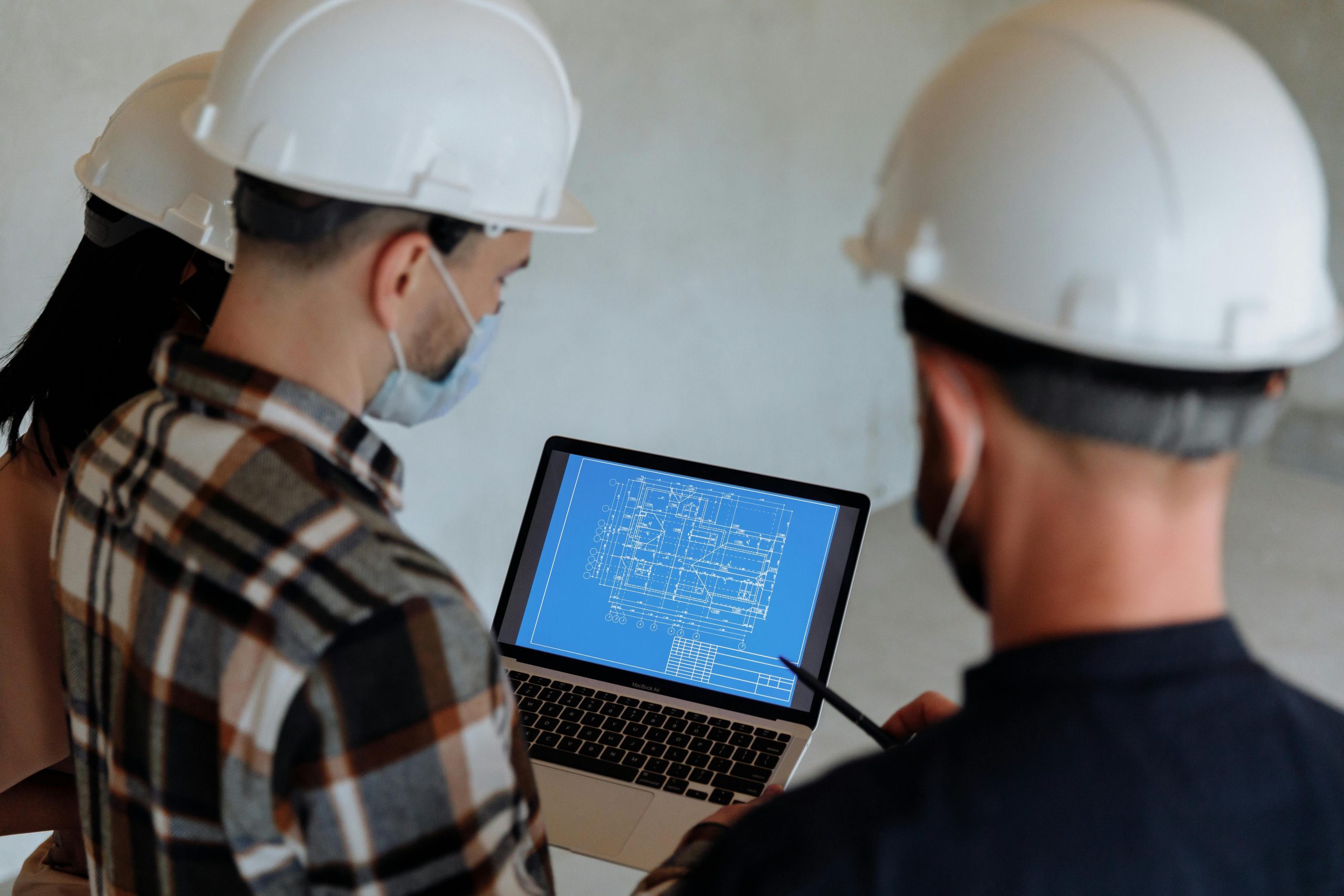
Scan to BIM is especially valuable in renovation, retrofitting, and restoration projects, where original building documentation is missing, outdated, or incomplete. Laser scanning allows teams to capture accurate real-world conditions and convert them into digital models that serve as a reliable foundation for further design or construction. This minimizes reliance on manual measurements and helps avoid costly rework by detecting clashes and design issues early.
It’s also a smart investment for technically complex or regulated facilities such as hospitals, manufacturing plants, airports, or historical buildings where high levels of detail and documentation are needed for compliance, coordination, and planning. These types of environments often require precise modeling of architectural, structural, and MEP systems to ensure safe operation and regulatory approval.
Beyond construction, Scan to BIM is increasingly used by property owners and facility managers to support long-term asset management, maintenance planning, and building upgrades. Having an accurate, up-to-date BIM model simplifies future renovations, helps track building performance, and improves collaboration between stakeholders over the building’s lifecycle. In all these cases, the initial investment pays off by reducing risks, saving time, and enabling data-driven decision-making.
Conclusion
Scan to BIM is a powerful tool that turns real-world buildings into detailed, data-rich digital models. While pricing can vary widely, understanding the main cost drivers like project complexity, level of detail, and scanning methods can help you plan and control expenses more effectively.
Whether you’re managing a renovation, preserving a historic site, or simply updating building documentation, Scan to BIM offers long-term value by reducing rework, improving accuracy, and streamlining the design and construction process. Getting a tailored quote based on your project’s unique needs is the best way to determine actual costs and make informed decisions.
FAQ
1. How much does Scan to BIM typically cost?
Scan to BIM services generally range from $2,500 for small projects to over $40,000 for large or complex buildings. Prices depend on factors like size, detail level, and required deliverables.
2. What affects the price of a Scan to BIM project the most?
Key cost drivers include project size, level of detail (LOD), scanning technology used, site accessibility, and any changes to the scope or timeline.
3. Is Scan to BIM charged by square footage or fixed rates?
Both models are used. Some providers charge by square footage, while others offer fixed pricing or custom quotes based on project complexity and requirements.
4. Can Scan to BIM be done for residential properties?
Yes. It’s commonly used for residential renovations, especially when existing plans are outdated or missing. Smaller projects typically fall into the lower price range.
5. How can I reduce the cost of Scan to BIM?
Limit the scan area to essential spaces, choose an appropriate level of detail, avoid mid-project changes, and plan ahead to avoid expedited delivery fees.
6. How long does a Scan to BIM project take?
Timelines vary, but small projects may take a few days to a week, while larger or more detailed projects can require several weeks from scanning to final model delivery.
Our Case Studies
We have handled 200+ BIM & VDC projects for commercial, industrial, and residential sectors.
Our work includes:
Formwork design automation
Our client from
California, USA
Suspended ceiling design automation
Our client from
New York, USA
Wall framing design automation
Our client from
California, USA