Have any questions? Contact us!
Join our team!
Request a free quote or consultation

BIM services are changing the way buildings are designed and constructed. If you’ve ever wondered what BIM stands for and why so many professionals use it, you’re in the right place. In simple terms, BIM (Building Information Modeling) is a smart, digital way to plan and manage construction projects. It helps architects, engineers, and contractors work together more efficiently, saving time and money. Let’s break down what BIM services really mean and why they’re so important.
What Are BIM Services?
BIM services refer to Building Information Modeling solutions that help architects, engineers, contractors, and project managers digitally plan, design, and manage construction projects. These services use advanced 3D modeling software to create a detailed digital representation of a building, incorporating geometry, materials, schedules, costs, and sustainability data.
Unlike traditional 2D blueprints, BIM services provide a dynamic, data-rich environment where all project stakeholders can collaborate in real-time. This leads to better coordination, reduced errors, improved efficiency, and significant cost savings throughout a building’s lifecycle, from initial design to post-construction maintenance.
Some of the most common BIM services include:
- 3D BIM modeling: Creating a visual and data-rich model of a building.
- Clash detection and coordination: Identifying conflicts between structural, MEP, and architectural elements before construction begins.
- 4D BIM (Time Scheduling): Linking the model to a construction timeline for better project management.
- 5D BIM (Cost Estimation): Integrating cost analysis and budgeting into the BIM model.
- 6D BIM (Sustainability): Analyzing energy efficiency and environmental impact.
By utilizing BIM services, construction teams can work smarter, reduce waste, and ensure projects are delivered on time and within budget while maintaining high-quality standards.
What Does BIM Stand For?
BIM stands for Building Information Modeling, a process that combines technology, collaboration, and data management to improve construction and infrastructure projects. It goes beyond simple 3D modeling by incorporating important project information such as costs, materials, schedules, and maintenance requirements into a single digital model.
- Building – Refers to the physical structure being designed, constructed, or maintained.
- Information – Represents all the data related to the project, including design details, materials, costs, schedules, and performance metrics.
- Modeling – Involves creating an intelligent, digital representation of the building, allowing for better planning, visualization, and decision-making.
BIM is not just software; it is a collaborative approach that allows architects, engineers, and contractors to work together more effectively. By integrating real-time data and smart automation, BIM helps prevent errors, improve design accuracy, and streamline the entire construction process.
Powerkh: Expert BIM & VDC Services for Smarter Construction

Powerkh is a UK-based company with offices in Ukraine and the USA, specializing in BIM and VDC services for architects, engineers, and contractors. With over 200 successful projects, we help teams streamline workflows, reduce errors, and improve efficiency using advanced 3D modeling, clash detection, automation, and fabrication support.
Our services include BIM modeling, coordination, Scan to BIM, automation, prefabrication, and structural detailing. We leverage cutting-edge tools and automation to deliver fast, high-quality results while ensuring seamless project coordination.
Clients choose Powerkh for our global expertise, fast turnaround times, and customized solutions that enhance precision in construction. Whether you need accurate 3D models, automated workflows, or detailed shop drawings, our team is ready to assist.
Contact Powerkh today to optimize your construction process with industry-leading BIM solutions.
Key Benefits of BIM Services

Building Information Modeling (BIM) services provide numerous advantages for the architecture, engineering, and construction (AEC) industry. By leveraging digital representations of physical and functional characteristics, BIM enhances project efficiency, accuracy, and collaboration. Below are the key benefits of utilizing BIM services:
Enhanced Collaboration and Communication
- BIM facilitates seamless collaboration among architects, engineers, contractors, and stakeholders by providing a centralized digital model.
- Cloud-based BIM solutions allow real-time updates, reducing miscommunication and ensuring all team members work with the most current information.
- Improved coordination between disciplines helps mitigate design conflicts before construction begins.
Improved Project Visualization
- BIM provides 3D visualization capabilities that enable stakeholders to understand design concepts better.
- Virtual walkthroughs allow clients to experience a project before construction, aiding in design approvals and decision-making.
- Enhanced visualization helps identify design flaws and inconsistencies early in the project lifecycle.
Accurate Cost Estimation and Budget Management
- BIM integrates cost estimation tools, allowing project managers to generate accurate material and labor cost estimates.
- By analyzing real-time data, BIM helps prevent budget overruns and optimizes resource allocation.
- Quantity takeoff automation ensures that estimates are precise and consistently updated.
Clash Detection and Risk Mitigation
- BIM software identifies conflicts between architectural, structural, and MEP (mechanical, electrical, and plumbing) systems before construction starts.
- Detecting and resolving clashes in the digital model reduces costly rework and delays.
- Enhanced risk assessment improves overall project safety and efficiency.
Increased Efficiency and Productivity
- Automation of repetitive tasks such as scheduling, documentation, and design modifications saves time and effort.
- Streamlined workflows improve productivity by enabling faster decision-making and reducing errors.
- Advanced analytics and simulations optimize project planning and execution.
Sustainability and Energy Efficiency
- BIM allows for energy modeling and sustainability analysis, enabling designers to create energy-efficient buildings.
- Lifecycle assessment tools help evaluate the environmental impact of materials and construction methods.
- Green building compliance becomes more achievable through accurate simulations and data-driven insights.
Improved Facility Management and Lifecycle Maintenance
- BIM continues to offer value beyond construction by providing a digital twin for facility management.
- Asset tracking, predictive maintenance, and real-time monitoring ensure operational efficiency throughout the building’s lifecycle.
- Integration with IoT and smart building technologies enhances building performance and reduces maintenance costs.
Regulatory Compliance and Documentation
- BIM facilitates compliance with building codes, safety standards, and regulatory requirements by ensuring accurate documentation.
- Automated reports and documentation generation streamline approvals and inspections.
- Maintaining a digital record of the entire project enhances traceability and accountability.
By leveraging BIM services, AEC professionals can achieve more efficient, cost-effective, and sustainable project outcomes, revolutionizing the way buildings and infrastructure are designed, constructed, and maintained.
Top BIM Software Tools Used in the Industry

Several advanced BIM software tools are widely used across the AEC industry. These tools enhance collaboration, improve accuracy, and streamline project workflows. Below are some of the most popular BIM software solutions:

1. Autodesk Revit
Autodesk Revit is one of the most comprehensive Building Information Modeling (BIM) platforms for architectural, structural, and MEP (Mechanical, Electrical, Plumbing) design. It enables parametric modeling, clash detection, and detailed documentation. It also integrates seamlessly with other Autodesk products, such as AutoCAD and Navisworks, to provide a more comprehensive workflow for building design and construction.

2. Navisworks
Navisworks is a software primarily used for model coordination, clash detection, and project review. It enhances collaboration by integrating models from various disciplines, making it an ideal tool for large-scale infrastructure projects. By allowing users to review and analyze 3D models, it helps identify potential issues early in the design process, reducing costly rework during construction.

3. Tekla Structures
Tekla Structures is a specialized software focused on structural BIM modeling, steel detailing, and precast concrete design. It provides precise constructability analysis and fabrication-level detailing, making it particularly useful for industrial and commercial construction projects. The software ensures that the designs can be accurately translated into physical structures with high levels of detail and precision.
4. Archicad
Archicad, developed by Graphisoft, is a user-friendly BIM tool designed specifically for architects. It supports open BIM workflows, allowing for easy integration with other industry tools and platforms. Archicad is also known for its high-quality visualization capabilities, making it a great choice for creating detailed and visually appealing architectural designs.

5. Bentley AECOsim
Bentley AECOsim is a robust BIM solution designed for large infrastructure and transportation projects. The software offers strong integration with GIS (Geographic Information Systems) and civil engineering applications. It also provides energy modeling and asset management capabilities, making it a versatile tool for managing large-scale infrastructure projects throughout their lifecycle.
6. Vectorworks Architect
Vectorworks Architect combines BIM and CAD functionalities, providing flexible design workflows for various types of projects. It is suitable for architectural design, landscape architecture, and urban planning, offering advanced rendering and visualization tools to help bring designs to life with high-quality visuals.
7. BIM 360
BIM 360 is a cloud-based platform designed for BIM collaboration and project management. It allows real-time access to project data, improving coordination across teams. With features like document control, issue tracking, and compliance management, BIM 360 enhances overall project efficiency and reduces the likelihood of errors.
These BIM software tools empower professionals to optimize project design, improve accuracy, and ensure smooth project execution.
How Do BIM Services Work?
BIM services involve a structured digital approach to designing, planning, and managing construction projects. Here’s how BIM services work throughout the project lifecycle:
- The process begins with gathering project requirements, site data, and stakeholder inputs. Laser scanning and survey data may be used to create accurate base models. Initial models are developed to establish design concepts and project scope.
- BIM professionals create detailed 3D models that incorporate architectural, structural, and MEP elements. Parametric modeling ensures that any design changes are automatically updated across the entire project. Material specifications, spatial relationships, and geometric details are included.
- BIM software identifies conflicts between different building components. Engineers and architects resolve clashes digitally before construction starts. Coordination meetings are held to ensure seamless integration of the various disciplines involved.
- Time-based simulations integrate construction schedules with BIM models. Project managers can visualize construction sequences and optimize timelines. Early detection of scheduling conflicts helps prevent delays.
- BIM incorporates cost data to provide real-time cost analysis. Automated quantity takeoffs ensure accurate budgeting and procurement planning. This also allows for comparing multiple design alternatives based on cost implications.
- BIM models guide contractors in accurate site execution. Drones, IoT sensors, and digital twin technology help monitor progress in real time. Quality control measures are implemented to ensure adherence to design specifications.
- Finally, BIM data is handed over to facility managers for long-term building maintenance. Digital twins enable predictive maintenance, which helps reduce operational costs. Owners can track building performance and plan future renovations more efficiently.
BIM services transform traditional construction workflows into digital, data-driven processes, ensuring higher efficiency, cost control, and improved project outcomes.
Understanding BIM Levels: From 0 to 6D

Building Information Modeling (BIM) is not a one-size-fits-all approach—it evolves in different levels based on the amount of information integrated into the model and the level of collaboration between stakeholders. These BIM levels range from Level 0 (basic CAD drawings) to 6D (fully integrated lifecycle management with sustainability insights). Understanding these levels is essential for construction professionals looking to optimize their workflows, improve efficiency, and minimize costly errors.
Level 0 BIM: The Starting Point
Level 0 BIM is the most basic stage, where construction teams rely entirely on 2D CAD drawings and paper-based documentation with no digital collaboration. Characteristics:
- Designs are created using 2D CAD software or manual drafting.
- No shared data environment—each team works independently.
- Communication occurs through printed documents or digital PDFs/DWG files.
- High risk of errors, miscommunication, and rework due to lack of integration.
Many small-scale projects and firms that haven’t yet adopted BIM still operate at this level. However, most of the construction industry has moved beyond Level 0, as it lacks the efficiency and accuracy of modern BIM workflows.
Level 1 BIM: A Step Towards Digitalization
At Level 1, teams begin integrating basic 3D modeling but still rely on 2D documentation for production and project execution. There is some level of data organization, but collaboration remains limited. Characteristics:
- 2D CAD drawings are still used for documentation, but some 3D models exist for visualization.
- A Common Data Environment (CDE) is introduced to manage documents and data.
- Each discipline (architecture, engineering, MEP, etc.) works on its own model, with minimal data exchange.
- There are no standardized collaboration protocols, leading to possible misalignment between teams.
Level 1 BIM is widely used in the construction industry, especially by firms transitioning from traditional CAD to full BIM integration. It offers better project visualization and some coordination improvements but still lacks full collaboration.
Level 2 BIM: Collaborative Design and Data Sharing
Level 2 BIM introduces true collaboration, where multiple teams work on their own 3D models but share information through standardized formats like IFC (Industry Foundation Classes) or COBie (Construction Operations Building Information Exchange). Characteristics:
- Each stakeholder (architects, engineers, contractors) works on their own BIM model, but data is exchanged systematically.
- Standardized formats like IFC and COBie ensure compatibility between different software tools.
- Clash detection tools help reduce errors by identifying conflicts before construction begins.
- A Common Data Environment (CDE) is fully implemented for better document and information management.
- Teams can collaborate effectively without working on a single shared model.
Level 2 BIM is now a standard requirement in many countries, including the UK, where government projects mandate Level 2 compliance. It significantly reduces errors, design conflicts, and project delays, making construction more efficient.
Level 3 BIM: Fully Integrated Collaboration
Level 3 BIM, also known as Open BIM, takes collaboration to the next level by using a single, shared model that all stakeholders can access and modify in real time. This eliminates data silos and creates a true collaborative workflow. Characteristics:
- A single, centralized BIM model is used by all disciplines (architecture, structural, MEP, etc.).
- All data is fully integrated into the model, improving accuracy and coordination.
- Advanced cloud-based collaboration tools allow teams to work simultaneously from different locations.
- Greater automation and real-time updates ensure seamless project management.
- Improved project visualization and decision-making throughout the entire building lifecycle.
Level 3 BIM is not yet widely adopted due to technological and contractual challenges, but it represents the future of construction management. It is ideal for large-scale infrastructure projects that require seamless coordination between multiple stakeholders.
Beyond Level 3, BIM evolves further by integrating additional data dimensions such as time (scheduling), cost (budgeting), and sustainability (energy analysis). These levels transform BIM from a design tool into a full project lifecycle management system.
Level 4 BIM: Time Management (4D BIM)
Level 4 BIM incorporates project scheduling into the model, allowing teams to visualize the construction timeline and simulate project phases before work begins. Characteristics:
- Linking 3D models with a project schedule (Gantt charts, CPM scheduling, etc.).
- Helps teams identify sequencing issues and optimize construction workflows.
- Reduces delays and inefficiencies by improving planning.
- Allows project managers to track progress in real time.
4D BIM is commonly used in large construction projects where timeline optimization and phased construction planning are critical.
Level 5 BIM: Cost Estimation (5D BIM)
Level 5 BIM integrates cost estimation and financial planning, allowing stakeholders to analyze expenses and make data-driven budget decisions. Characteristics:
- Links 3D models with real-time cost data.
- Allows for instant budget adjustments based on design changes.
- Helps owners and contractors track project costs and prevent budget overruns.
- Supports automated quantity takeoffs to improve accuracy.
5D BIM is widely used in commercial and infrastructure projects, where budget control is essential. It helps contractors, quantity surveyors, and project managers track costs more efficiently.
Level 6 BIM: Sustainability & Energy Efficiency (6D BIM)
Level 6 BIM focuses on sustainability, energy consumption analysis, and long-term building performance. It helps owners and facility managers optimize energy use, reduce environmental impact, and meet green building standards. Characteristics:
- Embeds energy performance data into the BIM model.
- Allows for sustainability simulations to optimize heating, cooling, lighting, and material use.
- Helps achieve LEED, BREEAM, and other green building certifications.
- Supports long-term facility management for energy-efficient operations.
6D BIM is critical for eco-friendly buildings and smart cities, ensuring that structures are sustainable, cost-effective, and environmentally responsible throughout their lifecycle.
The Future of BIM: AI, VR, and Digital Twins
As Building Information Modeling (BIM) continues to evolve, the integration of emerging technologies such as Artificial Intelligence (AI), Virtual Reality (VR), and Digital Twins is reshaping the way construction projects are managed, executed, and maintained. These advancements promise to further streamline workflows, enhance accuracy, and improve collaboration among stakeholders.
AI is revolutionizing BIM by enabling more intelligent design and decision-making. By leveraging machine learning and data analytics, AI can predict design flaws, optimize schedules, and automate repetitive tasks, significantly reducing the time and effort spent on manual processes. For example, AI can assist in identifying potential clashes in the design phase before they become costly issues during construction.
Virtual Reality (VR) offers immersive experiences that allow designers, clients, and stakeholders to virtually walk through building designs before construction begins. This level of interaction helps in visualizing spatial relationships, refining design elements, and enhancing communication. VR also aids in training construction teams and simulating real-world conditions, ensuring that all parties involved are better prepared for on-site challenges.
Digital Twins are another exciting development in the BIM landscape. These digital replicas of physical buildings provide real-time data on building performance, maintenance needs, and energy consumption. They enable facility managers and building owners to monitor conditions remotely and make informed decisions about repairs and upgrades. Digital Twins also enhance predictive maintenance by anticipating issues before they occur, which can significantly reduce operational costs and downtime.
The future of BIM lies in the continued integration of these technologies. As AI, VR, and Digital Twins become more sophisticated, they will lead to smarter, more sustainable buildings that adapt to changing needs and environmental conditions.
Common BIM Challenges and How to Overcome Them

While BIM offers significant advantages, there are several challenges that teams may encounter during its implementation and use. These challenges, however, can be mitigated with the right strategies and tools.
One of the primary challenges is the resistance to change, as many professionals are accustomed to traditional methods of design and construction. To overcome this, it’s essential to provide comprehensive training and emphasize the long-term benefits of BIM, such as increased efficiency and reduced errors. Encouraging a collaborative culture where all stakeholders are on board with BIM adoption is crucial.
Data management and interoperability issues also pose challenges, as BIM requires seamless integration of data from various disciplines and software platforms. Incompatible file formats and siloed systems can hinder smooth workflows. To address this, organizations should invest in standardized tools and open BIM protocols to ensure compatibility across different software systems. Clear communication and early-stage planning also help mitigate potential data conflicts.
Another issue is the complexity of BIM models, which can become too detailed or difficult to manage, especially on larger projects. To avoid this, it’s important to establish clear modeling guidelines from the outset and define the level of detail required at each project phase. Regularly updating and reviewing models can help ensure they remain manageable and relevant to the project’s needs.
Lastly, ensuring accurate and up-to-date information is a continual challenge. As construction progresses, changes to the design or scope can render BIM models outdated. To overcome this, real-time updates and regular collaboration between design teams, contractors, and facility managers are essential. Using cloud-based platforms and mobile tools can help ensure that everyone is working with the most current version of the model, facilitating better coordination and reducing the risk of errors.
By addressing these challenges head-on, organizations can maximize the benefits of BIM and drive more efficient, cost-effective, and sustainable construction projects.
Conclusion
BIM services are transforming the way buildings are designed, built, and managed. Instead of relying on traditional blueprints and scattered information, BIM brings everything together in a smart, digital model that helps teams collaborate better and avoid costly mistakes. Whether you’re an architect, engineer, contractor, or property owner, using BIM can lead to more efficient projects, fewer surprises, and better long-term results.
As technology continues to evolve, BIM is becoming even more advanced, making construction projects smarter, faster, and more cost-effective. If you’re in the industry or planning a project, understanding and using BIM services can give you a major advantage.
FAQs
What does BIM stand for?
BIM stands for Building Information Modeling. It’s a digital process that helps architects, engineers, and construction professionals design, plan, and manage building projects more efficiently.
How do BIM services help in construction?
BIM services create a detailed 3D model of a building that includes important data like materials, costs, and timelines. This helps teams collaborate better, reduce errors, and make smarter decisions throughout the construction process.
Who uses BIM services?
BIM services are used by architects, engineers, contractors, and project managers. Even property owners and facility managers benefit from BIM because it helps with long-term maintenance and management.
Are BIM services only for large projects?
No, BIM can be used for projects of all sizes, from small residential buildings to massive commercial and infrastructure projects. It helps improve efficiency and reduce costs, no matter the scale.
Is BIM the same as 3D modeling?
Not exactly. While BIM includes 3D modeling, it goes beyond just visuals. BIM models contain detailed information about every part of a building, including materials, schedules, costs, and maintenance needs.
Our Case Studies
We have handled 200+ BIM & VDC projects for commercial, industrial, and residential sectors.
Our work includes:
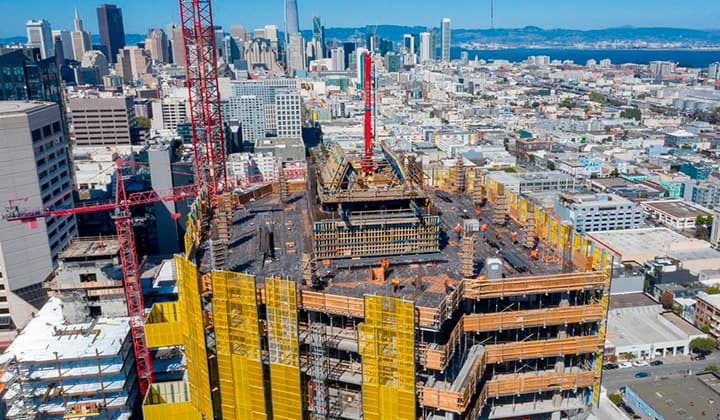
Formwork design automation
Our client from
California, USA
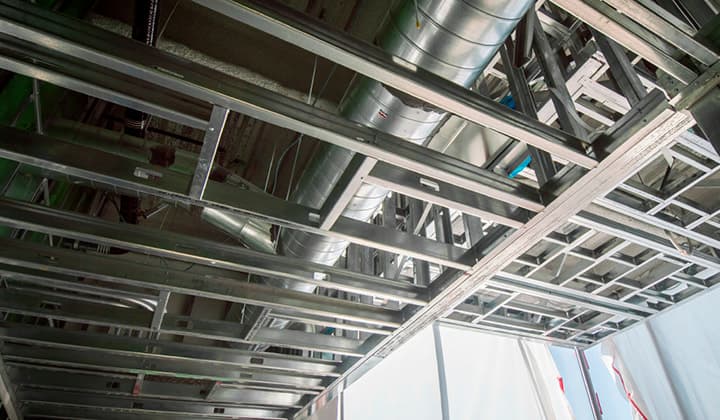
Suspended ceiling design automation
Our client from
New York, USA
Wall framing design automation
Our client from
California, USA