Have any questions? Contact us!
Join our team!
Request a free quote or consultation

When it comes to transforming physical spaces into digital 3D models, Scan-to-BIM technology is a game-changer. But one question always comes up: how much does it cost? Whether you’re planning a renovation, managing a construction project, or preserving a historic building, understanding the factors that influence Scan-to-BIM costs is essential for smart budgeting. In this guide, we’ll break down what affects pricing, share average cost ranges, and give you tips to make the most of your investment. Let’s dive in!
What is Scan-to-BIM?
Scan-to-BIM is the process of turning physical structures into detailed 3D digital models. Using laser scanning technology, it captures accurate measurements of a building or site and creates a “point cloud” of data. This data is then converted into a Building Information Model (BIM), which includes not just 3D visuals but detailed information about the structure’s elements, like walls, materials, and systems.
It’s widely used in construction, renovations, and facility management to improve accuracy, save time, and reduce errors. Simply put, Scan-to-BIM transforms real-world spaces into digital, actionable models.
Powerkh: Efficient Scan to BIM Solutions

Powerkh is a BIM and VDC service provider with offices in the UK, Ukraine, and the USA. Our company focuses on delivering practical solutions for architects, engineers, and contractors through precise and reliable BIM services.
We specialize in Scan to BIM, converting Point Cloud data into accurate 3D BIM models in Revit. These models are used for clash detection, refurbishment planning, building management, and other construction workflows. We support various Levels of Development (LOD 100–500) and produce 2D as-built drawings when needed.
Our team works with data from leading laser scanners and ensures compatibility with industry-standard software. With a focus on accuracy and efficiency, we help clients streamline their projects by providing models tailored to their specific requirements.
Factors Influencing Scan-to-BIM Costs
The cost of Scan-to-BIM services isn’t one-size-fits-all it depends on several key factors that vary from project to project. Here’s a breakdown of what can impact pricing:

Project Size and Scope
Larger spaces or more extensive projects naturally require more scanning and modeling, which increases costs. For example, scanning a single office space will be much cheaper than mapping out an entire factory or multi-story building.
Level of Detail (LOD)
The complexity of the BIM model you need plays a big role. A simple model (LOD 100) costs less than a highly detailed model (LOD 500) that includes intricate structural, mechanical, or material specifications.
Type of Technology Used
High-end laser scanners with advanced capabilities, like higher accuracy or longer range, often result in higher service costs. Similarly, advanced software used for modeling can add to the overall price.
Data Processing and Complexity
Complex structures or irregular designs require more time and expertise to process and model, which drives up costs. Simple layouts, on the other hand, are quicker and cheaper to handle.
Accessibility of the Site
Hard-to-reach locations or sites with obstacles (e.g., remote areas, industrial plants, or busy urban centers) may involve additional logistics and costs.
Timeline and Deadlines
If a project requires quick turnaround times, the cost may rise due to expedited services or additional labor required to meet tight deadlines.
Provider’s Expertise and Location
More experienced providers may charge higher fees, but their expertise often ensures better quality and fewer errors. Additionally, costs can vary based on local market rates and competition.
Average Cost of Scan-to-BIM Services
The cost of Scan-to-BIM services varies depending on the project’s size, complexity, and level of detail. Here’s a breakdown of typical pricing:
Small Projects
- Examples: Single office spaces, small residential areas.
- Cost Range: $500–$2,000, depending on required detail.
Medium-Sized Projects
- Examples: Retail stores, small commercial buildings.
- Cost Range: $2,000–$10,000.
Large or Complex Projects
- Examples: Industrial facilities, large multi-story buildings, historic sites.
- Cost Range: $10,000 and above, especially for detailed models (LOD 400–500).
Custom Pricing Models
- Examples: Highly specialized projects requiring advanced expertise or equipment.
- Cost Range: $50–$150 per hour, depending on the provider’s expertise.
Keep in mind, additional charges may apply for fast turnaround times, complex environments, or specialized project requirements. Consulting with a service provider will help you get an accurate estimate tailored to your project.
Investing in Scan-to-BIM services ensures better accuracy and fewer errors, making it a cost-effective choice for both small and large projects.
Cost Estimation Models
When selecting a cost estimation model for Scan-to-BIM services, understanding their strengths and limitations is key. Below is a breakdown of the most commonly used models, along with their suitability, advantages, and disadvantages:
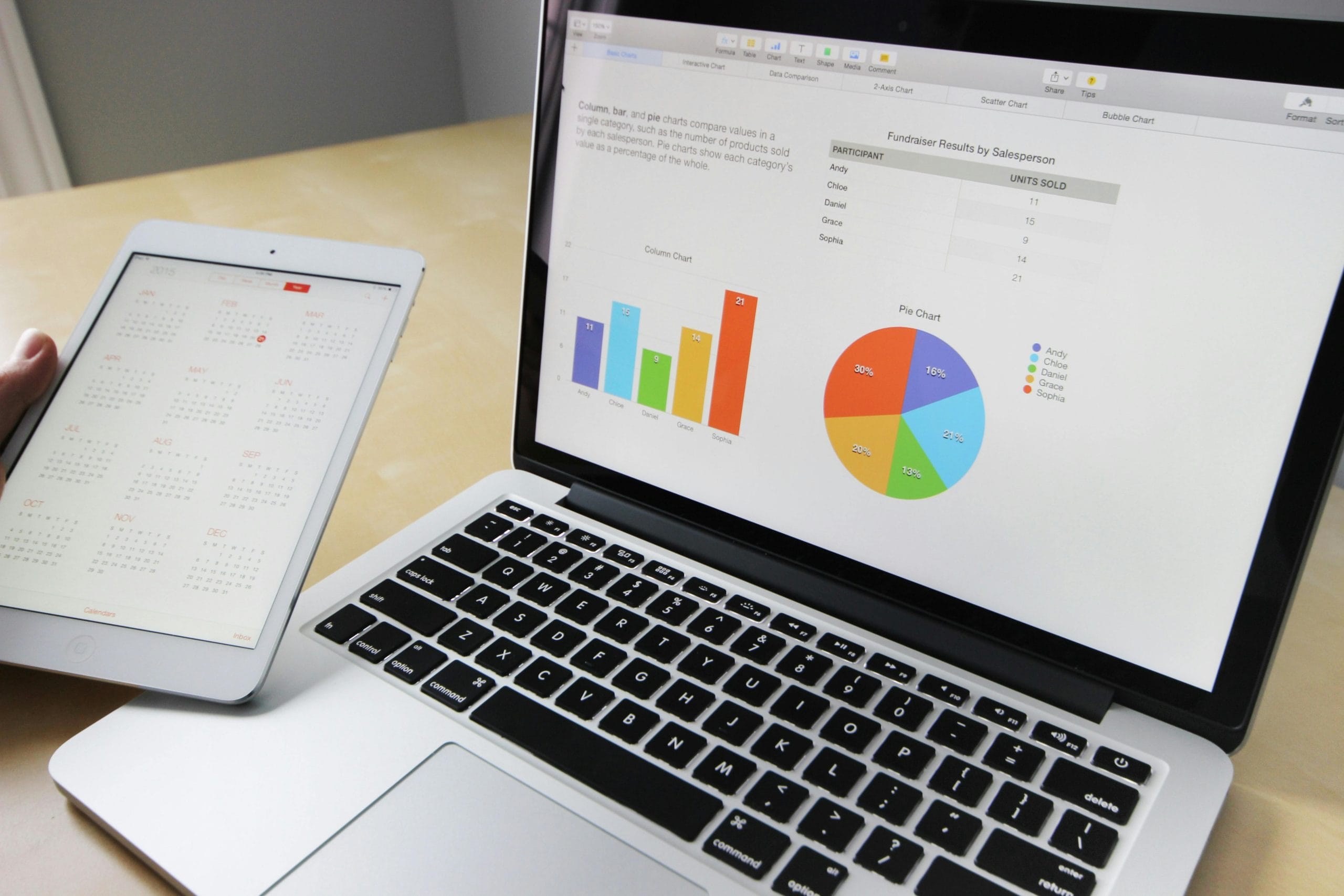
Square Footage Pricing
This model is ideal for large or straightforward projects where the scope is easy to measure.
Advantages:
- Simple and predictable: This method provides a straightforward cost structure based on the size of the area being scanned.
- Easy to compare: Pricing can be easily evaluated across multiple providers, helping you find competitive rates.
Disadvantages:
- Doesn’t account for complexity: A large but simple area may cost the same as a smaller, highly detailed space, leading to underestimation or extra charges.
- Limited for irregular shapes: Not ideal for projects with non-standard layouts or varying levels of detail.
Hourly Rates
This pricing works well for smaller or highly customized projects where time requirements may vary.
Advantages:
- Flexible and adaptable: Pricing reflects the actual time spent, making it suitable for evolving projects or ongoing adjustments.
- Transparent billing: You pay for precisely the time invested, ensuring clarity in charges.
Disadvantages:
- Unpredictable costs: If the project takes longer than expected, costs can escalate quickly.
- Potential inefficiency: Without a time cap, this model can result in extended project timelines and higher costs.
Fixed Project Rates
This approach is best suited for projects with clearly defined requirements and deadlines.
Advantages:
- Upfront clarity: A set price for the entire project provides predictability, helping you stick to your budget.
- Ideal for strict budgets: Eliminates surprises or unexpected additional fees.
Disadvantages:
- Higher initial quotes: Providers may include buffers to cover potential risks or uncertainties.
- Limited flexibility: Changes to the project scope after the quote is agreed upon may require renegotiation.
Custom Quotes
Custom quotes are perfect for complex sites, historic buildings, or projects that demand high levels of detail (e.g., LOD 400 or 500).
Advantages:
- Tailored pricing: Reflects the specific needs of your project, ensuring you only pay for what you need.
- Handles unique requirements: Ideal for specialized or challenging projects where standard pricing wouldn’t work.
Disadvantages:
- Time-consuming: Gathering and comparing multiple detailed quotes can delay the start of the project.
- Hard to compare: Custom pricing often varies significantly between providers, making it difficult to benchmark.
Hybrid Models
This model is suitable for projects with a mix of simple and complex elements.
Advantages:
- Accurate and balanced: Combines multiple factors, such as square footage and complexity, for a more precise cost estimate.
- Flexibility with predictability: Allows providers to accommodate both straightforward and intricate components in a single quote.
Disadvantages:
- Complex structure: The mix of pricing elements can make it harder to understand the final cost breakdown.
- Risk of unexpected add-ons: If not clearly outlined, this model may lead to additional charges for unforeseen complexities.
Tips for Optimizing Scan-to-BIM Costs
Managing Scan-to-BIM costs eff
ectively doesn’t mean compromising on quality. By taking a strategic approach, you can optimize expenses without sacrificing accuracy or results. Here are some practical tips:
Define Your Project Requirements Clearly
Be specific about the level of detail (LOD) you need and the areas to be scanned. Avoid unnecessary extras to keep costs under control.
Choose the Right Level of Detail (LOD)
Opt for the appropriate LOD based on the project’s purpose. For example, LOD 200 may suffice for basic planning, while LOD 400 or 500 is necessary for construction-level detail.
Bundle Services with the Same Provider
If you need additional services like facility management models or CAD drawings, bundling them with the same provider can often reduce overall costs.
Plan for Accessibility
Ensure the site is easily accessible to avoid delays or additional fees. If possible, remove obstacles or provide clear pathways for the scanning team.
Request Multiple Quotes
Compare prices from several reputable providers to find competitive rates. Be cautious of unusually low prices, as they may indicate compromised quality.
Leverage Technology
Work with providers using advanced equipment and efficient software. This can speed up the process and reduce labor costs while maintaining quality.
Collaborate and Communicate Clearly
Maintain open communication with the service provider to avoid misunderstandings or scope changes, which can lead to unexpected expenses.
Schedule Scans During Off-Peak Hours
If possible, arrange for scanning during less busy times to minimize disruptions and keep the workflow efficient.
Opt for Custom Quotes for Complex Projects
For unique or detailed projects, work with the provider to tailor a quote that reflects your exact needs, helping you avoid paying for unnecessary services.
Conclusion
Understanding the costs of Scan-to-BIM services is essential for making informed decisions and planning your project effectively. From project size and complexity to the level of detail and technology used, several factors influence the overall cost. By exploring different cost estimation models, such as square footage pricing or custom quotes, and optimizing expenses with clear planning and communication, you can balance quality with affordability.
Investing in Scan-to-BIM services ensures better accuracy, reduces errors, and improves project efficiency, making it a valuable tool for construction, renovations, and facility management. Whether you’re working on a small-scale project or a large, complex structure, taking the time to understand your needs and compare providers will help you get the best value for your investment.
Ultimately, Scan-to-BIM is more than just a cost, it’s an investment in precision and success for your project.
FAQ
1. What is Scan to BIM?
Scan to BIM (Building Information Modeling) is a process that involves capturing the physical environment of a building or structure using 3D laser scanning or photogrammetry. The captured data is then used to create a digital model that represents the building’s geometry and other information.
2. What factors influence the cost of Scan to BIM services?
The cost of Scan to BIM services is influenced by various factors, including the size and complexity of the building or site, as larger or more intricate structures require more time and effort to scan and model. The level of detail (LOD) required also plays a significant role, as higher levels of detail demand greater precision and modeling time. Additionally, the type of structure, such as residential, commercial, or industrial, affects the cost, as does the accuracy needed for the project. Other considerations include the scanning technology used, time constraints, accessibility of the site, and the project’s geographic location.
3. How much does Scan to BIM typically cost?
The cost of Scan to BIM services varies widely based on project size and complexity. For small residential properties, costs typically start around £1,000–£3,000. Medium-sized commercial buildings may range from £5,000–£15,000, while large-scale or highly complex industrial projects can exceed £20,000–£50,000. These are general estimates, and custom quotes are essential to understand the exact costs for specific project requirements.
4. Why is Level of Detail (LOD) important in determining the cost?
The LOD determines the amount of detail and information included in the BIM model. Higher LODs (e.g., LOD 400 or 500) require more time and effort to capture, process, and model, leading to higher costs. Lower LODs are quicker and less expensive but may not provide as much detail.
5. What is included in a Scan to BIM service?
A typical Scan to BIM service includes 3D scanning or photogrammetry of the physical site to capture its geometry and details. The captured data is processed into a point cloud, which forms the foundation for creating a digital BIM model. The model is developed to the specified Level of Detail (LOD) and can be delivered in various formats, such as Revit, IFC, or DWG, based on the client’s needs. Additional services may include documentation, quality control, and collaboration with project stakeholders.
6. How long does it take to complete a Scan to BIM project?
Project timelines vary depending on the size and complexity of the structure. Small projects may take 1–2 weeks, while large or intricate projects can take several weeks to a few months.
7. Are there ways to reduce Scan to BIM costs?
Reducing Scan to BIM costs can be achieved by clearly defining project requirements, such as specifying the exact areas to be scanned or the level of detail needed. Providing existing drawings or documentation can help streamline the modeling process, reducing time and expenses. Additionally, prioritizing critical areas for higher accuracy and selecting a local provider to minimize travel-related costs can also contribute to cost savings.

Our Case Studies
We have handled 200+ BIM & VDC projects for commercial, industrial, and residential sectors.
Our work includes:
Formwork design automation
Our client from
California, USA
Suspended ceiling design automation
Our client from
New York, USA
Wall framing design automation
Our client from
California, USA