Have any questions? Contact us!
Join our team!
Request a free quote or consultation

Clash Detection in BIM: Making Construction Projects Smarter
If you’ve ever worked on a construction project, you know how challenging it can be to keep everything running smoothly. With so many moving parts, architectural plans, structural designs, MEP systems it’s easy for things to clash, literally. That’s where clash detection in Building Information Modeling (BIM) comes in. It’s like having a digital crystal ball that spots problems before they happen, saving time, money, and a whole lot of headaches. Let’s break down what clash detection is and why it’s a game-changer for the construction world.
Powerkh and BIM Clash Detection

Powerkh is a UK-based company with offices in Ukraine and the USA, providing specialized clash detection services as part of our BIM coordination solutions. Our team uses tools like Autodesk Revit and Navisworks to identify and address conflicts in structural, architectural, and MEP systems, ensuring designs are ready for construction without costly on-site issues.
We focus on efficient off-site BIM coordination, delivering detailed reports and practical solutions to resolve clashes. By addressing design conflicts early, we help reduce rework, optimize workflows, and keep projects on schedule and within budget.
We have established a reliable presence in the industry, supporting construction and design teams across various sectors.
What is Clash Detection in BIM?
Clash detection in BIM (Building Information Modeling) is the process of identifying and resolving conflicts between different design elements within a construction project. These conflicts, or “clashes,” occur when elements from various disciplines such as architecture, structural engineering, and MEP systems interfere with each other in the same physical space. For example, a structural beam might be positioned where an HVAC duct is supposed to go. BIM software helps teams detect these issues early in design, allowing them to be resolved virtually before construction begins, reducing costly rework and delays.
Types of Clashes in BIM

In Building Information Modeling (BIM), clashes are conflicts that arise during the design and construction process, potentially leading to delays, cost overruns, or safety issues. These clashes are categorized into different types based on their nature and impact:
- Hard Clash: A physical conflict where two or more design elements occupy the same space. For example, a plumbing pipe intersecting with an electrical conduit.
- Soft Clash: A clearance conflict where a design element lacks sufficient space for safe or efficient operation, such as insufficient maintenance access around HVAC units or inadequate safety buffer zones.
- Workflow Clash (4D Clash): A scheduling conflict where tasks are not properly coordinated. For example, pouring concrete in a location where electrical conduits are scheduled to be installed at the same time, leading to project delays.
- Green Clash: A conflict related to sustainability, where design elements fail to meet energy efficiency or environmental standards, such as improper placement of energy systems that hinder overall building performance.
- Code Clash: A conflict where the design violates building codes or regulatory requirements, such as fire-rated walls being incorrectly placed in non-compliant locations.
Benefits of BIM Clash Detection
BIM clash detection offers a range of benefits that significantly improve the efficiency and quality of construction projects. By identifying and addressing potential conflicts early in the design process, teams can avoid costly delays and rework. Below are some of the key advantages of implementing BIM clash detection:
Time and Cost Savings
By identifying design conflicts early in the process, BIM clash detection helps prevent costly delays and rework during construction, ultimately saving both time and money. Teams can resolve issues before work begins on-site, reducing the risk of costly adjustments or material wastage.
Improved Project Coordination
Clash detection fosters collaboration across disciplines (architects, engineers, contractors) by ensuring that everyone is on the same page early in the design phase. This leads to better communication, smoother workflows, and quicker issue resolution.
Reduced Risk and Waste
Identifying clashes before construction starts minimizes the risk of errors and ensures that materials are used efficiently. By avoiding rework and changing orders, teams can reduce waste and stay on budget.
Enhanced Safety
BIM clash detection also contributes to jobsite safety by identifying potential hazards before construction begins. For example, preventing the placement of electrical wires too close to plumbing pipes helps avoid safety risks and accidents during construction and future maintenance.
Optimized Scheduling
By addressing workflow clashes (4D clashes) during the design phase, BIM clash detection ensures that tasks are properly sequenced, reducing the likelihood of delays and inefficiencies on-site. Accurate scheduling minimizes downtime and improves productivity throughout the project lifecycle.
Better Decision-Making
Early detection of design conflicts allows stakeholders to make informed decisions, whether it’s about adjusting the design, reallocating resources, or changing schedules. This proactive approach leads to higher-quality project outcomes and more efficient project management.
Top BIM Clash Detection Tools
To effectively manage and resolve clashes during the design and construction process, it’s crucial to use the right BIM clash detection tools. Below are some of the top tools that can help streamline clash detection and improve project coordination.
- Navisworks. Navisworks is a powerful tool for clash detection and project coordination. It helps detect hard and soft clashes. You can simulate construction sequences and integrate schedules and costs.
- Autodesk BIM Collaborate. BIM Collaborate is cloud-based for real-time collaboration. It supports model aggregation and issue management. Teams can detect and resolve clashes quickly during design.
- Solibri Model Checker. Solibri Model Checker focuses on rule-based clash detection. It checks for design errors and code compliance. The tool provides detailed reports for quick issue resolution.
- Tekla Structures. Tekla Structures integrates clash detection with structural design. It helps detect conflicts between MEP and structural systems. The tool is used throughout the design and construction phases.
- Revit (with BIM 360). Revit, with BIM 360, offers integrated clash detection. It allows real-time updates and quick coordination. Teams can detect clashes directly in the Revit environment.
- Revizto. Revizto is a BIM collaboration platform. It provides real-time clash detection and project coordination. The tool helps teams visualize and manage issues in 3D.
- Vico Office. Vico Office offers clash detection, scheduling, and cost management. It identifies both geometric and scheduling conflicts. This helps avoid delays and errors during construction.
BIM 360 Glue. BIM 360 Glue is a cloud-based tool for model aggregation. It enables real-time clash detection and seamless collaboration. Teams can access and resolve issues quickly.
Best Practices for Effective BIM Clash Detection
To get the most out of BIM clash detection, following best practices is essential. These practices ensure that the process runs smoothly, and potential issues are caught early, preventing costly delays. Here are some top tips for effective BIM clash detection:
Collaborate Early and Often
Involve all key stakeholders architects, engineers, contractors, and subcontractors early in the design process. Frequent collaboration ensures that all disciplines are aligned, reducing the likelihood of conflicts during later stages.
Set Clear Clash Detection Criteria
Define what constitutes a “clash” and set clear criteria for detection. This helps in identifying the most critical issues while filtering out minor problems that don’t require immediate attention.
Use Multiple Clash Detection Tests
Don’t rely on just one test to detect all clashes. Use a combination of hard, soft, and workflow clash tests to cover different aspects of the project. Each type of clash can affect the project in unique ways, so testing for all scenarios is crucial.
Regularly Update and Coordinate Models
Keep models up to date by performing clash detection regularly throughout the project lifecycle. As designs evolve and new information becomes available, the clash detection process should be repeated to capture any new conflicts.
Prioritize Clashes Based on Severity
Not all clashes are equal. Prioritize clashes by severity and potential impact on the project. Address critical issues first, especially those that could cause delays, cost overruns, or safety hazards.
Resolve Clashes in Real-Time
When clashes are detected, aim to resolve them as quickly as possible. Real-time collaboration tools can help project teams address issues without waiting for lengthy review meetings, speeding up the resolution process.
Leverage Advanced Tools and Software
Utilize advanced BIM clash detection software like Navisworks and Autodesk BIM Collaborate. These tools automate many tasks, helping to identify clashes more accurately and efficiently, and provide a shared platform for team collaboration.
Common Challenges in BIM Clash Detection
BIM clash detection can bring several challenges that impact the effectiveness of the process. Here are some key hurdles teams often face:
- Complexity of Models. Large and detailed models can overwhelm the detection process, making it hard to spot all clashes.
- Coordination Between Disciplines. Poor communication among architects, engineers, and contractors can lead to conflicts between models that are missed.
- False Positives and Negatives. Incorrectly flagged clashes or missed issues can delay projects and add costs.
- Limited Expertise or Training. Lack of proper training can lead to ineffective use of BIM tools and misinterpretation of results.
- Integration with Other Software. Incompatible systems or poor syncing between tools can create inefficiencies in clash detection.
- Time Constraints. Tight schedules may lead to rushed detection, causing missed or unresolved clashes.
Model Version Control. Using outdated models for clash detection can result in inaccurate findings.
Conclusion
BIM clash detection plays a critical role in modern construction by identifying and resolving design conflicts early in the project. This proactive approach not only saves time and reduces costs but also enhances collaboration and safety on-site. While there are challenges like managing complex models and ensuring proper coordination, the benefits far outweigh these obstacles.
By adopting best practices and using the right tools, construction teams can significantly improve project outcomes and deliver higher-quality buildings on time and within budget.
As BIM technology continues to evolve, the future of clash detection holds even greater potential for optimizing the construction process.
FAQ
1. What is clash detection in BIM?
Clash detection in Building Information Modeling (BIM) refers to the process of identifying and resolving conflicts or “clashes” that occur when different building elements or systems, such as structural, mechanical, electrical, or plumbing components, overlap or interfere with each other in the design phase.
2. Why is clash detection important?
Clash detection is essential to avoid costly errors during construction. By identifying and addressing conflicts early in the design process, project teams can save time, reduce rework, and improve project efficiency.
3. What types of clashes are detected in BIM?
Hard clashes occur when physical components, such as a pipe and a beam, occupy the same space. Soft clashes arise when components breach clearance requirements, such as zones for maintenance. Workflow clashes involve scheduling or sequencing issues, like installing one system before another is ready.
4. How is clash detection performed in BIM?
Clash detection is performed using specialized BIM software tools, such as Autodesk Navisworks, Solibri, or BIM 360. These tools analyze 3D models from various disciplines, compare them, and highlight areas of conflict.
5. What are the benefits of using BIM for clash detection?
BIM enhances collaboration among stakeholders, minimizes costly delays and on-site changes, improves construction planning, and results in higher project quality and client satisfaction.
6. What are the common challenges in clash detection?
Challenges include poorly coordinated or incomplete models, false positives from overly detailed modeling, and limited expertise in clash detection tools.
7. What are best practices for effective clash detection in BIM?
Best practices involve establishing modeling standards, conducting regular clash detection reviews, prioritizing critical clashes, and adopting a collaborative approach for resolving issues.
8. Who is responsible for clash detection in a BIM project?
Responsibility for clash detection typically lies with the BIM manager or coordinator. However, all design teams (architectural, structural, and MEP) are involved in providing accurate models and addressing identified clashes.

Our Case Studies
We have handled 200+ BIM & VDC projects for commercial, industrial, and residential sectors.
Our work includes:
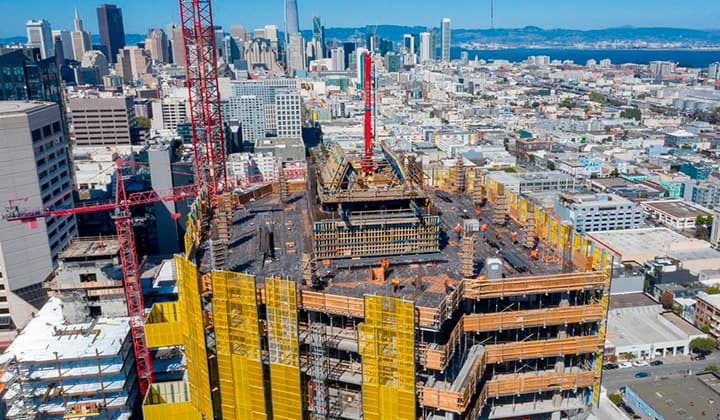
Formwork design automation
Our client from
California, USA
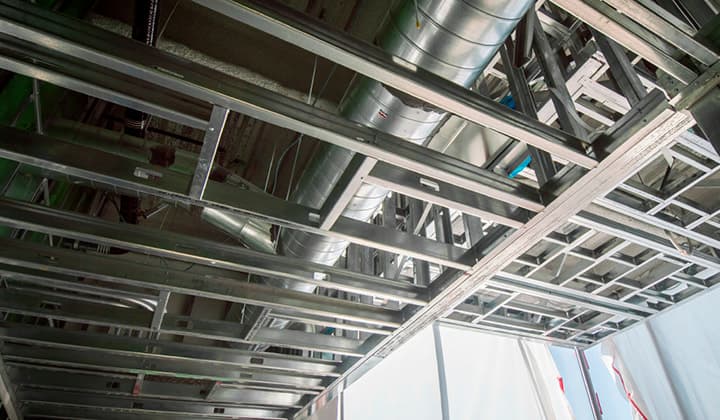
Suspended ceiling design automation
Our client from
New York, USA
Wall framing design automation
Our client from
California, USA