Have any questions? Contact us!
Join our team!
Request a free quote or consultation

Imagine you’re building a house, and instead of just sketching it on paper, you have a super-detailed 3D model that shows every beam, column, and foundation. That’s kind of what Structural BIM is all about. It’s a powerful tool that’s changing how buildings and infrastructure come to life, making the process smoother, smarter, and more collaborative. Let’s break it down in a way that makes sense, even if you’re not an engineer.
So, What Exactly is Structural BIM?
Structural BIM, or Building Information Modeling focused on structures, is like a digital blueprint for a building’s bones – the parts that hold it up, like walls, columns, beams, roofs, and foundations. It’s a way to create a highly detailed, 3D model that includes all the nitty-gritty details about these structural elements: their size, materials, how much weight they can handle, and even how they’ll behave under stress like wind or earthquakes.
Think of it as a virtual version of your building’s skeleton, where every piece is mapped out with precision. This model isn’t just a pretty picture – it’s packed with data that architects, engineers, and builders use to plan, design, and construct projects more effectively.
How Powerkh Makes Structural BIM Work for You

At Powerkh, we’re passionate about using Structural BIM to transform your construction projects into smoother, smarter, and more reliable builds. We start by diving deep into your project’s needs, creating detailed 3D models that map out every structural element – beams, columns, foundations, and more. Using advanced software, we ensure these models are built to handle real-world challenges, like heavy loads or seismic forces.
Our work doesn’t stop at modeling. We streamline repetitive tasks, like designing formwork or wall framing, with automation tools to save time while keeping quality top-notch. Powerkh’s coordination services, including clash detection, keep architects, engineers, and contractors on the same page, catching issues before they hit the construction site. Whether it’s crafting steel and rebar details or producing shop drawings for fabrication, we take care of the complex stuff so you can focus on your vision. From residential apartments to industrial complexes, Powerkh is by your side, offering ongoing support to keep your project on track and within budget.
Here’s what Powerkh brings to your Structural BIM projects:
- Precise 3D Modeling: Detailed models for accurate structural planning.
- Automation Tools: Streamlined processes to boost efficiency.
- Clash Detection: Early identification of design conflicts to prevent costly fixes.
- Fabrication Detailing: Shop drawings and designs for steel, rebar, and precast components.
How Does It Work?

Creating a Structural BIM model is like piecing together a complex, digital jigsaw puzzle that represents a building’s structural framework. It’s a meticulous process where designers, engineers, and other professionals collaborate to build a virtual model that’s both highly detailed and functional. Here’s a closer look at how it all comes together:
Inputting Detailed Design Data
The process starts with gathering and entering a wealth of information about the building’s design. Designers and engineers use specialized software to input precise details about every structural component. This includes the exact dimensions of elements like beams, columns, and foundations – down to the millimeter. They also specify the materials to be used, such as steel, reinforced concrete, or precast panels, each chosen for its strength, durability, or cost-effectiveness. Beyond that, they account for the forces the structure must withstand, like the weight of occupants, heavy snow, strong winds, or even seismic activity in earthquake-prone areas. This data forms the foundation of the model, ensuring it accurately reflects the real-world conditions the building will face.
Leveraging Specialized Software
To turn this data into a usable model, professionals rely on powerful software tools designed specifically for structural design and analysis. These programs allow users to create a 3D digital representation of the building’s structure, complete with all its components and their properties. The software doesn’t just draw a picture – it calculates how each element interacts with others, ensuring the design is structurally sound. For example, it can simulate how a beam will hold up under a specific load or how a column will respond to wind pressure. This step transforms raw data into a dynamic, interactive model that serves as a virtual prototype of the building’s skeleton.
Generating a Collaborative 3D Model
Once all the data is entered, the software generates a comprehensive 3D model that acts as a single source of truth for the entire project team. This model isn’t just a static image – it’s a data-rich environment that everyone, from architects to contractors, can access and interact with. Team members can zoom in to inspect specific components, rotate the model to view it from different angles, or even run simulations to test its performance. For instance, if an engineer spots a beam that might not support enough weight, they can adjust its size or material in the model and immediately see how the change affects the rest of the structure. This real-time feedback helps teams catch potential issues long before construction begins, saving time and money.
Enabling Team Coordination and Decision-Making
The beauty of a Structural BIM model lies in its ability to bring everyone together. Because it’s digital, the model can be shared across teams, whether they’re in the same office or halfway across the world. This shared access fosters collaboration, allowing architects, engineers, and builders to work in sync. For example, if a designer updates the model to reinforce a foundation, the contractor can instantly see the change and adjust their plans accordingly. The model also supports decision-making by providing clear visualizations and data-driven insights. Teams can use it to evaluate different design options, identify conflicts (like a beam intersecting with a duct), and make informed choices that keep the project on track.
Why is Structural BIM Such a Big Deal?
You might be wondering, “Why not just stick to traditional blueprints?” Great question! Structural BIM is a game-changer for a few key reasons:
- Fewer Mistakes: Because the model is so detailed, it’s easier to catch problems early – like if two structural elements clash or if a design won’t hold up. Fixing these issues in the model is way cheaper than fixing them on a construction site.
- Better Teamwork: The digital model can be shared with everyone – architects, engineers, contractors, and even clients. Everyone’s on the same page, which cuts down on miscommunication and keeps the project moving smoothly.
- Smarter Designs: Structural BIM lets teams test how a building will perform under different conditions, like earthquakes or heavy loads. This means they can create structures that are not only stronger but also more sustainable, using materials and designs that save energy or reduce waste.
- Saves Time and Money: By spotting issues early and streamlining collaboration, Structural BIM helps projects stay on schedule and within budget. Who doesn’t love that?
What Tools Are Used for Structural BIM?
Creating a Structural BIM model is like building a digital version of a building’s skeleton, and that takes some pretty specialized tools. These aren’t your average drawing apps – they’re powerful software programs designed specifically for structural design, modeling, and analysis. They help professionals turn raw data into detailed 3D models that are both visually impressive and packed with information. Let’s dive into what makes these tools so essential and how they’re used.
Crafting Detailed 3D Models
The heart of Structural BIM is the 3D model, and that starts with software built for building design and drafting. These programs let designers and engineers input precise details about structural components – like the size of a steel beam or the thickness of a concrete wall – and create a digital representation that’s accurate down to the smallest detail. They’re user-friendly enough for creating complex structures, from skyscrapers to bridges, while also supporting collaboration by allowing multiple team members to work on the same model. The result is a visual model that shows exactly how every piece fits together, making it easier to spot potential issues before construction begins.
Running Structural Analysis and Simulations
Beyond just drawing, Structural BIM tools include programs that analyze how a building will hold up under real-world conditions. These analysis tools are like a virtual stress-test for your structure. Engineers can input data about forces – like wind, earthquakes, or the weight of heavy equipment – and the software calculates how the building’s components will respond. For example, it can determine if a column can support a certain load or if a foundation needs reinforcement to handle seismic activity. This capability helps teams design structures that are not only safe but also optimized for efficiency, reducing material waste and costs.
Checking for Errors with Validation Tools
Nobody wants a model with mistakes, and that’s where validation tools come in. These features, often built into Structural BIM software, act like a quality control checkpoint. They can detect errors or conflicts in the model, such as two structural elements that accidentally overlap (known as a “clash”) or a beam that doesn’t meet design specifications. Some tools even run automated checks to ensure the model complies with building codes or project requirements. By catching these issues early, teams can fix them in the digital model, avoiding costly rework during construction.
Integrating Data for Collaboration
Structural BIM tools don’t just create models – they also manage the data behind them. Many programs are designed to integrate all the information about a building’s structure, from material types to load capacities, into a single, shareable model. This makes it easier for architects, engineers, and contractors to stay on the same page. Some tools even support cloud-based collaboration, so team members can access and update the model in real time, no matter where they are. This data-rich approach ensures everyone has the information they need to make smart decisions, keeping the project on track.
Real-World Impact of Structural BIM
Picture a skyscraper going up in a busy city. Without Structural BIM, coordinating all the pieces – steel beams, concrete foundations, and more – could be a nightmare. But with a Structural BIM model, the team can see exactly how everything fits together, test the design for safety, and make sure the construction process runs like clockwork. It’s not just for skyscrapers, though – Structural BIM is used for everything from bridges to schools to hospitals, making all kinds of projects more efficient and reliable.
Why Should You Care?
Even if you’re not in construction, Structural BIM matters because it’s shaping the world around you. The buildings you live in, work in, or visit are safer, greener, and more cost-effective thanks to this technology. Plus, it’s paving the way for a future where construction is less wasteful and more innovative.
So, next time you hear about Structural BIM, you’ll know it’s not just tech jargon – it’s a tool that’s helping build a better, stronger world, one model at a time.
Wrapping It Up
Structural BIM is more than just a fancy tech term – it’s a game-changer that’s making buildings safer, greener, and easier to construct. By creating detailed digital models of a structure’s core components, it helps teams work together, catch problems early, and design with precision. Whether it’s a towering skyscraper or a local school, Structural BIM is quietly shaping the world around us, ensuring the places we live, work, and play are built to last. So, the next time you step into a building, you can bet this technology played a role in bringing it to life.
Frequently Asked Questions
1. What’s the difference between Structural BIM and regular BIM?
Regular BIM covers all aspects of a building, like architecture, plumbing, and electrical systems. Structural BIM zooms in on just the building’s framework – think beams, columns, and foundations. It’s a specialized piece of the BIM puzzle, focusing on what keeps the structure standing strong.
2. Do you need to be an engineer to use Structural BIM?
Not necessarily! While engineers and designers often lead the charge, many roles – like architects, contractors, or even project managers – use Structural BIM models to collaborate and make decisions. The software can be complex, but training and teamwork make it accessible to anyone involved in a project.
3. How does Structural BIM improve sustainability?
Structural BIM lets teams test designs to optimize material use and energy efficiency. For example, it can help choose materials with lower environmental impact or design a building to maximize natural light, reducing energy costs over time. It’s all about building smarter for the planet.
4. Can Structural BIM be used for small projects, like homes?
Absolutely! While it’s a go-to for big projects like bridges or high-rises, Structural BIM is also super helpful for smaller builds, like houses or community centers. It ensures even modest projects are well-planned, cost-effective, and built to last.
5. What happens if a Structural BIM model has errors?
That’s where validation tools shine. Most BIM software includes features like clash detection to spot errors, like overlapping beams or weak components. Teams can fix these issues in the digital model before construction starts, saving time and avoiding pricey mistakes on-site.
Our Case Studies
We have handled 200+ BIM & VDC projects for commercial, industrial, and residential sectors.
Our work includes:
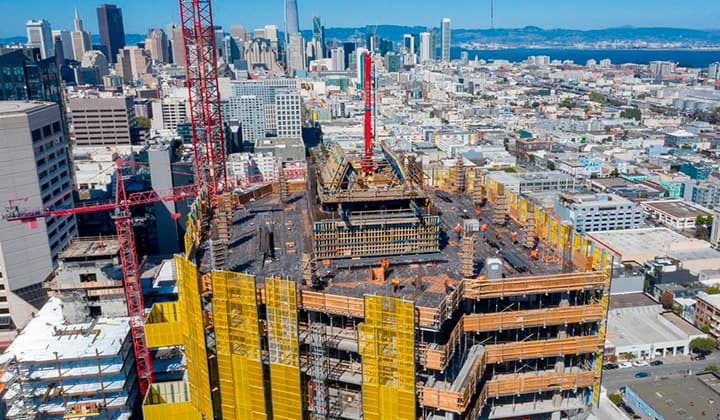
Formwork design automation
Our client from
California, USA
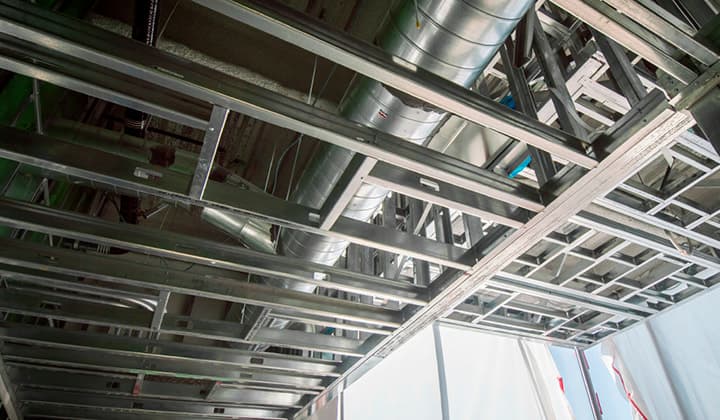
Suspended ceiling design automation
Our client from
New York, USA
Wall framing design automation
Our client from
California, USA