Have any questions? Contact us!
Join our team!
Request a free quote or consultation

Imagine you’re planning to build your dream house, or maybe a sleek new office building. You’ve got ideas swirling in your head, but how do you turn those visions into a real, functional structure? That’s where Revit modeling comes in – a tool that’s like a superpower for architects, engineers, and builders. If you’re new to this, don’t worry. Let’s break it down in a way that feels like a chat over coffee.
A Simple Explanation of What Revit Modeling Is
Ever wondered how architects and engineers turn their big ideas into real buildings without losing track of every tiny detail? That’s where Revit modeling steps in. Revit is a powerful software created by Autodesk, designed to make building design smarter and easier. It’s part of something called Building Information Modeling (BIM), which is just a fancy way of saying it helps you create a digital version of a building that’s packed with useful info.
Think of Revit as a super-organized notebook for your project. You can build a 3D model of a house, office, or even a bridge, adding everything from walls and windows to plumbing and electrical systems. But it’s not just about looks – Revit keeps track of measurements, materials, and even how the building will hold up over time. If you change one part, like moving a door, the software updates everything else, like floor plans or cost estimates, so you’re always on the same page.
Revit is a game-changer for architects, engineers, and builders because it lets them design, plan, and manage projects all in one place. Whether you’re sketching the first idea or figuring out maintenance years later, Revit makes the process smoother and less stressful. It’s like having a virtual construction site where you can test ideas before picking up a single hammer.
Why Choose Powerkh for Your Revit Modeling Needs

At Powerkh, we’re dedicated to revolutionizing your design and construction process with our expert Building Information Modeling (BIM) and Virtual Design and Construction (VDC) services. As a trusted digital design consultancy operating in the UK, USA, and Ukraine, we bring extensive experience and a strong portfolio of successful projects to every client. Our goal is to empower architects, engineers, contractors, and designers across the US, UK, and Europe to create efficient, high-quality projects using Revit modeling and advanced BIM solutions.
We know transitioning from traditional 2D drawings to intricate 3D models can feel overwhelming. That’s where we shine, offering a full suite of Revit-based services customized to your project’s needs, whether it’s a cozy residential space or a complex industrial facility. Our offerings include precise 3D BIM modeling, clash detection, automation, and detailed shop drawings to streamline workflows and minimize errors.
From BIM coordination and scan-to-BIM conversion to automation scripting with tools like Dynamo, we deliver innovative solutions that accelerate processes and enhance productivity. Our case studies highlight how we help teams save time and reduce costs. We partner with you to define project goals, provide timely results, and offer ongoing support to bring your vision to reality without stretching your budget. Ready to transform your project? Visit our website to explore how our Revit modeling expertise can elevate your work.
Key Uses of Revit in Architecture, Engineering, and Construction

Revit isn’t just a one-trick pony – it’s a tool that professionals across the AEC (Architecture, Engineering, and Construction) industry rely on to bring projects to life. From designing stunning buildings to making sure every pipe fits perfectly, Revit has a role in almost every step of the process. Here’s how it’s used in different fields.
Architectural Design
Architects love Revit because it lets them create detailed 3D models that show exactly what a building will look like, inside and out. They can:
- Design layouts, add doors, windows, and furniture, and see it all in 3D.
- Generate floor plans, elevations, and schedules with a few clicks.
- Create photorealistic renderings to wow clients or virtual walkthroughs to explore the design.
Structural Engineering
For structural engineers, Revit is like a trusty calculator and sketchpad combined. It helps them:
- Model beams, columns, and foundations, then test how they’ll handle stress or earthquakes.
- Create detailed reinforcement plans, like rebar schedules, for construction.
- Export designs to analysis tools to ensure the building is safe and up to code.
MEP Engineering and Construction
MEP (mechanical, electrical, and plumbing) engineers and contractors use Revit to make sure all the building’s systems work together. They can:
- Design HVAC, electrical, and plumbing systems that fit perfectly with the building’s structure.
- Spot potential issues, like a pipe running into a beam, before construction starts.
- Plan construction sequences and coordinate with architects and engineers using shared models, often through Autodesk Construction Cloud.
Top Benefits of Revit Modeling for AEC Professionals
Revit modeling isn’t just about making cool 3D designs – it’s a tool that saves time, cuts costs, and makes projects run smoother. Whether you’re an architect, engineer, or contractor, here are the biggest reasons Revit is worth your time:
- Saves Time with Smart Updates: Change one part of the model, like a wall’s size, and Revit automatically updates floor plans, schedules, and cost estimates. No more redrawing everything by hand.
- Boosts Teamwork: Revit’s cloud-based tools let multiple people work on the same model at once, so everyone’s on the same page. It’s perfect for avoiding miscommunication between architects, engineers, and builders.
- Catches Problems Early: With clash detection, Revit spots issues like overlapping systems (think plumbing vs. electrical) before they become expensive fixes on the construction site.
- Creates Stunning Visuals: Impress clients with photorealistic renderings, 3D walkthroughs, or even virtual reality views that show exactly what the project will look like.
- Supports Green Building: Revit’s analysis tools help you check energy use, daylight, and thermal performance, making it easier to design eco-friendly buildings that save money and the planet.
- Streamlines Project Management: From material takeoffs to scheduling, Revit keeps track of costs and timelines, helping you stay on budget and on time.
How Revit Modeling Works: Core Features Explained
Revit modeling is like having a brilliant assistant who never misses a detail, helping you design buildings with precision and ease. Developed by Autodesk, Revit is a Building Information Modeling (BIM) software that empowers architects, engineers, contractors, and designers to create highly detailed 3D models packed with critical project data. It’s not just about drawing pretty buildings – it’s about creating a digital blueprint that evolves with your project, from the first sketch to construction and even maintenance years later. So, what powers this game-changing tool? Let’s dive into the core features that make Revit a must-have for AEC (Architecture, Engineering, and Construction) professionals in 2025, showing how it transforms ideas into reality.
Parametric Modeling
Revit’s standout feature is its parametric modeling, which connects every element of your design like a web. Imagine you decide to move a window two feet to the left. In traditional design software, you’d need to manually update the walls, floor plans, and schedules – a tedious and error-prone process. With Revit, that change ripples through the entire model automatically, adjusting related components and documentation in real time. This ensures your design stays consistent, saves hours of rework, and lets you experiment with ideas without fear of breaking the model. It’s a time-saver that keeps your project on track and stress-free.
Family Creation
Revit’s family creation feature is like having a custom workshop for your designs. Families are reusable components – think doors, windows, furniture, structural beams, or even light fixtures – that you can tailor to your needs. You can use Revit’s built-in library or create your own families to match specific project requirements, such as a unique window style for a historic renovation. Once created, these families can be saved and reused across multiple projects, making your workflow faster and more efficient. It’s like building a personalized toolkit that grows with your expertise, giving you flexibility and control over every detail.
Collaboration Tools
In today’s fast-paced AEC industry, teamwork is everything, and Revit’s collaboration tools make it a breeze. Through cloud-based worksharing, multiple team members – whether architects in Los Angeles, engineers in Chicago, or contractors on-site – can work on the same model simultaneously. Changes are updated in real time, so everyone’s always on the same page, reducing miscommunication and costly mistakes. Revit integrates with platforms like Autodesk Construction Cloud, allowing seamless coordination across disciplines. For example, if an engineer modifies a structural column, the architect sees it instantly, ensuring designs stay aligned. This feature fosters a unified workflow, making complex projects feel manageable.
Visualization Power
Want to wow your clients or get a clearer picture of your design? Revit’s visualization tools are a game-changer. You can create photorealistic renderings that show exactly how a building will look, from the texture of brick walls to the play of sunlight through windows. Beyond static images, Revit lets you generate 3D walkthroughs, so clients can virtually “walk” through a space before construction begins. For an even more immersive experience, you can use third-party tools like Enscape or Twinmotion to export Revit models to virtual reality platforms, enabling stakeholders to explore every corner in detail. These visuals not only impress clients but also help you spot design flaws early, ensuring the final project matches your vision.
Accurate Calculations
Precision is critical in AEC, and Revit’s calculation tools act like a built-in quality checker. The software handles complex geometric calculations and measurements with pinpoint accuracy, minimizing errors that could derail a project. For instance, when designing a plumbing system, Revit ensures pipes align perfectly with other systems, avoiding clashes. It also generates precise material takeoffs and cost estimates, so you know exactly what’s needed before construction starts. This accuracy builds confidence in your design, reduces waste, and helps keep projects on budget and on schedule.
These core features – parametric modeling, family creation, collaboration, visualization, and accurate calculations – make Revit far more than a design tool. It’s a comprehensive platform that streamlines workflows, boosts creativity, and ensures every project is built on a solid foundation of data and teamwork. Whether you’re designing a skyscraper or a cozy home, Revit helps you bring your vision to life with confidence.
Best Practices for Effective Revit Modeling
Revit is powerful, but to get the most out of it, you need to work smart. These best practices will help you create clean, efficient models and keep your projects running smoothly, whether you’re working solo or with a big team.
- Set Clear Standards: Use project templates with predefined settings, like family types and naming rules, to keep things consistent. This is a lifesaver when multiple people are on the same model.
- Keep Models Clean: Regularly audit your model to delete unused families or fix warnings. Compress files to make them load faster, especially for large projects.
- Use Clash Detection: Revit’s tools can spot conflicts, like a pipe hitting a beam, before construction starts. Run these checks often to avoid costly fixes later.
- Stay Organized with Documentation: Keep schedules, views, and sheets updated with clear names. Use Revit’s revision tools to track changes, so everyone knows what’s current.
- Stay Current with Updates: Revit gets new features often, especially in 2025. Check for updates, read release notes, or join webinars to stay ahead of the curve.
By following these tips, you’ll save time, reduce errors, and make your Revit models shine, no matter the project size.
Conclusion
Revit modeling is a cornerstone of modern architecture, engineering, and construction (AEC), redefining how professionals bring projects to fruition. From architects crafting visionary designs to engineers ensuring structural integrity and contractors streamlining operations, Revit empowers every team member with precision and efficiency. Its intelligent 3D modeling, seamless real-time collaboration, and stunning visualization capabilities make it an indispensable tool for projects of any scale, anywhere in the world. By partnering with expert BIM providers like Powerkh, you can elevate your Revit workflows with customized solutions tailored to your needs. Embrace Revit today, and discover how it transforms your creative vision into reality with unmatched clarity and control.
Frequently Asked Questions
What is Revit modeling, and how is it different from regular CAD software?
Revit modeling is a way to create 3D building designs using Building Information Modeling (BIM) software by Autodesk. Unlike regular CAD software, which mainly focuses on 2D or 3D drawings, Revit builds a smart model packed with data like measurements, materials, and costs. If you change one part, like a door, everything else – floor plans, schedules, even budgets – updates automatically. It’s like having a living blueprint that keeps everyone on the same page.
Do I need to be a tech expert to use Revit?
Not at all! Revit can seem tricky at first, but it’s designed to be user-friendly once you get the hang of it. Beginners can start with simple projects, like adding walls and windows, using Revit’s drag-and-drop tools. There are tons of tutorials and courses, like those from Novatr, to guide you. If you’re comfortable with basic computer skills, you can learn Revit with some practice and patience.
Can Revit help with small projects, or is it just for big buildings?
Revit’s perfect for projects of all sizes! Whether you’re designing a small house, renovating an office, or building a massive complex, Revit’s tools adapt to your needs. For small projects, it helps you create detailed models and plans quickly. For bigger ones, it keeps teams coordinated and catches issues early. Its flexibility makes it a go-to for any AEC job.
How does Revit modeling save time and money on projects?
Revit saves time by automating updates across your design – change a wall, and your plans and schedules adjust instantly, no manual redrawing needed. It also catches problems, like clashing pipes and beams, before construction starts, avoiding costly fixes. Plus, its material takeoffs and cost estimates help you stay on budget. By streamlining teamwork and reducing errors, Revit keeps projects moving fast and saves cash in the long run.
Our Case Studies
We have handled 200+ BIM & VDC projects for commercial, industrial, and residential sectors.
Our work includes:
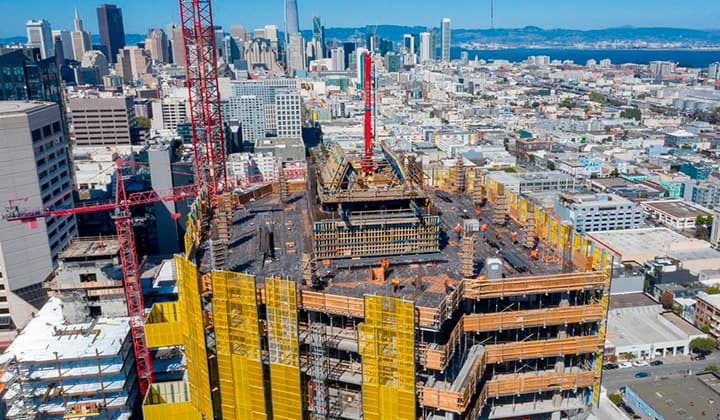
Formwork design automation
Our client from
California, USA
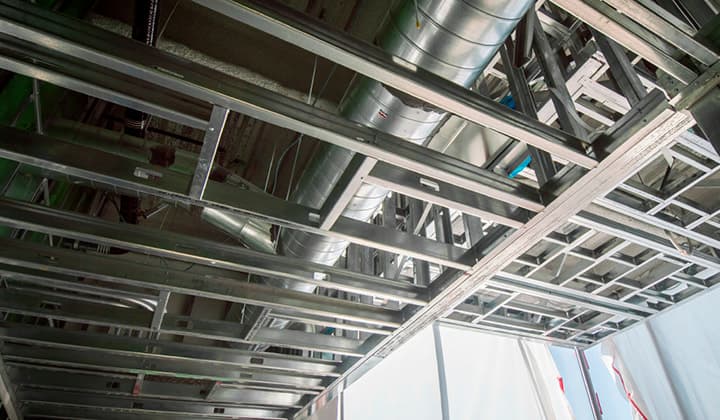
Suspended ceiling design automation
Our client from
New York, USA
Wall framing design automation
Our client from
California, USA