Have any questions? Contact us!
Join our team!
Request a free quote or consultation

Building Information Modeling (BIM) is revolutionizing the construction industry by providing a more efficient, collaborative, and data-driven approach to project management. In this article, we will explore what BIM design is, how it works, the benefits it offers, and how it compares to traditional design methods. We’ll also dive into the future of BIM and the key software tools that make its implementation successful. Whether you’re new to the topic or looking to deepen your understanding, this guide will cover everything you need to know about BIM design.
Exploring BIM Design: What Is It?
Building Information Modeling (BIM) design is a modern approach to planning, designing, and managing construction projects. It uses 3D digital models that go beyond just showing the structure of a building. These models integrate data on materials, costs, schedules, and other key details throughout the project lifecycle. In other words, BIM isn’t just a visual tool; it’s a comprehensive system that includes all the information needed to construct and manage a building efficiently.
BIM allows various project teams – architects, engineers, contractors, and owners – to collaborate more effectively. By using a shared model, everyone can access up-to-date information, which minimizes misunderstandings and errors. This approach not only helps in the construction phase but also in the maintenance and operation of the building after completion.
How BIM Design Works: The Centralized Model Approach

BIM design works through the creation of a central digital model that holds all the information related to the project. Here’s how it functions:
Individual Models for Each Discipline
Each team—whether it’s architectural, structural, or MEP (mechanical, electrical, plumbing)—creates its own 3D model of the specific parts of the building.
Central Coordination Model
These individual models are then integrated into a single, centralized model. This allows all team members to see how their work interacts with the work of others.
Data-Rich Models
Each component in the model is more than just a geometric shape. For example, a wall in the model doesn’t just show its dimensions, but also its material, cost, energy performance, and other relevant data.
Real-Time Collaboration
Because everyone is working with the same, up-to-date model, changes made by one team are immediately visible to all others, improving communication and reducing errors.
This process ensures that all information is transparent and coordinated, leading to a smoother workflow throughout the design, construction, and maintenance stages.
Powerkh's BIM Design Services: Transforming Your Project from Concept to Completion

We at Powerkh are a UK-based company with offices in Ukraine and the USA. We provide BIM design services for residential, commercial, and industrial projects. Our team helps translate 2D plans into 3D models that are used for planning, coordination, and documentation throughout construction.
In our company, BIM design includes creating models in Revit with different levels of development (LOD 100 to 500), preparing shop drawings, and handling clash detection. We also offer scan to BIM from point clouds, Revit content creation, automation through scripting tools, and modeling for prefabrication and fabrication. Our work covers architectural and structural elements from early design to manufacturing.
We work with architects, engineers, contractors, and surveyors. Each project starts with a defined scope and timeline. We deliver the models, make adjustments if needed, and keep the process clear and straightforward from start to finish.
Key Highlights:
- UK-based company with offices in Ukraine and the USA
- Focus on BIM design for residential, commercial, and industrial projects
- Converts 2D drawings into 3D models with LOD 100–500
- Uses tools like Revit, Dynamo, Solibri, Tekla, and SYNCHRO Pro
- Supports both architectural and structural modeling
- Provides models and drawings for planning, coordination, and fabrication
- Works with architects, engineers, contractors, and surveyors
Services:
- BIM design and modeling
- Scan to BIM
- 2D to 3D model conversion
- Revit family creation and content management
- Prefabrication and fabrication modeling
- Structural detailing
- Clash detection and model coordination
- Workflow automation and Revit scripting
Benefits of BIM Design: Efficiency, Accuracy, and Collaboration
BIM design offers several key benefits that significantly enhance the efficiency and accuracy of construction projects:
- Improved Efficiency: With all data in one place, teams spend less time searching for information or correcting mistakes, which helps speed up the project.
- Better Accuracy: The 3D model and data integration reduce the chances of errors or conflicts between different parts of the building.
- Enhanced Collaboration: BIM fosters a collaborative environment, as everyone can access the most up-to-date model, leading to better decision-making and fewer misunderstandings.
- Cost Savings: By identifying issues early in the design phase, BIM helps prevent expensive changes during construction.
- Time Savings: Streamlined workflows and automated processes save time in both the design and construction phases, allowing projects to be completed faster.
By providing all project participants with a clear and detailed view of the project, BIM design improves the overall quality of the build and reduces delays and additional costs.
BIM Design vs. Traditional Design: Key Differences

As the construction industry evolves, the shift from traditional design methods to modern Building Information Modeling (BIM) is becoming more apparent. While both approaches aim to create functional and efficient buildings, they differ significantly in how they manage data, foster collaboration, and handle project updates. Understanding these differences is essential for professionals looking to adopt the most effective practices for their projects. In this section, we’ll compare BIM design to traditional design to highlight their key differences and the advantages BIM brings to the table.
BIM Design
BIM is a comprehensive, data-driven approach that uses 3D models to manage and share information throughout the entire project lifecycle. It integrates all project data into one central model, which allows for real-time updates and collaboration. BIM also supports simulations and analysis, such as energy usage or material efficiency, early in the design phase.
Traditional Design
Traditional design, on the other hand, relies on 2D drawings and documents. Each team works with separate files that may not always be updated or coordinated. Collaboration can be slower, as teams often work with outdated or incomplete information. Changes to the design may require extensive revisions and can lead to costly delays or mistakes.
Key Differences:
- Collaboration: BIM promotes real-time collaboration, while traditional design often involves siloed work.
- Data Integration: BIM integrates data across disciplines, whereas traditional design is more document-based.
- Error Detection: BIM helps identify issues early through simulations, while traditional design often relies on physical inspections during construction.
By embracing BIM, teams can reduce the risk of errors, improve efficiency, and ensure a smoother overall workflow compared to the more fragmented and error-prone traditional design process.
The Future of BIM Design: Why It’s Becoming a Standard
The use of BIM design is rapidly becoming the industry standard, particularly for large-scale public and private projects. As governments and clients increasingly mandate BIM, its adoption is no longer optional for companies aiming to stay competitive in the construction industry.
BIM offers long-term benefits that extend far beyond the construction phase. The central model can be used for facility management, maintenance, and even the eventual demolition of the building. This comprehensive approach ensures that buildings are not only built efficiently but are also easier to manage throughout their lifecycle.
Furthermore, as technology continues to evolve, BIM is expected to become even more advanced, incorporating features like artificial intelligence, machine learning, and automation to improve decision-making and streamline workflows. The future of BIM will likely involve more widespread adoption of cloud-based platforms, making collaboration and data sharing even easier.
Choosing the Right BIM Software: Tools for Successful Implementation
When implementing BIM design in a company, choosing the right software is essential. Here are some factors to consider:
- Interdisciplinary Collaboration: Choose software that supports openBIM, enabling seamless collaboration across various disciplines using different tools.
- Ease of Use: The software should be intuitive and easy for your team to learn and use, reducing the training time required.
- Integration with Other Tools: Ensure the software can integrate with other systems, such as project management or cost estimation tools.
- Cloud-Based Solutions: Consider cloud-based BIM tools that allow for real-time collaboration and easy access to project data from anywhere.
- Support and Training: Opt for software that offers solid customer support and training resources to help your team during the implementation phase.
By selecting the right BIM software, companies can ensure that they are equipped to handle the demands of modern construction projects and maintain a competitive edge in the industry.
Conclusion
BIM design is transforming the construction industry by offering a more efficient, accurate, and collaborative approach to building projects. By using detailed 3D models and integrating data from various disciplines, BIM allows teams to work together seamlessly, minimizing errors and reducing costs. Its ability to manage the entire project lifecycle – from design to construction to operation – makes it a vital tool for modern construction practices. As BIM continues to evolve, its widespread adoption will undoubtedly shape the future of architecture, engineering, and construction, offering even more advanced features and improved workflows.
FAQ
What makes BIM design different from traditional design?
BIM design goes beyond traditional 2D drawings by using 3D models that integrate detailed information about materials, costs, schedules, and more. This data-rich approach allows for better collaboration, real-time updates, and more accurate decision-making throughout the project lifecycle, while traditional design is typically fragmented and reliant on separate documents and files.
Why is BIM important for construction projects?
BIM streamlines the design and construction process by providing a single, centralized model that all project participants can access. This reduces errors, prevents costly rework, and allows for better planning and coordination. Additionally, BIM can be used for simulations to optimize energy use and maintenance costs, resulting in long-term savings for the building’s operation.
How does BIM improve collaboration among project teams?
BIM fosters collaboration by providing a shared, up-to-date model that everyone can work from. Whether you’re an architect, engineer, contractor, or owner, all parties have access to the same information in real time. This transparency helps to eliminate misunderstandings, avoid errors, and keeps everyone aligned with the project’s goals.
What software is used for BIM design?
Common BIM software includes tools like Autodesk Revit, Tekla Structures, Allplan, and Solibri. These programs help create, manage, and coordinate the 3D models and related data, ensuring that all aspects of the project are covered, from design through to construction and beyond.
Can BIM be used for projects beyond buildings?
Yes, BIM is not limited to buildings. It can be applied to any infrastructure project, such as bridges, roads, tunnels, and dams. The versatility of BIM makes it a powerful tool for any project that involves complex design and construction tasks, helping to optimize resources and improve project outcomes.
What are the long-term benefits of using BIM?
Beyond the construction phase, BIM continues to provide value by helping with building maintenance, renovations, and even demolition. The centralized data model can be used throughout the building’s lifecycle for facility management, improving efficiency and reducing costs related to operations and maintenance.
Our Case Studies
We have handled 200+ BIM & VDC projects for commercial, industrial, and residential sectors.
Our work includes:
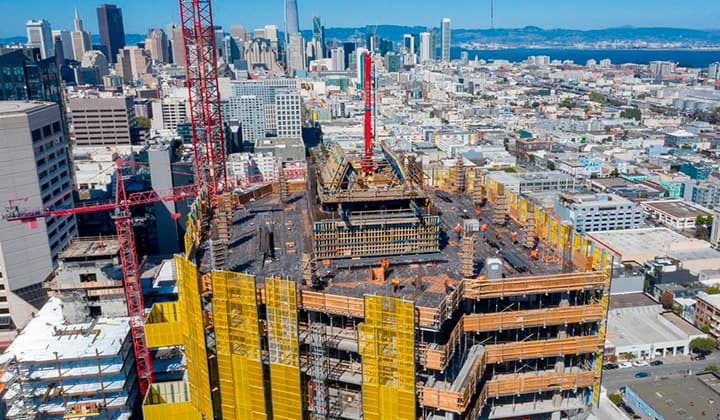
Formwork design automation
Our client from
California, USA
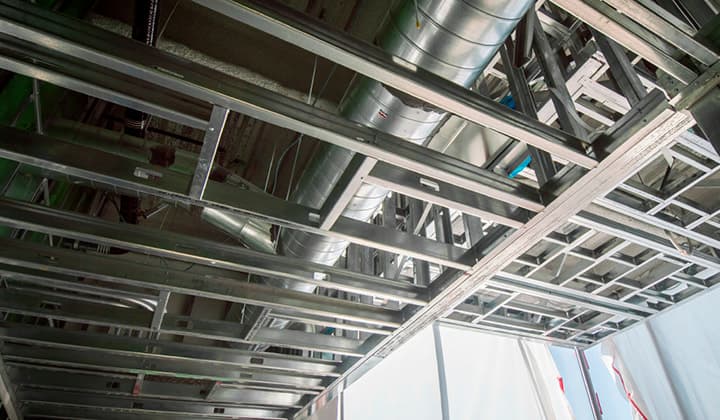
Suspended ceiling design automation
Our client from
New York, USA
Wall framing design automation
Our client from
California, USA