Have any questions? Contact us!
Join our team!
Request a free quote or consultation

BIM (Building Information Modeling) services can range from a few thousand to tens of thousands of dollars depending on the project’s size, complexity, and modeling requirements. Whether you’re working on a small residential building or a large infrastructure project, the cost of BIM is shaped by several variables from the level of detail and coordination tasks to the number of disciplines involved. Understanding these elements can help you better plan budgets, evaluate quotes, and choose the right service provider.
Why BIM Pricing Isn’t One-Size-Fits-All
When companies start exploring Building Information Modeling (BIM) services, one of the first questions that comes up is cost but the answer is rarely simple. Unlike traditional design or drafting services, BIM involves multiple layers of technology, coordination, and expertise. That means the price can vary widely depending on what exactly is being modeled, who’s doing the work, and how the information will be used later in the project.
Some BIM projects may involve just a basic 3D model to visualize a structure, while others require highly detailed, data-rich models that support clash detection, scheduling, facilities management, and integration with other software systems. Add to that the variation in software tools, team structures, and delivery methods, and you quickly see why asking “how much does BIM cost?” is more about understanding the scope and strategy than getting a flat rate.
Powerkh: Driving Efficiency and Precision Through BIM Services

Powerkh is a UK-based company providing comprehensive Building Information Modeling (BIM) services, focused on enhancing the design, planning, and construction phases of building and infrastructure projects. With offices in the UK, Ukraine, and the USA, we leverage our global presence to offer tailored BIM solutions that foster seamless collaboration across international teams. Our services include 3D modeling, clash detection, and data integration, all aimed at ensuring projects are completed with precision, efficiency, and minimal risk.
At Powerkh, we are committed to driving digital transformation within the construction industry. Our BIM solutions help clients streamline workflows, improve project outcomes, and enhance decision-making. By ensuring that all project data is up-to-date and easily accessible, we enable project teams to work more collaboratively and avoid costly errors throughout the project lifecycle.
With a focus on meeting diverse client needs across different regions, we are equipped to reduce delays, manage costs, and ensure successful project completion, no matter the scale or location.
What Affects the Cost of BIM Services?

The cost of BIM services depends on a range of technical and project-related factors. From the type of project to the level of detail required, each element plays a role in shaping the final price. Below are the key variables that typically influence BIM costs.
Project Size and Complexity
Larger and more complex projects require more time, resources, and coordination. A small residential home may only need a simple model with minimal detailing, while commercial buildings, airports, or hospitals involve detailed multi-discipline models and high coordination effort. More stakeholders, more data, and more modeling time naturally increase the cost.
Level of Development (LOD)
LOD refers to how much detail is included in the BIM model. Early-stage models (LOD 100-200) are more conceptual and less expensive to produce, while high-precision models (LOD 400-500) are detailed enough for fabrication or facility management. The more advanced the LOD, the more hours are needed to build and manage the model leading to higher costs.
Number of Disciplines Involved
Projects that involve architecture, structural engineering, MEP (mechanical, electrical, plumbing), and other disciplines require additional coordination. Each discipline must be modeled, checked for clashes, and integrated into a central model. The more teams involved, the greater the effort needed to manage and align the data, which adds to the cost.
Collaboration and Coordination Requirements
If the project involves frequent model sharing, cloud collaboration platforms, or ongoing coordination between distributed teams, BIM costs may rise. Cloud tools like Autodesk Construction Cloud or Trimble Connect often come with subscription fees, and managing real-time updates across stakeholders takes additional planning and manpower.
Software and Technology Stack
The type of software used can also affect pricing. Some tools are licensed annually, others require one-time fees, and high-end platforms can include expensive add-ons for analysis or coordination. Firms may also include the cost of necessary plug-ins, file conversions, or integration with other project tools.
Team Experience and Training Needs
If a company needs to train its team to work with BIM tools or workflows, that cost is often passed on to the project. Highly skilled BIM professionals command higher rates, but they also work faster and deliver better results. In contrast, inexperienced teams may require more time and produce less optimized models, which can affect both cost and quality.
Geographic Location and Market Conditions
Labor rates, software pricing, and BIM maturity vary by region. For instance, in markets where BIM adoption is standard and well-supported, costs may be more competitive due to experienced service providers. In newer markets, where BIM is still gaining traction, prices may be higher due to a shortage of skilled professionals or reliance on international consultants.
How Much Do BIM Services Cost by Project Type?
BIM service pricing can differ significantly depending on the type and scale of the project. The level of modeling detail, the number of disciplines involved, and the coordination effort all increase as projects become more complex. Below are typical cost estimates categorized by project type to give a clearer understanding of what to expect when budgeting for BIM.
1. Residential Projects (Small-Scale)
For single-family homes, small villas, or low-rise residential buildings, BIM services are usually more limited in scope. These projects often involve basic architectural modeling and minimal coordination needs.
Estimated Cost Range:
- $5,000 – $20,000 depending on model detail, inclusion of MEP systems, and number of design revisions.
Typical Scope Includes:
- Basic architectural modeling
- 2D drawings extraction
- Visualization for planning or client presentation
- Optional: simple structural or MEP modeling
2. Commercial Buildings (Medium-Scale)
Mid-size projects such as office buildings, schools, or retail spaces require multi-discipline coordination and more detailed modeling. These typically involve architectural, structural, and MEP models with a higher LOD (300 or above).
Estimated Cost Range:
- $20,000 – $100,000 depending on building size, required LOD, and collaboration needs.
What Adds to Cost in This Category:
- Integration of several design teams
- Clash detection between MEP and structure
- Use of cloud collaboration tools
- BEP (BIM Execution Plan) development
3. Large-Scale Infrastructure or Complex Facilities
Projects such as airports, hospitals, rail systems, or high-rise towers involve a high degree of complexity. BIM in these cases supports design, construction sequencing, cost estimation, and even facilities management.
Estimated Cost Range:
- $100,000 and above with some infrastructure BIM services running into the high six-figure range depending on duration and scope.
Cost Drivers Include:
- High LOD requirements (LOD 400-500)
- Multiple consultants and subcontractors
- Ongoing model updates during construction
- Advanced BIM uses (4D scheduling, 5D cost tracking, COBie data for FM)
BIM Cost Categories: Where the Money Goes

BIM services involve more than just model creation costs are spread across several areas that together make up the total project budget. Below is a breakdown of the main categories where BIM-related expenses typically occur:
Software Licensing
BIM authoring tools like Archicad or Tekla require either monthly subscriptions or perpetual licenses. Additional tools for clash detection, 4D scheduling, and collaboration (e.g., Navisworks, Autodesk Construction Cloud) also add to software costs.
Hardware and Infrastructure
High-performance computers or workstations are essential for running BIM software, especially on complex or large-scale models. In some cases, cloud-based rendering and storage may be used, which involves recurring fees.
Training and Upskilling
BIM workflows require specialized knowledge. Teams often need formal training, online courses, or in-person workshops to use BIM tools effectively. Upskilling costs can apply to architects, engineers, and project managers alike.
Personnel and Expertise
Skilled BIM professionals such as modelers, coordinators, and BIM managers typically have hourly rates ranging from $30 to $100, higher than general drafters, depending on expertise and region. Larger projects may also require dedicated staff for coordination and model management.
Consulting and Implementation Services
External consultants may be hired to develop BIM Execution Plans (BEPs), advise on workflow setup, or integrate BIM with existing systems like ERP or project management tools. These services are often billed as lump sums or project-based fees.
Collaboration Tools and Cloud Services
Cloud platforms enable teams to access, edit, and share models in real time. Tools like Autodesk Construction Cloud, Trimble Connect, and Revizto usually come with per-user monthly fees, depending on feature sets and storage needs.
Model Updates and Revisions
Projects evolve, and so do models. Revisions, changes in scope, or updates to reflect construction progress (as-built models) require extra time and may be billed separately or included as part of ongoing support.
Ongoing Maintenance and Support
Annual support contracts, software updates, and technical assistance for BIM environments are often part of the long-term costs, especially for firms managing their own in-house BIM setups.
Is BIM Worth the Cost? Long-Term Value and ROI
While the upfront costs of BIM services can seem high, the long-term value they provide often outweighs the initial investment especially on complex or large-scale projects. BIM isn’t just a modeling tool; it’s a process that helps teams build smarter, avoid costly errors, and deliver more predictable outcomes.
One of the biggest returns comes from improved coordination and reduced rework. By detecting clashes early in the design stage, BIM helps avoid expensive site changes during construction. Project teams also benefit from faster decision-making, better cost forecasting, and clearer communication through 3D visualizations and centralized model data. Over time, these efficiencies translate to shorter timelines, fewer delays, and stronger profit margins. For asset owners, detailed BIM models can continue adding value during the operations phase, supporting maintenance, renovations, and lifecycle planning.
Conclusion
The cost of BIM services varies widely based on project type, level of detail, team structure, and collaboration needs. From a simple residential model to a fully coordinated, high-LOD infrastructure project, pricing can range from a few thousand dollars to well over $100,000. But cost alone doesn’t tell the full story. BIM is an investment in quality, efficiency, and long-term project success.
Understanding where the money goes and what drives those costs helps project owners and contractors make informed decisions. Whether you’re considering outsourcing BIM services or building internal capabilities, the key is to match the scope of BIM to your actual project needs. With the right strategy, the returns in reduced risk, better coordination, and smoother project delivery often far exceed the initial spend.
FAQ
What is the average cost of BIM services for a residential project?
For small-scale residential projects, BIM services typically cost between $5,000 and $20,000, depending on model complexity and required deliverables.
How much do BIM services cost for commercial buildings?
For medium-sized commercial projects like schools, offices, or retail buildings, the cost usually ranges from $20,000 to $100,000 based on the number of disciplines, LOD, and coordination needs.
Are BIM services more expensive for hospitals or infrastructure projects?
Yes. Complex projects such as hospitals or transport infrastructure often exceed $100,000 in BIM costs due to the high level of detail, strict compliance requirements, and multi-discipline coordination.
What factors influence the total cost of BIM?
Major factors include project size, level of development (LOD), number of disciplines, software tools used, team experience, and whether the service is outsourced or done in-house.
Is BIM worth the investment?
In most cases, yes. BIM reduces design errors, improves coordination, shortens project timelines, and can significantly cut rework costs delivering a strong return on investment over the full project lifecycle.
Can small firms afford BIM services?
Many small firms choose to outsource BIM to specialized service providers, which can be more cost-effective than managing software, training, and hardware in-house.
Our Case Studies
We have handled 200+ BIM & VDC projects for commercial, industrial, and residential sectors.
Our work includes:
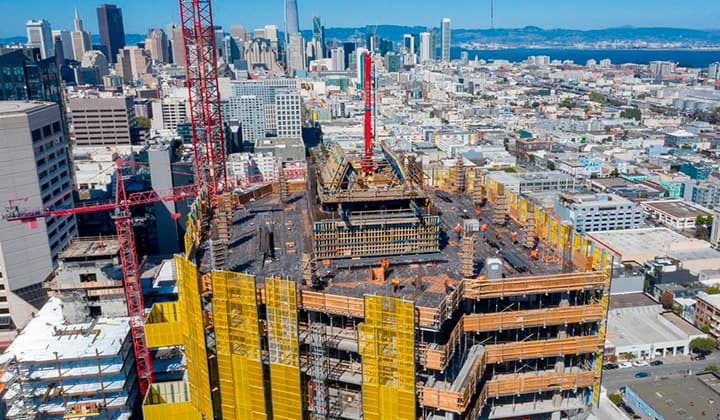
Formwork design automation
Our client from
California, USA
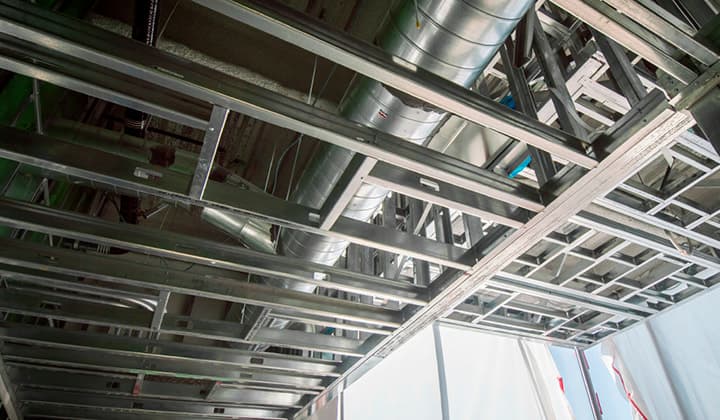
Suspended ceiling design automation
Our client from
New York, USA
Wall framing design automation
Our client from
California, USA