Have any questions? Contact us!
Join our team!
Request a free quote or consultation

Outsourcing Building Information Modeling (BIM) can be a smart way to speed up design and construction workflows while saving time and resources. But the cost of BIM services isn’t always straightforward. Rates vary depending on the type of service, the level of detail, and the region you’re working with. This breakdown explains what goes into the price, what ranges to expect, and how to plan your budget realistically.
Why Companies Outsource BIM Services

Outsourcing BIM services has become a common practice for architecture, engineering, and construction (AEC) firms looking to manage workloads more efficiently. Instead of hiring and training in-house specialists, companies often turn to external teams that already have the tools, software, and expertise in place. This approach helps reduce overhead costs while ensuring access to experienced professionals.
Another reason firms outsource is flexibility. Project demands can vary from month to month, and outsourcing makes it easier to scale up or down without long-term staffing commitments. It’s also a way to bring in specific skills like Scan to BIM or parametric modeling that may not be available in-house. For many teams, outsourcing allows them to focus on core design or construction activities while technical modeling and documentation are handled elsewhere.
How Powerkh Delivers Practical BIM Outsourcing Results

Powerkh is a UK-based company with offices in the USA and Ukraine, offering BIM outsourcing services to the construction industry. We provide Building Information Modeling (BIM) and Virtual Design and Construction (VDC) solutions, supporting projects across residential, commercial, and industrial sectors.
We offer a range of BIM outsourcing services, including 3D BIM modeling (LOD 100 to LOD 500), BIM coordination, and Scan to BIM for converting point cloud data into models. We also provide BIM automation, using scripting and generative design to streamline workflows and increase productivity. In addition, we handle prefabrication support, structural detailing, and Revit family creation, ensuring all project components are designed and managed efficiently.
By outsourcing BIM tasks to Powerkh, clients gain access to our expertise in coordinating architectural, structural, and MEP systems. Our approach is focused on delivering precise, practical solutions that improve project efficiency and reduce errors, making us a reliable partner for complex construction projects.
Common BIM Outsourcing Services and Deliverables
BIM outsourcing providers handle a wide range of tasks from early-stage modeling to detailed fabrication documentation. These services are typically selected based on the project’s complexity, timeline, and the client’s internal capabilities. Below is an overview of the most commonly outsourced BIM services, including typical pricing ranges based on 2025 market trends.
1. 3D BIM Modeling (Architectural, Structural, MEP)
This involves creating 3D digital models of buildings and systems at various Levels of Development (LOD). Models can range from conceptual (LOD 100-200) to highly detailed fabrication-ready models (LOD 400-500), depending on project requirements.
- LOD 200-300 (design stage models): $1.5-$3 per m²
- LOD 400-500 (detailed/fabrication-level): $3-$7 per m²
- Hourly rate for complex modeling: $20-$40/hour
2. BIM Coordination and Clash Detection
Coordination ensures that architectural, structural, and MEP models work together without conflicts. Using software like Navisworks or Solibri, outsourced teams detect clashes and prepare reports for issue resolution before construction.
- Per coordination phase: $1,000-$5,000
- Hourly rate for BIM coordinator: $25-$50/hour
3. Scan to BIM (Laser Scan to Model Conversion)
This service converts point cloud data from 3D laser scans into accurate BIM models. It’s used for renovation projects, facility management, or creating as-built documentation.
- LOD 200 model (basic geometry): $1.5-$2.5 per m²
- LOD 300-400 (with detailed elements): $3-$5 per m²
- Complex sites or large buildings: custom pricing based on scope
4. Revit Family Creation
Development of custom Revit families digital components used within models, such as furniture, equipment, windows, and HVAC units. These can be simple or highly parametric.
- Basic families (no parameters): $30-$80 each
- Medium complexity (some parametric controls): $80-$150 each
- Advanced families (nested parameters, logic): $150-$300+ each
5. BIM Automation and Scripting (Dynamo, Python)
Automation services focus on streamlining repetitive modeling or data management tasks. Scripts are primarily developed using Dynamo for Revit to optimize workflows and reduce manual labor, with Python used for advanced custom solutions.
- Per automation tool or script: $200-$1,000
- Hourly rate for BIM developer/scripter: $30-$60/hour
6. Prefabrication and Fabrication Support
This includes preparing shop drawings, CNC output files, and production-ready models for modular building systems, steel structures, or precast concrete components.
- Shop drawing set (per system): $500-$3,000+
- CNC file generation (per part): $10-$25
Key Factors That Affect BIM Outsourcing Costs
The cost of BIM outsourcing isn’t fixed; it depends on a mix of technical, logistical, and project-specific variables. Understanding what drives pricing can help you avoid unexpected costs and make better decisions when choosing a service provider. Below are the main factors that typically influence how much you’ll pay for outsourced BIM work:
Project Scope and Complexity
Larger or more complex buildings require more modeling time, coordination, and detail. A simple residential plan is faster and cheaper to model than a large hospital, high-rise, or industrial facility with custom systems.
Level of Development (LOD)
The higher the required LOD, the more time and expertise are needed.
- LOD 200 (basic geometry) is faster to produce
- LOD 400-500 (fabrication-ready) includes exact dimensions, tolerances, and detailed components, which significantly raises the cost
Type of Service Needed
Each BIM task has a different pricing structure. Scan to BIM and automation scripting tend to cost more than basic 3D modeling due to the tools and specialization involved.
Required Software and Standards
Projects that demand specific BIM platforms (e.g., Revit, Tekla, ArchiCAD) or must comply with strict standards like ISO 19650, COBie, or government BIM mandates can increase both time and cost due to additional quality control.
Turnaround Time
Tight deadlines or urgent requests often come with rush fees. Faster delivery typically means allocating more specialists or working overtime, which raises the price.
Geographic Location of the Provider
Rates vary significantly by region. Providers in North America or Western Europe typically charge more per hour than teams in Eastern Europe, India, or Southeast Asia though quality, availability, and communication should also be considered.
Input Quality and Rework Needs
Low-quality or incomplete input files (e.g., hand sketches, scanned PDFs) require more cleanup and interpretation. Similarly, if project requirements change mid-process, revisions can add to the final bill.
Typical BIM Outsourcing Cost Ranges
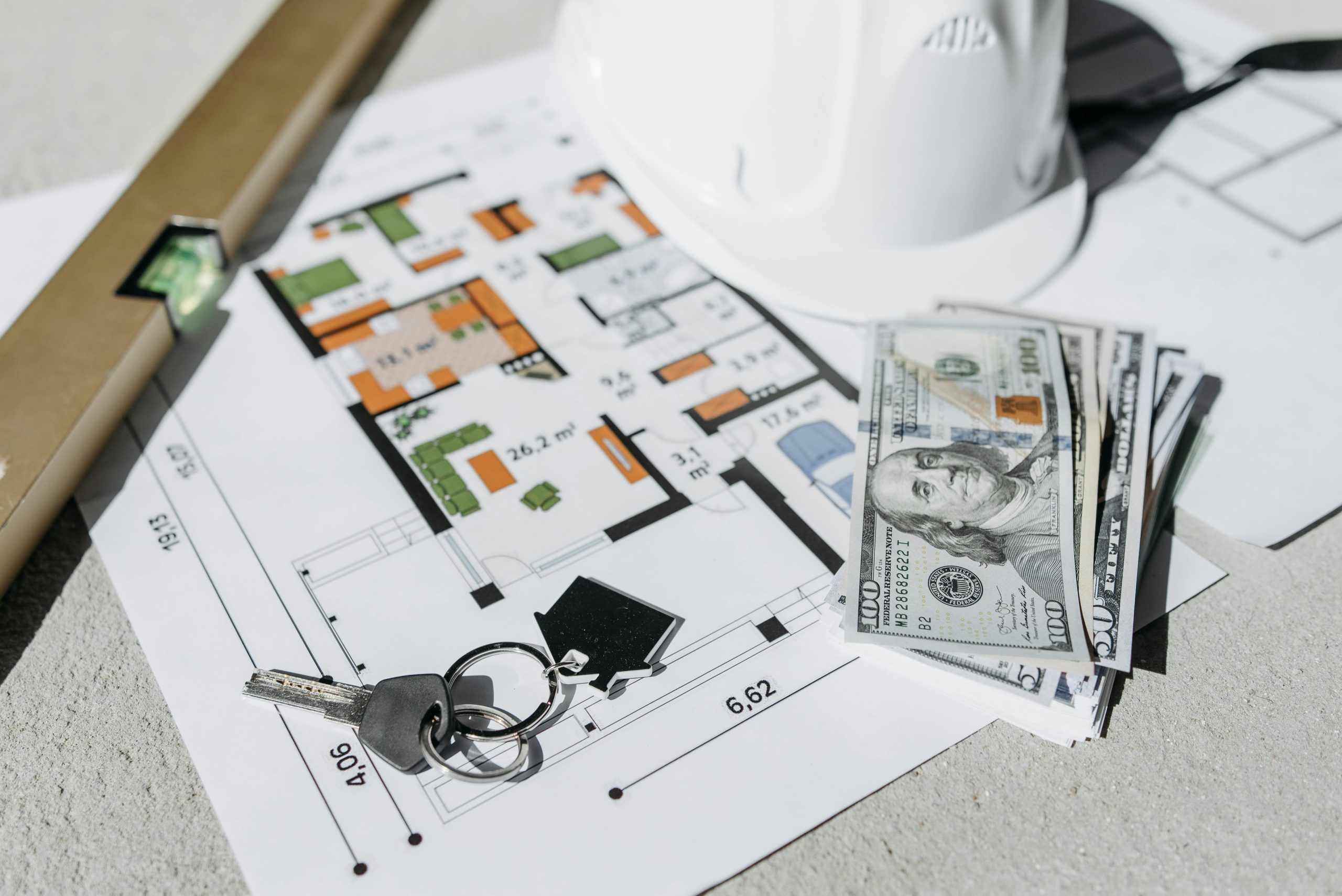
While pricing for individual BIM tasks depends on the specific service, many clients are looking for overall cost benchmarks to help with early planning and vendor selection. Below are typical cost structures used in the industry, along with estimated ranges you might expect in 2025 based on project scale, region, and level of expertise.
1. Hourly Rates (General BIM Services)
Hourly billing is common for flexible or ongoing projects where scope is difficult to define upfront. It’s often used for ad hoc support, iterative design work, or internal team extensions.
- Junior specialist (offshore): $15-$25/hour
- Mid-level BIM modeler or coordinator: $25-$40/hour
- Senior BIM expert or automation specialist: $40-$60/hour
2. Monthly Resource Rates (Dedicated BIM Staff)
In long-term engagements, firms may contract full-time specialists through outsourcing providers. This is often more cost-effective than hiring in-house.
- Dedicated modeler (full-time offshore): $2,500-$4,000/month
- Dedicated BIM coordinator or lead: $4,000-$6,500/month
- Team of 3-5 with mixed roles: $8,000-$15,000/month
3. Project-Based Pricing (Fixed Scope)
For defined projects with a clear scope of work, a flat rate is often used. This pricing can include modeling, documentation, and coordination.
- Small-scale building (e.g. single-family house): $500-$2,000
- Mid-sized commercial or residential project: $3,000-$10,000
- Large complex facility (industrial, healthcare): $15,000-$50,000+
4. Square Meter Pricing (Modeling-Based)
This is a widely used pricing model, especially for modeling and Scan to BIM projects. It gives a predictable estimate based on building area.
- Basic modeling (LOD 200): $1.5-$2.5 per m²
- Detailed design or as-built modeling (LOD 300-400): $3-$5 per m²
- High-detail or fabrication-ready models (LOD 500): $6-$9 per m²
5. Hybrid or Tiered Pricing Models
Some BIM outsourcing companies offer blended models fixed base fees with hourly billing for revisions, or volume-based discounts for large projects.
Unexpected Costs and Common Risks in BIM Outsourcing
Even with a defined scope and a signed contract, BIM outsourcing can come with extra costs and potential risks. Being aware of them from the start helps reduce project delays, rework, or unexpected charges. Here’s a breakdown of the most common issues to watch out for:
- Revisions and Scope Changes: Many providers charge extra for any work outside the original agreement. If design updates or scope changes happen mid-project, this can quickly increase the cost.
- Incomplete or Low-Quality Inputs: If the inputs (like drawings, point clouds, or markups) are unclear or incomplete, outsourced teams need more time to interpret and process them adding hours to the budget.
- Misalignment on Standards and Expectations: Differences in modeling standards, file structures, or documentation styles can lead to rework. If deliverables don’t match expectations, additional revisions may be required.
- Time Zone and Communication Gaps: Delays in feedback or clarification especially with teams in different time zones can slow progress. Poor communication may also result in avoidable errors and back-and-forth corrections.
- Software Compatibility and Licensing: Some files may require specific software versions, plug-ins, or licenses. If not included in the quote, these can introduce unexpected software costs or workflow issues.
- Data Security and NDA Requirements: Sharing sensitive project data often requires confidentiality agreements or security protocols. These may add time and legal review costs to the onboarding process.
When BIM Outsourcing Makes the Most Sense
BIM outsourcing is most practical when internal teams don’t have the capacity, software, or expertise to meet project demands. This often applies to small and mid-sized firms that need BIM services for specific phases, like modeling or clash detection, but can’t justify hiring full-time staff for that purpose. Instead of investing in recruitment, training, and software licenses, it’s more efficient to delegate defined tasks to external teams.
It’s also a good option during peak workloads or when facing tight deadlines. If multiple projects overlap or require quick turnaround, outsourcing allows firms to scale production without overloading internal staff. Projects that involve specialized services like Scan to BIM or detailed fabrication models are also commonly outsourced, especially when these tasks fall outside the firm’s usual scope.
Conclusion
BIM outsourcing offers flexibility and access to skilled professionals without the overhead of building an in-house team. The cost depends on factors like project size, required LOD, region, service type, and deadlines. Prices can range from $15/hour for basic offshore modeling to $50/hour or more for advanced tasks like scripting or coordination. Project-based pricing varies widely from under $1,000 for small models to over $50,000 for large, detailed builds.
To avoid surprises, it’s important to define your scope clearly, understand the pricing model being used, and ask detailed questions about what’s included. Comparing quotes from multiple providers and planning for potential revisions or coordination gaps will help keep your project within budget.
FAQ
1. How much does BIM outsourcing cost per hour?
Hourly rates range from $15 to $60, depending on the provider’s location, experience level, and the complexity of the task.
2. What’s the average cost for a full BIM model?
A basic model for a small building might cost $1,000-$3,000. For larger or more complex projects, costs can exceed $10,000-$50,000.
3. Is it cheaper to pay per square meter or per hour?
It depends on the project. Square meter pricing is more predictable for modeling tasks, while hourly billing offers flexibility for open-ended or iterative work.
4. What is the cost of Scan to BIM services?
Typical rates are $1.5-$5 per square meter, depending on the LOD and building complexity.
5. Are there hidden costs in BIM outsourcing?
Yes. These may include charges for revisions, delays caused by poor inputs, licensing for specific software, or costs related to file format conversions and coordination issues.
6. Does location affect BIM outsourcing prices?
Yes. Providers in Eastern Europe, India, or Southeast Asia generally offer lower rates compared to firms in North America or Western Europe. However, pricing should be balanced against experience, communication quality, and delivery reliability.
Our Case Studies
We have handled 200+ BIM & VDC projects for commercial, industrial, and residential sectors.
Our work includes:
Formwork design automation
Our client from
California, USA
Suspended ceiling design automation
Our client from
New York, USA
Wall framing design automation
Our client from
California, USA