Have any questions? Contact us!
Join our team!
Request a free quote or consultation

Construction safety measures include proper personal protective equipment (PPE), comprehensive worker training, fall protection systems, regular site inspections, hazard communication, equipment maintenance, emergency response planning, and strict adherence to OSHA regulations. According to NIOSH, falls are the leading cause of death in construction, making prevention through proper safety protocols critical for protecting workers.
Construction is one of the most hazardous industries in the United States. According to OSHA, construction workers face serious dangers daily including falls from heights, electrical hazards, equipment-related injuries, and trench cave-ins.
The stakes are incredibly high. NIOSH reports that construction jobs are among the most dangerous occupations, with falls serving as the leading cause of death in the sector. Small employers with fewer than 20 employees continue to account for a disproportionate share of fatal falls, with establishments of 10 or fewer employees responsible for 70% of such deaths from 2011 to 2022.
But here’s the thing—most construction accidents are preventable. Implementing comprehensive safety measures can dramatically reduce workplace injuries and save lives.
Why Construction Safety Matters
Construction comprises a wide range of activities involving building, alteration, and repair work. Each activity exposes workers to unique hazards.
OSHA identifies four major causes of construction fatalities, known as the “Fatal Four.” These account for more than 60% of all construction worker deaths each year. The Fatal Four includes falls, struck-by-object incidents, electrocutions, and caught-in/between hazards.
Real talk: preventing these deaths isn’t just about compliance. It’s about ensuring every worker returns home safely at the end of their shift.
Use Powerkh for BIM Modeling and Technical Support

When project information is spread across drawings, revisions, and site data, it gets harder for teams to stay aligned. Powerkh helps organize that through BIM and VDC services such as BIM modeling, BIM coordination, scan to BIM, structural detailing, prefabrication support, and BIM automation. The result is more usable documentation for construction teams that need better accuracy and coordination.
Need More Reliable BIM Support on the Project?
Talk with Powerkh to:
- create coordinated models from project files or scans
- identify clashes before they affect the site
- prepare detailed drawings for shop and fabrication work
👉 Contact Powerkh to review your project and BIM needs.
Essential Personal Protective Equipment
PPE serves as the last line of defense against workplace hazards. Every construction site must provide appropriate protective equipment based on the specific risks present.
Hard hats protect against falling objects and head injuries. Safety glasses and face shields guard against flying debris, dust, and chemical splashes. Steel-toed boots prevent foot injuries from heavy materials and crushing hazards.
High-visibility vests ensure workers remain visible to equipment operators and vehicle drivers. Hearing protection becomes necessary in environments with sustained noise levels above 85 decibels.
Respiratory protection matters when workers face dust, fumes, or airborne contaminants. Gloves protect hands from cuts, abrasions, and chemical exposure.
The key? Matching the PPE to the specific hazard. Not all protective equipment works for every situation.
Fall Protection Systems
Falls represent the number one killer in construction. NIOSH data confirms falls are the leading cause of death in the construction sector.
Fall protection becomes mandatory when workers operate at heights of six feet or more. Several systems can prevent fall-related injuries and fatalities.
Guardrail systems create physical barriers along elevated work surfaces. These require top rails, mid-rails, and toe boards to prevent workers and materials from falling.
Safety net systems catch falling workers. Nets must be installed at appropriate distances below the working surface.
Personal fall arrest systems include full-body harnesses, lanyards, and anchor points. When properly used, these systems stop a fall before the worker strikes a lower level.
Scaffolding must be erected properly with guardrails and toe boards. Ladder safety requires secure footing, proper angle placement, and three-point contact while climbing.
Comprehensive Safety Training Programs
Training forms the foundation of construction safety. Workers can’t follow safety protocols they don’t understand.
OSHA mandates specific training for numerous construction activities. New workers need general safety orientation covering site-specific hazards, emergency procedures, and PPE requirements.
Equipment operators require specialized training for each machine they’ll operate. This includes forklifts, cranes, aerial lifts, and excavators.
Hazard communication training teaches workers to identify dangerous materials through Safety Data Sheets and proper labeling systems.
Regular refresher training keeps safety practices sharp. Annual reviews help workers stay current with updated regulations and reinforce critical safety behaviors.
Toolbox talks provide brief, focused safety discussions before each shift. These address daily hazards and keep safety top-of-mind.
Site Inspections and Hazard Identification
Regular inspections catch problems before they cause injuries. Competent persons must inspect construction sites daily.
Pre-shift inspections examine equipment, scaffolding, fall protection systems, and electrical installations. Any deficiencies require immediate correction.
Hazard assessments identify potential dangers before work begins. This process evaluates each task and determines necessary safety controls.
Documentation matters. Recording inspection findings creates accountability and tracks safety improvements over time.
Workers must report unsafe conditions immediately. Creating a culture where reporting is encouraged rather than punished helps identify hazards quickly.
| Inspection Type | Frequency | Key Focus Areas | Required Action
|
|---|---|---|---|
| Daily Site Walk | Every shift | General housekeeping, trip hazards, equipment placement | Immediate correction of deficiencies |
| Equipment Check | Before each use | Mechanical condition, safety devices, fluid levels | Tag-out if defective |
| Fall Protection | Daily | Anchor points, harness condition, guardrails | Replace damaged components |
| Scaffolding | Before each shift and after weather events | Structural integrity, planking, guardrails | Repairs by qualified person |
| Electrical Systems | Weekly | Ground fault protection, cord condition, proper connections | Immediate shutdown if hazardous |
| Trenches/Excavations | Daily and after rain | Soil stability, protective systems, access/egress | Stop work until safe |
Equipment Safety and Maintenance
Construction equipment creates serious hazards when improperly maintained or operated. OSHA requires regular equipment inspections and operator competency.
Pre-operation checks identify mechanical problems before equipment starts. Operators should examine hydraulic lines, tires, brakes, lights, and backup alarms.
Lockout/tagout procedures prevent accidental equipment startup during maintenance. Energy isolation protects workers servicing machinery.
Heavy equipment requires specific safety features. Backup alarms, rollover protection, and operator restraints save lives.
Tool maintenance extends beyond power equipment. Hand tools with loose heads, cracked handles, or damaged guards pose injury risks.
Emergency Response Planning
Emergencies happen despite best prevention efforts. Preparedness minimizes their impact.
Every construction site needs a written emergency action plan. This document identifies evacuation routes, assembly points, and emergency contact numbers.
First aid supplies and trained responders must be readily available. Sites located far from medical facilities require more extensive first aid capabilities.
Fire extinguishers need strategic placement throughout the site. Workers should know their locations and receive training in proper use.
Emergency drills test response procedures. Regular practice ensures workers know how to react when seconds count.
Housekeeping and Site Organization
Cluttered job sites breed accidents. Good housekeeping represents one of the simplest yet most effective safety measures.
Material storage requires designated areas away from active work zones. Stacking materials too high creates collapse hazards.
Waste removal can’t wait until project completion. Regular debris cleanup prevents trip hazards and fire risks.
Clear pathways ensure safe movement around the site. Marking pedestrian routes separates workers from vehicle and equipment traffic.
Tool storage prevents injuries and theft. Returning tools to proper locations after use keeps work areas organized.
Health and Wellness Considerations
Physical demands make construction work exhausting. Worker fatigue increases accident risk.
Heat stress kills construction workers every summer. Providing shade, water, and regular breaks prevents heat-related illness. Recognizing symptoms early allows timely intervention.
Cold weather creates different hazards. Frostbite, hypothermia, and slippery surfaces require specific safety measures.
Adequate breaks maintain alertness and physical capability. Tired workers make mistakes.
Substance abuse policies protect everyone on site. Impaired workers endanger themselves and their coworkers.
OSHA Compliance and Documentation
OSHA establishes minimum safety standards for construction. Compliance isn’t optional—it’s legally required.
Understanding applicable OSHA standards helps contractors avoid violations and protect workers. Construction standards appear in 29 CFR Part 1926.
Required documentation includes injury logs, training records, inspection reports, and safety meeting minutes. Proper recordkeeping demonstrates compliance during OSHA inspections.
Posting requirements mandate displaying OSHA notices and injury statistics where workers can see them.
Reporting serious injuries and fatalities to OSHA is mandatory. Serious incidents require prompt notification to OSHA according to 29 CFR Part 1926 recordkeeping requirements.
Safety Culture and Leadership
Technical safety measures fail without proper culture. Leadership commitment drives safety performance.
Management must demonstrate that safety takes priority over production pressures. When supervisors enforce safety rules consistently, workers take them seriously.
Worker involvement in safety planning increases buy-in. Those doing the work often spot hazards supervisors miss.
Recognition programs reward safe behavior. Positive reinforcement works better than punishment alone.
Near-miss reporting identifies hazards before they cause injuries. Investigating close calls prevents future accidents.
Building a Safer Construction Industry
Construction safety measures save lives. Falls, electrocutions, struck-by incidents, and caught-in/between accidents claim hundreds of construction workers annually—but these deaths are preventable.
Effective safety programs combine multiple elements: proper PPE, comprehensive training, fall protection systems, regular inspections, equipment maintenance, emergency planning, and strong safety culture. No single measure provides complete protection. Layered defenses create the safest work environments.
OSHA compliance establishes minimum standards, but truly safe contractors exceed regulatory requirements. They invest in worker training, maintain equipment meticulously, and foster cultures where everyone speaks up about hazards.
The construction industry continues evolving. Prevention through Design approaches build safety into projects from the planning stage. Technology like wearable sensors and drones helps identify hazards before they cause injuries.
Every worker deserves to return home safely. Implementing robust construction safety measures makes that possible. Start by assessing current safety practices, identifying gaps, and committing to continuous improvement. The investment in safety pays dividends through reduced injuries, lower insurance costs, improved morale, and lives saved.
Frequently Asked Questions
What are the most important construction safety measures?
Key measures include fall protection, proper PPE, worker training, equipment maintenance, daily inspections, and emergency planning. Addressing the most common hazards helps prevent the majority of serious accidents.
Who is responsible for construction site safety?
Safety is shared across all parties. Contractors, subcontractors, and workers each have responsibilities to follow safety standards and report hazards.
How often should construction safety training occur?
Training should happen before work begins and be refreshed regularly, often annually, with additional sessions when conditions or risks change.
What fall protection is required in construction?
Fall protection is required when working at heights of six feet or more. Systems include guardrails, safety nets, and personal fall arrest equipment.
How can small construction companies improve safety?
Small companies can improve safety through training, proper PPE, regular inspections, and strong communication. Many effective steps require discipline more than large budgets.
What should be included in a construction site inspection?
Inspections should include fall protection, scaffolding, electrical systems, equipment condition, PPE use, housekeeping, and emergency readiness.
Are construction safety measures legally required?
Yes. Construction safety is regulated by OSHA standards, and failure to comply can lead to penalties, fines, or legal consequences.

Our Case Studies
We have handled 200+ BIM & VDC projects for commercial, industrial, and residential sectors.
Our work includes:
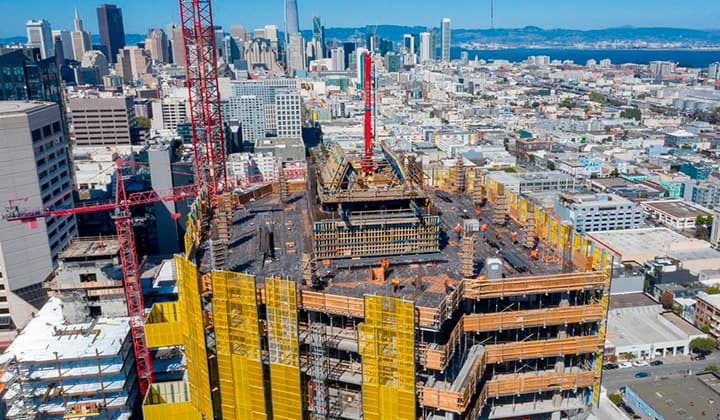
Formwork design automation
Our client from
California, USA
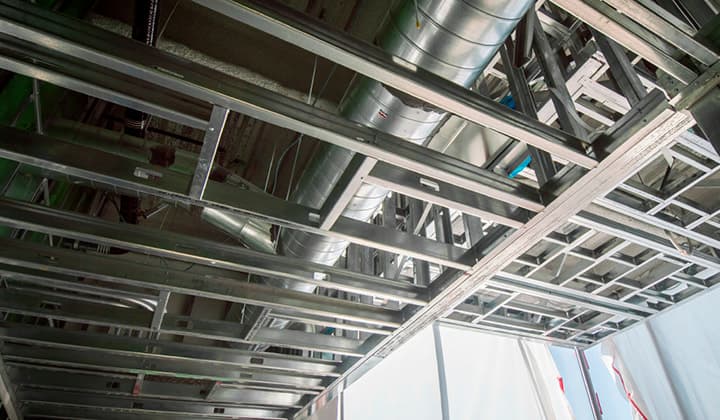
Suspended ceiling design automation
Our client from
New York, USA
Wall framing design automation
Our client from
California, USA