Have any questions? Contact us!
Join our team!
Request a free quote or consultation

If you’re diving into a construction project, you’ve probably heard the buzz about Revit BIM modeling and how it can streamline your workflow. But let’s be real – how much is this going to set you back? We’ve got the scoop on what drives the cost of Revit BIM modeling, from software subscriptions to hiring experts. Let’s break it down so you can plan your budget with confidence and avoid any surprises along the way.
What Drives Revit BIM Modeling Costs?

Revit BIM modeling costs aren’t a one-size-fits-all deal. They shift depending on your project’s unique needs, and getting a handle on these factors can help you budget smarter.
Project Size and Complexity
A small residential project is a whole different game compared to a massive hospital with intricate mechanical, electrical, or plumbing systems. The bigger or more detailed the project, the more time and expertise it demands, which naturally pushes costs up. A cozy home might be straightforward, but a complex commercial build with layered MEP designs? That’s going to need more resources.
Level of Detail (LOD)
How much detail you need in your BIM model makes a big difference. Early-stage conceptual models, like LOD 100, are lighter on the budget since they’re less intricate. But if you’re going for LOD 400 or 500, with precise details for fabrication or construction, expect to invest more. More detail equals more effort, and that comes with a higher price tag.
In-House vs. Outsourcing
Deciding whether to model in-house or outsource is a key cost driver. Going in-house means covering software licenses and staff salaries, plus training to keep skills sharp. Outsourcing to BIM specialists can be more flexible, with fees based on the project or hourly rates, but costs vary depending on the team’s expertise and where they’re based. It’s all about weighing what works for your setup.
Turnaround Time
Need your model fast? Tight deadlines can bump up expenses. When teams prioritize your project or pull late nights to meet your timeline, you’ll likely see that reflected in the cost. Planning ahead can save you from those rush fees.
Software Subscriptions
Revit itself isn’t free. A standard Autodesk Revit subscription costs around $380 a month or $3,005 a year. If you’re modeling in-house, this is a fixed cost you’ll need to factor in, and it adds up quickly if you’re running multiple licenses.
Powerkh’s Role in Mastering Revit BIM Modeling in 2026

We are a UK-based company with additional offices in Ukraine and the USA, specializing in Revit-based architectural, engineering, and construction services. Powerkh provides 3D modeling solutions for a variety of industries, supporting clients throughout the design, planning, and construction phases. Using Revit software, we create accurate digital models of buildings and infrastructure, which are used for visualizations and technical documentation.
In addition to Revit modeling, we offer BIM (Building Information Modeling) coordination, clash detection, and design optimization services. These services help improve project efficiency, reduce errors, and enhance collaboration between architects, engineers, and contractors. We ensure that all project details align with client requirements and industry standards.
Our team, experienced in both traditional and digital modeling, focuses on delivering accurate and cost-effective solutions. By leveraging Revit, we provide precise results, ensuring smooth project execution for clients worldwide.
Key Highlights:
- UK-based company with offices in Ukraine and the USA
- Specializes in Revit-based architectural, engineering, and construction services
- Offers 3D modeling, BIM coordination, clash detection, and design optimization
- Focus on delivering accurate, cost-effective, and efficient solutions
- Experienced team skilled in both traditional and digital modeling techniques
- Serves clients across various industries, ensuring alignment with client needs and industry standards
Common Pricing Models for BIM Services

When you’re bringing in BIM pros, you’ll come across a few ways they charge. Each model has its strengths, so picking the right one depends on your project’s scope and clarity.
Fixed Price
A fixed price gives you a clear, upfront cost for the whole project. It’s perfect when your requirements are locked in, and you know exactly what you need. For smaller projects, quotes might range from $2500–15000, but larger or more complex jobs can easily climb higher. It’s predictable, which makes budgeting easier.
Hourly Rates
Many consultants charge by the hour, with rates typically falling between $39 and $43 per hour. The exact cost depends on the expertise required – say, a seasoned pro handling tricky MEP coordination might charge at the higher end. This model works well when your project scope is still taking shape.
Per Square Foot
For bigger projects, some providers price based on square footage. This approach makes sense when the building’s size is a major factor, but costs can vary depending on the type of structure and the level of detail needed. It’s a practical option for large-scale commercial or industrial builds.
Dedicated Team
For long-term or complex projects, a dedicated team acting as an extension of your crew can be a game-changer. This retainer model offers consistency and flexibility, with pricing tailored to the scope and duration. It’s ideal if you want a reliable partner through multiple project phases.
Hidden Costs to Watch Out For
Nobody likes getting hit with unexpected expenses, and Revit BIM modeling can have a few sneaky costs that catch you off guard if you’re not paying attention. Knowing these upfront can save you from budget headaches down the road. For starters, revisions can pile up if your project scope isn’t crystal clear – every design change means more hours, and that’s not free. Then there’s the cost of extra software beyond Revit, like Navisworks for clash detection or Twinmotion for slick renderings, which can add hundreds or thousands to your tab. If you’re building in-house, don’t forget training; getting your team up to speed on Revit or advanced tools like Dynamo isn’t cheap, especially if you need ongoing sessions. And if you’re diving into specialized services like Scan to BIM for as-built models or 5D cost estimation, those often come with premium price tags due to the expertise and tech involved. The trick? Lock in your requirements early and ask providers about all potential add-ons before signing on.
The Value of Investing in BIM: Is It Worth It?
Sure, Revit BIM modeling comes with a cost, but let’s talk about what you’re really getting for your money. Think of it as an investment that pays off by saving you time, stress, and cash in the long run. BIM’s magic lies in catching issues early – clash detection can spot a pipe running through a beam before it becomes a costly fix on-site, potentially saving thousands. It also streamlines collaboration, keeping architects, engineers, and contractors on the same page through tools like Autodesk Docs, so you’re not wasting time on miscommunications. Plus, features like Revit’s Insight let you analyze energy efficiency, helping you design greener buildings that cut operational costs for clients. I’ve seen projects where BIM shaved weeks off schedules by smoothing out coordination, and that’s time you can’t buy back. If you’re wondering whether it’s worth the upfront spend, ask yourself: can you afford the chaos of rework or delays without it?
Tips to Optimize Your BIM Budget
Want to keep costs in check without compromising quality? Here’s how to make your Revit BIM modeling investment work harder for you.
- Define Your Scope Early: Nail down your project requirements, LOD, and timeline upfront. A clear scope helps avoid costly revisions and ensures accurate quotes from service providers.
- Leverage Automation: Tools like Dynamo for Revit can streamline repetitive tasks, cutting down on modeling time and labor costs. If you’re outsourcing, ask about automation to speed things up.
- Choose the Right LOD: Don’t overdo the detail if you don’t need it. Stick to the LOD that matches your project phase – LOD 200 for early design, for example, instead of jumping to LOD 400.
- Compare In-House vs. Outsourcing: Crunch the numbers to see if training your team and buying software makes sense, or if outsourcing to specialists is more cost-effective for your project.
- Plan for Collaboration: Use tools like Autodesk Docs or BIM Collaborate Pro to keep your team aligned. Fewer miscommunications mean fewer costly rework cycles.
Future Trends Impacting BIM Costs
The BIM world is moving fast, and what’s coming in 2026 could shake up how much you pay for Revit modeling. Automation is a big player – tools like Dynamo are slashing labor costs by speeding up repetitive tasks, but you might need to invest in skilled pros to set them up. Scan to BIM is gaining traction, especially for renovations, and while it’s a game-changer for accuracy, the specialized tech and expertise can bump up fees. Cloud-based tools like Autodesk Forma are making workflows smoother, but they might add subscription costs to your budget. And don’t sleep on sustainability – new demands for carbon analysis and energy-efficient designs mean more BIM models are including these features, which can require extra time or add-ons. Staying ahead of these trends means you can plan smarter, whether it’s budgeting for new tools or partnering with a team that’s already embracing the future.
Final Thoughts
Revit BIM modeling costs can range from a few hundred dollars for small projects to thousands for complex, high-detail endeavors. By understanding what drives the price – project size, LOD, and service models – you can make informed decisions that balance quality and budget. Whether you’re sketching a new design or coordinating a massive build, a smart approach to BIM can save you time and money while boosting efficiency. Ready to get started? Reach out to a BIM expert to discuss your project and get a tailored quote that fits your vision.
Frequently Asked Questions
What’s the average cost of Revit BIM modeling for a small project?
For a small project, like a single-family home or a basic commercial space, you can expect Revit BIM modeling costs to range from $5,000 to $15,000, depending on the complexity and level of detail (LOD) needed. This typically covers fixed-price services for basic modeling, but costs can climb for larger or more intricate designs. Powerkh’s expertise in streamlining workflows ensures you get accurate quotes tailored to your project’s scope, so you’re not overpaying for unnecessary details. Always define your requirements early to keep costs predictable.
How can I avoid unexpected costs when using Revit BIM modeling?
Hidden costs can sneak up if you’re not careful. Revisions from unclear scopes, extra software like Navisworks for clash detection, or specialized services like Scan to BIM can add hundreds or more to your budget. Training your in-house team on Revit or tools like Dynamo can also rack up expenses. To dodge these, lock in your project scope upfront and ask your BIM provider about potential add-ons. Powerkh’s role in mastering BIM costs means we emphasize clear communication to help you plan smarter and avoid surprises.
Is investing in Revit BIM modeling worth the cost for my project?
Absolutely, if you value efficiency and long-term savings. Revit BIM modeling catches issues early – like a pipe clashing with a beam – saving thousands in on-site fixes. It streamlines collaboration, keeping your team aligned through tools like Autodesk Docs, cutting down on costly miscommunications. Plus, features like Revit’s Insight help design energy-efficient buildings, reducing client operational costs. Powerkh’s expertise shows that BIM can shave weeks off schedules, making the upfront cost a smart investment compared to the chaos of rework or delays.
How will future trends affect Revit BIM modeling costs in 2026?
The BIM landscape is evolving, and 2026 brings trends that could shift your budget. Automation tools like Dynamo are cutting labor costs by speeding up repetitive tasks, though you might need skilled pros to set them up. Scan to BIM, popular for renovations, boosts accuracy but involves pricier tech and expertise. Cloud tools like Autodesk Forma streamline workflows but may add subscription fees. Growing demand for sustainability, like carbon analysis, could increase modeling time. Powerkh’s role in staying ahead of these trends helps you budget wisely for cutting-edge solutions.
Our Case Studies
We have handled 200+ BIM & VDC projects for commercial, industrial, and residential sectors.
Our work includes:
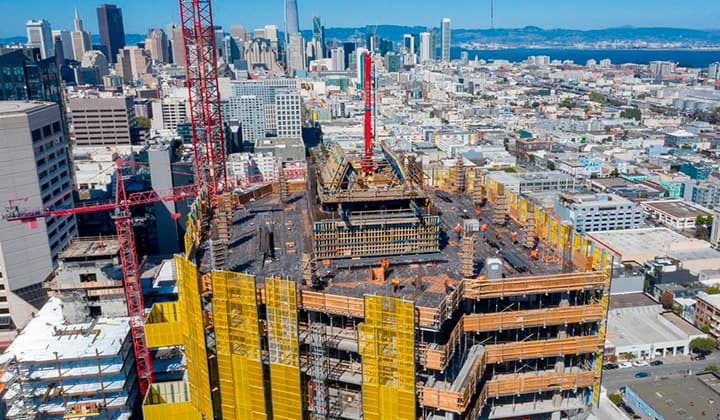
Formwork design automation
Our client from
California, USA
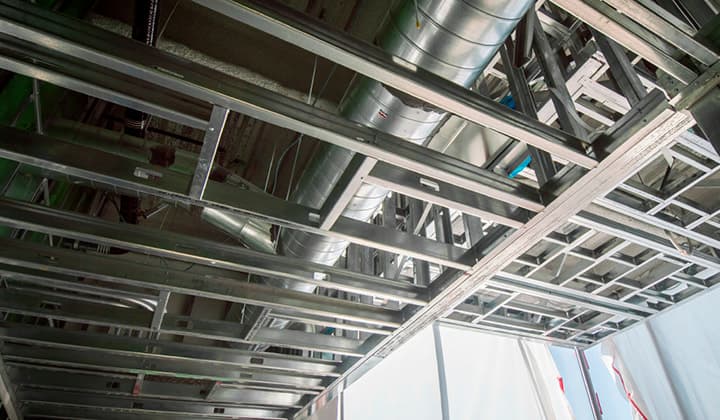
Suspended ceiling design automation
Our client from
New York, USA
Wall framing design automation
Our client from
California, USA