Have any questions? Contact us!
Join our team!
Request a free quote or consultation

Understanding What Is BIM Drawing: A Smarter Way to Design and Build
BIM drawings have changed the way architects, engineers, and builders work together on construction projects. Unlike traditional 2D blueprints, these drawings are created from intelligent 3D models that link design with real-world data. In simple terms, BIM drawings help teams visualize buildings more clearly, spot problems early, and keep everything coordinated from the first sketch to the final build. Whether you’re new to the concept or just want a better grasp of how it all works, this article breaks down what BIM drawing is in a clear and practical way.
What Does a BIM Drawing Mean and How Is It Different From Traditional Drafting?
A BIM drawing is a visual representation created from a Building Information Model. Unlike traditional 2D drafting, which uses disconnected views and static lines, BIM drawings are generated from a live, data-rich 3D model. Each drawing view – whether a plan, section, or elevation – is directly linked to the central model, meaning any design change is instantly reflected across all views.
In traditional drafting (even with CAD), updating a design often meant repeating the same change manually in multiple drawings. This process was time-consuming and prone to errors. BIM drawings eliminate that problem by keeping everything connected and consistent. As a result, teams can work more efficiently and make design decisions with more confidence.
Types of BIM Drawings Used in Architecture and Construction

BIM supports the generation of multiple drawing types, all pulled directly from a single, data-rich model. These drawings serve different purposes throughout a project’s lifecycle, from early design to final construction and facility management. Because everything comes from one coordinated source, accuracy and consistency are built in from the start.
Here are the most common types of BIM drawings used in building projects:
Floor Plans
These show the layout of each level, including rooms, wall placements, doors, furniture, and circulation paths. As walls or components are adjusted in the model, the floor plan updates automatically. These drawings are essential for communicating spatial design and functional flow.
Elevations
Exterior elevations provide a flat view of each side of the building, showing materials, windows, doors, rooflines, and vertical dimensions. When an element is modified in the model – such as window size or façade material – it updates here as well. This keeps exterior documentation clear and consistent.
Sections
Sections are vertical cuts through the structure, revealing the relationships between floors, ceilings, walls, and other vertical elements. They’re especially useful for understanding the internal structure and for coordinating with structural or MEP systems.
Reflected Ceiling Plans (RCPs)
RCPs show what’s on the ceiling, as if viewed in a mirror from the floor. They include lighting fixtures, HVAC diffusers, ceiling grids, and fire protection systems. These are crucial for coordination between architecture and building services.
Detail Drawings
These zoom in on specific parts of the construction—like wall intersections, staircases, or foundation joints. While they often start as automated sections or callouts from the model, they can be refined with 2D linework to meet documentation standards.
Schedules
Schedules automatically list items like doors, windows, room finishes, or equipment, along with their properties such as size, type, and count. They are directly linked to model elements, so any change to the design reflects in the schedule without manual updating.
Each of these drawing types supports clearer communication, better coordination among disciplines, and faster project execution. Because they all stem from one model, teams can trust that they’re always working with the most current information.
Powerkh: Delivering Precision and Efficiency in BIM Shop Drawings

We are Powerkh and our company is a UK-based, that offers Building Information Modeling (BIM) services, with a focus on producing detailed shop drawings for construction and engineering projects. Our goal is to provide accurate and precise drawings using advanced BIM technology, ensuring the design is implemented correctly during construction.
Our services include creating 2D and 3D shop drawings, clash detection, and coordinating different trades to avoid conflicts on site. We support clients in various sectors such as commercial, residential, and infrastructure projects. Our team is experienced in handling projects of all sizes and complexities, ensuring efficiency and accuracy throughout the process.
In addition to our UK headquarters, we have offices in Ukraine and the USA, allowing us to serve clients across multiple regions. This international presence helps us provide cost-effective and timely solutions while maintaining high standards of service. We aim to deliver reliable, precise results at every stage of the project.
Key Highlights:
- UK-based company with offices in Ukraine and the USA.
- Specializes in Building Information Modeling (BIM) services, focusing on shop drawings for construction and engineering projects.
- Offers both 2D and 3D shop drawings, clash detection, and trade coordination.
- Serves clients across commercial, residential, and infrastructure sectors.
- Experienced team handling projects of varying sizes and complexities.
- Focus on accurate, reliable, and efficient project execution.
Services:
- 2D and 3D shop drawings
- Clash detection
- BIM coordination between different trades
- Design-to-construction implementation support
- Construction project consultancy and planning assistance
How BIM Drawings Improve Accuracy and Save Time
One of the biggest advantages of BIM drawings is that they significantly reduce the risk of human error and wasted time during the design and documentation process. Here’s how:
- Automatic Updates: When you make a change to the model, all associated drawings (plans, sections, elevations, schedules) update automatically.
- Fewer Mistakes: You don’t have to remember to adjust every view manually, which reduces inconsistencies.
- Faster Revisions: Design changes can be made and documented much faster, especially on large or complex projects.
- Reliable Quantities: Schedules and takeoffs are generated from live data, improving cost estimation and reducing surprises.
- Streamlined Approval: Clients and reviewers can understand the design better, leading to quicker sign-offs.
By automating much of the drafting process, BIM frees up time and helps teams focus more on quality design rather than repetitive tasks.
Common Misconceptions About BIM Drawings

Despite its growing adoption, many people still misunderstand what BIM drawings are or how they work. Let’s clear up a few of the most common myths.
“BIM Is Just 3D Modeling”
BIM goes far beyond 3D visuals. It includes data about materials, quantities, scheduling, and building performance. BIM drawings represent more than geometry—they hold smart information that can be used throughout the project lifecycle.
“BIM Drawings Are Only Useful during Design”
In reality, BIM supports the entire lifecycle of a building. Drawings generated from BIM models are useful for construction, handover, operations, and even renovations.
“Using BIM Is Too Complicated or Only for Big Firms”
While BIM can be complex at first, many tools are now more accessible and suited for firms of all sizes. Even small teams benefit from the automation, consistency, and coordination it offers.
“BIM Replaces All 2D Drawings”
BIM automates the creation of 2D drawings, but the output is still essential. Plans, elevations, and sections are still required for permits, coordination, and construction. BIM just makes them more accurate and easier to manage.
Understanding these misconceptions is important for making informed decisions about how and when to use BIM. As the industry evolves, having a clear view of what BIM drawings truly offer can help teams work smarter, not harder.
Why BIM Drawings Are Better for Collaboration and Project Management
BIM drawings aren’t just visuals—they’re tools for better communication. When teams use BIM, everyone works from the same digital model. This helps reduce misunderstandings, resolve conflicts early, and improve decision-making throughout the project.
Here’s why BIM makes collaboration smoother:
- Centralized Model Access: Everyone from architects to contractors can access the same up-to-date model.
- Clash Detection: BIM tools help identify conflicts between architectural, structural, and MEP elements before construction begins.
- Linked Drawings: All drawings are synced, so different teams aren’t working with outdated or mismatched information.
- Cloud-Based Platforms: Real-time collaboration allows for faster feedback and fewer delays.
For project managers, this means better control over timelines, budgets, and scope. For teams, it means fewer surprises and better coordination.
Conclusion
BIM drawings are more than just digital representations of a building – they are a smarter, more connected way to plan, design, and deliver construction projects. By linking every drawing to a central 3D model, BIM ensures accuracy, reduces manual work, and improves collaboration between teams.
Whether you’re creating floor plans, sections, or schedules, using BIM means faster updates, fewer errors, and better project outcomes. As the industry continues to evolve, BIM drawings are quickly becoming the new standard for how buildings are documented, constructed, and maintained.
FAQ
What is a BIM drawing?
A BIM drawing is a view extracted from a 3D Building Information Model. It includes not only geometry but also detailed information about materials, quantities, and components. These drawings are used throughout the design, construction, and maintenance phases to support coordination and decision-making.
How is a BIM drawing different from a traditional CAD drawing?
Unlike CAD drawings, which are static and separate, BIM drawings are automatically generated from a single, connected model. When you update the model, all related views – such as plans, sections, elevations, and schedules – are updated instantly, reducing manual edits and errors.
Are 2D drawings still needed if you use BIM?
Yes, 2D drawings are still essential. BIM software automates the creation of these 2D views from the 3D model, ensuring consistency and saving time. These plans, sections, and elevations are still required for construction, permitting, and coordination.
Are BIM drawings useful after construction is complete?
Yes, BIM drawings remain valuable throughout the building’s life. They support facility management by helping track systems, schedule maintenance, and plan future renovations. The model serves as a living record of the building for years to come.
Can BIM drawings help reduce construction costs and delays?
Yes, BIM drawings play a key role in identifying design conflicts early through automated clash detection. This helps prevent costly rework on-site. Because the drawings are always up to date with the model, teams can make faster decisions, reduce delays, and improve overall project efficiency.
Our Case Studies
We have handled 200+ BIM & VDC projects for commercial, industrial, and residential sectors.
Our work includes:
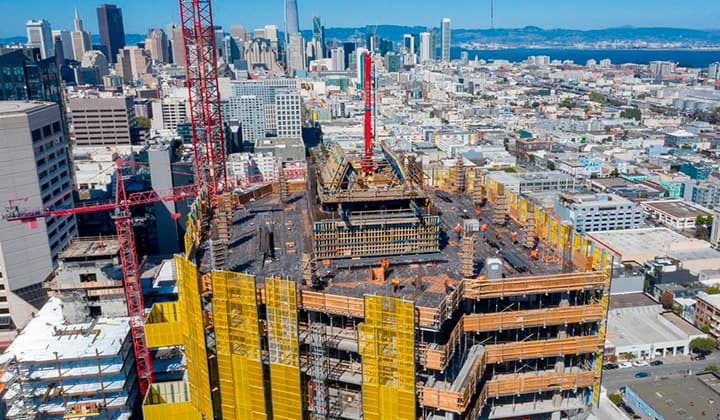
Formwork design automation
Our client from
California, USA
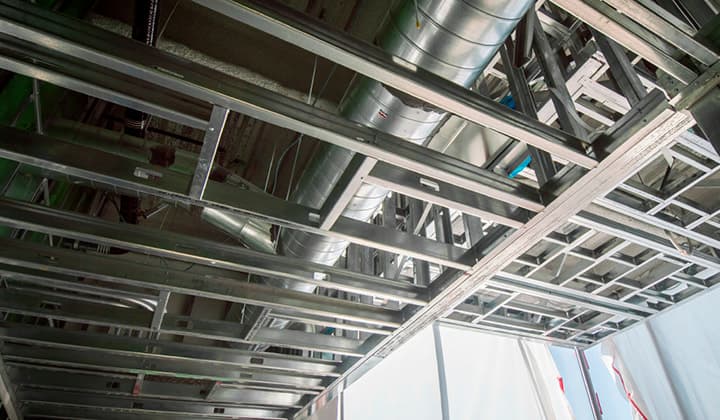
Suspended ceiling design automation
Our client from
New York, USA
Wall framing design automation
Our client from
California, USA