Have any questions? Contact us!
Join our team!
Request a free quote or consultation

If you’re planning a construction or renovation project, chances are you’ve come across the term BIM – short for Building Information Modeling. And if you’re like most people, your next question is probably: how much does 3D BIM actually cost?
The answer isn’t so simple. The price of 3D BIM depends on a few key factors – the size of the project, the level of detail needed, how fast you need it done, and whether you’re outsourcing or using an in-house team. In this article, we’ll break down the typical costs, what influences them, and what you can expect to pay in 2026 for 3D BIM services.
Typical Cost Ranges for 3D BIM Projects
The cost of 3D BIM can vary widely depending on the type of project, the level of detail required, and the deliverables involved. While no two projects are the same, there are some average price ranges you can expect.
- Small residential projects usually cost between $5,000 and $20,000. These typically include basic floor plans, elevations, and simple coordination models.
- Medium-sized commercial buildings tend to range from $20,000 to $100,000, depending on the scope of work and complexity of systems like MEP.
- Large infrastructure or high-detail industrial projects can start at $100,000 and go up significantly, especially if the BIM includes fabrication-level details, multiple disciplines, or extensive clash detection.
For pricing based on area, expect to pay around $0.30 to $0.90 per square foot, depending on how detailed the model needs to be. A basic massing model falls on the lower end, while a highly detailed LOD 400 or 500 model lands at the higher end.
3D BIM Pricing Models: How Providers Charge

There’s no one-size-fits-all pricing structure for 3D BIM services. The way providers charge often depends on the project’s size, complexity, scope of work, and delivery timeline. Understanding the different pricing models can help you choose the best fit for your budget and goals.
Here are the most common ways BIM providers structure their fees:
Per Square Foot
- Pricing typically ranges from $0.30 to $0.90 per square foot, depending on the level of detail required.
- This model works well for architectural or structural modeling where the total floor area is known.
- It’s ideal for clients who need early-stage massing models or general layout planning.
Per Hour
- Hourly rates usually fall between $35 and $50, with more experienced consultants charging higher rates.
- This approach is often used for specialized tasks, such as BIM coordination, model audits, technical support, or late-stage revisions.
- It offers flexibility for smaller tasks or when the scope is not fully defined upfront.
Per Deliverable
- Clients pay a flat fee for specific outputs such as floor plans, 3D views, shop drawings, clash detection reports, or coordination models.
- This model gives clear pricing for tangible results and is especially useful for milestone-based projects or when only select BIM outputs are needed.
- It helps keep costs predictable and avoids paying for unnecessary extras.
By Project Phase
- The total budget is divided across phases: design, construction, and as-builts.
- This approach supports progressive delivery, making it easier to manage costs over time and align with the evolving needs of the project.
- It’s often used in full-scope BIM contracts where the service provider is involved from early design through to project closeout.
Hybrid Model
- A mix of pricing methods, such as a fixed base fee plus a variable component (like per-square-foot or per-hour billing).
- This model is common when a project has multiple deliverables or changing requirements as it progresses.
- It provides both structure and flexibility, helping balance budget control with adaptability.
Choosing the right pricing model depends on how well-defined your scope is, what kind of deliverables you need, and whether you prefer fixed costs or flexibility. A good provider will help you evaluate these options and recommend a structure that suits your specific project.
What Powerkh Offers: Expert 3D BIM Modeling Services

At Powerkh, a UK-based company with offices in the USA and Ukraine, we specialize in Building Information Modeling (BIM) services. We convert 2D drawings into detailed 3D models that integrate architectural, structural, MEP and construction data. These models serve as accurate digital representations of projects, supporting design, construction, and manufacturing processes.
In our company, we handle projects by analyzing client documentation, importing 2D layouts into Autodesk Revit, and creating 3D models at various Levels of Development (LOD 100 to LOD 500). We conduct clash detection, constructability reviews, and structural detailing to address design inconsistencies. Our team also works with processes such as Scan to BIM using Point Cloud data and BIM automation for fabrication workflows.
We work on projects ranging from residential buildings to industrial developments. Our services include architectural and structural modeling, shop drawings, and prefabrication support. With offices in three countries, we manage both local and international projects effectively.
Key Highlights:
- UK-based company with offices in the USA and Ukraine.
- Converts 2D drawings into detailed 3D BIM models for architectural, structural, and construction data integration.
- Expertise in working across various Levels of Development (LOD 100 to LOD 500).
- Provides clash detection, constructability reviews, and structural detailing.
- Handles local and international projects, ranging from residential to industrial developments.
Services:
- 3D BIM modeling from 2D layouts.
- Scan to BIM using Point Cloud data.
- Clash detection and constructability reviews.
- Shop drawings and prefabrication support.
Key Factors That Affect Revit Family Costs
Revit family creation is a specialized part of BIM, and its pricing depends on several key elements. Understanding what drives cost helps in planning and budgeting accurately:
- Level of Detail (LOD): Simple symbolic families are much cheaper than highly parametric ones with advanced features.
- Category Complexity: Mechanical, electrical, and plumbing components usually take more time to model accurately than architectural families.
- Parametric Behavior: Families with built-in constraints, material options, and dynamic dimensions require more time and cost more.
- Number of Variations: Creating multiple types or sizes within one family increases the price.
- Required Accuracy: Families used for construction documents or coordination need tighter standards and thus more development time.
On average, a basic Revit family can cost between $50 and $150, while complex parametric families may range from $200 to $500 or more.
In-House vs. Outsourcing: Which Is More Cost-Effective?
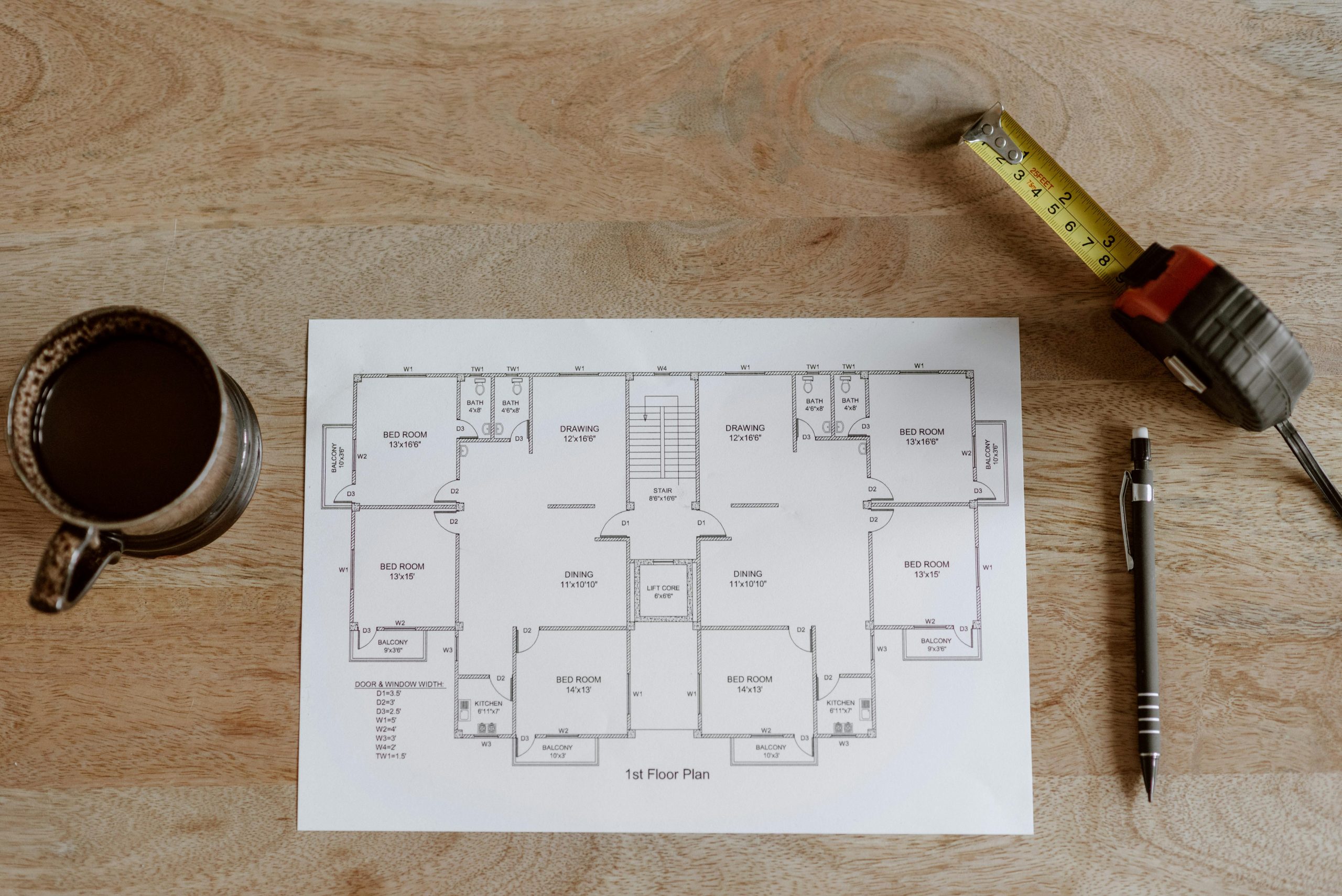
Whether to build an internal BIM team or outsource depends on the scale of your operations and how often you need modeling services.
In-house teams offer full control and quick collaboration but come with ongoing costs like salaries, software, training, and hardware. For firms with regular BIM needs, this may be a good long-term investment. However, the upfront costs can be high – especially when factoring in onboarding and maintaining skilled staff.
Outsourcing, on the other hand, gives you access to experienced professionals without the overhead. It’s often more cost-effective for one-off or short-term projects. Pricing is flexible, and you only pay for what you use. For companies new to BIM or managing a tight budget, outsourcing offers scalability without long-term commitments.
In short, if you need BIM consistently across multiple projects, in-house may be worth it. If you need it occasionally or want to minimize risk, outsourcing is often the smarter option.
The Real Value of 3D BIM Beyond the Initial Cost
While it’s important to understand how much 3D BIM costs, it’s equally important to look at what you’re getting in return. Beyond producing detailed models, 3D BIM brings long-term value that can significantly improve project outcomes.
Here are a few key benefits that often justify the upfront investment:
- Fewer Errors During Construction. A well-developed BIM model helps identify clashes and design issues before construction begins. This reduces rework and prevents costly delays.
- Improved Communication. 3D models are easier for everyone to understand — from architects and engineers to clients and builders. This clarity keeps everyone on the same page.
- Faster Project Delivery. BIM improves coordination and scheduling, helping teams work more efficiently and hit deadlines more consistently.
- Data-Driven Decision Making. Because BIM includes detailed data about materials, systems, and spaces, it supports smarter choices around budgeting, procurement, and long-term maintenance.
- Better Facility Management After Handover. Once construction is complete, the model can be used to support operations and maintenance, saving time and resources over the life of the building.
In short, 3D BIM is not just a cost — it’s an investment in smoother workflows, smarter decisions, and stronger project performance from start to finish.
Conclusion
3D BIM is more than just a design tool – it’s a smart approach to planning, visualizing, and managing construction projects. While the cost of 3D BIM can vary widely depending on project size, level of detail, service scope, and delivery timeline, the value it brings is clear. From reducing errors and improving collaboration to speeding up project timelines, investing in 3D BIM often pays off in better outcomes across the board.
Whether you’re planning a small residential build or a large-scale commercial development, understanding how 3D BIM services are priced and what factors influence the cost can help you make informed decisions. By choosing the right provider and matching the scope to your project’s real needs, you can use BIM not just as a modeling tool, but as a strategic asset.
FAQ
How much does 3D BIM typically cost?
3D BIM pricing usually falls between $0.30 and $0.90 per square foot, or ranges from $5,000 to over $100,000 depending on the project type, size, and level of detail required.
Is 3D BIM more expensive than traditional CAD?
Yes, 3D BIM tends to cost more upfront than 2D CAD, but it often reduces rework, improves coordination, and leads to cost savings during construction and facility management.
What affects the cost of 3D BIM the most?
The biggest cost drivers are project size, level of detail (LOD), turnaround time, number of disciplines involved, and whether services are outsourced or handled in-house.
Do all BIM providers charge the same way?
No, providers use different pricing models – some charge per hour, others by square foot, per deliverable, or by project phase. Some also use hybrid pricing depending on project complexity.
Can small firms afford BIM?
Yes, smaller firms often start by outsourcing BIM services to avoid the overhead of in-house teams. This allows them to access high-quality modeling without long-term commitments.
Is 3D BIM suitable for renovation projects?
Absolutely. Scan to BIM services make it possible to create accurate models of existing buildings, which is especially useful for retrofits, historic preservation, or adaptive reuse.
What is LOD in BIM and why does it matter?
LOD stands for Level of Detail or Level of Development. It defines how detailed and accurate a model is. Higher LODs are more time-intensive to create and typically cost more, but they provide greater value in construction and fabrication phases.
Our Case Studies
We have handled 200+ BIM & VDC projects for commercial, industrial, and residential sectors.
Our work includes:
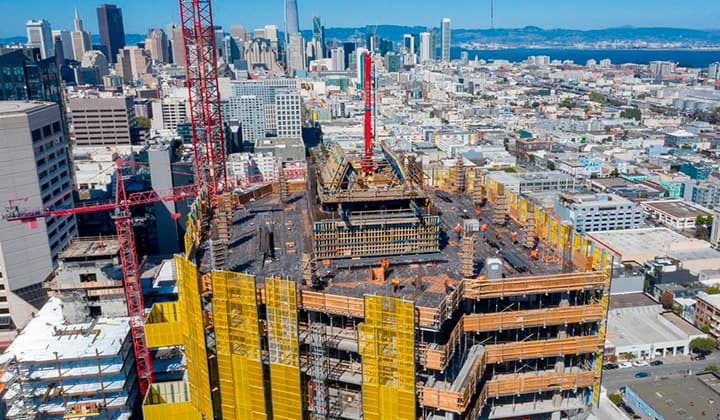
Formwork design automation
Our client from
California, USA
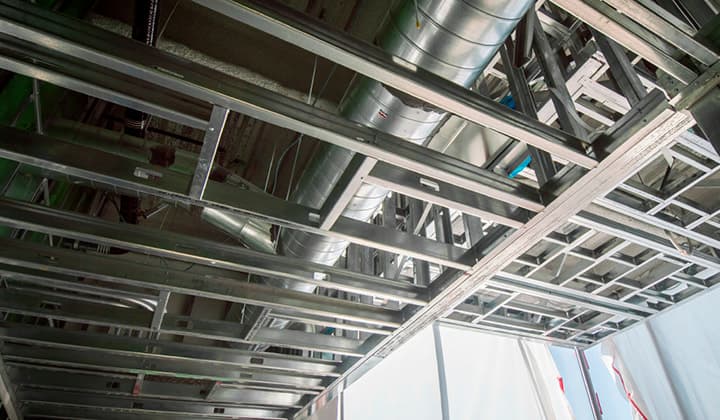
Suspended ceiling design automation
Our client from
New York, USA
Wall framing design automation
Our client from
California, USA