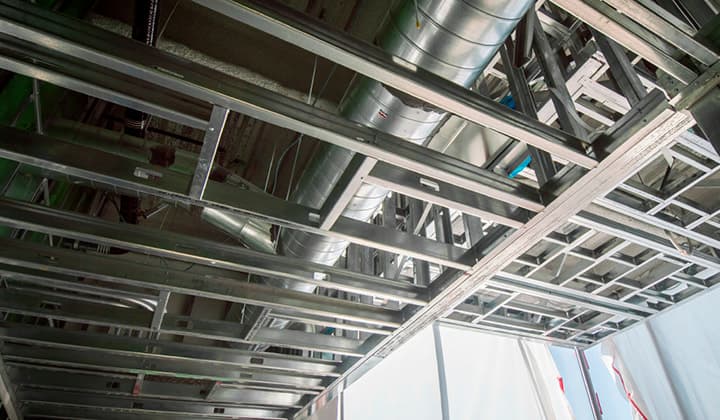
Have any questions? Contact us!
Join our team!
Request a free quote or consultation

Imagine you’ve just built a shiny new office building, hospital, or apartment complex. The construction crew hands over the keys, and now it’s your job to keep everything running smoothly – lights on, air conditioning humming, and tenants happy. Sounds like a lot, right? That’s where BIM facility management comes in, like a digital superhero for building managers. It’s not just a fancy term; it’s a game-changer that makes managing buildings easier, cheaper, and smarter. Let’s break it down in plain English.
What’s BIM, Anyway?
BIM stands for Building Information Modeling. Think of it as a super-detailed, digital blueprint of a building. It’s not just a 3D model with pretty visuals (though it can be that too). It’s packed with info about every part of the building – walls, plumbing, electrical systems, even the brand and warranty of the HVAC unit. This digital model is created during the design and construction phases, but its real magic shines when the building is up and running.
BIM is like having a virtual instruction manual for your building. It tells you where everything is, how it works, and when it needs maintenance. And the best part? Everyone involved – architects, contractors, and facility managers – can access and add to this shared pool of info, making teamwork a breeze.
So, What’s BIM Facility Management?
BIM facility management is when you use that digital model to manage a building after it’s built. Once construction is done, the building enters its “operational phase,” where the focus shifts to keeping things functional, comfortable, and cost-effective. This could mean anything from fixing a leaky pipe to scheduling elevator maintenance or figuring out how to lower the electric bill.
Instead of digging through stacks of paper plans or outdated spreadsheets, facility managers use the BIM model as a one-stop shop for all the info they need. It’s like having Google Maps for your building – every detail, from the location of a fire sprinkler to the last time the boiler was serviced, is just a click away.
Exploring BIM Facility Management with Powerkh

Powerkh is a UK-based company providing comprehensive Building Information Modeling (BIM) services, focused on enhancing the design, planning, and construction phases of building and infrastructure projects. With offices in the UK, Ukraine, and the USA, we leverage our global presence to offer tailored BIM solutions that foster seamless collaboration across international teams. Our services include 3D modeling, clash detection, and data integration, all aimed at ensuring projects are completed with precision, efficiency, and minimal risk.
At Powerkh, we are committed to driving digital transformation within the construction industry. Our BIM solutions help clients streamline workflows, improve project outcomes, and enhance decision-making. By ensuring that all project data is up-to-date and easily accessible, we enable project teams to work more collaboratively and avoid costly errors throughout the project lifecycle.
With a focus on meeting diverse client needs across different regions, we are equipped to reduce delays, manage costs, and ensure successful project completion, no matter the scale or location.
Key Highlights:
- UK-based company with offices in Ukraine and the USA
- Specializes in Building Information Modeling (BIM) services
- Expertise in 3D modeling, clash detection, and data integration
- Supports digital transformation in the construction industry
- Focus on improving project accuracy, efficiency, and collaboration
- Tailored solutions for both small-scale and large, complex projects
- Dedicated to reducing costs, delays, and risks throughout the project lifecycle
Services:
- BIM Services
- 3D Modeling
- Clash Detection
- Data Integration
- BIM Management
- Virtual Design and Construction (VDC)
- BIM Consulting
Why Does BIM Make Facility Management Better?
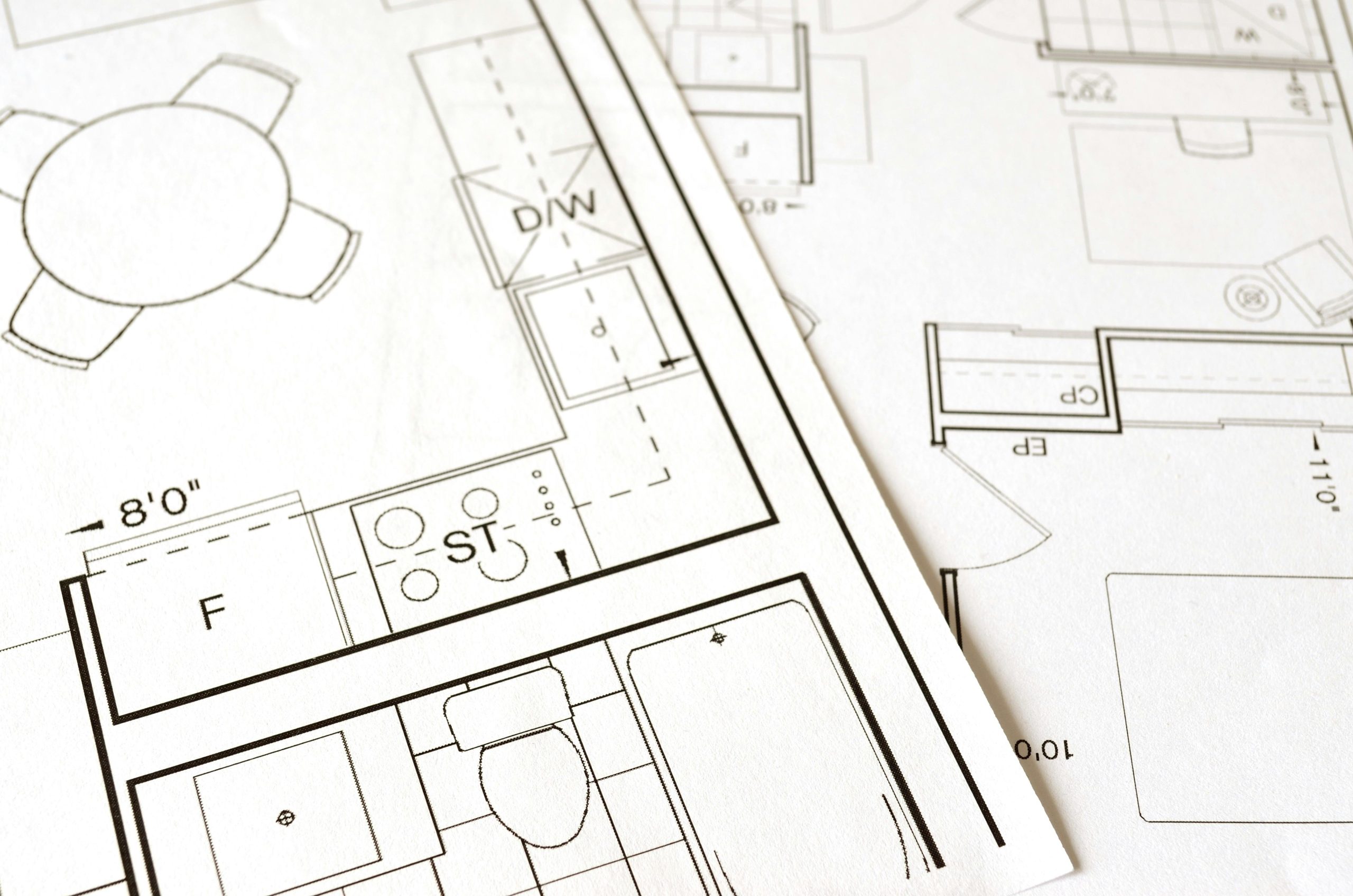
Let’s be real: managing a building can be a headache. Things break, energy bills skyrocket, and tenants complain if the heat’s not working. BIM takes a lot of that stress away by giving managers the tools to stay ahead of problems. Here’s how it helps:
- Know Your Building Inside Out: The BIM model tells you exactly what’s in your building – every pipe, wire, and piece of equipment. Need to replace a broken air filter? The model shows you where it is, who made it, and when it was last swapped out. No more guessing or hunting for lost manuals.
- Plan Maintenance Like a Pro: BIM lets you schedule maintenance before things break. For example, it can remind you that the water heater needs a check-up based on its service history. This “preventive maintenance” saves money by catching small issues before they turn into big, expensive ones.
- Save Energy and Cash: Buildings use a ton of energy, and that’s a huge chunk of operating costs. BIM helps you track electricity, water, and gas usage, so you can spot wasteful habits (like lights left on all night) and make smarter choices, like upgrading to energy-efficient systems. It’s good for your wallet and the planet.
- Make Renovations Less Painful: Planning to redo the lobby or add new offices? BIM shows you the building’s current setup, so you can avoid surprises like cutting into a power line. It also helps you pick the right materials and plan the work to minimize costs and disruptions.
- Keep Costs Down for the Long Haul: Buildings last decades, and BIM helps you plan for the future. It tracks the lifespan of things like roofs or elevators, so you know when to budget for replacements. It’s like having a crystal ball for your building’s expenses.
How Does BIM Facility Management Work in Real Life?
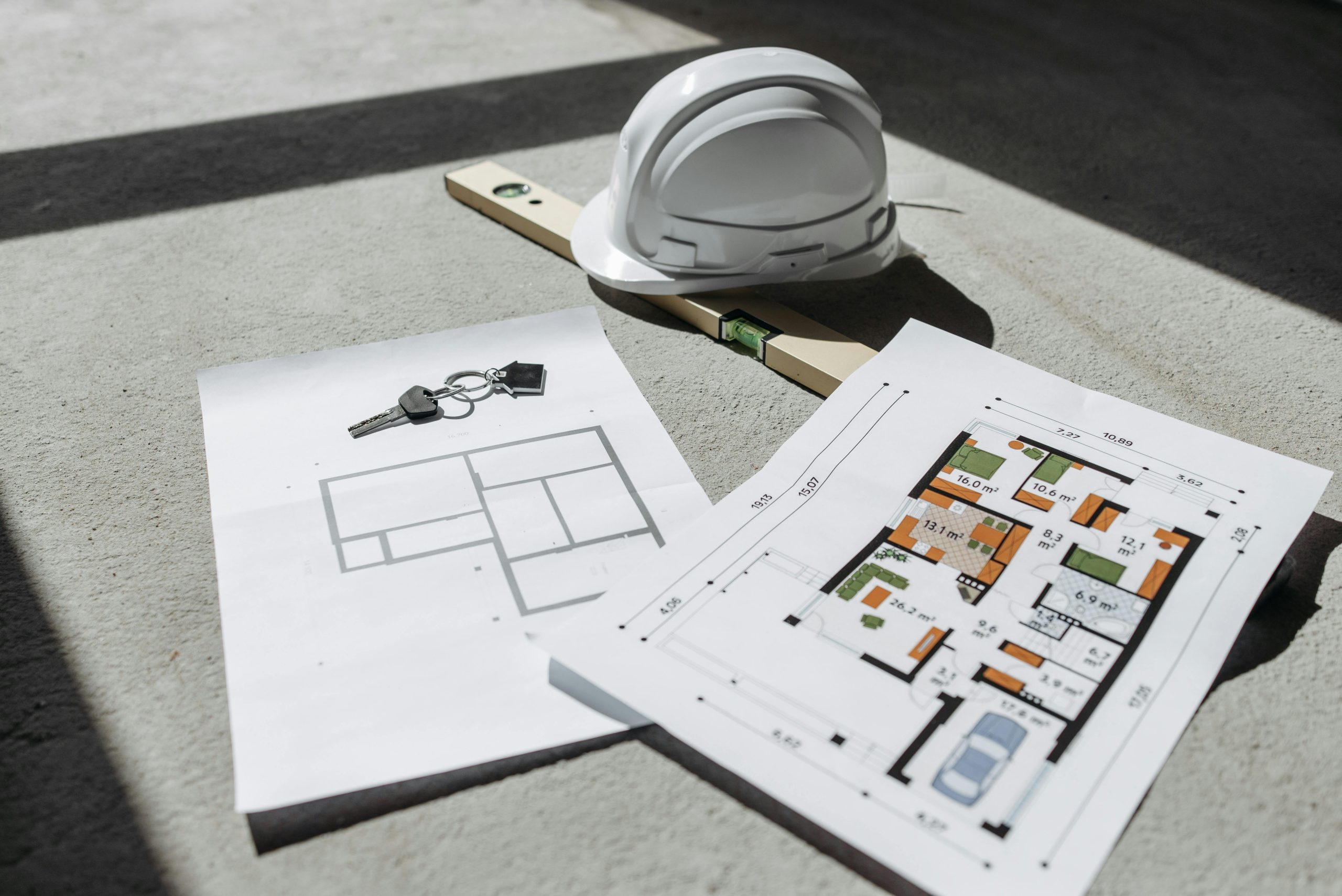
Managing a building like a hospital, office, or school can feel like juggling a dozen balls at once – equipment breaks, energy bills creep up, and there’s always a renovation on the horizon. Without BIM, you’re stuck flipping through paper plans or chasing down missing info. With BIM facility management, it’s like having a digital brain for your building, keeping everything organized and under control. Let’s walk through how it works in a real-world scenario, using a hospital as our example.
Handling Everyday Fixes with Ease
Picture this: a nurse calls to say the light in Room 203 is flickering. You open the BIM model on your laptop or tablet, and in seconds, you’re looking at a 3D view of that exact room. The model pinpoints the light fixture, showing it’s a specific LED model, complete with its serial number and installation date. You check the maintenance log and see it’s nearing the end of its lifespan. Instead of a temporary fix, you order a replacement part and schedule an electrician for a low-traffic time, all in under five minutes. No digging through filing cabinets or calling multiple people to track down details – BIM puts everything at your fingertips.
Staying Ahead with Maintenance
While you’re in the BIM system, a notification pops up: the HVAC system in the east wing needs a filter change next week. The model shows exactly where the filters are, their specifications, and even links to the maintenance manual. You assign the task to a technician and update the schedule, ensuring clean air for patients without missing a beat. This proactive approach, called preventive maintenance, is a big deal – it catches small issues before they turn into expensive emergencies, like a broken heater in the middle of winter. BIM’s data makes planning these tasks a breeze, saving time and money.
Cutting Energy Costs Like a Pro
Energy bills are a huge part of running a building, and hospitals guzzle electricity with all their equipment. Say you notice last month’s bill was higher than usual. Using the BIM model’s energy tracking tools, you dive into the data, which breaks down usage by department. You spot a spike in the radiology wing and trace it to a faulty thermostat running the cooling system overtime. You arrange a repair, adjust the settings, and boom – energy waste is slashed, costs drop, and the building stays comfortable. BIM lets you analyze patterns, compare options, and make eco-friendly choices that save cash.
Planning Renovations Without the Headaches
Now, imagine the hospital wants to renovate a wing to add more patient rooms. Without BIM, you’d be guessing where pipes or wires are, risking costly mistakes. The BIM model shows the current layout in detail – every wall, electrical circuit, and plumbing line, plus info like which walls are load-bearing. This helps you plan the renovation accurately, avoiding surprises like cutting into a gas line. The model also estimates material needs and timelines, so you can budget smartly and keep disruptions to a minimum. Whether it’s a small remodel or a major overhaul, BIM makes the process smoother and cheaper.
Why It Feels Like Magic
In a nutshell, BIM facility management is like having a super-smart assistant who knows every inch of your building. It streamlines daily fixes, predicts maintenance needs, optimizes energy use, and simplifies renovations. For a hospital, this means happier patients, lower costs, and less stress. For any building – be it an office, school, or mall – BIM turns complex management into something you can handle with confidence, keeping everything running like a well-oiled machine.
Why Should You Care?
If you’re a building owner or facility manager, BIM is your secret weapon for keeping things running smoothly without breaking the bank. It’s not just about fancy tech; it’s about saving time, reducing stress, and making your building a better place for everyone in it. Even if you’re not tech-savvy, BIM is designed to be user-friendly, with software that organizes all that data into simple dashboards or reports.
Plus, as buildings get more complex – with smart sensors, eco-friendly systems, and high-tech equipment – BIM is becoming a must-have. It’s like upgrading from a flip phone to a smartphone for managing your building. And with operating costs often being the biggest expense over a building’s life (sometimes 50-80% of the total cost), anything that helps you save money and stay organized is worth a look.
Conclusion
BIM facility management is all about using a digital model to make running a building easier, cheaper, and smarter. It’s like having a super-organized assistant who knows every nook and cranny of your property and helps you stay on top of maintenance, energy use, and renovations. Whether you’re managing a school, an office, or a shopping mall, BIM takes the guesswork out of facility management and puts you in control.
Want to make your building run like a well-oiled machine? BIM’s the key. It’s not just the future of facility management – it’s the present, and it’s making life easier for building managers every day.
FAQs
What exactly does BIM do for facility managers?
BIM, or Building Information Modeling, acts like a digital instruction manual for a building. It gives facility managers a detailed, interactive model packed with info about every part of the building – think plumbing, lighting, HVAC systems, and more. This helps you quickly find details, like where a broken pipe is or when an elevator was last serviced. It streamlines tasks like scheduling maintenance, tracking energy use, and planning renovations, saving time and cutting costs while keeping the building running smoothly.
Do I need to be a tech expert to use BIM for facility management?
Not at all! BIM systems are designed to be user-friendly, even if you’re not a tech wizard. Most platforms have simple dashboards or apps that organize all the data – like equipment details or maintenance schedules – into easy-to-read formats. You might need some basic training to get started, but it’s more about clicking through a digital map of your building than writing code. Think of it like using a smartphone app, not rebuilding the phone itself.
How does BIM help save money on building operations?
Buildings can be expensive to run, especially with energy bills and unexpected repairs. BIM helps by giving you tools to stay proactive. For example, it tracks when equipment needs maintenance, so you fix things before they break and cost a fortune. It also analyzes energy use to spot waste, like a faulty system running overtime, helping you make eco-friendly upgrades that lower bills. Plus, for renovations, BIM ensures you plan accurately, avoiding costly mistakes like hitting a hidden wire.
Can BIM be used for any type of building, or is it just for big projects?
BIM is super versatile and works for all kinds of buildings – hospitals, schools, offices, apartment complexes, you name it. While it’s a rockstar for big, complex projects like hospitals with tons of equipment, it’s just as useful for smaller buildings, like a retail store or community center. Any building with systems to maintain or spaces to manage can benefit from BIM’s ability to organize data, optimize operations, and keep costs in check. It’s like giving any building a digital upgrade!
Our Case Studies
We have handled 200+ BIM & VDC projects for commercial, industrial, and residential sectors.
Our work includes:
Formwork design automation
Our client from
California, USA
Suspended ceiling design automation
Our client from
New York, USA
Wall framing design automation
Our client from
California, USA