Have any questions? Contact us!
Join our team!
Request a free quote or consultation

BIM software, or Building Information Modeling software, is a digital tool used by architects, engineers, and construction professionals to plan, design, and manage building projects. It creates detailed 3D models that not only help visualize a project but also improve coordination, reduce errors, and make the whole process more efficient. Whether you’re working on a small residential project or a massive commercial development, BIM software is now a vital part of how modern buildings come to life.
What is BIM Software?
BIM software, or Building Information Modeling software, is a tool used in the construction industry to create digital models of buildings and infrastructure. It combines 3D models with data to help plan, design, construct, and manage projects more efficiently. BIM software allows architects, engineers, and contractors to collaborate using a single model that updates in real-time, reducing errors and improving project accuracy. It also integrates design, cost, and scheduling information, making it easier to manage the entire project lifecycle.
The Types of BIM Software
There are several types of BIM software, each designed for specific tasks in the construction process. These include:
- BIM Authoring Software: Used to create 3D models of buildings and infrastructure. It includes architectural, structural, and MEP (Mechanical, Electrical, Plumbing) design tools.
- BIM Tools: These software tools handle additional project aspects like scheduling, cost estimation, and energy analysis. They include 4D BIM (time), 5D BIM (cost), and 6D BIM (energy performance).
- BIM Collaboration Platforms: These platforms allow multiple stakeholders, including architects, engineers, and contractors, to work together in a shared cloud environment, ensuring real-time collaboration and updates to the model.
Powerkh: Shaping the Future of Architecture and Construction with BIM and VDC

We are Powerkh, a UK-based BIM and Virtual Design and Construction (VDC) consultancy with offices in Ukraine and the USA. Our company provides BIM modeling, coordination, and automation services for architecture, engineering, and construction. We also specialize in BIM software for architectural, computational design, parametric modeling, and digital fabrication to support efficient project workflows.
In our company, we offer Revit-based 3D modeling, clash detection, Point Cloud to BIM conversions, and workflow automation through custom scripting. We develop parametric Revit families, provide facade detailing, and support prefabrication for CNC manufacturing to streamline digital construction processes.
We focus on integrating BIM methodologies to improve project coordination and minimize design errors. Our team works on both new construction and renovation projects, helping clients transition from traditional drafting to data-driven, model-based workflows.
How BIM Software Works: From Design to Operation
BIM software creates a digital model of a building or infrastructure that combines 3D design with data on materials, costs, and schedules. This model helps teams plan, design, and visualize the entire project. It allows all project members to collaborate in real time, with any updates made to the model automatically reflected across all views.
BIM software is used in four stages: planning, designing, building, and operating. In the planning stage, data is collected to create an accurate model. During design, the model is detailed with drawings, schedules, and other information. In the building stage, the model helps manage construction timelines and logistics. Finally, in the operating phase, the model is used for maintenance and future renovations.
BIM Software Solutions for Different Stages of Construction

There are various BIM software solutions designed for specific tasks in construction and design. Here are some key options:
- Architectural BIM Software: Used for creating and managing architectural designs, including 2D and 3D models, with features like rendering and virtual reality.
- Structural BIM Software: Focuses on the design, analysis, and documentation of building structures, ensuring integration with the overall BIM model.
- MEP BIM Software: Designed for the modeling and management of mechanical, electrical, and plumbing systems, checking for interference and ensuring proper integration.
- Energy Analysis BIM Software: Used for assessing the energy efficiency of buildings, analyzing heat losses, and evaluating environmental impact throughout the lifecycle.
- Cost Estimation BIM Software: Integrates cost data into the BIM model for automatic cost estimation based on changes to the design.
- BIM Collaboration Platforms: Cloud-based platforms that enable real-time collaboration, allowing all project stakeholders to work on a shared BIM model.
Popular BIM Software Solutions
There are several well-known BIM software solutions that cater to different needs in the construction industry. Each software has specific features to help improve the design, collaboration, and management of building projects:
1. Revit
One of the most widely used BIM tools, Revit is known for its comprehensive features for architectural, structural, and MEP design. It allows seamless integration of all design disciplines and supports real-time collaboration.
2. Edificius
A BIM software tailored for integrated architectural design, Edificius provides features for 2D and 3D modeling, rendering, and energy performance analysis, making it ideal for architects and engineers.
3. PriMus IFC
This software focuses on 5D BIM, integrating cost estimation directly into the BIM model. It helps automate the process of quantity takeoffs and provides accurate cost calculations, making it useful for project managers and quantity surveyors.
4. usBIM.platform
A cloud-based collaboration platform that enables all project stakeholders to access and work on a shared BIM model in real time. It supports multidisciplinary collaboration and helps reduce conflicts and errors during construction.
5. TerMus PLUS
This software is designed for energy performance analysis, offering tools for calculating heat losses, thermal bridges, and simulating energy consumption throughout the building’s lifecycle.
Why Use BIM Software in Your Projects?
BIM software helps improve the efficiency and accuracy of construction projects by enabling better collaboration and coordination among all stakeholders. With a single, updated digital model, architects, engineers, and contractors can work together in real time, reducing errors and avoiding miscommunications. This streamlined approach ensures that everyone is on the same page, resulting in fewer delays and a smoother workflow.
Using BIM software also leads to cost savings and time efficiency. By integrating design, cost estimates, and schedules into one model, it becomes easier to track progress, manage budgets, and identify potential issues early on. This proactive approach helps prevent costly mistakes, optimize resource use, and ensure that projects are completed on time and within budget.
Key Features to Look for in BIM Software
When choosing BIM software, it’s important to look for features that enhance collaboration, improve efficiency, and integrate data effectively. Key features to consider include:
- Real-Time Collaboration: Ensure the software allows multiple stakeholders to work on the same model simultaneously, with real-time updates to avoid conflicts and errors.
- Data Integration: Look for software that integrates various data layers such as design, costs, timelines, and material specifications, ensuring all information is easily accessible and up-to-date.
- Clash Detection: The software should automatically identify and highlight any conflicts or interferences between different building systems (e.g., plumbing, electrical, structural), reducing errors during construction.
- User-Friendly Interface: A simple and intuitive interface helps teams work more efficiently, even for those new to BIM technology.
- Compatibility with Other Tools: Ensure the software is compatible with other industry-standard tools (like CAD or project management software) to facilitate seamless integration across different platforms.
Key Advantages of Using BIM Software

Using BIM software in construction projects offers a range of significant benefits that improve efficiency, reduce costs, and enhance collaboration across all phases of a project. Here are the main advantages:
Improved Collaboration
BIM software enables real-time collaboration among all project stakeholders, including architects, engineers, contractors, and clients. This centralized model ensures that everyone works from the same up-to-date information, reducing misunderstandings and improving coordination.
Reduced Errors and Conflicts
By integrating all aspects of a building’s design into a single 3D model, BIM allows for early detection of design errors or conflicts between different systems (e.g., MEP and structural). This proactive issue resolution minimizes costly delays during construction.
Time and Cost Savings
BIM software helps streamline workflows by automating tasks like scheduling, cost estimation, and material tracking. By identifying potential problems early and optimizing resource use, BIM contributes to more accurate budgets and faster project completion.
Better Visualization and Design Flexibility
The 3D modeling feature of BIM allows stakeholders to visualize a project in detail before construction begins. This helps identify design issues, plan layouts more effectively, and make adjustments quickly without impacting the project timeline.
Increased Efficiency Through Data Integration
BIM integrates design, cost, scheduling, and material data into one unified model. This makes it easier to track progress, manage budgets, and ensure that all teams are aligned throughout the project lifecycle.
Enhanced Sustainability
BIM software can be used to analyze a building’s energy efficiency, identify ways to reduce environmental impact, and support sustainable building practices. Tools like 6D BIM provide energy modeling capabilities that help architects and engineers optimize building performance and reduce energy consumption.
How to Choose the Right BIM Software for Your Business
When choosing BIM software, start by assessing the specific needs of your projects. Consider the type of work you do whether it’s architecture, structural design, MEP systems, or a combination of these and select software that offers the right tools for your team. For example, if you primarily work on architectural designs, software like Revit might be ideal, whereas more specialized needs, like structural analysis, might require tools like EdiLus.
Next, evaluate the software’s features, such as 3D modeling, real-time collaboration, and integration with other tools. Look for software that allows multiple users to work on the same model at once and can integrate data from various stages of the project. Ease of use is also important, as a user-friendly interface will reduce the learning curve and help your team get up to speed quickly.
Finally, consider your budget, including potential training costs for team members, and the long-term value the software provides. While some BIM solutions may come with a higher upfront cost, they often result in significant time and cost savings through improved project management and reduced errors. Ensure that the software you choose will scale with your business and meet your needs both now and in the future.
Conclusion
BIM software is an essential tool in modern construction, enabling efficient planning, design, and management of building projects. By integrating 3D modeling with data on costs, schedules, and materials, it helps improve collaboration, reduce errors, and streamline workflows across all phases of a project. Whether for architectural, structural, or MEP design, BIM software enhances the accuracy and efficiency of projects, making it a valuable investment for construction teams looking to optimize their processes and deliver projects on time and within budget.
FAQ
1. What does BIM stand for?
BIM stands for Building Information Modeling, which refers to the process of creating and managing digital models of building projects.
2. What is the purpose of BIM software?
BIM software is used to create, manage, and coordinate digital models of buildings. It integrates various aspects of a project, such as design, cost, and scheduling, into a single model for more efficient planning and execution.
3. Who uses BIM software?
BIM software is used by architects, engineers, contractors, and project managers to design, analyze, and manage construction projects across all stages, from planning to operation.
4. How does BIM software improve collaboration?
BIM software allows all stakeholders to work on the same model in real-time, ensuring that changes are immediately reflected across all views and reducing the risk of miscommunication and errors.
5. What are the benefits of using BIM software?
The benefits of BIM software include improved collaboration, reduced errors, cost and time savings, better project visualization, and the ability to optimize building performance and sustainability.
Our Case Studies
We have handled 200+ BIM & VDC projects for commercial, industrial, and residential sectors.
Our work includes:
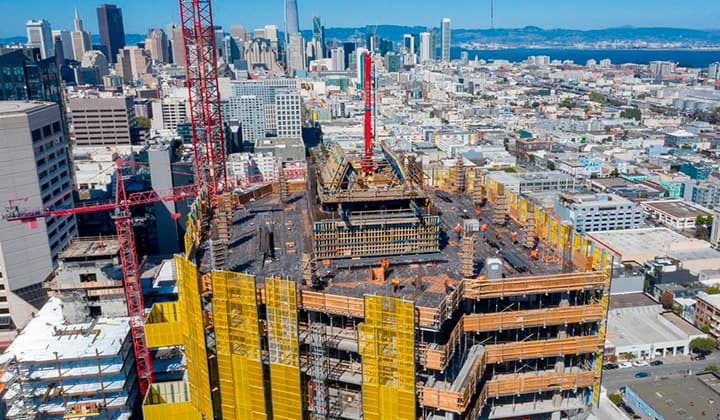
Formwork design automation
Our client from
California, USA
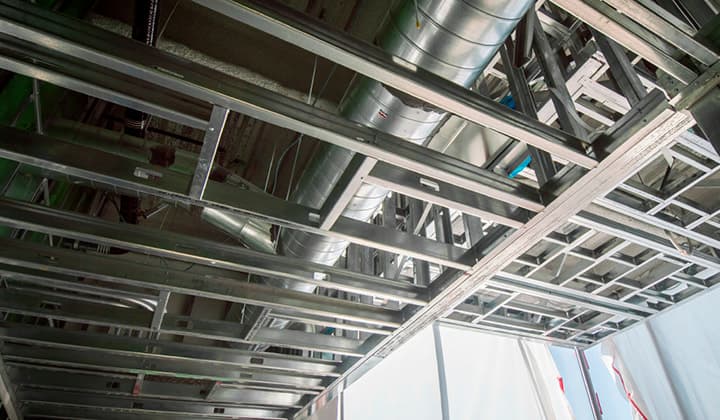
Suspended ceiling design automation
Our client from
New York, USA
Wall framing design automation
Our client from
California, USA