Have any questions? Contact us!
Join our team!
Request a free quote or consultation

Architectural outsourcing is when a business hires external teams to handle parts of the design or documentation process. This could include anything from drafting floor plans to creating full 3D models. Many firms use outsourcing to manage deadlines, reduce overhead, or tap into specialized skills without expanding their in-house team.
What Is Architectural Outsourcing?
Architectural outsourcing is the practice of delegating certain design and documentation tasks to external professionals or specialized service providers, often located in different regions or countries. Instead of handling every stage of a project in-house, architecture firms outsource specific components such as drafting, 3D modeling, rendering, or Building Information Modeling (BIM) to external teams.
These services are typically performed by architects, drafters, or technicians trained in international standards and software platforms like AutoCAD, Revit, SketchUp, ArchiCAD, Lumion, or Rhino. The goal is to support in-house teams by offloading time-consuming or technical work, allowing firms to manage more projects, control costs, or access skills that aren’t readily available internally.
Architectural outsourcing can be project-based, long-term, or task-specific, depending on a firm’s workload and strategic priorities. It is commonly used by architectural practices, construction companies, real estate developers, and multidisciplinary design studios aiming to improve efficiency and scalability without expanding their full-time workforce.
Powerkh: Streamlining Architecture and Construction Through Outsourcing

Powerkh is a UK-based company specializing in architectural outsourcing through Building Information Modeling (BIM) and Virtual Design & Construction (VDC). We offer services to architects, engineers, contractors, and other professionals to improve design and construction management. With offices in the UK, Ukraine, and the USA, we provide flexible and efficient solutions for projects across various regions.
Our services include Architectural drafting, BIM modeling, BIM coordination, Scan to BIM, BIM automation, prefabrication, fabrication, and structural detailing. These services help streamline workflows, reduce errors, and improve the accuracy of project execution, from design through to construction.
We work across a range of sectors, including residential, commercial, and industrial projects. Our goal is to offer tailored BIM solutions that support our clients in moving from traditional methods to digital processes, providing skilled professionals and tools to enhance project efficiency and accuracy.
Core Services Typically Outsourced in Architecture
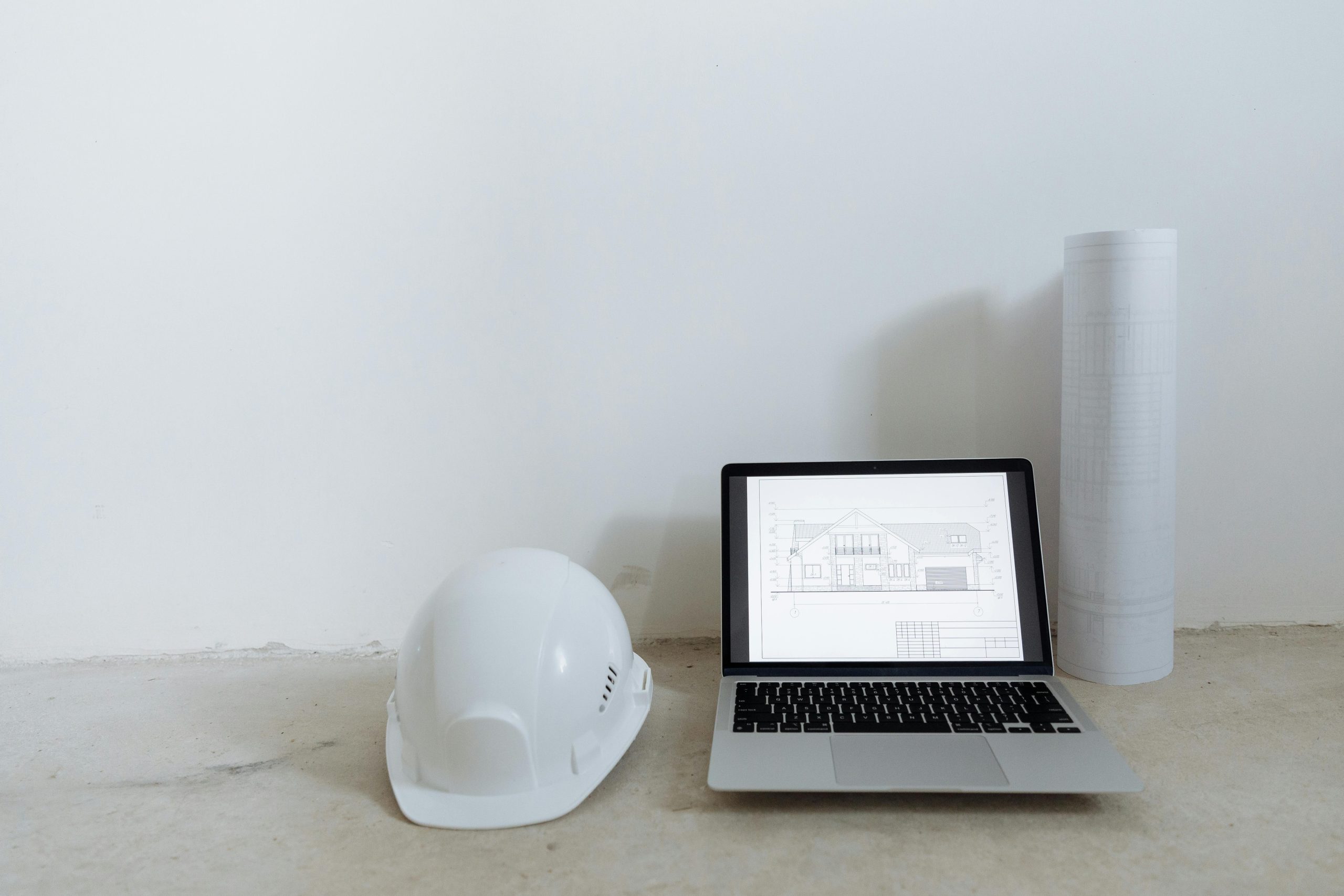 Architectural outsourcing covers a wide range of technical and design-related tasks that support different phases of a building project. These services are often handled by external specialists who work alongside in-house teams to meet deadlines, reduce workloads, or provide expertise in specific tools and methods. Below are the most common service categories involved:
2D Drafting and Technical Drawings
Outsourced teams often produce precise CAD drawings for plans, sections, elevations, and construction details. These documents are prepared according to industry standards and local building codes and form the foundation of most architectural projects.
3D Modeling and Visualization
External modelers use tools like SketchUp, Revit, or Rhino to create three-dimensional representations of buildings. These models help teams test ideas during the design process and can be used later for client presentations or coordination.
Building Information Modeling (BIM)
BIM outsourcing involves the creation of detailed, data-rich models that integrate architecture, structure, and MEP systems. These models improve coordination between disciplines and reduce clashes during construction.
Construction Documentation
This includes the preparation of all final working drawings, schedules, and specifications needed to guide the construction process. Outsourced specialists ensure these documents are clear, complete, and compliant with project standards.
3D Rendering and Animation
Outsourcing visual content such as photorealistic renderings, virtual walkthroughs, and flythrough animations helps architecture firms present concepts in a compelling way. These assets are often used in client meetings, approvals, or marketing.
Specialized Design Support
Depending on the project, firms may outsource niche areas like interior design layouts, landscape architecture, retail space planning, or healthcare facility design. These services often require region-specific expertise or familiarity with particular user needs.
Why Companies Choose Architectural Outsourcing
Architecture firms and related businesses turn to outsourcing for a mix of strategic, financial, and operational reasons. Here are the most common factors driving this decision:
- Cost Efficiency: Outsourcing helps reduce expenses related to full-time staff, such as salaries, benefits, workspace, and software licensing. External teams often operate in regions with lower labor costs, which can significantly cut overhead without compromising output.
- Access to Specialized Skills: Outsourcing opens the door to global talent pools. Firms can work with experienced drafters, BIM specialists, or visualization experts who bring technical knowledge or niche capabilities that may not be available in-house.
- Scalability and Flexibility: Project demands in architecture often fluctuate. Outsourcing makes it easier to scale resources up or down without the need for permanent hires, helping teams stay agile during both peak and quiet periods.
- Faster Project Delivery: Working across time zones allows progress to continue beyond local business hours. This can speed up delivery timelines and support tight deadlines, especially on large or multi-phase projects.
- Focus on Core Activities: Delegating production tasks like drafting or rendering allows internal teams to focus on design direction, client management, and strategic planning areas where their impact is highest.
- Risk Management and Quality Control: Many outsourcing providers have structured workflows, QA processes, and contractual protections in place. This helps reduce design errors, ensure compliance, and distribute responsibility more evenly across the project.
By outsourcing architectural tasks, firms can manage workloads more effectively, stay competitive, and deliver consistent results across a wider range of projects.
Challenges and Considerations in Architectural Outsourcing
While architectural outsourcing offers clear advantages, it also comes with certain challenges that firms need to address to ensure smooth collaboration and high-quality outcomes. Here are key factors to consider before committing to an outsourcing strategy:
- Time Zone and Communication Gaps: Working with teams in different regions can lead to delays in communication or misaligned schedules. Without a clear communication plan, simple questions or approvals can take longer than expected.
- Quality Control and Standards: Maintaining consistency in drawing quality, file organization, and technical accuracy requires close monitoring. Not all providers work with the same design standards, so it’s essential to define expectations upfront.
- Confidentiality and Data Security: Sharing project files, models, and client information across borders involves risk. Firms must ensure that their outsourcing partners follow proper data protection protocols and, when needed, sign NDAs or contracts covering intellectual property.
- Cultural and Work Style Differences: Different professional backgrounds and working styles can lead to misunderstandings or misaligned expectations. Establishing clear workflows and project roles from the beginning helps reduce friction.
- Onboarding and Training Time: Even experienced outsourced teams may need time to understand a firm’s preferred methods, templates, and documentation practices. A proper onboarding process is important for long-term efficiency.
- Dependency on External Schedules: Relying on an external provider means that your timelines can be affected by their internal capacity, holidays, or unforeseen delays. Building in buffers and maintaining regular check-ins helps mitigate this risk.
By preparing for these challenges early on through clear agreements, regular updates, and structured collaboration firms can improve their outsourcing relationships and avoid common setbacks.
Best Practices for Successful Architectural Outsourcing
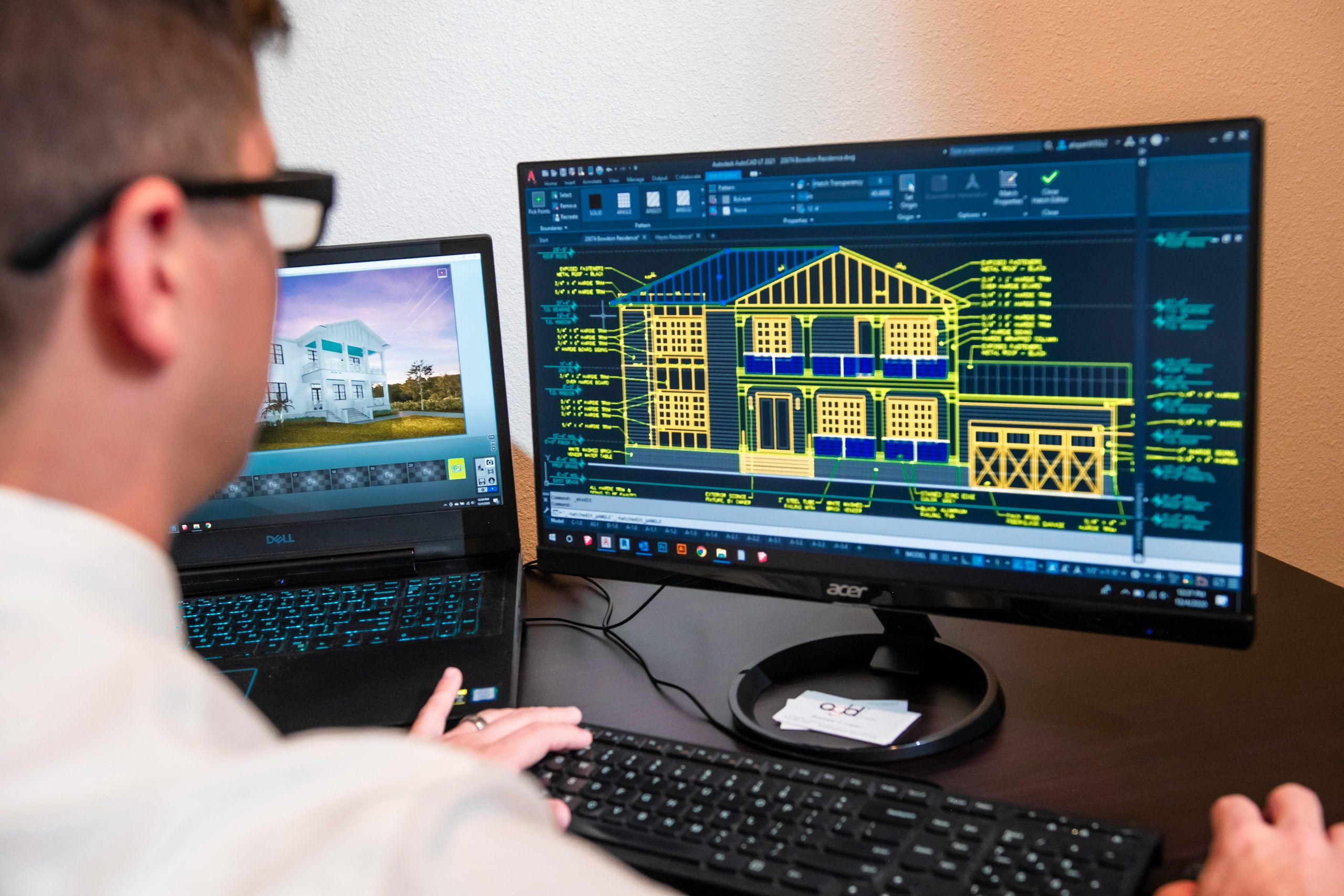
To get the most value from architectural outsourcing, firms should approach it with careful planning, clear expectations, and structured collaboration. Below are key practices that help ensure outsourcing efforts are productive and aligned with project goals.
1. Define Scope and Deliverables Clearly
Start with a well-documented brief that outlines exactly what tasks are being outsourced, the expected output formats, deadlines, and required standards. Avoid vague instructions clarity at the start reduces rework later.
2. Choose the Right Outsourcing Partner
Select a provider with proven experience in architectural projects similar to yours. Review portfolios, request sample work, check references, and assess their familiarity with tools like Revit, AutoCAD, or BIM platforms relevant to your workflow.
3. Establish Communication Protocols
Set up consistent communication routines from the beginning. This includes preferred tools (email, Slack, Zoom), regular check-ins, and expectations around response times. Use shared platforms for real-time file access and version control.
4. Implement Quality Control Checks
Integrate a review process at key stages of the work. Assign internal staff to check accuracy, compliance with project standards, and integration with your existing documentation. Clearly define feedback channels and approval workflows.
5. Provide Access to Templates and Standards
Share your office’s standard drawing templates, file naming conventions, and documentation guidelines. This ensures outsourced work aligns with your internal documentation and is easier to integrate into broader project sets.
6. Start with a Pilot Project
If working with a new team, begin with a small test project or task. This helps evaluate their quality, communication, and reliability before committing to larger or long-term collaborations.
7. Foster Long-Term Collaboration
Outsourcing relationships work best when treated as partnerships, not one-off transactions. Building trust, offering feedback, and maintaining professional consistency encourages better alignment and smoother cooperation over time.
Who Typically Uses Architectural Outsourcing?
Architectural outsourcing is used by a broad range of organizations connected to the design and construction industry. Small and mid-sized architectural firms often turn to outsourcing when they need extra capacity for drafting, modeling, or documentation but want to avoid the costs of hiring full-time staff. This allows them to take on more projects, respond to client needs faster, and stay competitive without overextending their internal resources.
Larger architecture and engineering firms may also outsource, especially when managing large-scale or international projects. In these cases, outsourcing helps cover routine production work or fill in specialized roles like BIM coordination, 3D visualization, or technical detailing. Construction companies, real estate developers, and design-build firms also use outsourcing to speed up workflows, improve documentation quality, or access skills they don’t have in-house. Across all sectors, the appeal lies in greater flexibility, access to global expertise, and more efficient use of internal teams.
Conclusion
Architectural outsourcing has become a practical solution for firms looking to balance growing workloads, reduce operational costs, and access specialized skills. Whether it’s 2D drafting, BIM modeling, or high-quality renderings, outsourcing allows architecture and construction teams to delegate technical tasks to qualified external providers without compromising project quality.
With proper planning, clear communication, and trusted partnerships, outsourcing can improve project delivery, increase flexibility, and allow in-house teams to stay focused on design and strategy. It’s not just a cost-saving tactic, it’s a tool for scaling smarter and working more efficiently in a competitive industry.
FAQ
1. What does architectural outsourcing include?
It typically includes services such as CAD drafting, 3D modeling, BIM coordination, construction documentation, rendering, and other technical support tasks related to architectural design and project development.
2. Is architectural outsourcing only for large firms?
No. Both small and large firms use outsourcing. Smaller firms benefit from increased capacity without hiring new staff, while larger firms use it to manage overflow work or access specialized expertise.
3. What are the risks of outsourcing architectural work?
Risks include communication issues due to time zones, inconsistent quality if expectations aren’t clearly defined, and potential data security concerns. These can be managed with clear agreements, proper onboarding, and reliable service partners.
4. How do I choose a reliable outsourcing partner?
Look for providers with a strong portfolio, relevant experience, knowledge of applicable standards, and clear communication practices. Starting with a test project can help evaluate fit before long-term collaboration.
5. Is outsourcing more cost-effective than hiring in-house?
In many cases, yes. Outsourcing can reduce costs related to salaries, benefits, office space, and software. However, cost-effectiveness depends on the provider’s rates, the project scope, and how well the process is managed.
Our Case Studies
We have handled 200+ BIM & VDC projects for commercial, industrial, and residential sectors.
Our work includes:
Formwork design automation
Our client from
California, USA
Suspended ceiling design automation
Our client from
New York, USA
Wall framing design automation
Our client from
California, USA