Have any questions? Contact us!
Join our team!
Request a free quote or consultation

When planning a construction project, understanding the cost of structural steel detailing is crucial for budgeting. Structural steel detailing involves creating detailed drawings and plans for steel components used in building structures. The cost can vary based on a range of factors, from the complexity of the design to the project’s location. In this guide, we break down what influences the cost of steel detailing and how you can get a more accurate estimate for your project.
What is Structural Steel Detailing?
Structural steel detailing is the process of creating detailed drawings and plans that guide the fabrication and installation of steel components in construction projects. These detailed drawings include precise measurements, material specifications, and assembly instructions for each piece of steel, ensuring the components fit together properly and meet design requirements. Steel detailers use specialized software like 2D drafting and 3D modeling tools to create these drawings, which serve as a blueprint for fabricators and contractors to follow during the construction phase.
In addition to creating detailed plans for steel components, steel detailing also involves checking for potential issues such as structural conflicts, ensuring that each part of the steel structure is properly coordinated with other construction elements. This step is crucial for preventing errors and delays during the fabrication and assembly stages, helping ensure a smooth and efficient construction process.
Understanding Structural Steel Detailing Costs
The cost of structural steel detailing is influenced by various factors that impact the complexity, scope, and quality of the work. The cost of structural steel detailing typically accounts for a small portion of the total steel contract cost, often estimated around 6% to 10% based on industry insights, though this varies by project specifics. While this percentage may seem minimal, the accuracy and quality of detailing directly affect the efficiency of the entire fabrication and construction process.
Factors such as the size and complexity of the project, the type of detailing (2D vs. 3D), and the level of expertise required for the job play a significant role in determining the final cost. Projects with intricate designs or tight deadlines often require more time and expertise, leading to higher detailing costs. Additionally, modern detailing software, such as 3D modeling tools, can offer greater precision and efficiency but may come at a higher cost. Ultimately, investing in skilled detailers and high-quality detailing can prevent costly mistakes, delays, and rework down the line, saving money in the long term.
Powerkh: Your Partner for Accurate and Efficient Steel Detailing

We are Powerkh, a UK-based company specializing in structural steel detailing services, with offices in the USA and Ukraine. Our team provides accurate 3D models, shop drawings, and detailed construction documentation to support efficient project execution. Using advanced Building Information Modeling (BIM) tools, we ensure compliance with local construction codes and help prevent design errors that can lead to costly delays.
Our services include steel and rebar detailing, precast and prefabrication detailing, and curtain wall designs. We also create fabrication drawings, concrete outline plans, bills of materials, and other critical documents needed for manufacturing and construction. We work with various structural materials such as steel, concrete, and wood, ensuring clear coordination between architects, engineers, and fabricators.
With offices in three locations, we serve clients in the US, UK, and Europe. Our engineers use clash detection software to resolve design issues, delivering 3D BIM models and detailed 2D drawings. We also provide project coordination and workflow optimization to improve production efficiency. Our experience spans residential, commercial, and industrial projects.
Factors Affecting Structural Steel Detailing Costs

The cost of structural steel detailing can vary significantly depending on several factors. Understanding these factors is key to managing your budget effectively and ensuring that you receive the best value for the work being performed. Below are some of the primary factors that influence the cost of steel detailing:
1. Project Complexity
The complexity of the steel structure is one of the biggest factors affecting detailing costs. Simple, straightforward designs with basic steel components will typically cost less to detail, as fewer calculations, models, and revisions are required.
However, larger, more intricate projects such as high-rise buildings, bridges, or specialized structures require more detailed plans, advanced modeling, and additional time for the detailer to account for various complexities in the design. The more complex the design, the higher the detailing costs will be.
2. Project Size and Scope
The size of the project plays a significant role in determining costs. A large-scale project with a higher volume of steel components will require more time and effort to detail, which leads to higher costs.
This includes not only the number of components but also the coordination between different parts of the structure. The larger the project, the more detailed the drawings will need to be, which can increase the workload and therefore the cost of steel detailing.
3. Level of Detail and Accuracy
The level of detail required for the project also affects the cost. High-quality detailing, which includes accurate measurements, connection details, and comprehensive documentation, is essential to ensure the steel components fit together correctly during fabrication and installation. While more detailed work may cost more upfront, it prevents costly errors and rework in the later stages of the project. A higher level of accuracy can be especially important in projects with tight tolerances or complicated steel connections.
4. Technology Used (2D vs. 3D Detailing)
The type of detailing software used for the project can significantly influence the costs. Traditional 2D drafting methods may be less expensive but can be more time-consuming and prone to errors. On the other hand, modern 3D detailing software provides a more efficient and accurate method of creating detailed models and is especially useful for complex projects.
While 3D detailing may come at a higher cost, it can ultimately save time, reduce mistakes, and lead to better coordination across various parts of the project, making it a worthwhile investment in many cases.
5. Timeline and Deadlines
Tight deadlines often result in higher detailing costs, as the detailer may need to work extra hours or prioritize the project over others. Rushed work can lead to increased costs due to overtime, errors, or last-minute changes.
If a project requires accelerated timelines or is expected to experience frequent revisions, it’s crucial to factor in additional costs for steel detailing. A well-planned schedule with adequate time for revisions can help mitigate these additional costs.
6. Experience and Skill of the Detailer
The expertise of the steel detailer also plays a significant role in the cost. Experienced detailers with a strong track record of delivering high-quality work will typically charge higher rates than less experienced professionals.
While opting for a cheaper, less experienced detailer may save money initially, it can lead to errors, delays, and rework that ultimately increase the total cost of the project. Investing in skilled detailers can ensure that the project runs smoothly and that the work is completed correctly the first time.
7. Geographical Location
The location of the project can influence steel detailing costs due to differences in labor rates, regional demand, and local regulations. For example, labor costs in high-cost areas like major cities or developed countries may be significantly higher than in regions with a lower cost of living.
Additionally, the availability of skilled detailers in a particular area can impact pricing, with areas that have a high demand for detailing services potentially driving up costs.
Typical Cost Ranges for Structural Steel Detailing
The cost of structural steel detailing can vary based on several factors, including project complexity, size, and the type of detailing required. Below are some typical cost ranges you can expect for steel detailing services, broken down by different pricing models and factors that influence the overall cost:
1. Hourly Rates for Steel Detailers
Steel detailing is often billed based on an hourly rate, especially for smaller or less complex projects. Hourly rates can differ depending on the experience of the detailer and the geographic location of the project. Here are some general guidelines:
- Freelance Detailers: Rates can range from $30 to $50 per hour, typically for entry-level or less experienced detailers.
- Experienced Detailers: Professional firms or highly skilled detailers charge between $60 to $80 per hour. This rate ensures high-quality work, attention to detail, and minimal errors.
- Top-tier Detailers or Firms: Rates for highly experienced detailers, particularly those with specialized expertise, may range from $90 to $120 per hour or more.
2. Cost Per Ton of Steel Fabricated
Another common pricing model for steel detailing is charging based on the tonnage of steel being detailed. This method is often used for larger-scale commercial projects. The cost per ton can vary depending on the complexity and level of detail required:
- Basic Detailing: For simple projects with minimal complexity, the cost per ton typically ranges from $5 to $10 per ton.
- Moderate Complexity Projects: For projects that require more detailed drawings and coordination, the cost may range from $10 to $15 per ton.
- Highly Complex Projects: Large-scale, intricate projects that demand extensive detailing and use of advanced 3D modeling may cost between $15 to $30 per ton or higher.
3. Flat Fee for Small to Medium Projects
For smaller projects, some steel detailing companies may offer a flat fee for their services, particularly when the scope and scale are well-defined. Flat fees can vary greatly depending on the project’s size and complexity:
- Small Projects (Single Structure or Basic Design): These may cost between $2,000 to $10,000 depending on the size and detailing required.
- Medium Projects (Multiple Structures or Complex Design): These projects could range from $10,000 to $30,000 depending on the number of details and revisions involved.
4. Cost Variations Based on Software and Technology
The cost of steel detailing also depends on whether 2D or 3D detailing software is used. 3D modeling requires more advanced technology and a higher level of expertise, which often translates into higher costs:
- 2D Detailing: Traditional 2D drafting is generally cheaper and may cost 10% to 20% less than 3D modeling. This method is typically used for smaller or simpler projects.
- 3D Detailing: Projects requiring 3D modeling, which provides more accurate and efficient results, may increase the cost by 20% to 40% compared to 2D detailing.
5. Cost Based on Project Timeline and Deadline
Tighter project deadlines or expedited services often result in increased detailing costs due to the need for overtime or additional resources. Here’s what to expect based on urgency:
- Standard Timeline: For projects with a standard timeline, costs will be in the lower range of typical pricing models.
- Expedited Projects (Rush Jobs): If the project requires faster turnaround, expect an increase in cost, which could be 20% to 30% higher than normal rates due to the need for faster delivery and potential overtime.
Why Cutting Corners on Detailing Costs Is Risky
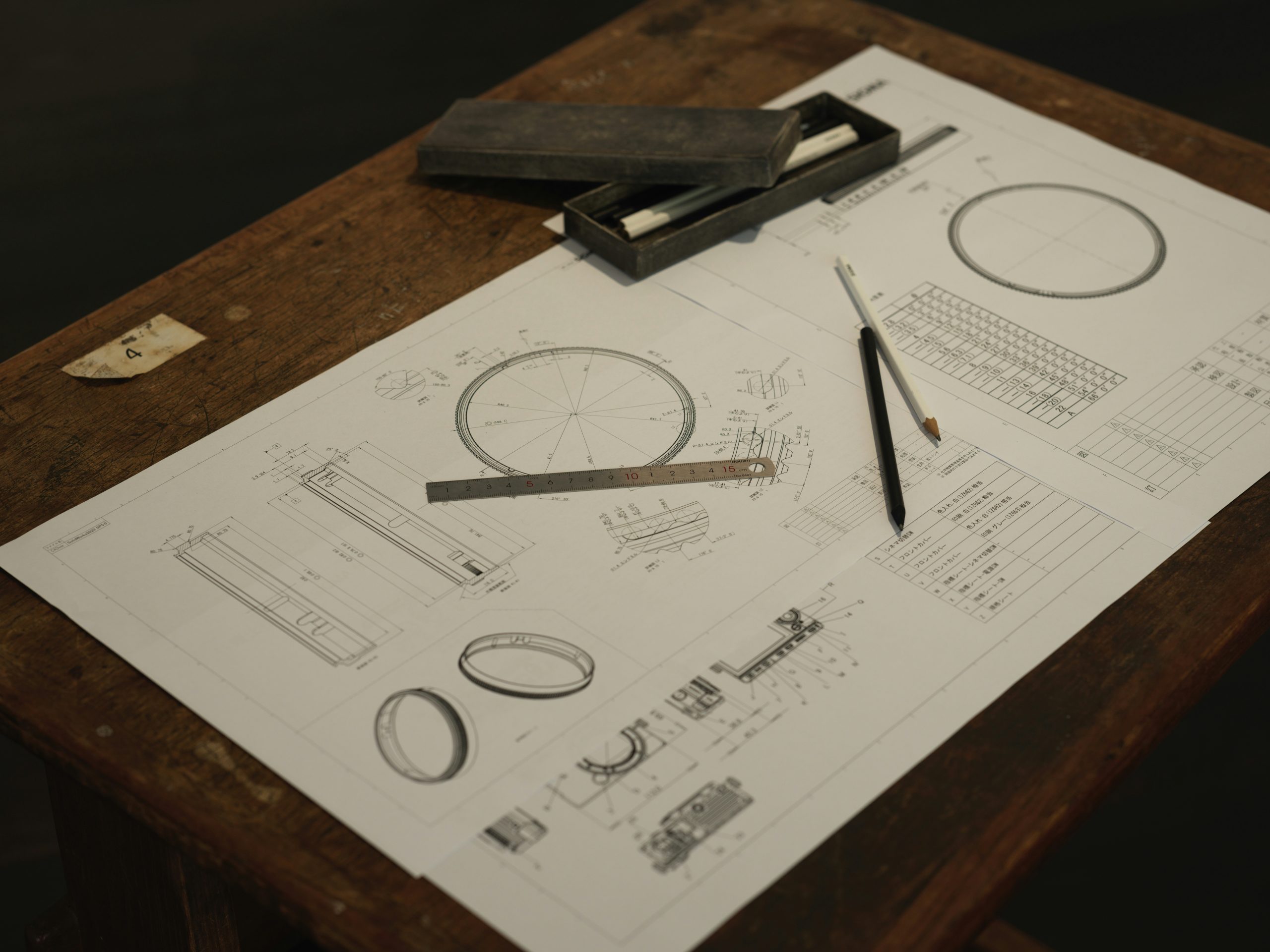
Cutting corners on steel detailing costs may seem like an attractive way to save money in the short term, but it can lead to significant risks and higher expenses in the long run. Here’s why skimping on steel detailing services can have serious consequences for your project:
Increased Risk of Errors and Rework
Steel detailing is a critical process that requires precision and attention to detail. If you hire detailers solely based on low cost without considering their experience or the quality of their work, there’s a higher likelihood of mistakes, such as incorrect measurements or faulty connections. These errors can lead to costly rework during fabrication and installation, ultimately increasing overall project costs. Fixing these mistakes can also cause delays, further pushing up costs.
Delays and Schedule Disruptions
When corners are cut in the detailing process, the accuracy and completeness of the drawings suffer, often causing delays in other parts of the project. For example, late revisions, missing details, or incomplete designs can disrupt the fabrication and construction schedules, causing hold-ups on-site. These delays are costly in terms of both time and labor, potentially affecting the entire construction timeline.
Compromised Safety and Structural Integrity
Steel detailing ensures that all components are properly aligned, and the structure is sound. Poor detailing can result in misaligned parts, incorrect welds, or missing connections that compromise the safety and integrity of the entire structure. If safety issues arise because of faulty detailing, the consequences could range from costly repairs to severe structural failures, potentially putting the safety of workers and occupants at risk.
Wasted Materials and Resources
Inaccurate detailing leads to the use of excessive or wasted materials. For example, if the steel components don’t fit correctly during installation, extra material may need to be purchased to replace faulty parts. Additionally, resources like labor and time are wasted when workers have to address issues that should have been caught in the detailing phase. Ultimately, this results in inefficiencies and higher costs.
Negative Impact on Project Reputation
Cutting corners on detailing can also damage your reputation within the industry. Projects with frequent errors, delays, or quality issues are often seen as unreliable or poorly managed. This can lead to client dissatisfaction, project setbacks, and potential loss of future business opportunities. High-quality detailing is key to maintaining a strong reputation for delivering projects on time and within budget.
Long-Term Cost Increases
While reducing the upfront cost of steel detailing may appear to save money, it can lead to long-term financial consequences. Errors, delays, and quality issues often require expensive solutions down the road. Moreover, the added costs from rework, material wastage, and overtime will exceed any initial savings from cutting costs in the detailing phase. Investing in quality detailing at the outset will help avoid these additional financial burdens.
How to Save on Steel Detailing Without Sacrificing Quality
Saving on steel detailing costs is possible without compromising quality. Here’s how to achieve that balance:
- Hire Experienced Detailers: Choose detailers with a proven track record. They are more likely to produce accurate work, reducing costly errors and rework in the long term.
- Use 3D Modeling: While 3D modeling may cost more upfront, it reduces errors and rework, saving time and money in the fabrication phase.
- Plan for Revisions: Budget for changes. Anticipating revisions and including extra funds in the budget ensures that the project stays on track and avoids rushed, low-quality work.
- Provide Complete Specifications: Clear, detailed plans reduce the chances of mistakes and revisions, helping the detailing process go smoothly.
- Negotiate Fixed Pricing: Fixed pricing or package deals can help control costs. Negotiate a fair price upfront to avoid unexpected increases due to changes or delays.
- Improve Communication: Clear communication between all project teams ensures fewer mistakes and faster revisions, lowering costs and improving efficiency.
- Focus on Key Details First: Prioritize the most critical parts of the project. Avoid over-detailing less important components to save time and money.
Conclusion
The cost of structural steel detailing is influenced by several factors such as project complexity, size, technology used, and the experience of the detailer. While it may seem tempting to cut costs by opting for cheaper options, it’s important to understand that quality detailing is essential for avoiding errors, delays, and additional costs down the line.
By focusing on experienced detailers, using efficient 3D modeling, and planning for revisions, you can manage costs without compromising the quality of the detailing. Ultimately, investing in accurate, high-quality detailing will save time and money in the long run and ensure the success of your construction project.
FAQ
1. What is the typical cost range for structural steel detailing?
Structural steel detailing typically costs between $5 to $30 per ton of steel, depending on the project’s complexity and the detailing method used. Hourly rates for detailers range from $60 to $80 for experienced professionals, while less experienced detailers may charge lower rates.
2. Why is 3D detailing more expensive than 2D detailing?
3D detailing requires advanced software and more time to create accurate, interconnected models. It provides better coordination and fewer errors, ultimately saving money during fabrication and installation, but this comes at a higher initial cost.
3. Can I save money by hiring a cheaper detailer?
While it may save money upfront, hiring cheaper detailers often leads to errors and delays that can increase costs in the long run. It’s better to invest in experienced detailers to ensure quality and avoid costly mistakes.
4. How does project size affect detailing costs?
Larger projects with more steel components require more time to detail, which increases the cost. More intricate designs also require more detailed work, further raising the cost.
5. What factors influence the cost of steel detailing?
Key factors include the complexity of the project, the experience of the detailer, the technology used (e.g., 2D vs. 3D detailing), and the timeline for the project. Tight deadlines can also increase costs due to overtime or expedited work.
Our Case Studies
We have handled 200+ BIM & VDC projects for commercial, industrial, and residential sectors.
Our work includes:
Formwork design automation
Our client from
California, USA
Suspended ceiling design automation
Our client from
New York, USA
Wall framing design automation
Our client from
California, USA