Have any questions? Contact us!
Join our team!
Request a free quote or consultation

Clash Coordinated Model: Revolutionizing Team Collaboration
Have you ever been part of a team where miscommunication led to missed deadlines or conflicting ideas slows everything down? It’s frustrating, right? That’s where the clash coordinated model comes in a new approach designed to help teams work together more efficiently. By identifying potential conflicts early and resolving them collaboratively, this model ensures everyone stays on the same page, projects run smoothly, and goals are achieved faster. Let’s dive in and explore how this works in real-world scenarios!
Powerkh: Delivering Coordinated Precision

Powerkh is a UK-based company with offices in Ukraine and the USA, specializing in clash-coordinated models for construction projects. Our team resolves design conflicts across architectural, structural, and MEP systems to ensure compatibility before construction begins. Using tools like Autodesk Revit and Navisworks, we create accurate, coordinated models that minimize on-site errors and delays.
Operating in the US, UK, and Europe, Powerkh provides a range of BIM services. These include 3D BIM modeling for all levels of development (LOD 100 to LOD 400/500), BIM coordination and consultation with Revit clash detection, and Revit family creation and management. We also offer Scan to BIM services, converting Point Cloud data into BIM models and producing 2D as-built drawings.
Our BIM automation solutions optimize workflows, integrate with BIM software, and provide scripting and generative design tools. We focus on delivering reliable, conflict-free designs that meet project requirements and industry standards.
What is a Clash Coordinated Model?
A clash coordinated model is a unified, conflict-free 3D BIM representation that integrates designs from various disciplines, such as architectural, structural, and MEP systems. It ensures all components work harmoniously without overlaps, conflicts, or scheduling issues. By resolving clashes during the design phase using advanced BIM tools, it minimizes errors, reduces delays, and enhances overall project efficiency.
Importance of Clash Coordination in Construction Projects
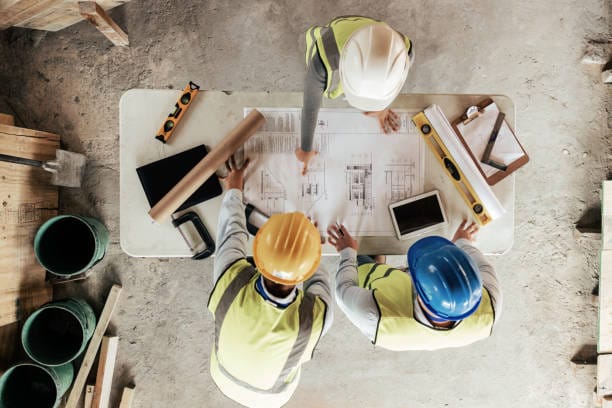
Clash coordination plays a pivotal role in ensuring the success of construction projects by identifying and resolving conflicts between various building systems during the design phase. It reduces the risk of costly on-site errors, delays, and rework by addressing potential clashes before construction begins. By fostering seamless integration among architectural, structural, and MEP-FP systems, clash coordination enhances collaboration between stakeholders, ensuring a more cohesive and efficient workflow.
This process not only improves construction safety by eliminating hazardous overlaps but also optimizes resource utilization, reducing material waste and lowering overall project costs. Furthermore, a well-coordinated model ensures better system performance and long-term operational efficiency, making clash coordination a critical factor in delivering high-quality, sustainable construction projects.
How Clash Coordination Works: Step-by-Step Process
Clash coordination involves a systematic process to identify and resolve conflicts between various building systems during the design phase, ensuring a seamless and efficient construction workflow. Below is a step-by-step breakdown of how clash coordination works:
- Develop Discipline-Specific BIM Models. Create detailed BIM models for each discipline, ensuring all systems are accurately designed and ready for integration.
- Integrate Models into a Unified Platform. Combine all discipline-specific models into a single 3D model to visualize the entire project holistically.
- Perform Clash Detection. Use BIM tools like Navisworks or Revit to identify conflicts between systems in the unified model.
- Analyze and Prioritize Clashes. Review detected clashes, prioritize them by severity and impact, and focus on resolving critical conflicts first.
- Collaborate with Stakeholders. Engage architects, engineers, and contractors to discuss clashes and collaboratively develop solutions.
- Implement Resolutions. Adjust and update the model to resolve identified clashes and prevent future conflicts.
- Update and Validate the Model. Continuously validate the updated model to ensure all conflicts are resolved and no new ones emerge.
- Generate Reports and Documentation. Document the clash detection process and resolutions, providing clear records for project stakeholders.
- Conduct Ongoing Coordination. Perform regular clash detection as the project evolves to maintain consistency and alignment.
Types of Clashes in BIM
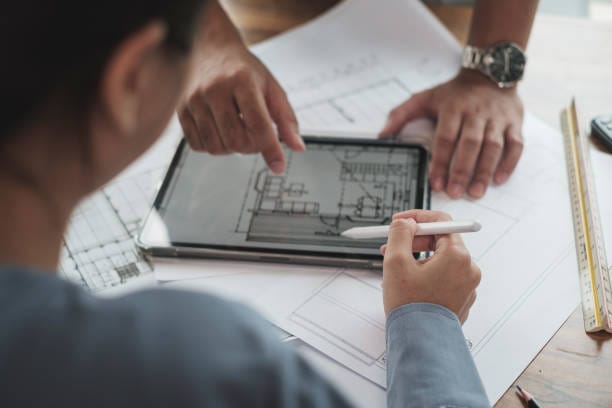
Clashes in BIM are categorized based on the type of conflict they represent, helping project teams prioritize and address issues effectively. Below are the main types of clashes encountered in BIM workflows:
Hard Clashes
These occur when two or more elements occupy the same physical space, such as a duct running through a beam or a pipe intersecting a wall. Hard clashes represent clear conflicts that must be resolved to prevent construction errors.
Soft Clashes
Soft clashes happen when elements do not maintain the required spatial tolerances or clearance zones. For example, a plumbing line placed too close to electrical wiring can create maintenance and safety issues.
Workflow Clashes
These are schedule-related conflicts, such as overlapping timelines for different trades or equipment delivery mismatches. Workflow clashes can disrupt the construction sequence, leading to inefficiencies and delays.
Benefits of a Clash Coordinated Model
A clash coordinated model offers numerous advantages that enhance the efficiency and quality of construction projects. Below are the key benefits:
- Reduces Construction Delays. By identifying and resolving clashes during the design phase, construction teams can avoid on-site interruptions and ensure the project stays on schedule.
- Cuts Costs. Addressing conflicts early minimizes costly rework, reduces material waste, and prevents additional labor expenses.
- Improves Safety. Properly coordinated systems eliminate hazardous overlaps, such as plumbing lines near electrical conduits, reducing the risk of accidents during construction and operation.
- Enhances Building Performance. A clash-free model ensures that all systems, like HVAC, plumbing, and electrical, operate efficiently, improving energy use and occupant comfort.
- Boosts Collaboration. Clash coordination fosters teamwork among architects, engineers, and contractors, leading to more aligned designs and better communication.
- Facilitates Better Facility Management. Properly coordinated systems are easier to access and maintain, lowering long-term maintenance costs and extending the building’s lifecycle.
- Ensures Higher Quality Construction. Resolving clashes in the design phase results in accurate and efficient system installations, leading to fewer defects and a more sustainable project outcome.
Challenges in Clash Coordination
Despite its benefits, clash coordination comes with its own set of challenges that can impact the efficiency of construction projects. Below are some of the key challenges:
- Managing Complex Models. Large-scale projects often involve extensive datasets and intricate designs, making it difficult to manage and integrate models from various disciplines without performance issues.
- Interdisciplinary Integration. Coordinating models created by different teams, using diverse tools and standards, can lead to inconsistencies and compatibility issues, complicating the clash detection process.
- Stakeholder Collaboration. Ensuring seamless communication and alignment among architects, engineers, contractors, and other stakeholders can be challenging, especially when resolving complex clashes that require input from multiple parties.
- Software Limitations. Clash detection tools may produce false positives or fail to identify certain conflicts, requiring additional manual checks and increasing the overall workload.
- Resource and Time Constraints. Tight project schedules and limited resources can pressure teams to rush through clash coordination, potentially leading to missed clashes or unresolved conflicts.
- Skill Gaps. A lack of expertise in using advanced BIM tools and clash detection software among team members can slow down the process and reduce efficiency.
- Ongoing Coordination. As project designs evolve, new clashes may emerge, requiring continuous updates and monitoring, which can be time-consuming and resource-intensive.
Tools and Software for Clash Coordination

Modern clash coordination relies on advanced BIM tools and software to detect, analyze, and resolve conflicts efficiently. Below are some of the most widely used tools for clash coordination:
Revit
A popular BIM design software that offers built-in clash detection capabilities, allowing teams to identify and resolve clashes within models created in the Revit environment.
Navisworks
Known for its powerful clash detection and visualization features, Navisworks enables users to combine models from different disciplines, run clash analyses, and generate detailed reports.
Revizto
An integrated collaboration platform that simplifies clash detection and issue tracking, making it easy to assign and resolve clashes in real-time while centralizing project data for all stakeholders.
Solibri
A BIM quality assurance tool with extensive clash detection features, Solibri allows users to identify false-positive clashes, group conflicts, and ensure compliance with design standards.
MagiCAD
Specialized for MEP systems, MagiCAD provides advanced clash detection tools, detailed system modeling, and efficient workflows for resolving conflicts in mechanical, electrical, and plumbing designs.
Trimble Connect
A cloud-based collaboration platform that offers clash detection, task management, and seamless sharing of BIM data, enabling effective communication between project teams.
Fuzor
A versatile tool with both clash detection and design capabilities, Fuzor supports real-time model updates, clash analysis, and report generation, making it an excellent choice for multidisciplinary projects.
BIMcollab
Focused on issue management, BIMcollab integrates with multiple BIM tools, offering advanced clash detection and coordination features within an accessible interface.
These tools streamline the clash coordination process by providing visualization, reporting, and resolution capabilities, ensuring smoother workflows and better project outcomes. Selecting the right software depends on project complexity, team needs, and integration requirements.
Future Trends in Clash Coordination
Clash coordination is advancing rapidly with the integration of emerging technologies. Below are some key trends shaping its future:
- Artificial Intelligence and Machine Learning. AI-driven tools are automating clash detection and resolution, making the process faster and more accurate.
- Virtual and Augmented Reality (VR/AR). VR/AR allows teams to visualize clashes in immersive environments, improving collaboration and decision-making.
- Real-Time BIM Updates. Cloud-based platforms enable real-time model updates, allowing teams to address clashes instantly as designs evolve.
- Autonomous Clash Resolution. Future tools will suggest or apply fixes for minor clashes automatically, reducing manual effort.
- Modular Construction Integration. As modular construction grows, clash coordination will adapt to ensure seamless integration of prefabricated components.
- Digital Twins and IoT. Integration with IoT and digital twins provides real-time data, improving accuracy and proactive clash detection.
- Sustainability-Focused Coordination. Coordination tools are focusing more on optimizing designs for energy efficiency and environmental standards.
These trends are making clash coordination more efficient, collaborative, and aligned with future construction demands.
Conclusion
The clash coordinated model is a critical element in modern construction, streamlining project workflows, minimizing errors, and improving overall efficiency. By addressing potential conflicts early in the design phase, it reduces construction delays, saves costs, enhances safety, and fosters collaboration among stakeholders.
With advancements in technology like AI, VR/AR, and real-time BIM updates, clash coordination is becoming increasingly efficient and impactful. Embracing a clash coordinated model ensures high-quality construction outcomes, making it a valuable investment for the Architecture, Engineering, and Construction (AEC) industry.
FAQ
1. What is a clash coordinated model in construction?
A clash coordinated model integrates discipline-specific designs, such as architectural, structural, and MEP systems, into a single 3D model to identify and resolve conflicts before construction begins.
2. Why is clash coordination important?
Clash coordination helps prevent costly construction errors, reduces delays, improves safety, and ensures better collaboration between project teams, resulting in higher-quality and more efficient construction.
3. What tools are used for clash coordination?
Popular tools include Revit, Navisworks, Revizto, Solibri, MagiCAD, and Trimble Connect, which assist in detecting and resolving clashes in BIM models.
4. What are the types of clashes in BIM?
Clashes in BIM are categorized as hard, soft, and workflow clashes. Hard clashes involve physical overlaps, soft clashes relate to insufficient spatial tolerances, and workflow clashes occur due to scheduling or sequencing conflicts.
5. How does clash coordination reduce costs?
By resolving conflicts during the design phase, clash coordination prevents expensive on-site rework, reduces material waste, and minimizes labor costs.
6. Is clash coordination beneficial for small projects?
Yes, clash coordination is valuable for projects of all sizes. It ensures smooth workflows, reduces errors, and enhances the efficiency of even small-scale construction projects.
7. What are the future trends in clash coordination?
Emerging trends include AI-powered clash detection, VR/AR integration, real-time BIM updates, autonomous clash resolution, and the use of digital twins for proactive conflict management.

Our Case Studies
We have handled 200+ BIM & VDC projects for commercial, industrial, and residential sectors.
Our work includes:
Formwork design automation
Our client from
California, USA
Suspended ceiling design automation
Our client from
New York, USA
Wall framing design automation
Our client from
California, USA