Have any questions? Contact us!
Join our team!
Request a free quote or consultation

Virtual Design and Construction (or just VDC) is a way to bring everything – and everyone – together on a project before anyone sets foot on site. Instead of working off scattered drawings or relying on guesswork, teams can build a digital version of the project first. It’s not just for show – it’s about figuring things out early, spotting issues before they become expensive problems, and making sure the entire team is working from the same playbook.
Think of VDC as a smarter way to plan and manage construction. It links people, tools, and data into one system so that coordination happens upfront, not during a last-minute panic on site. When it’s used right, it can save time, reduce rework, and make projects run a whole lot smoother from start to finish.
So, What Exactly Is VDC?
At its core, Virtual Design and Construction is about building the project virtually before you build it for real. It pulls together 3D models, schedule data, and team input into one process. You get a clear picture of how the structure and systems will fit – and where things might clash – long before construction kicks off.
Traditional methods often rely on 2D drawings that don’t always show the full picture. VDC flips that. Everyone – architects, engineers, contractors, even owners – can work from the same live model. That means better decisions, fewer assumptions, and less time wasted trying to figure out what went wrong after the fact.
Why Virtual Design and Construction Makes a Difference
VDC isn’t just a buzzword – it solves real problems we see on jobs every day. When it’s set up properly, it makes a visible impact at every stage:
- You catch clashes early: That means fewer costly surprises down the line.
- The whole team stays on the same page: With one live model, communication’s cleaner, and misunderstandings drop.
- Workflows get sharper: You can plan tasks, deliveries, and sequences so crews aren’t stepping on each other.
- You get better data to make decisions: It’s not just drawings – it’s real-time info you can act on.
- It pays off after handover too: Facility teams can use the digital record for maintenance and future upgrades.
What Powerkh Brings to Virtual Design and Construction

At Powerkh, we are a UK-based company specializing in Virtual Design and Construction (VDC) services, with offices in the United States and Ukraine. We assist clients in adopting VDC technologies to streamline workflows and ensure efficient collaboration between architectural, structural, and MEP systems.
Our services include BIM modeling, BIM coordination, Scan to BIM, prefabrication, and structural engineering. We use advanced tools to deliver practical solutions for clash detection, generative design, and workflow automation. These services are designed to address project-specific needs while improving efficiency for architects, engineers, contractors, and on-site teams.
In our company, we use VDC principles to manage complex construction projects. By integrating advanced digital tools, we help clients make informed decisions, improve coordination, and deliver accurate project outcomes. Our work includes detailed shop drawings, prefabrication workflows, and automation processes tailored to meet project goals.
How Virtual Design and Construction Works in Practice

VDC isn’t just one tool or one workflow – it’s more like a framework where everything connects. You’ve got several layers working together: models, data, people, processes. Each piece matters, but the real value shows up when it all clicks into place across the full project lifecycle.
BIM: The Backbone of the Whole Thing
At the heart of VDC is Building Information Modeling (BIM). Instead of juggling a stack of separate drawings – one for structure, one for MEP, another for architecture – BIM puts it all into a single 3D model. But it’s more than just a picture. This model is packed with data, and it becomes the reference point for everything: design reviews, coordination, planning, you name it.
- You get a full 3D view of the project with all systems in one place
- Design, MEP, and structure aren’t just layered – they’re connected
- Tools like Revit and Navisworks help spot clashes and plan the build sequence
CDE: The Central Place Everyone Goes for Info
If BIM is the model, the Common Data Environment (CDE) is where that model – and everything else – lives. It’s the shared space, often aligned with standards like ISO 19650, where teams upload drawings, track revisions, and ensure everyone’s working from the latest version. No more “wrong file” mix-ups.
- All files, updates, and markups live in one digital hub
- Teams stay synced with real-time changes
- Tools like BIM 360 and Autodesk Construction Cloud keep everything organized
CAD: Where the Details Start
Most designs don’t start in BIM – they start in CAD. Engineers and architects use CAD to sketch out concepts and details. Those files then feed into BIM to build out the full model. It’s the bridge between early design work and coordinated digital planning.
- Great for precise 2D and early 3D drawings
- Still a key part of the process before models get built out
- Common platforms: AutoCAD, SketchUp, and others
Collaboration: The Human Side of VDC
All the software in the world won’t help if people aren’t aligned. VDC brings teams together early – architects, engineers, contractors, and owners – so they can make decisions based on the same information. It cuts down on back-and-forth and helps avoid those “we didn’t know” moments on site.
- Stakeholders get involved early instead of reacting late
- Everyone sees the same model, so there’s less guesswork
- Shared data helps decisions get made faster and with more confidence
Quality and Delivery Controls: Keeping Standards Tight
A model is only useful if it’s accurate. VDC workflows usually include multiple review steps and checklists to make sure what’s in the model matches what’s going to be built. It’s not just about avoiding errors – it’s about building with intent.
- Projects go through layered reviews: self-check, peer check, lead sign-off
- Consistency tools help teams stick to standards
- Regular updates keep the model aligned with the real-world build
Where VDC Adds the Most Value
VDC isn’t limited to the design phase or just used at kickoff. It spans the full lifecycle – from early planning through to construction and even into building operations. Let’s break it down by phase.
Pre-Construction: Plan Before You Build
Some of the biggest gains show up before any work starts on site. VDC helps teams test their plans in a virtual environment so they can catch problems while they’re still easy to fix.
- You can detect clashes early using combined models
- Run schedule and cost simulations to get realistic forecasts
- Map out materials, labor, and deliveries – no more guesswork
- Project managers can literally “walk” through the build and tighten things up ahead of time
During Construction: Keep the Job Moving
Once the build starts, VDC becomes the go-to reference. Models are updated in real time, so field crews always have the latest info. And if something changes, it’s visible to everyone immediately.
- Platforms like Procore and Trimble Connect give site teams live access to drawings and updates
- Progress tracking helps spot issues before they become delays
- Comparing “what we planned” vs. “what we’ve built” keeps the work on course
- The end result: less rework, fewer surprises, smoother handoffs
Post-Construction: Support That Lasts Beyond Handover
VDC doesn’t stop once the ribbon’s cut. The same digital model built during design and construction becomes a practical tool for facility managers. Instead of paper manuals and spreadsheets, they get a data-rich snapshot of the building.
- Models include layouts, equipment specs, maintenance schedules
- Owners can use it for upgrades, repairs, or renovations down the line
- Facility teams get a full, accurate view of what’s in the walls
- It’s not just a record – it’s a long-term asset
Popular VDC Software and Platforms
Virtual Design and Construction relies on a mix of tools that handle modeling, scheduling, coordination, and project management. Each one brings a specific function, but together they form the backbone of a connected workflow.
- Autodesk BIM 360: A cloud-based platform that keeps project data in one place. Teams use it to share models, drawings, and updates in real time, which helps avoid confusion over outdated files.
- Navisworks: Known for clash detection, Navisworks integrates models from different disciplines. It gives teams a single view of how architectural, structural, and MEP systems fit together, making coordination far easier.
- Synchro: This tool adds a time dimension to modeling, often called 4D, linking construction schedules to 3D models for sequencing simulations. By linking schedules to 3D models, it allows managers to simulate construction sequences and optimize workflows before work begins.
- Procore: A widely used construction management platform. Procore connects schedules, budgets, and task assignments, while also integrating with other VDC tools to give a more complete project overview.
- Trimble Connect: A collaboration platform that helps field teams access up-to-date models and project data directly on site. It bridges the gap between the design office and construction crews.
- Revit: One of the most common BIM modeling tools. Revit enables architects, engineers, and contractors to create detailed 3D models that serve as the foundation for VDC workflows.
Quality Assurance in VDC Projects
In VDC projects, quality isn’t something you tack on at the end – it’s baked into every step. From the moment a model starts taking shape, it’s being checked, cross-checked, and run through the wringer to make sure it holds up. Usually that means a layered review cycle: the person building the model does a first pass, a teammate gives it a second look, and then someone more senior signs it off. Simple, but effective. It catches issues before they land on site and turn into bigger problems.
Checklists play a big role too. They help teams focus on what matters – like making sure everything lines up with scope, that systems are properly coordinated, and that nothing gets missed before handover. When you use the same system consistently, it builds trust. Clients know the digital version they see isn’t just for show – it’s something they can rely on once boots hit the ground.
There’s also the compliance angle. It’s not just about your own internal standards. VDC deliverables need to meet outside regulations too, whether that’s local building codes or industry benchmarks. And that’s why structure matters – clear processes, accountability, and the discipline to keep the quality bar high without slowing the whole thing down.
Where VDC Runs Into Real-World Limits

There’s no question VDC changes the game, but it’s not perfect. Like anything that depends on people, tools, and data all working together, it’s only as strong as its weakest link. And yeah, sometimes the challenges are more practical than technical.
The Learning Curve Is Real
For teams that have been working with 2D drawings for years (or decades), shifting to VDC can feel like landing on another planet. The tools are powerful, but they’re not always intuitive. If training isn’t built in from the start, people struggle to use the tech properly – or avoid using it at all. That slows down adoption and eats away at the value VDC brings.
Upfront Costs Can Sting
Let’s be honest – the software isn’t cheap, and neither are the machines you need to run it. For smaller companies or tight-budget projects, those upfront costs can feel like a hard stop. The payoff usually comes down the line, with smoother coordination and fewer mistakes, but the initial price tag can still make people flinch.
Data Management Gets Messy Fast
A shared data environment is great – until it’s not. Big projects mean lots of models, revisions, markups, and documents. Keeping that all organized (and making sure the right people can find what they need) takes real effort. If data gets messy, it can actually make things slower, not faster.
Change Takes Time
Construction is built on routines, and switching to a new way of working isn’t always welcomed with open arms. Some teams stick to what they know, even if it’s less efficient. That kind of pushback can drag out the transition to VDC or lead to half-measures that don’t deliver the full benefit.
Conclusion
VDC isn’t just a trend. It’s how more and more projects are getting delivered – with better planning, tighter coordination, and fewer surprises along the way. It gives teams the tools to see problems early, make smarter decisions, and keep everyone aligned from design through to handover.
But it’s not plug-and-play. The real value comes when the right people, tools, and processes come together. That’s when VDC shifts from a buzzword to a real backbone – something that makes projects more predictable, transparent, and manageable. For companies ready to adapt, it’s not about catching up – it’s about setting a new baseline for how things get built going forward.
FAQ
What does Virtual Design and Construction actually do?
It creates a full digital version of the project before anything is built. That way, teams can test designs, find conflicts, and map out construction before it gets real – which saves time and cuts down on mistakes.
How is VDC different from BIM?
BIM is the model – a 3D file packed with data. VDC is the bigger process that uses that model (plus scheduling, coordination, and project management tools) to run the job from start to finish.
Is VDC only useful for large projects?
Nope. Big jobs might see the biggest return, but even mid-sized residential or commercial projects benefit from better coordination and fewer headaches.
What kind of software is used in VDC?
You’ll usually see tools like Autodesk BIM 360 for sharing data, Navisworks for clash detection, Synchro for time-linked modeling, and Procore for managing the day-to-day. Each one handles a slice of the workflow, and together they keep things running smoothly.
Our Case Studies
We have handled 200+ BIM & VDC projects for commercial, industrial, and residential sectors.
Our work includes:
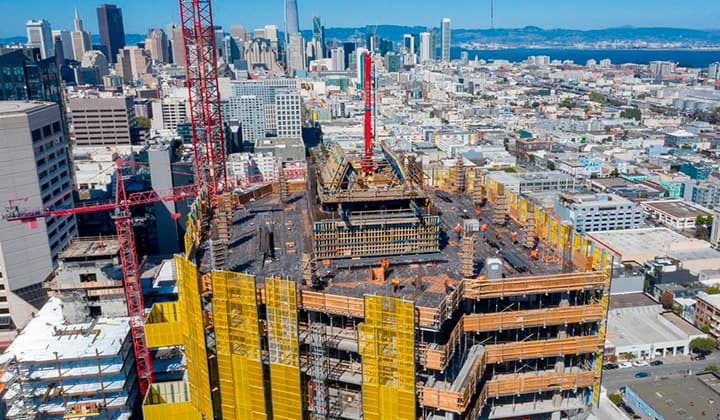
Formwork design automation
Our client from
California, USA
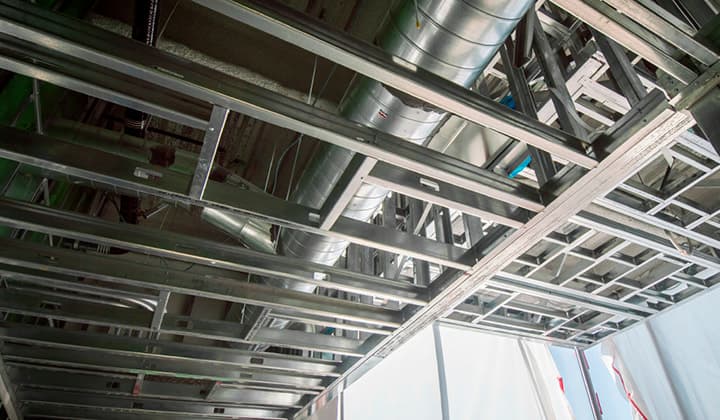
Suspended ceiling design automation
Our client from
New York, USA
Wall framing design automation
Our client from
California, USA