Have any questions? Contact us!
Join our team!
Request a free quote or consultation

What Is Structural Engineering and Why It Matters in Construction
Structural engineering is all about making sure buildings, bridges, and other structures stay standing and safe. It’s a branch of engineering that focuses on how structures support and resist loads, like weight, wind, or earthquakes. Whether it’s a house, a skyscraper, or a stadium, structural engineers are the ones who figure out how to make it strong enough to last.
What Is Structural Engineering in Simple Terms
Structural engineering is the part of engineering that makes sure buildings, bridges, and other structures can hold up under pressure and stay safe to use. It’s about figuring out how to support weight, resist forces like wind or earthquakes, and keep things from breaking, bending, or collapsing.
In simple words, structural engineers design the “skeleton” of a structure: the beams, columns, foundations, and other parts that carry the load. They use math, physics, and knowledge of materials to make sure that what gets built is strong, stable, and durable. Whether it’s a house, a stadium, or a highway bridge, structural engineering helps make it safe to stand on, walk into, or drive over.
What Does a Structural Engineer Do?

A structural engineer is responsible for making sure that buildings and other structures are safe, stable, and able to handle all the forces they’re exposed to. Their main job is to calculate how loads like weight, wind, snow, and even earthquakes will affect a structure, and then design the framework that can support it. Here are some of the key tasks a structural engineer performs:
- Designing structural elements such as beams, columns, slabs, and foundations to support loads safely.
- Calculating forces and stresses to determine the right materials and dimensions for each part of a structure.
- Reviewing architectural plans to make sure the design can be built without compromising safety or function.
- Inspecting construction sites to ensure everything is built according to plan and meets engineering standards.
- Evaluating existing buildings, especially during renovations or after damage, to check for weaknesses or safety issues.
Powerkh’s Role in Reliable and Precise Structural Engineering

At Powerkh, a UK-based structural engineering company with offices in the United States and Ukraine, we provide structural engineering and detailing services for residential, commercial, and industrial projects. Our work includes conducting structural analyses, creating 3D models, preparing shop drawings, and providing construction documentation to facilitate project execution.
Our services cover steel design, reinforced concrete design, steel detailing, rebar detailing, precast and prefabrication element detailing, curtain wall detailing, and concrete outline drawings. Using Building Information Modeling (BIM) and clash detection tools, we prepare accurate designs and resolve any identified conflicts in project documentation. We also create parametric visual databases and interactive 3D models to assist with project planning.
In our company, we collaborate with architects, engineers, fabricators, and contractors to ensure all structural components meet project requirements and follow construction codes. Our services also include BIM coordination, material takeoffs, and shop drawings to support clear and consistent project documentation.
Where Structural Engineering Services Are Needed

Structural engineering plays a key role in many areas of construction and development. Whether it’s a small residential project or a large industrial facility, structural analysis and design are essential for safety, stability, and compliance. Here are the main areas where structural engineering is required:
Residential Construction
In housing projects like single-family homes, townhouses, or apartment buildings structural engineers ensure the foundation, walls, and roof can support everyday loads and environmental forces. They are often involved in:
- New home construction
- Loft conversions and basement extensions
- Adding extra floors or load-bearing walls
- Reinforcing older buildings to meet modern standards
Commercial and Office Buildings
For office complexes, shopping centers, hotels, and mixed-use developments, structural engineers design frameworks that can support larger spans, higher loads, and specific architectural features. Their work includes:
- Designing long-span floor systems
- Planning for equipment or HVAC weight
- Ensuring structural fire resistance
- Complying with occupancy and safety codes
Renovation and Structural Alterations
Modifying existing buildings often requires expert evaluation to avoid compromising structural integrity. Engineers assess load paths and check if walls or beams can be safely removed or altered. Typical tasks include:
- Structural surveys before renovation
- Opening up floor plans by removing walls
- Reinforcing structures for new uses
- Upgrading for current seismic or wind-load codes
Industrial and Infrastructure Projects
In factories, warehouses, and utility infrastructure (e.g. bridges, water treatment plants), structural engineering supports heavy equipment, dynamic loads, and specific design codes. Applications include:
- Designing vibration-resistant foundations
- Supporting cranes, machinery, and piping systems
- Engineering elevated platforms or mezzanines
- Ensuring durability in aggressive environments (moisture, chemicals)
Damage Assessment and Safety Inspections
When buildings suffer from age, weather, fire, or accidental damage, structural engineers assess the extent of deterioration and provide solutions for repair or reinforcement. This includes:
- Visual inspections and structural reports
- Identifying cracks, settlement, or corrosion
- Recommending repairs or retrofits
- Confirming safety before reoccupation
Key Structural Elements
Every building or structure relies on a set of core components that work together to support weight, resist forces, and maintain stability over time. These are the main structural elements that structural engineers design and evaluate in almost every project:
1. Foundations
The foundation is what transfers the entire weight of the structure to the ground. It must be strong enough to prevent settlement or shifting. Common types include shallow foundations (like strip or pad footings), deep foundations (such as piles or caissons), and combined or specialized foundations, chosen based on soil conditions and load requirements.
2. Columns
Columns are vertical elements that carry compressive loads from floors or roofs down to the foundation. Their design must prevent buckling or crushing under pressure. Columns can be made from concrete, steel, timber, or a combination of materials.
3. Beams
Beams are horizontal elements that span across walls or columns to support loads from above, such as floors or roofs. They transfer weight to the columns or load-bearing walls. Beams must resist bending and are carefully calculated based on span length and expected loads.
4. Slabs and Floors
Slabs are flat, horizontal components that create floors and ceilings. They distribute loads to beams and walls and can be solid concrete, composite materials, or precast panels. In multi-story buildings, slab thickness and reinforcement are critical for strength and vibration control.
5. Walls
Structural walls, especially load-bearing walls help support vertical loads and can also resist lateral forces like wind or seismic activity. Unlike partition walls, they are an integral part of the structure’s stability. Reinforced concrete, brick, or block masonry are common materials.
6. Bracing and Lateral Supports
Bracing systems resist side-to-side (lateral) forces from wind, earthquakes, or uneven loads. They can take the form of diagonal steel members, rigid frames, or shear walls. Without proper bracing, even a strong vertical structure could collapse under lateral stress.
Why Structural Engineering Matters
Structural engineering plays a critical role in ensuring that every building or infrastructure project is safe, functional, and built to last. Here’s why it’s so important:
- Protects lives and property. Structural engineers design buildings to withstand loads, weather conditions, and unexpected stresses like earthquakes or strong winds.
- Prevents structural failures. Through careful calculations and analysis, engineers identify risks early, reducing the chances of cracks, collapse, or costly construction errors.
- Ensures compliance with safety codes. Every region has building codes and regulations. Structural engineers make sure projects meet all legal and safety requirements.
- Optimizes use of materials. Engineers help avoid overbuilding or waste by choosing the right materials and determining how much is truly needed for a safe structure.
- Supports long-term durability. A good structural design takes into account not just current needs, but future use, maintenance, and environmental wear.
- Improves coordination with other disciplines. Structural engineers work closely with architects, contractors, and inspectors to ensure that the design vision is practical, safe, and buildable.
How Structural Engineering Supports Sustainable Construction

Structural engineering plays a crucial role in reducing the environmental impact of construction. By focusing on efficiency, durability, and smart material use, structural engineers help create buildings and infrastructure that are both safe and sustainable. Here’s how:
Optimizing Material Usage
Structural engineers precisely calculate the amount and type of material required to meet safety standards without excess. This reduces overbuilding, cuts down on construction waste, and minimizes the carbon footprint of a project.
Using Recycled and Low-Impact Materials
Modern structural designs can integrate sustainable materials such as recycled steel, low-carbon concrete, or engineered timber. Engineers ensure these materials meet strength and safety requirements while supporting greener construction practices.
Retrofitting Instead of Demolishing
When older buildings need upgrades, structural engineers assess them for reuse rather than replacement. Strengthening or modifying existing structures preserves materials, reduces landfill waste, and extends the building’s life without starting from scratch.
Improving Energy Efficiency
Structural engineers collaborate with architects to design thermally efficient buildings. Proper placement of thermal mass, insulation, and shading elements can significantly reduce a building’s energy demands for heating and cooling.
Reducing Long-Term Maintenance and Repairs
Durability is key to sustainability. Engineers design structures that require less maintenance over time, lowering the need for additional resources and reducing lifecycle emissions associated with frequent repairs or material replacements.
Conclusion
Structural engineering is the backbone of safe and functional construction. It’s what ensures that buildings, bridges, and other structures can handle real-world conditions like weight, weather, and time without failing. From choosing the right materials to calculating loads and reinforcing designs, structural engineers work behind the scenes to protect lives, reduce costs, and extend the life of the built environment.
Whether you’re building a new home, renovating an old one, or planning a large-scale commercial project, structural engineering plays a vital role in making sure the structure is not only possible but safe, efficient, and long-lasting.
FAQ
1. Is structural engineering the same as civil engineering?
Not exactly. Structural engineering is a sub-discipline of civil engineering that focuses specifically on the strength and stability of structures. Civil engineering covers a broader range of infrastructure-related areas like transportation, water systems, and geotechnical work.
2. When do I need a structural engineer?
You typically need one when building a new structure, making major renovations (like removing load-bearing walls), repairing structural damage, or obtaining permits for certain types of construction. Structural engineers are also required for structural reports and inspections.
3. What do structural engineers actually do?
They design and analyze structural elements like beams, columns, foundations, and slabs to ensure the structure can support loads and resist forces such as wind, vibration, and seismic activity. They also inspect construction sites and existing buildings for safety and compliance.
4. What’s the difference between an architect and a structural engineer?
An architect focuses on the appearance, layout, and functionality of a building. A structural engineer ensures the design is safe and structurally sound. They often work together on projects.
5. Can a structural engineer help with small residential projects?
Yes. Structural engineers are often involved in residential work, including home extensions, loft conversions, foundation assessments, and repairing cracks or other signs of damage.
6. Are structural engineering services required by law?
In many cases, yes especially when applying for building permits, passing inspections, or complying with safety regulations. Legal requirements vary by region, but involving a structural engineer is often necessary to meet code.
7. How do structural engineers support sustainability?
They optimize material use, reduce waste, design for long-term durability, and enable the reuse of existing buildings. They also help integrate energy-efficient systems into structural designs.
Our Case Studies
We have handled 200+ BIM & VDC projects for commercial, industrial, and residential sectors.
Our work includes:
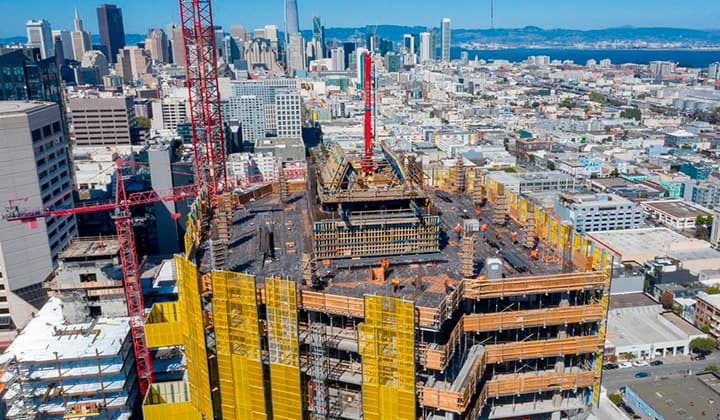
Formwork design automation
Our client from
California, USA
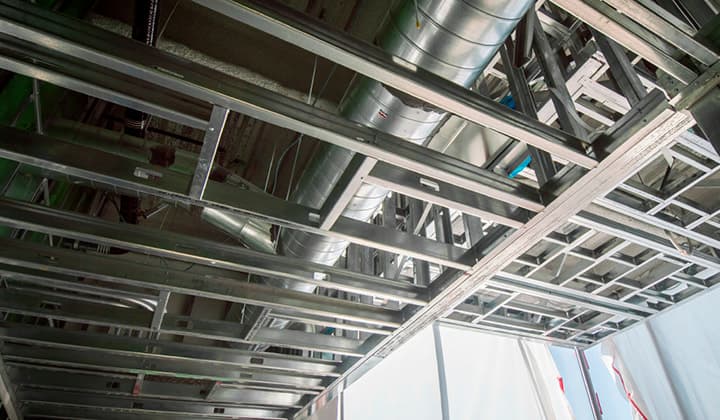
Suspended ceiling design automation
Our client from
New York, USA
Wall framing design automation
Our client from
California, USA