Have any questions? Contact us!
Join our team!
Request a free quote or consultation

Demystifying Reality Capture: Your Guide to Capturing the Real World Digitally
Ever walked onto a job site and wished you could bottle up every detail – the exact curve of a beam, the hidden wiring behind a wall, or even how sunlight hits the facade at noon? That’s where reality capture comes in, like a superpower for turning messy real-world spaces into clean, usable digital versions. I’ve been in the trenches of construction tech for years, and let me tell you, this isn’t just fancy jargon; it’s a game-changer that’s making projects smarter, faster, and less headache-inducing. In this piece, we’ll unpack what reality capture is all about, why it’s blowing up in industries like building and infrastructure, and how you can make it work for you without getting lost in the hype. We’ll dig deeper into the nuts and bolts, with some lists and breakdowns to make it crystal clear.
The Basics: What Reality Capture Really Means
At its heart, reality capture is all about grabbing data from the physical world and turning it into something digital you can poke, prod, and plan with. Think of it as creating a virtual clone of a place – a “digital twin” that mirrors every nook and cranny. This isn’t sci-fi; it’s practical stuff using tools like scanners and cameras to measure distances, shapes, and even textures.
To get specific, the process kicks off by collecting raw data through various methods, such as taking high-resolution photos, firing laser beams to map surfaces, or flying drones to snap aerial views. Once you’ve got that info, specialized software processes it, aligning points, filling in gaps, and building a cohesive 3D model. These models aren’t static pictures; they’re interactive, allowing you to rotate, zoom, and even simulate changes. For example, in a renovation project, you could virtually knock down a wall to see how it affects lighting or structural integrity, all without touching a single brick.
One aspect that always fascinates me is how versatile it is. It’s not limited to new builds; it’s killer for existing structures where old plans are missing or outdated. You scan the site once, and suddenly you have a reliable baseline. This tech pulls in metrics like material properties, colors, and spatial relationships, making it far more than a simple snapshot. And as someone who’s seen projects derail over bad measurements, I can say it reduces those “oops” moments dramatically.
Key Elements of a Reality Capture Workflow
To make this easier to grasp, here’s a step-by-step breakdown of how a typical reality capture process unfolds:
- Planning the Capture: Decide what you need – full site overview, detailed interiors, or hazard assessments. Factor in site conditions like lighting or access restrictions to choose the right tools.
- Data Collection: Head out with equipment. This could mean setting up stationary scanners for precision or deploying mobile units for quick sweeps. Aim for overlapping data to ensure completeness.
- Processing the Data: Back at base, software crunches the numbers. It might involve stitching photos into mosaics or converting laser points into meshes. This step often includes cleaning up noise or artifacts.
- Model Creation and Refinement: Build the digital twin, adding layers like textures or annotations. Test for accuracy by comparing to known measurements.
- Integration and Use: Feed the model into project software for analysis, sharing, or simulations. Update it as the project progresses for ongoing relevance.
This sequence isn’t rigid; smaller jobs might skip steps, but it gives you a solid framework.
Powerkh's Approach to Reality Capture in BIM

We are Powerkh, a UK-based company with offices in Ukraine and the USA, providing aerial building survey services along with BIM and VDC support. Our work includes capturing and processing data from aerial sources to support building documentation, planning, and construction tasks. We work across residential, commercial, and industrial sectors, delivering models and drawings based on real site conditions.
In our company, we convert aerial and point cloud data into detailed BIM models, from early-stage massing to LOD 500. We create 2D as-built drawings, Revit content, prefabrication-ready shop drawings, and automate routine design workflows. Our team also handles structural detailing and coordinates models using clash detection and other Revit-based tools.
We work with architects, engineers, surveyors, contractors, and others involved in building and renovation projects, focusing on clear communication, technical accuracy, and practical results. Our goal is to deliver useful, well-structured information that helps teams make decisions, avoid delays, and keep construction moving.
Key Highlights:
- UK-based company with offices in Ukraine and the USA
- Specializes in aerial building surveys and BIM/VDC services
- Works with residential, commercial, and industrial buildings
- Converts aerial and point cloud data into BIM models and technical drawings
- Supports early planning, coordination, prefabrication, and detailing
- Focuses on accuracy, workflow automation, and model coordination
- Collaborates with architects, engineers, contractors, and surveyors
Services:
- Scan to BIM
- BIM modeling (LOD 100–500)
- 2D as-built drawings
- Revit family creation
- Design automation
- Prefabrication and fabrication modeling
- Structural detailing
- BIM coordination
How It Evolved from Old-School Surveying
Reality capture didn’t pop up overnight; it’s built on the shoulders of traditional surveying, where folks would trek out with tape measures and theodolites to plot points on paper. Those methods were solid for flat ground but fell short on complex shapes or heights. Enter modern twists like point clouds from lasers or photo analysis, and suddenly you’re capturing the full picture.
Back when I first got into this field, surveying meant long days with basic tools, recording ground levels but ignoring vertical elements or intricate details. As technology advanced, things like ultrasonic sensors for distance and photogrammetry for surface mapping started filling those gaps. Photogrammetry, by the way, analyzes how light interacts with objects in photos to infer shapes and sizes. Combine that with LIDAR – which stands for Light Detection and Ranging – and you get detailed scans that include height, contours, and even hidden features under vegetation.
The real evolution came with digital integration. Traditional surveys produced isolated data sets: a list of coordinates here, some elevations there. Reality capture unifies them into a single, dynamic model. It enhances Building Information Modeling (BIM), where real-time data about usage and performance feeds in, creating a living representation of the project. I’ve noticed that this shift not only speeds things up but also cuts errors, as everything’s cross-referenced automatically.

Differences Between Traditional Methods and Reality Capture
To highlight the upgrade, consider these contrasts:
- Scope: Traditional surveying focuses on ground measurements; reality capture handles full 3D environments, including heights, shapes, and materials.
- Accuracy and Detail: Old ways might give you rough estimates; modern scans deliver millimeter precision with color and texture info.
- Speed and Cost: Manual methods are labor-intensive and slow; automated capture tools finish in hours what used to take days, often at lower overall expense.
- Integration: Paper notes stay siloed; digital models plug into software for easy sharing and updates.
These differences explain why industries are ditching the old guard for this hybrid approach.
Core Technologies Powering Reality Capture
Diving into the toolkit, reality capture relies on a mix of hardware and software that work together like a well-oiled crew. No single gadget does it all, so picking the right combo depends on your needs – indoor scans, outdoor overviews, or hazard zones. Let’s break down the main players and when to use them.
Drone Photogrammetry
Drones equipped with cameras fly over sites, capturing overlapping images that software turns into 2D maps or 3D models. They’re fantastic for large areas like highways or fields, providing broad overviews quickly. Pros include minimal ground disruption and the ability to access tricky spots. However, they can falter in windy conditions or enclosed spaces, and accuracy might hover around centimeters rather than finer details.
360-Degree Cameras
These are your budget-friendly starters, using multiple lenses to grab full panoramic views. Workers can carry them on routine walks to document interiors or exteriors immersively. The output lets you virtually tour the space, spotting issues from your desk. They’re simple to deploy with little training, but don’t expect survey-level precision – they’re more about context than exact measurements.
LiDAR Scanning
This tech uses laser pulses to create dense point clouds, mapping surfaces with high accuracy. It’s ideal for engineering tasks needing exact geometry, like structural analysis or volume calculations. LiDAR shines in low-light or obstructed areas, penetrating things like leaves. On the flip side, setups can be time-consuming, and equipment costs more, so it’s often reserved for critical applications.
Ground Robotics and Thermal Sensors
For dangerous or repetitive tasks, autonomous robots roll through sites with scanners, reducing human risk. They ensure consistent coverage, especially in factories or utilities. Thermal sensors add value by detecting heat patterns, useful for identifying leaks or inefficiencies in buildings. Together, these expand capture to environments where people shouldn’t go.
When comparing, think about trade-offs: photogrammetry for visuals and affordability, LiDAR for precision, drones for scale. Software processes all this into models, often with AI helping to automate alignments or detect anomalies.
Why Construction Teams Are Jumping on Board
In construction, where delays cost fortunes, reality capture is like having x-ray vision for your project. It slashes guesswork by providing spot-on as-built docs, letting you compare plans to reality in real time. Teams I’ve worked with report cutting site visits by half, freeing up time for actual building.
For progress tracking, regular scans create timelines of changes, automatically highlighting deviations from schedules. Quality control benefits from overlaying design models on captures to verify tolerances and installations. Safety improves too, as remote inspections mean fewer workers on scaffolds or in confined spaces.
Economically, accurate models lead to better material estimates, less waste, and sometimes even insurance discounts for reduced risks. Collaboration skyrockets with cloud-shared files, allowing remote input from all parties. I’ve seen it foster creativity, where virtual tweaks test ideas without real costs. In maintenance-heavy fields like infrastructure, it provides clear views of workflows, aiding upgrades without downtime.

Specific Benefits in Construction Phases
- Pre-Construction: Site surveys establish baselines, identifying issues like uneven terrain early.
- During Build: Monitor progress, catch errors, and document for disputes or changes.
- Post-Construction: Create handover models for operations, including maintenance guides.
- Renovations: Scan existing structures to plan alterations accurately.
These phases show how it touches every step, boosting efficiency overall.
Real-Life Wins: Case Studies from the Field
Nothing beats stories from the ground. Consider a team handling dangerous environments, like restricted industrial sites. By combining laser scans, aerial footage, and mobile units, they mapped areas humans couldn’t safely enter, delivering customizable data at low cost.
In urban transit, an authority digitized older rail stations lacking plans. This enabled seamless expansions and maintenance, keeping services running smoothly.
A major building project tested the tech on a high-value job, evaluating client needs against outcomes. They found it streamlined planning, cut errors, and improved returns through better oversight.
In energy sectors, scans detect equipment issues via thermal data, preventing failures without halting operations. These examples illustrate adaptability across scales, from preservation to large infrastructure.
Tackling the Hurdles: Implementation Tips
Sure, reality capture sounds slick, but rolling it out isn’t always smooth. Data overload is a biggie – gigs of scans need smart management to avoid chaos. Opt for centralized storage with version tracking and role-based access.
Integrating with project tools can be tricky; focus on compatible formats and automations to streamline flows. Training is key – invest in programs covering operation and analysis to build team confidence.
Budget considerations: Start with entry-level gear for pilots, then scale based on ROI from time savings. Address resistance by demonstrating quick wins, like faster inspections. Always blend with human judgment; tech augments, doesn’t replace, expertise.
Strategies for Smooth Adoption
- Assess Needs First: Balance accuracy, speed, and cost for your project type.
- Pilot Small: Test on one site to refine processes before full rollout.
- Data Protocols: Establish naming conventions and backups early.
- Ongoing Training: Keep skills sharp as tech evolves.
These tips help turn potential pitfalls into strengths.
Peeking Ahead: AI and the Future of Reality Capture
Looking forward, AI is the wildcard shaking things up. It’s automating tedium – think algorithms spotting progress changes or predicting maintenance needs from scans. Digital twins will evolve into predictive tools, integrating sensors for real-time updates.
Expect hardware to get compact and more integrated, with faster processing for on-site decisions. In construction, this could mean 10-15 percent cost reductions through smarter analytics. Blending with geographic data might revolutionize planning, creating ultra-detailed urban models.
I’m excited about how it’ll make pros more proactive, focusing on strategy over grunt work, while keeping the human element central.
Wrapping Up: Is It Right for Your Project?
So, reality capture? It’s the bridge from physical chaos to digital clarity, evolving from basic surveys to AI-powered insights. If you’re in construction, infrastructure, or any field dealing with spaces, it’s worth exploring – start small, measure wins, and scale.
From cost savings to safer sites, the upsides are real, as seen in global projects. Dive in with tools that fit your scale, and you’ll wonder how you managed without it. Let’s build smarter, folks.
Frequently Asked Questions (FAQs)
How accurate is reality capture technology?
It varies by method: photogrammetry might achieve centimeter-level precision, while LiDAR can get down to millimeters. Factors like equipment quality and processing affect the final accuracy, but it’s generally far superior to manual measurements.
Can reality capture be used for small projects?
Absolutely. Even for home renovations or small sites, affordable tools like 360 cameras provide valuable digital models without breaking the bank. It’s scalable, so start simple and expand as needed.
What industries benefit most from reality capture?
Construction leads the pack, but it’s also huge in infrastructure, energy, historic preservation, and even wildlife management. Any field needing detailed site documentation or remote analysis can gain from it.
How does AI fit into reality capture?
AI enhances processing by automating data analysis, detecting anomalies, and predicting outcomes. It speeds up workflows, like identifying construction changes instantly, making the tech even more efficient for future projects.
Our Case Studies
We have handled 200+ BIM & VDC projects for commercial, industrial, and residential sectors.
Our work includes:
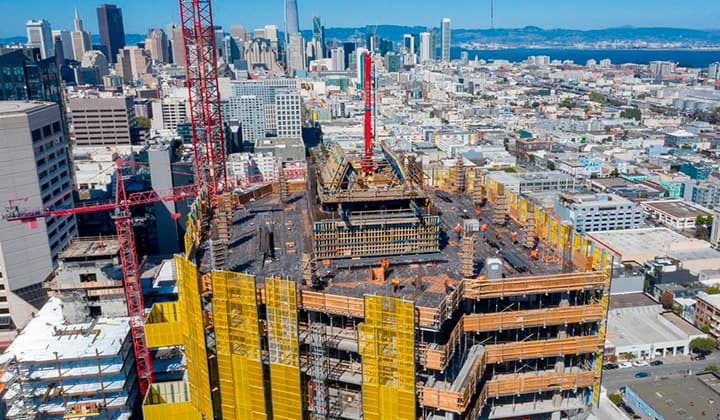
Formwork design automation
Our client from
California, USA
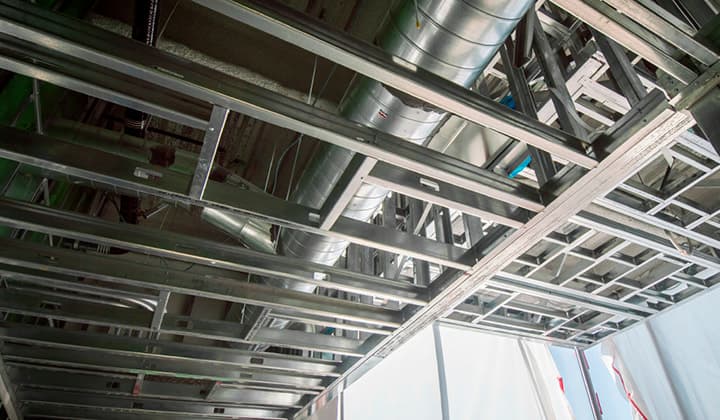
Suspended ceiling design automation
Our client from
New York, USA
Wall framing design automation
Our client from
California, USA