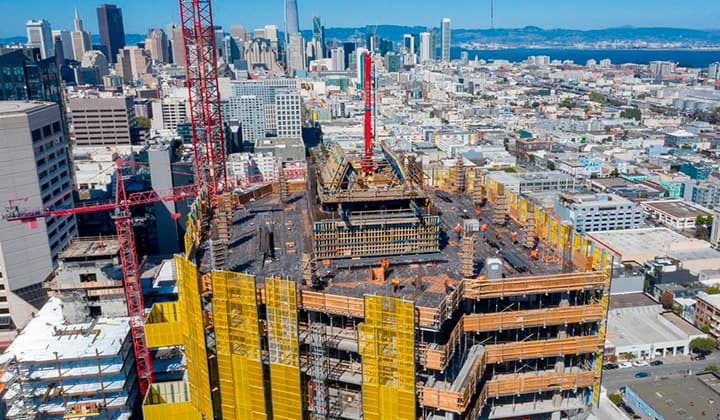
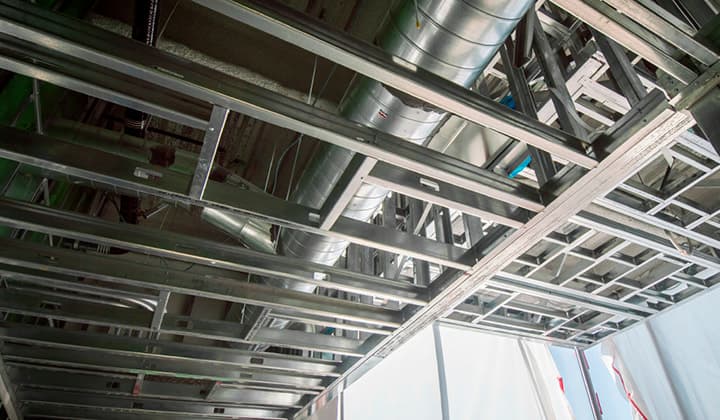
Have any questions? Contact us!
Join our team!
Request a free quote or consultation

Understanding Building Information Modeling (BIM) Services and How They Support Modern Construction
Building Information Modeling, or BIM, is more than just 3D modeling; it’s a way to bring together architecture, engineering, and construction into one shared digital environment. BIM services help teams create detailed visual models that include structural data, materials, scheduling, and cost estimates. This approach improves communication, reduces errors, and helps projects run more smoothly from concept to completion.
What Is Building Information Modeling (BIM)?
Building Information Modeling (BIM) is a method of creating and managing digital representations of physical spaces. It combines 3D modeling with structured data to support planning, design, construction, and facility management.
A BIM model includes not just geometry, but also details like materials, dimensions, systems, and performance data. When one part of the model changes, related elements update automatically. This reduces errors and helps keep information consistent.
BIM fosters collaboration, enabling architects, engineers, contractors, and owners to work from a shared model, minimizing rework. The goal is to make construction more accurate, predictable, and easier to manage.
Powerkh: Streamlining Design and Construction with BIM Technologies

Powerkh is a UK-based company providing comprehensive Building Information Modeling (BIM) services, focused on enhancing the design, planning, and construction phases of building and infrastructure projects. With offices in the UK, Ukraine, and the USA, we leverage our global presence to offer tailored BIM solutions that foster seamless collaboration across international teams. Our services include 3D modeling, clash detection, and data integration, all aimed at ensuring projects are completed with precision, efficiency, and minimal risk.
At Powerkh, we are committed to driving digital transformation within the construction industry. Our BIM solutions help clients streamline workflows, improve project outcomes, and enhance decision-making. By ensuring that all project data is up-to-date and easily accessible, we enable project teams to work more collaboratively and avoid costly errors throughout the project lifecycle.
With a focus on meeting diverse client needs across different regions, we are equipped to reduce delays, manage costs, and ensure successful project completion, no matter the scale or location.
Understanding BIM Services and Their Role in Modern Construction
Building Information Modeling (BIM) services are professional processes used to create, manage, and update digital models of buildings and infrastructure. These models are more than just 3D visuals; they contain structured data about the physical and functional characteristics of every component in a building.
BIM allows all project participants to work within a shared environment, using the same model and up-to-date information throughout the entire lifecycle of a structure from initial planning to ongoing maintenance. BIM services are used at different stages of a project and cover a wide range of tasks.
Typical service areas include:
- 3D modeling for architectural layouts, structural systems, and MEP (mechanical, electrical, plumbing) designs, allowing detailed and accurate digital representations.
- Clash detection, which helps identify and resolve design conflicts between systems such as when a pipe interferes with a structural beam before construction begins.
- Design coordination, where models from different disciplines are combined to form a unified, consistent representation of the building.
- Quantity takeoffs, enabling accurate calculations of materials needed, which supports cost control and reduces procurement errors.
- 4D scheduling, where construction tasks are linked to specific model components to simulate the building process over time and improve planning.
- 5D cost estimation, which connects cost data to elements in the model for real-time budget tracking and financial forecasting.
- 6D sustainability modeling, used to evaluate energy consumption, environmental performance, and long-term efficiency of a building.
- As-built modeling and Scan-to-BIM, used to document existing conditions accurately, especially for renovation or retrofit projects.
- Facility management support, where the final model is used by building operators for maintenance, repair planning, and asset tracking.
These services matter because they shift construction from fragmented workflows to integrated, model-based collaboration. When teams use BIM, they can detect issues early, align their efforts, and make informed decisions based on reliable data all of which helps reduce delays, control costs, and deliver higher-performing buildings.
Core Components of a BIM Model
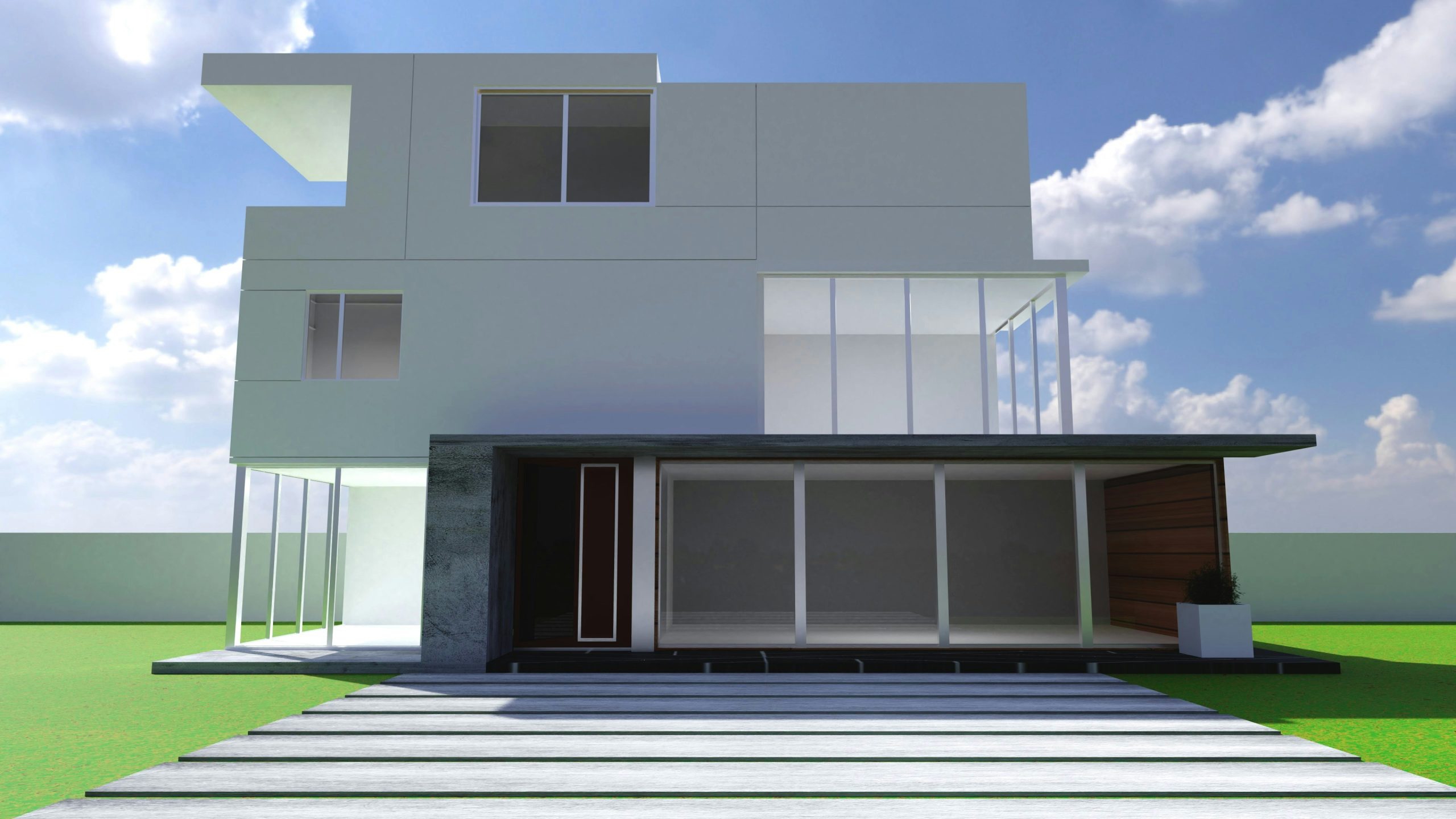
A BIM model isn’t just a 3D drawing, it’s a digital version of a real building with data attached to every element. Each component in the model represents a physical object and includes information that helps during design, construction, and maintenance.
Key components include:
- Building elements: Walls, floors, roofs, doors, windows, stairs all modeled in 3D with real dimensions and material properties.
- MEP systems: Mechanical, electrical, and plumbing elements like ducts, pipes, wiring, and fixtures, placed accurately within the structure.
- Structural components: Beams, columns, foundations, slabs defined with load-bearing data and connections.
- Metadata: Each object includes data such as fire rating, manufacturer, cost, installation date, or maintenance schedule.
- Relationships and behavior: The model tracks how elements interact. For example, if a ceiling height changes, related ducts or walls adjust automatically.
- Phasing and schedules: Information about construction stages, timelines, or renovation plans can be integrated.
- Geolocation and site context: Models can include topography, sun orientation, and climate data to support site-specific decisions.
Together, these components allow teams to simulate, analyze, and coordinate every part of a building before anything is built.
BIM Levels: From Basic Drafting to Lifecycle Intelligence
Building Information Modeling (BIM) is implemented at different levels, each reflecting a stage of technological maturity and collaboration across a project. These levels help define how information is shared, how models are used, and how integrated the overall process is.
Level 0: Basic Drafting with No Collaboration
At Level 0, there is no real use of BIM. Projects are developed using traditional 2D CAD drawings with no shared models or structured data exchange. Each team works in isolation, and communication is limited to printed documents or simple electronic files. This level lacks coordination and is rarely used on modern projects.
Level 1: 2D and 3D with Limited Sharing
Level 1 introduces a mix of 2D drafting and some use of 3D models, mainly for conceptual purposes. Information is managed through a Common Data Environment (CDE), but collaboration between disciplines remains limited. While teams start following common standards, each stakeholder still controls and updates their own files independently.
Level 2: Separate Models with Coordinated Data
At Level 2, disciplines like architecture, structure, and MEP develop their own 3D models, often used in commercial projects like office buildings. These models are not combined into a single file but are shared using standard formats like IFC or COBie, allowing teams to coordinate and detect conflicts. This level significantly reduces errors and rework, and it’s widely adopted in commercial and public sector projects.
Level 3: Integrated Modeling and Real-Time Collaboration
Level 3 represents a fully integrated BIM environment. All teams work in a shared model, often hosted on cloud-based platforms that support real-time collaboration. Changes made by one party are immediately visible to others. This level supports synchronized design and construction workflows, improves communication, and minimizes the risk of data clashes.
Level 4: Time-Based Planning (4D BIM)
Level 4 adds the element of time to the BIM model. Construction scheduling is linked directly to model components, allowing teams to simulate project phases, track progress, and identify potential delays. This level supports more accurate planning, better logistics, and smoother coordination on site.
Level 5: Cost Data Integration (5D BIM)
Level 5 incorporates cost estimation and budget tracking. Model elements are connected to pricing and quantity data, enabling real-time financial analysis throughout the project. This helps manage costs more effectively, control budgets, and make informed decisions based on up-to-date financial insights.
Level 6: Sustainability and Lifecycle Management (6D BIM)
Level 6 focuses on environmental performance and long-term asset management. The model is used to predict energy consumption, assess carbon impact, and plan for efficient building operations. This level supports the design of sustainable buildings and helps facility managers optimize performance over the building’s lifespan.
Each BIM level builds on the one before, moving from isolated drafting to a fully integrated system that connects design, cost, scheduling, sustainability, and operations. Understanding these levels helps teams adopt the right processes for their project’s scale, goals, and requirements.
The Practical Value of BIM Services: What Makes Them Essential
BIM services help teams plan, design, build, and manage buildings more efficiently by connecting all project data in a single environment. Below are the key ways BIM improves outcomes across the construction process.
Early Detection of Design Conflicts
One of the most immediate benefits of BIM is the ability to detect clashes between systems such as ducts intersecting with beams or pipework overlapping with electrical lines. These issues can be identified and resolved before construction begins, reducing rework and keeping projects on schedule.
Improved Coordination Between Disciplines
All project participants work from the same model and shared data. This minimizes communication gaps between architects, structural engineers, MEP teams, and contractors. Everyone stays aligned, reducing delays caused by outdated or inconsistent documentation.
Accurate Quantity Takeoffs and Cost Estimation
BIM models contain detailed information about every building component. This allows teams to extract precise material quantities and link them to pricing data. Budget forecasts become more reliable, and procurement is based on exact needs reducing waste and cost overruns.
Better Scheduling and Project Planning
With 4D BIM, construction timelines can be integrated directly into the model. Teams can simulate how the project will unfold over time, adjust the sequence of tasks, and spot potential delays in advance. This supports better planning and site coordination.
Support for Facility Management and Operations
After construction is complete, the BIM model serves as a digital twin of the building. It includes data on equipment, finishes, maintenance schedules, and more. Facility managers can use it to streamline operations, reduce downtime, and manage assets more effectively.
BIM in Practice: Use Cases Across Disciplines

Building Information Modeling supports a wide range of roles in construction and design. Each discipline uses BIM differently, but the shared environment improves coordination and efficiency across the entire project.
1. Architecture
Architects use BIM throughout the design process, from concept to documentation.
- Visualize building form, lighting, and material finishes early in development
- Adjust layouts in real time based on feedback or constraints
- Coordinate architectural elements with structural and MEP systems
- Present clear, data-rich models to clients and planning authorities
2. Structural Engineering
BIM supports the modeling of complex structural systems with precise detail.
- Create 3D models of beams, columns, foundations, and slabs
- Analyze how structures interact with other building systems
- Produce steel and rebar detailing for fabrication
- Detect interferences with architectural or mechanical elements
3. MEP Engineering
Mechanical, electrical, and plumbing teams benefit from full-system coordination.
- Model HVAC systems, electrical conduits, and plumbing networks
- Perform clash detection with structural and architectural elements
- Optimize space usage within ceilings and wall cavities
- Generate accurate shop drawings for installation
4. Construction Management
Contractors use BIM for planning, tracking, and resource management.
- Link model elements to construction schedules (4D)
- Integrate cost data for budgeting and procurement (5D)
- Simulate site activities and logistics before execution
- Support prefabrication and modular assembly
5. Facility Management
After handover, the BIM model becomes a digital asset for building operations.
- Store detailed data on installed systems and equipment
- Track maintenance schedules and asset performance
- Plan renovations using as-built digital documentation
- Reduce operating costs through informed lifecycle decisions
Where BIM Is Headed: Emerging Trends and Future Use
The future of BIM services is closely tied to the growing demand for smarter, more connected construction. BIM is moving beyond 3D modeling into integrated systems that combine scheduling (4D), cost management (5D), energy performance (6D), and even lifecycle modeling (7D+). These extended dimensions help teams manage every part of a building from planning to operation in one consistent environment.
Advancements like cloud collaboration, AI-assisted design, and real-time data capture from the field are reshaping how BIM is used. Augmented and virtual reality tools are also becoming part of everyday workflows, making it easier to explore designs and train teams before anything is built. As digital standards improve, BIM is likely to become the foundation for all project data, not just design.
Conclusion
Building Information Modeling services have become a core part of how modern construction projects are delivered. By combining 3D models with detailed data, BIM helps teams work more accurately, avoid mistakes, and make better decisions from start to finish. Whether it’s improving coordination during design or supporting long-term building operations, BIM services offer clear, practical value across every phase of a project.
FAQ
1. What are BIM services used for?
BIM services are used to create and manage digital models that represent a building’s design, structure, systems, and data. They support tasks like coordination, clash detection, cost estimation, scheduling, and facility management.
2. What is the difference between BIM and CAD?
CAD focuses on 2D or 3D drawings, while BIM adds data and relationships between building components. BIM allows for better collaboration, change tracking, and lifecycle management.
3. Who uses BIM services?
Architects, structural and MEP engineers, contractors, developers, and facility managers all use BIM services to improve project outcomes and reduce risk.
4. Is BIM only for large projects?
No. While BIM is common on large or complex projects, small and mid-size teams also benefit from improved coordination, cost control, and faster decision-making.
Our Case Studies
We have handled 200+ BIM & VDC projects for commercial, industrial, and residential sectors.
Our work includes:
Formwork design automation
Our client from
California, USA
Suspended ceiling design automation
Our client from
New York, USA
Wall framing design automation
Our client from
California, USA