Have any questions? Contact us!
Join our team!
Request a free quote or consultation

BIM modeling, short for Building Information Modeling, is a digital approach to designing and managing buildings and infrastructure. It’s more than just 3D modeling; it combines visuals with detailed data to support every stage of a building’s life cycle, from initial sketches to demolition. Whether you’re an architect, engineer, contractor, or property owner, understanding how BIM works can help improve planning, reduce mistakes, and save time and money throughout a project.
What Is BIM Modeling?
BIM modeling, short for Building Information Modeling, is a digital process used to create and manage information about a building or infrastructure project throughout its entire lifecycle. It combines 3D visual representations with structured data about materials, dimensions, costs, scheduling, and more. Unlike traditional drawings or static 3D models, BIM allows all stakeholders architects, engineers, contractors, and owners to work from a shared, centralized model that updates in real time as changes are made.
The goal of BIM is not just to design buildings visually but to provide a data-rich environment where planning, construction, and future operations are fully informed by accurate, coordinated information. From early design through construction to facility management, BIM helps reduce errors, improve collaboration, and support better decision-making.
How BIM Modeling Works?

Building Information Modeling works by creating a coordinated, digital version of a construction project that combines both visual geometry and detailed data. At the core, BIM uses 3D models that represent the physical structure, but these models also include information like materials, dimensions, systems, scheduling timelines, and cost estimates. Everything is stored in a central model that different teams can access, edit, and reference throughout the project.
What makes BIM different from traditional approaches is that it goes beyond static visuals. Changes made to one part of the model automatically update across all related components, reducing manual errors and miscommunication. As a result, design decisions, material selections, structural planning, and project timelines are all connected within one digital workflow. This helps teams work more efficiently and with better insight at every stage.
Integrated BIM Modeling Across Disciplines by Powerkh

At Powerkh, a UK-based company with offices in the USA and Ukraine, we specialize in Building Information Modeling (BIM) services. We convert 2D drawings into detailed 3D models that integrate architectural, structural, MEP and construction data. These models serve as accurate digital representations of projects, supporting design, construction, and manufacturing processes.
In our company, we handle projects by analyzing client documentation, importing 2D layouts into Autodesk Revit, and creating 3D models at various Levels of Development (LOD 100 to LOD 500). We conduct clash detection, constructability reviews, and structural detailing to address design inconsistencies. Our team also works with processes such as Scan to BIM using Point Cloud data and BIM automation for fabrication workflows.
We work on projects ranging from residential buildings to industrial developments. Our services include architectural and structural modeling, shop drawings, and prefabrication support. With offices in three countries, we manage both local and international projects effectively.
Key Components and Dimensions of BIM
BIM is more than just 3D modeling; it’s a layered system that adds useful dimensions of information to support planning, building, and operating structures. Each dimension brings a specific type of data into the model, making it a richer and more practical tool throughout the project lifecycle.
- 3D (Geometry): The base layer, which includes the visual representation of the structure, its shape, size, and spatial relationships.
- 4D (Time): Adds scheduling data to the model, allowing teams to plan construction phases and track progress over time.
- 5D (Cost): Introduces budgeting and cost estimation, helping stakeholders assess financial impacts of design or material changes.
- 6D (Maintenance): Includes asset information used for operation and maintenance after construction is complete, useful for facility management.
- 7D (Sustainability): In some cases, a seventh dimension is used to model energy efficiency, environmental impact, and sustainability goals.
These dimensions make BIM a powerful framework not only for design but also for long-term building performance and decision-making.
How BIM Modeling Is Used Across Project Stages
BIM modeling supports construction and infrastructure projects from initial concept to long-term facility management. At each stage, the model serves as a central source of information that evolves along with the project.
1. Planning Stage
During planning, BIM modeling helps teams analyze site conditions, assess feasibility, and visualize how a building will fit into its surrounding environment. By using real-world data and early simulations, project teams can identify constraints and explore options before committing to a final direction.
2. Design Stage
In the design phase, BIM modeling allows architects and engineers to create detailed layouts and systems that integrate with one another. The model supports coordination across disciplines structural, architectural, and MEP by flagging conflicts and ensuring alignment. Design alternatives can also be tested quickly, with changes automatically reflected throughout the model.
3. Construction Stage
As construction begins, BIM modeling becomes a reference point for contractors, fabricators, and site managers. It improves coordination by providing clear visuals, accurate dimensions, and up-to-date documentation. The model can be used for scheduling (4D) and cost tracking (5D), reducing delays, change orders, and material waste.
4. Operation and Maintenance Stage
After handover, BIM modeling continues to provide value. Facility managers can use the model to locate equipment, track maintenance needs, and plan repairs or upgrades. Information stored in the model supports better asset management, safety planning, and future renovations all based on the original design and built conditions.
Practical Advantages of BIM Modeling in Construction
BIM modeling offers a range of practical advantages for construction projects by improving collaboration, reducing risk, and supporting informed decision-making. It enables all project participants, designers, engineers, contractors, and owners to work from the same coordinated model, minimizing miscommunication and costly errors.
One of the most important benefits is the ability to detect and resolve design conflicts before construction begins. BIM modeling supports clash detection, which helps avoid rework, delays, and material waste. It also improves planning through accurate cost estimation (5D) and scheduling (4D), making it easier to manage budgets and timelines. Throughout the project, the model remains a reliable reference point, ensuring that teams have access to current, consistent information.
After construction, BIM modeling continues to deliver value by supporting operations and maintenance. Facility managers can use the data-rich model to locate systems, schedule maintenance, and track performance. This long-term access to building information can extend asset life, reduce downtime, and support more efficient facility management.
Real-World Use and Industry Adoption of BIM Modeling
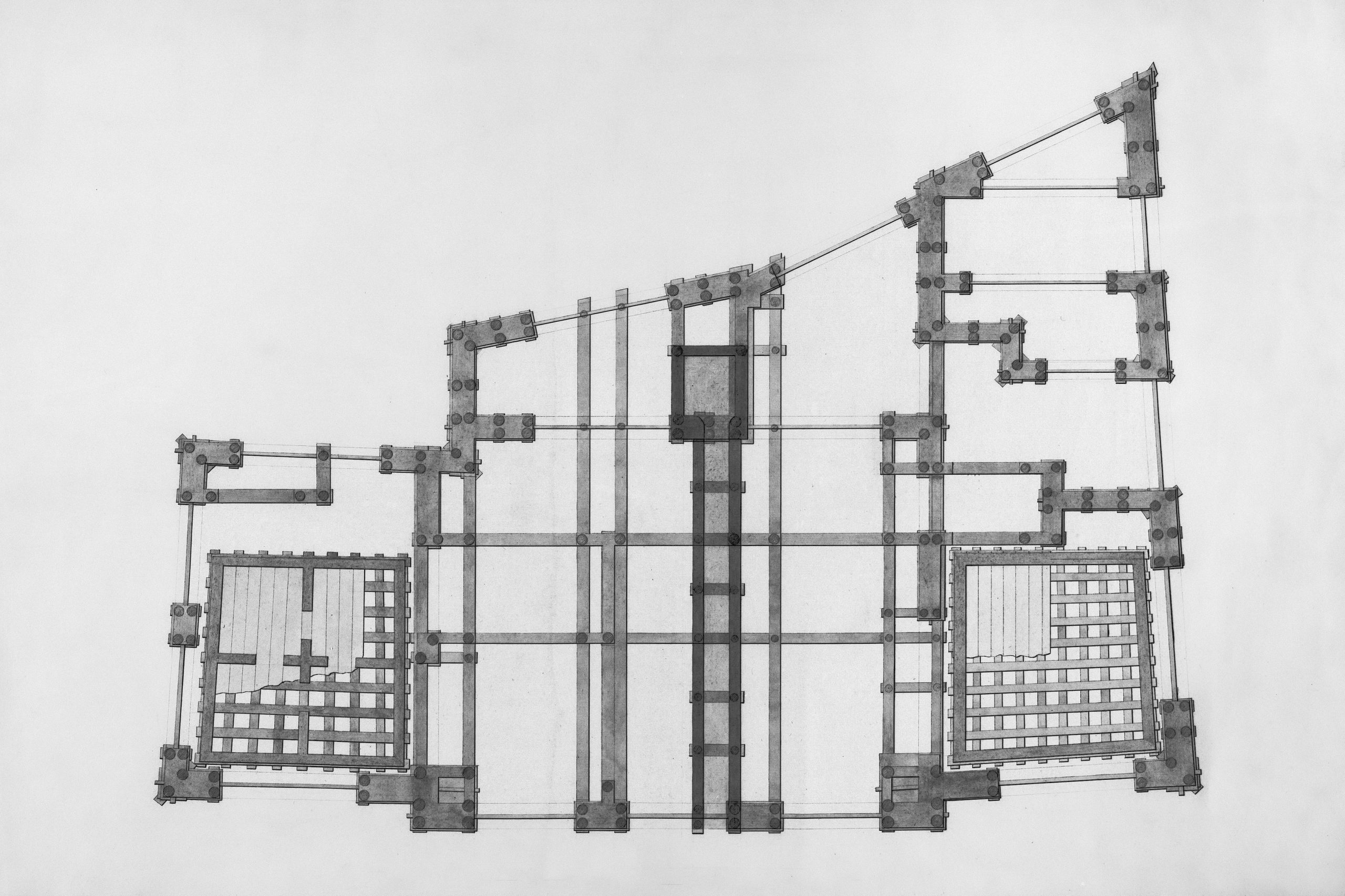
BIM modeling is now a core part of construction workflows in many parts of the world. It’s used by architects, engineers, contractors, and facility managers to plan, build, and operate both buildings and infrastructure. The demand for BIM is growing due to its ability to improve coordination, reduce errors, and support long-term asset management.
Examples of how BIM modeling is being adopted across the industry:
- Government Mandates: Countries like the United Kingdom, Germany, and France require BIM modeling for public infrastructure projects to ensure standardization and better project outcomes.
- Private Sector Use: Developers and construction firms are adopting BIM modeling to manage complex projects more efficiently, reduce delays, and improve cost control.
- Large-Scale Projects: BIM modeling is commonly used in hospitals, airports, rail systems, and industrial facilities where coordination across disciplines is critical.
- Cross-Disciplinary Collaboration: The centralized nature of BIM supports real-time updates and collaboration between architects, MEP engineers, structural designers, and contractors.
- Growing Global Standard: Adoption is increasing worldwide as companies aim to meet digital construction standards and improve competitiveness.
As the construction industry continues to shift toward data-driven practices, BIM modeling is no longer considered an optional tool but an expected part of modern project delivery.
Limitations and Practical Considerations in BIM Modeling
While BIM modeling brings many advantages, it also comes with specific challenges that teams should consider before and during implementation. These include technical, financial, and organizational factors that can affect the success of a BIM-based workflow.
Initial Costs and Learning Curve
Implementing BIM modeling often requires significant upfront investment in software, hardware, and staff training. For small and medium-sized companies, these costs can be a barrier. Additionally, learning to use BIM tools effectively such as Revit, Navisworks, or Tekla requires time and technical expertise, especially when moving from traditional 2D or CAD-based systems.
Data Management and Standardization
The quality and usefulness of a BIM model depend on how well data is entered, structured, and maintained. Without agreed standards and careful data coordination, models can become inconsistent or incomplete. Lack of interoperability between software platforms can also lead to delays or errors when sharing files across disciplines.
Project Scope and Purpose Clarity
Not every project needs the full scope of BIM modeling. Sometimes clients request a BIM model when a simpler 3D visualization would suffice. Clearly defining the goals of BIM use such as whether it’s needed for clash detection, cost tracking, or facilities management is essential to avoid unnecessary work and cost.
Collaboration and Workflow Integration
Successful BIM modeling requires alignment across all project participants. If one team uses BIM while others rely on traditional tools, integration becomes difficult. Without clear workflows, roles, and access rights, collaboration can break down and reduce the model’s effectiveness.
By understanding these limitations and planning for them, teams can better manage expectations and make practical use of BIM modeling within the constraints of their project or organization.
Conclusion
BIM modeling is transforming how buildings and infrastructure are designed, constructed, and maintained. By combining 3D visualizations with detailed project data, it offers a more integrated and efficient way to manage the entire lifecycle of a construction project from planning and design to construction and long-term operation. When implemented thoughtfully, BIM modeling helps teams improve coordination, reduce costly errors, and make more informed decisions at every stage.
As the construction industry continues to digitize, BIM modeling is becoming a standard tool, not just for large-scale public infrastructure but for a wide range of projects across sectors. Understanding its capabilities, limitations, and proper applications is essential for teams looking to stay competitive and deliver better outcomes.
FAQ
1. What does BIM stand for?
BIM stands for Building Information Modeling. It refers to a digital process that combines 3D modeling with detailed project data for construction and infrastructure management.
2. How is BIM different from CAD?
CAD software focuses on creating 2D or 3D drawings, while BIM includes both the geometry and the embedded data (materials, costs, schedules, etc.) needed for planning and managing a building throughout its lifecycle.
3. What are the main uses of BIM modeling?
BIM modeling is used for design visualization, clash detection, cost estimation, scheduling, construction planning, and ongoing facility management.
4. Who uses BIM modeling?
Architects, structural engineers, MEP designers, contractors, project managers, and facility operators all use BIM modeling to collaborate and share project information.
5. Is BIM modeling required for every project?
Not always. The decision to use BIM depends on project complexity, client requirements, budget, and long-term operational needs. For larger or more complex projects, BIM is often highly beneficial or even required.
Our Case Studies
We have handled 200+ BIM & VDC projects for commercial, industrial, and residential sectors.
Our work includes:
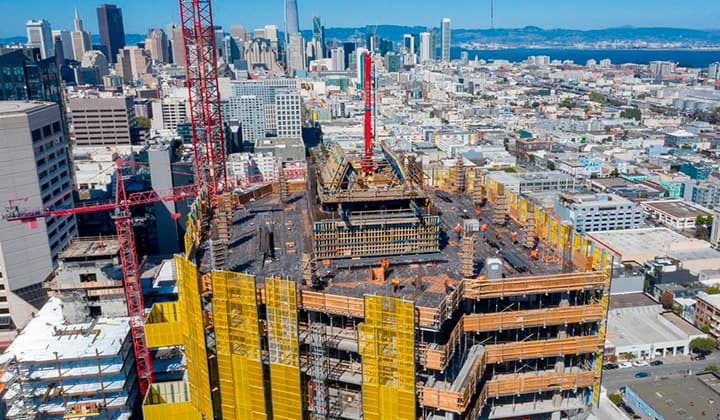
Formwork design automation
Our client from
California, USA
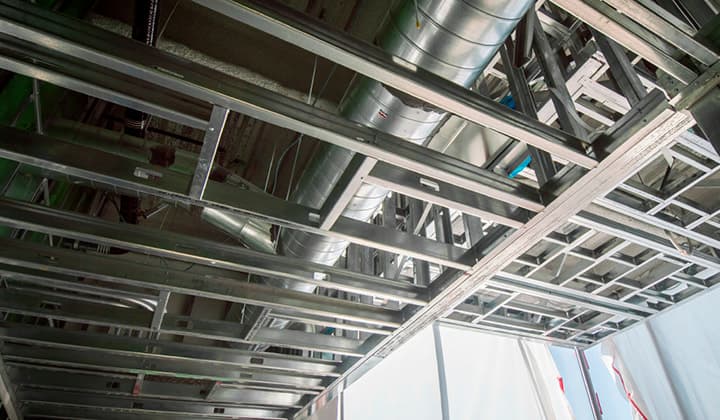
Suspended ceiling design automation
Our client from
New York, USA
Wall framing design automation
Our client from
California, USA