Have any questions? Contact us!
Join our team!
Request a free quote or consultation

Understanding Architectural Lighting: Design, Function, and Visual Impact
Architectural lighting is more than just installing lights in a building. It’s about using light to enhance how spaces look and feel inside and out. Whether it’s highlighting the details of a historic façade or making a modern office more welcoming, good lighting design plays a big role in how people experience a place.
What Is Architectural Lighting?

Architectural lighting is the practice of using light to enhance the design, function, and atmosphere of a space. It goes beyond simply illuminating a room; it’s about integrating lighting into the architecture itself to highlight forms, materials, and spatial relationships. The goal is to support how a space is used while also reinforcing its aesthetic identity.
This type of lighting operates at the intersection of art, technology, and functionality. It considers how light interacts with surfaces, how shadows are cast, and how people emotionally respond to a space. Whether it’s a softly lit archway in a historic building or precise linear lighting in a modern office, architectural lighting is a tool for shaping both visual experience and mood. It also plays a crucial role in guiding movement, enhancing safety, and ensuring energy-efficient performance.
Powerkh: Enhancing Design with Lighting Integration

We are Powerkh, a UK-based company with offices in the USA and Ukraine, specializing in Building Information Modeling (BIM) and Virtual Design & Construction (VDC). Our services focus on integrating digital solutions into construction and engineering projects, including architectural lighting. We provide 3D BIM modeling and BIM coordination to incorporate lighting systems into building designs, ensuring they meet both functional and aesthetic requirements.
Our company uses advanced modeling techniques to integrate lighting designs into detailed digital models, focusing on the accurate placement and sizing of lighting elements within the overall architecture. By leveraging BIM, we ensure that lighting fixtures and other building components are properly coordinated, making it easier to visualize how lighting interacts with the space.
With our offices across three countries, we work with architects, engineers, and contractors to streamline the integration of architectural lighting into projects. Our approach helps improve energy efficiency, aesthetics, and overall project execution by ensuring clear communication and coordination between all parties involved.
Core Principles of Architectural Lighting
Architectural lighting is guided by three fundamental principles: aesthetics, function, and efficiency. These principles ensure that lighting design not only complements a space visually but also serves practical needs and meets modern energy standards.
Aesthetics
Lighting is a powerful design element that can accentuate architectural forms, textures, and focal points. Well-placed fixtures draw attention to structural details such as columns, ceilings, or materials while shaping the mood of the space. By working in harmony with the architecture, lighting reinforces the visual narrative of a building whether it’s a minimalist modern space or a historic restoration.
Function
While visual impact is important, lighting must also serve a purpose. It should provide appropriate illumination for daily tasks and support comfort, safety, and usability. For example, a restaurant may need warm ambient lighting for atmosphere and brighter task lighting for reading menus. In workspaces, lighting must reduce glare and eye strain while maintaining alertness. The functional role of light is always tied to how the space will be used.
Efficiency
Modern architectural lighting prioritizes energy efficiency and sustainability. LED technology has replaced older systems due to its lower energy consumption, longer lifespan, and versatility. Efficient lighting design also incorporates controls such as dimmers, sensors, and automation to reduce waste and adapt to changing daylight conditions. By optimizing energy use, lighting supports both environmental goals and cost savings.
Main Types of Architectural Lighting Techniques
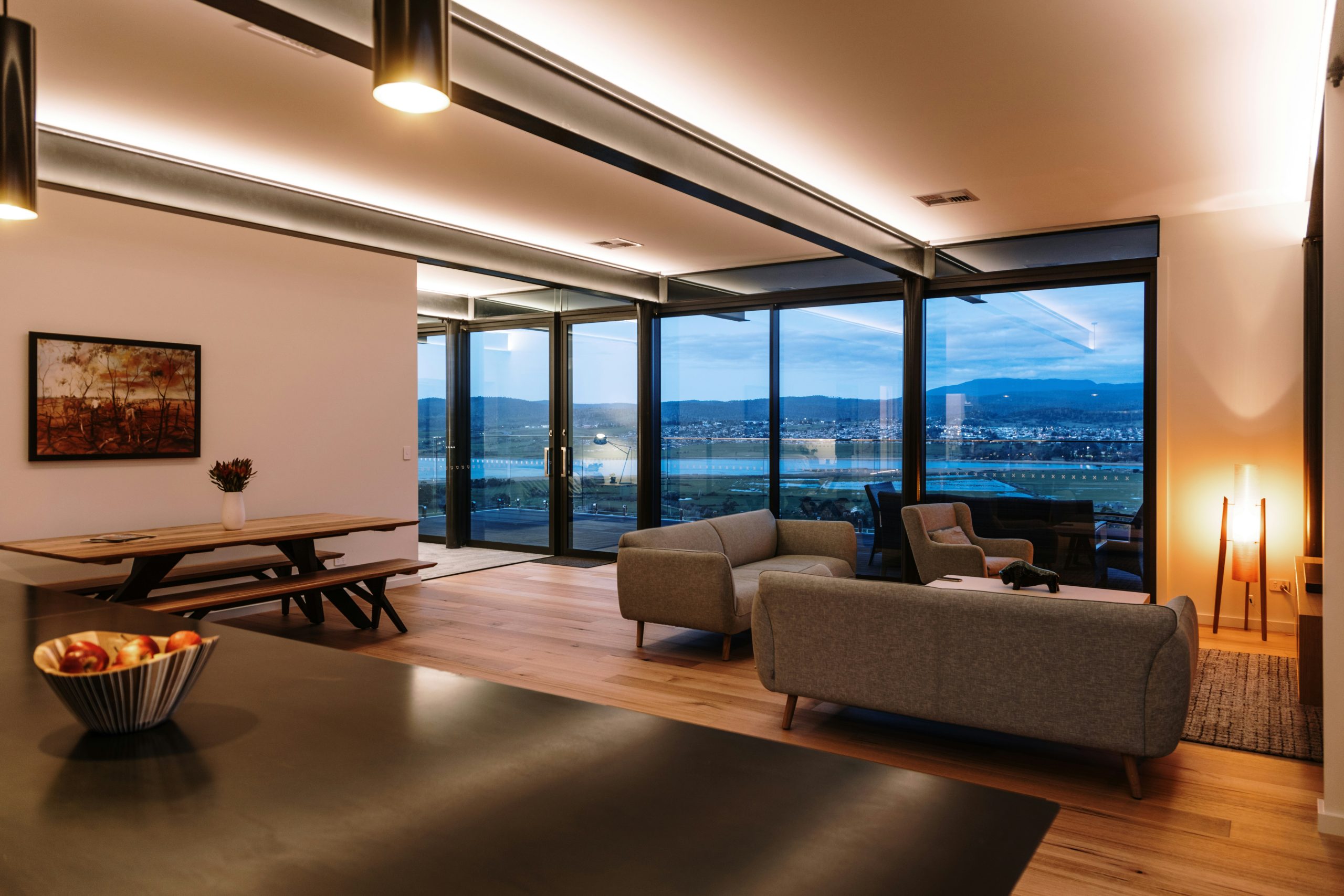
Architectural lighting uses a combination of methods to define space, highlight features, and support different activities. These lighting types work together to create balanced environments that are both functional and visually engaging. The three primary categories are based on purpose and visual effect.
1. Ambient Lighting (General Illumination)
Ambient lighting provides overall, uniform light across a space. It sets the base level of brightness and ensures visibility without harsh contrasts. This type of lighting is often soft and diffused, creating a comfortable environment without drawing attention to specific fixtures. Common sources include recessed ceiling lights, linear overhead fixtures, and indirect cove lighting.
2. Task Lighting (Focal Glow)
Task lighting delivers concentrated light to areas where specific activities take place such as reading, cooking, or working. It helps reduce eye strain and improves focus by increasing brightness in targeted zones. Examples include pendant lights over kitchen islands, desk lamps, or integrated lighting in shelving and workstations. The goal is to support productivity without overpowering the surrounding space.
3. Accent Lighting (Play of Brilliants)
Accent lighting is used to emphasize architectural elements, artwork, textures, or spatial features. It draws the eye by creating visual contrast and layering. Spotlights, wall washers, in-grade uplights, and LED strips are common tools for this effect. Accent lighting adds depth and dimension, transforming how people experience and move through a space.
Common Architectural Lighting Applications
Architectural lighting is applied in a variety of ways to emphasize structure, guide movement, and enhance spatial atmosphere. Each technique is chosen based on the building’s design elements, function, and user experience. Below are some of the most widely used applications:
- Cove Lighting. Installed in ledges, ceilings, or walls to create soft, indirect illumination. Often used to highlight architectural contours or provide ambient light without visible fixtures.
- Uplighting. Fixtures direct light upward to emphasize ceilings, beams, or large vertical surfaces. Common in lobbies, atriums, and spaces with exposed structural details.
- In-Grade Lighting. Recessed into floors or ground surfaces to highlight columns, facades, pathways, or stairs. Offers subtle, ground-level illumination while maintaining a clean visual profile.
- Linear Recessed Lighting. Built into ceilings or walls to provide streamlined overhead lighting or decorative lines of light. Used in hallways, office spaces, or modern interiors to maintain minimalism.
- Surface-Mounted and Suspended Lighting. These visible fixtures add functional and aesthetic value. Suspended pendants, for instance, can visually elongate vertical spaces like stairwells or add focus to seating areas.
- Wall Washing and Grazing. Techniques where light spreads across vertical surfaces to either smooth out textures (washing) or enhance surface detail (grazing), often used in galleries or feature walls.
- Facade and Exterior Lighting. Applied to building exteriors to define shape, create visual impact at night, and improve visibility and safety in outdoor environments.
These applications are often layered together in one project to achieve balance between visibility, atmosphere, and architectural expression. Lighting placement and style depend heavily on the intended use of the space and the features being emphasized.
Technology and Sustainability in Lighting
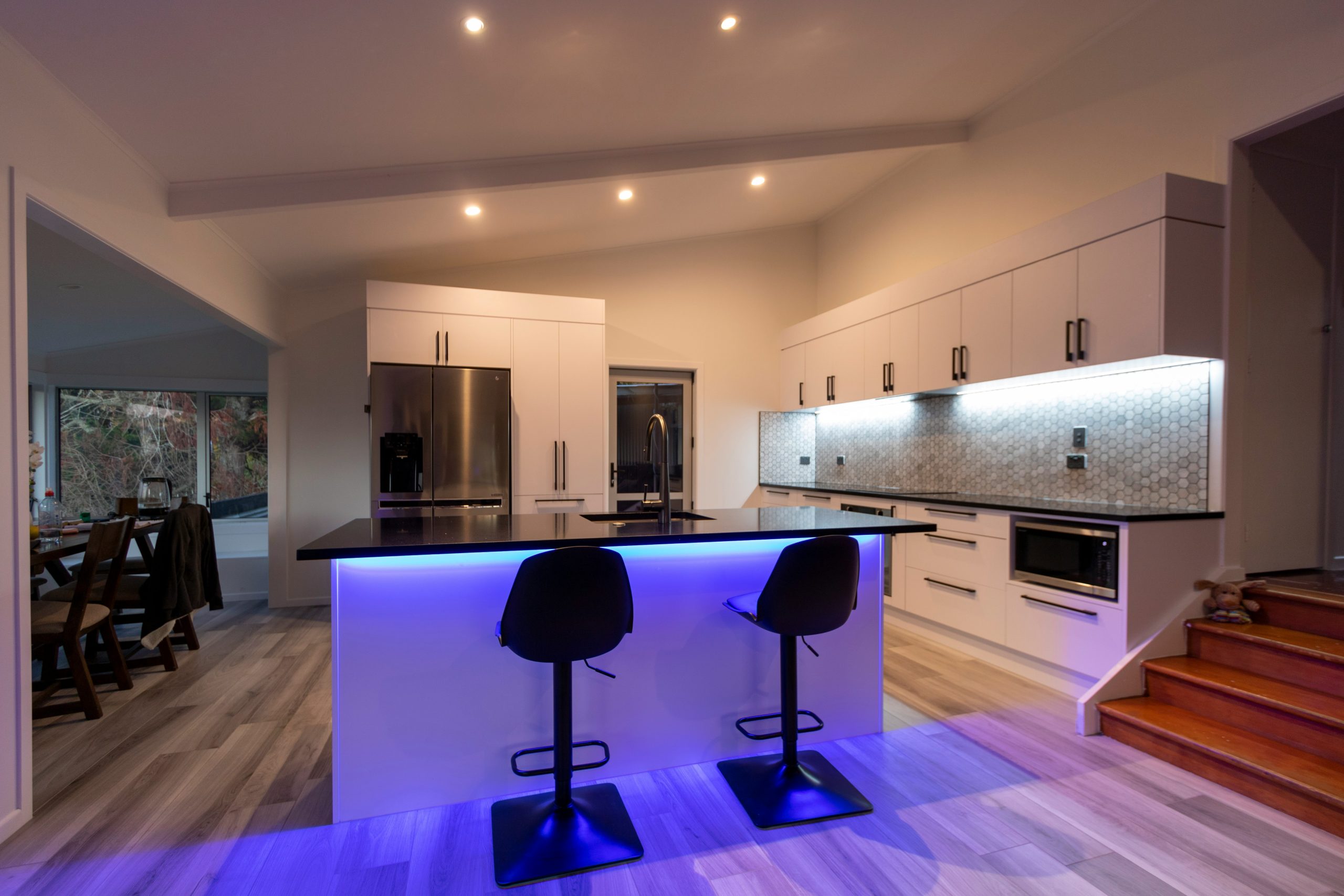
Advancements in lighting technology have significantly changed how architectural spaces are illuminated. Today’s systems go beyond simple illumination; they contribute to building efficiency, reduce environmental impact, and offer more control over light quality and distribution.
1. LED Technology
LEDs (light-emitting diodes) are the standard in modern architectural lighting due to their low energy consumption, long lifespan, and versatility. Compared to traditional incandescent or halogen lamps, LEDs typically use 50-80% less energy, and compared to fluorescent lamps, 20-50% less, depending on the technology and application, while producing minimal heat. They are also available in a wide range of color temperatures and brightness levels, making them adaptable to different design needs.
Lighting Controls and Automation
Architectural lighting systems increasingly incorporate smart controls such as:
- Dimmers – to adjust brightness based on time of day or activity
- Motion sensors – to reduce energy use in low-traffic areas
- Daylight sensors – to balance artificial light with natural daylight
- Zoning and scheduling – for automating lighting by room or building section
These technologies not only improve energy efficiency but also allow for flexible, user-oriented lighting environments.
2. Sustainable Design Practices
Sustainability in lighting goes beyond just using efficient bulbs. It includes:
- Minimal light pollution – through precise fixture placement and shielding
- Durable materials – reducing the need for frequent replacements
- Recyclable components – supporting circular design models
- Low-maintenance systems – reducing long-term operational costs
Many architectural projects aim for certifications like LEED, where efficient lighting and light pollution control contribute to sustainability goals, and WELL, where lighting quality and circadian design support human health and well-being.
The Role of Architectural Lighting in Design
Architectural lighting is not just about visibility it’s a design tool that shapes how spaces are perceived, navigated, and emotionally experienced. Light interacts with architecture by highlighting materials, revealing textures, defining forms, and creating visual hierarchies. A well-lit structure can emphasize symmetry, expose rhythm in construction details, or add depth through contrast and shadow.
Lighting also plays a key role in setting mood and reinforcing the purpose of a space. In a quiet lounge, warm, dimmed lighting can promote relaxation, while in a retail store, targeted accent lights can guide attention to displays. By controlling brightness, color temperature, and fixture placement, designers can influence how people feel, behave, and engage within a space.
Ultimately, architectural lighting supports the architect’s vision. It helps express the identity of a building whether modern, industrial, historic, or minimalist while enhancing functionality. When thoughtfully integrated, lighting and architecture operate as a unified system, each strengthening the impact of the other.
Conclusion
Architectural lighting is an essential part of building design that combines function, aesthetics, and energy efficiency. It goes beyond simply installing lights; it’s about using light as a design element to enhance architecture, guide movement, and influence how spaces are experienced. Whether it’s highlighting structural features, supporting daily activities, or setting the mood, well-executed lighting design plays a central role in shaping both the visual and functional quality of a space.
As lighting technologies continue to evolve, designers have more tools than ever to integrate light creatively and responsibly. From energy-saving LEDs to intelligent control systems, architectural lighting contributes not only to a building’s beauty but also to its sustainability and usability.
FAQ
1. What is architectural lighting?
Architectural lighting is the use of light to enhance the design and function of a building or space. It integrates lighting into architectural elements to highlight form, improve usability, and influence mood.
2. How is architectural lighting different from standard lighting?
Unlike basic lighting that focuses solely on illumination, architectural lighting is part of the overall design strategy. It emphasizes aesthetics, supports specific functions, and considers the relationship between light, structure, and user experience.
3. What are the three main types of architectural lighting?
The three key types are ambient lighting (general illumination), task lighting (focused, functional light), and accent lighting (used to highlight features or create visual interest).
4. Why is LED lighting commonly used in architectural design?
LEDs are energy-efficient, long-lasting, and flexible in terms of color and brightness. They allow for precise control and minimal visual impact, making them ideal for modern architectural applications.
5. Where is architectural lighting typically used?
It’s used in residential, commercial, cultural, and public spaces such as offices, hotels, museums, retail stores, and outdoor facades to enhance visibility, highlight design, and improve the overall environment.
Our Case Studies
We have handled 200+ BIM & VDC projects for commercial, industrial, and residential sectors.
Our work includes:
Formwork design automation
Our client from
California, USA
Suspended ceiling design automation
Our client from
New York, USA
Wall framing design automation
Our client from
California, USA


