Have any questions? Contact us!
Join our team!
Request a free quote or consultation

A cut sheet in construction is a specification document that provides detailed technical information about building products, materials, or equipment. Also called product data sheets or spec sheets, cut sheets include dimensions, performance data, installation requirements, and compliance certifications that help contractors, architects, and engineers verify products meet project specifications.
Walk onto any construction site and chances are someone’s consulting a stack of technical documents. Among those papers, cut sheets play a surprisingly critical role—yet many people outside the industry have never heard the term.
The terminology can get confusing. What one contractor calls a cut sheet, another might refer to as a product data sheet or spec sheet. Despite the different names, these documents serve the same essential purpose: providing detailed technical specifications for construction materials and equipment.
Understanding cut sheets matters whether you’re a contractor verifying product specs, an architect ensuring design compliance, or a project manager coordinating installations. These documents bridge the gap between design intent and actual construction, preventing costly mistakes and ensuring everything gets built to specification.
What Exactly Is a Cut Sheet?
In grading and layout applications, cut sheets show how much earth needs to be cut or filled at specific points across a site to match designed elevations, helping ensure everything is built to spec from roadways and pads to stormwater slopes. However, cut sheets in construction more broadly refer to specification documents that provide detailed technical information about building products, materials, or equipment.
The construction industry often uses several terms interchangeably. Spec sheets, product data sheets, and data sheets all refer to essentially the same document. According to industry practice documented by construction management professionals, these terms vary by region and trade, but the function remains consistent.
Cut sheets differ from general catalogs or brochures. While marketing materials showcase product lines and features, cut sheets drill down into the technical nitty-gritty. They’re working documents designed for professionals who need precise data to make installation and compliance decisions.
Why the Term “Cut Sheet”?
The name originates from a practical habit. Before digital documentation became standard, contractors would literally cut out the relevant product specifications from manufacturer catalogs and compile them into project binders. These “cut” sheets created a streamlined reference without hauling entire catalogs to job sites.
That physical practice has mostly disappeared, but the name stuck. Today’s cut sheets are typically PDFs or digital documents, though the concept of extracting specific product data from broader resources remains the same.
Key Components of a Construction Cut Sheet
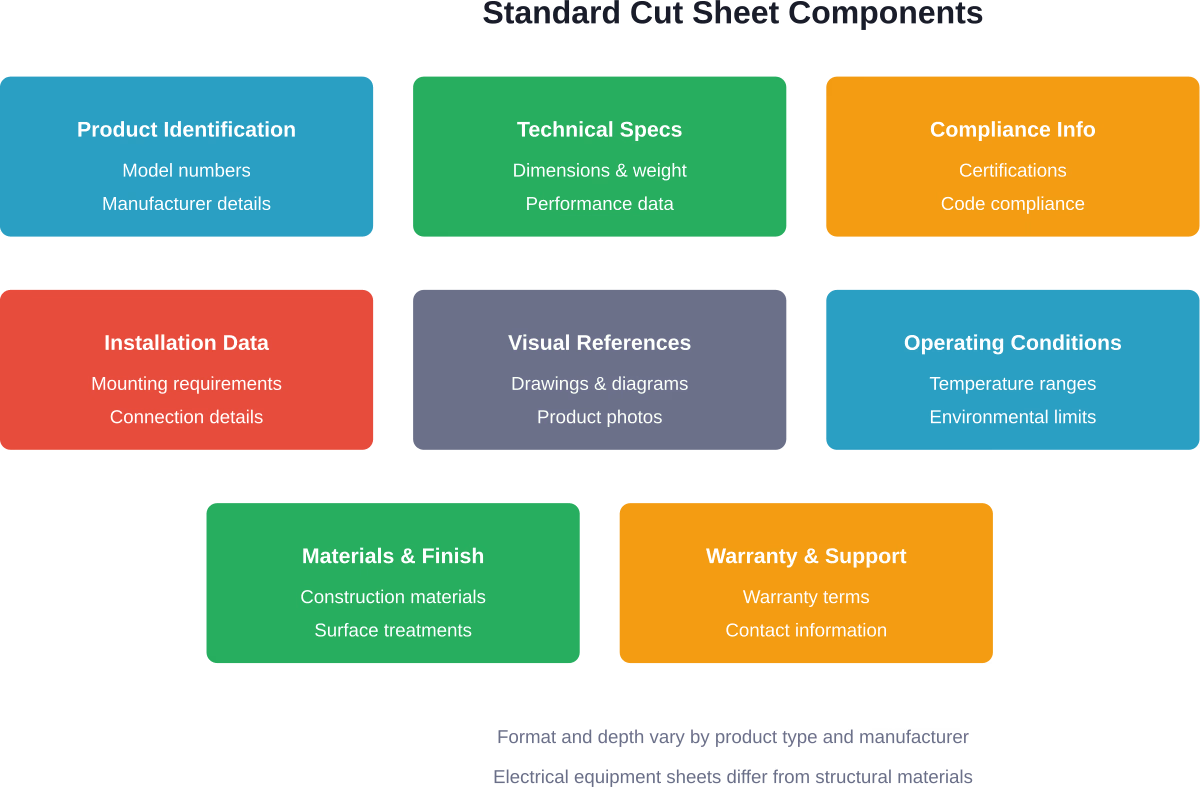
Not all cut sheets follow identical formats, but most include several standard elements that make them useful for construction professionals.
Product Identification
Every cut sheet starts with basic identification: manufacturer name, product name, model numbers, and part numbers. This information ensures everyone’s talking about the exact same product—critical when similar models have different specifications.
Technical Specifications
This section forms the heart of any cut sheet. Dimensions, weight, capacity, performance ratings, power requirements, and material composition all appear here. For HVAC equipment, this might include BTU ratings and airflow data. For lighting fixtures, lumens and color temperature. The specifics depend entirely on the product category.
Compliance and Certifications
Modern construction operates under strict building codes and safety standards. Cut sheets document compliance with relevant codes and list certifications from testing organizations. UL listings, Energy Star ratings, ADA compliance, and fire ratings commonly appear in this section.
Installation Requirements
Contractors need to know how products get installed. Cut sheets typically include mounting specifications, clearance requirements, connection types, and installation diagrams. This information helps field crews plan their work and avoid mistakes that require rework.
How Construction Professionals Use Cut Sheets
Cut sheets serve multiple purposes throughout a construction project’s lifecycle. Different team members rely on these documents at different stages.
During the design phase, architects and engineers use cut sheets to select products that meet project requirements. They verify that proposed equipment fits within space constraints and delivers required performance levels.
When preparing construction documents, specification writers reference cut sheets to create accurate project specifications. These specs become part of the contract documents that define what gets installed.
For contractors bidding on projects, cut sheets help estimate costs and plan logistics. Knowing exact dimensions and installation requirements allows more accurate material takeoffs and labor estimates.
During construction, field crews consult cut sheets to verify they’re installing the correct products according to manufacturer requirements. These documents answer questions about connections, clearances, and proper orientation.
Submittal Process
In commercial construction, cut sheets play a central role in the submittal process. Contractors submit product data sheets to architects and engineers for review before purchasing or installing materials. This verification step ensures proposed products meet the project specifications.
The design team reviews submitted cut sheets against project requirements, marks them “approved,” “approved as noted,” or “rejected,” and returns them to the contractor. Only after approval can the contractor proceed with procurement and installation.
Common Types of Cut Sheets in Construction
Different construction trades work with different types of cut sheets. The format and content vary based on what information matters most for each product category.
| Product Category | Key Information Included | Primary Users |
|---|---|---|
| Electrical fixtures and equipment | Voltage, amperage, wiring diagrams, lumen output, mounting details | Electricians, lighting designers |
| HVAC equipment | Capacity, airflow, power requirements, dimensions, noise levels | Mechanical contractors, engineers |
| Plumbing fixtures | Flow rates, pressure requirements, dimensions, drain connections | Plumbers, mechanical engineers |
| Door hardware | Dimensions, finishes, operation type, fire ratings, ADA compliance | Carpenters, architects |
| Structural materials | Load ratings, material composition, dimensions, installation methods | Structural engineers, framers |
| Fire protection systems | Coverage area, activation specs, code compliance, mounting requirements | Fire protection contractors |
Electrical Cut Sheets
Electrical cut sheets provide detailed specifications for lighting fixtures, panels, switches, and electrical equipment. They include wiring diagrams, voltage requirements, and photometric data for lighting products. Electricians rely heavily on these documents to ensure proper installation and code compliance.
Mechanical Equipment Sheets
HVAC systems require extensive documentation. Cut sheets for mechanical equipment detail heating and cooling capacities, energy efficiency ratings, physical dimensions, and utility requirements. These specs help mechanical contractors coordinate equipment placement and utility connections.
Cut Sheets vs. Other Construction Documents
Construction projects involve numerous document types, and understanding the distinctions prevents confusion.
Specifications vs. Cut Sheets
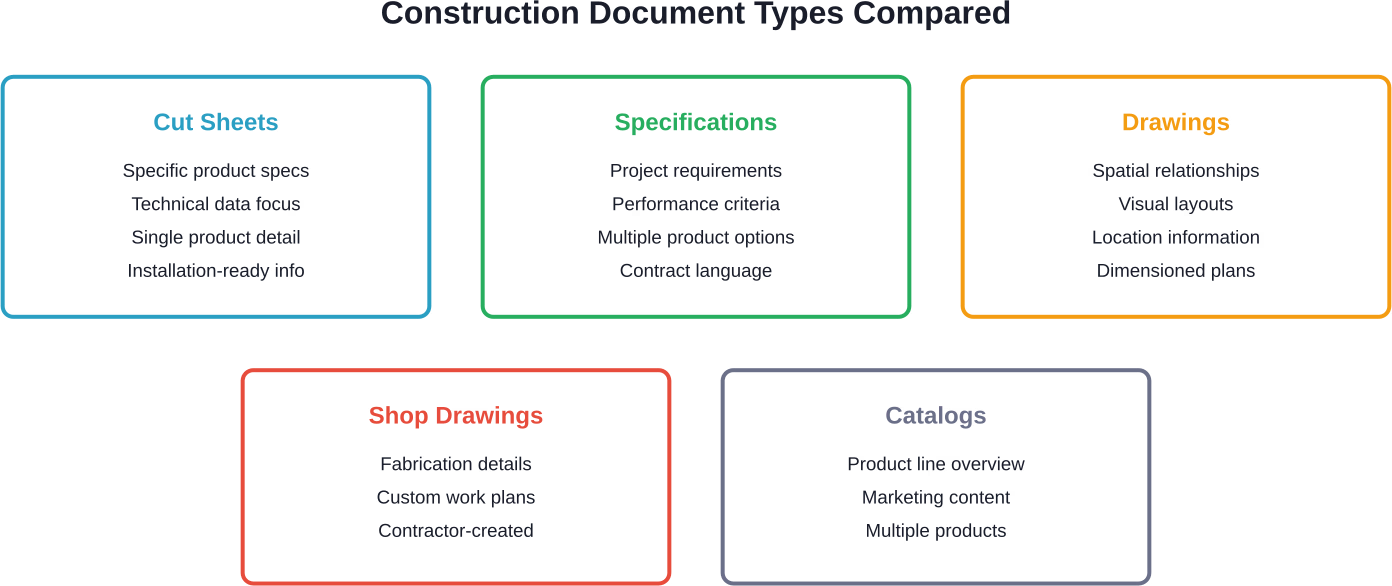
Project specifications describe requirements and performance criteria for materials and equipment. They’re part of the contract documents and define what’s acceptable. Cut sheets, on the other hand, describe specific products that may or may not meet those specifications. Specifications set the standards; cut sheets demonstrate compliance with those standards.
Shop Drawings vs. Cut Sheets
Shop drawings show how contractors plan to fabricate or install custom work. These contractor-created documents illustrate specific installation conditions for a particular project. Cut sheets are manufacturer-provided documents that apply to any installation of that product.
Catalogs vs. Cut Sheets
Product catalogs showcase entire product lines with marketing descriptions and basic specs. Cut sheets extract detailed technical data for individual products. A catalog helps browse options; a cut sheet provides installation-ready information for a selected product.
Best Practices for Working with Cut Sheets
Construction professionals who handle cut sheets effectively save time and prevent errors. Several practices help maximize their value.
Organization Matters
Projects accumulate dozens or hundreds of cut sheets. Organizing them by specification division or trade keeps information accessible. Digital document management systems allow searching by product name, manufacturer, or specification section—far better than flipping through paper binders.
Verify Before Relying
Manufacturers occasionally update products without changing model numbers. Always check the document date and verify you’re working from current information. When in doubt, download fresh cut sheets from manufacturer websites rather than relying on old files.
Highlight Key Information
Cut sheets often contain more information than needed for a specific task. Marking up documents to highlight critical dimensions, electrical requirements, or installation notes saves time for field crews who reference them during installation.
Include in Submittals
When submitting product data for approval, ensure cut sheets are complete and legible. Incomplete submittals get rejected, delaying procurement. Clearly mark any deviations from specified requirements with explanatory notes.
Approve Cut Sheets That Work on Site

Cut sheets get approved based on product data, but problems show up when those products hit real conditions. If clearances don’t work, connections don’t align, or installation constraints weren’t checked, teams end up fixing it on site. Powerkh helps you validate cut sheets against the actual model and installation context before approval, so what gets signed off can be installed without changes.
They look at where product decisions break down – not in the document, but in how components fit into real space, connect to other systems, and perform under site constraints. That way, cut sheet approvals don’t turn into on-site adjustments.
Check Cut Sheets Against Real Conditions
Before approval, Powerkh helps you verify what matters:
- Does the selected equipment fit within available space and access zones
- Are connections and interfaces consistent with the coordinated model
- Do manufacturer requirements match actual installation constraints
- Will the component create conflicts once placed in the model
- Are there hidden risks that won’t show up until installation
Contact Powerkh to make sure your cut sheet approvals hold up when it’s time to install.
Digital Tools and Cut Sheet Management
The construction industry has gradually moved toward digital documentation, and cut sheet management is no exception. Modern approaches offer advantages over traditional paper-based systems.
Cloud-based project management platforms allow teams to access cut sheets from any device. Field crews can pull up specifications on tablets without carrying binders. This accessibility reduces trips back to the office trailer and puts information at workers’ fingertips.
Some construction management software integrates cut sheets with submittal workflows. These systems track which products have been submitted, reviewed, and approved. Automated notifications alert team members when submittals are ready for review or have been returned with comments.
Building Information Modeling (BIM) platforms can link cut sheets directly to model objects. Clicking on an HVAC unit in the 3D model displays its cut sheet, creating direct connections between design representation and product specifications.
Common Issues and How to Avoid Them
Even with proper practices, cut sheet management presents challenges. Recognizing common problems helps teams avoid them.
Outdated Information
Using old cut sheets for discontinued products causes procurement delays and potential redesign. Establishing procedures to verify product availability before finalizing selections prevents this issue. Contractors should confirm availability with suppliers before ordering based on cut sheet data.
Incomplete Cut Sheets
Some manufacturers provide minimal product data that lacks installation details or compliance information. When cut sheets don’t include necessary information, contacting manufacturer technical support to obtain complete documentation prevents field questions that can’t be answered.
Conflicting Information
Occasionally, cut sheets contain data that conflicts with project specifications or other documents. Resolving these conflicts before construction prevents confusion. The design team should clarify which information takes precedence when discrepancies arise.
Conclusion
Cut sheets form an essential part of construction documentation, bridging the gap between design intent and physical installation. These specification documents provide the detailed technical information that architects, engineers, contractors, and field crews need to verify products meet requirements and install them correctly.
Understanding what cut sheets contain, how they differ from other construction documents, and when they’re used throughout project phases helps teams work more efficiently. Proper organization and management of these documents prevents costly errors and keeps projects moving forward.
Whether working on commercial buildings, infrastructure projects, or residential construction, taking time to properly review and organize cut sheets pays dividends throughout the construction process and into the building’s operational life.
Ready to improve your construction documentation practices? Start by implementing a systematic approach to cut sheet organization that works for your team’s specific needs and project types.
Frequently Asked Questions
Are cut sheets and spec sheets exactly the same thing?
Yes, cut sheets and spec sheets refer to the same document—detailed technical specifications for construction products. The terms are used interchangeably across the construction industry, along with “product data sheets” and “data sheets.” Regional preferences and trade-specific terminology account for the variation, but the function remains identical.
Who provides cut sheets for construction projects?
Manufacturers produce cut sheets for their products. Contractors typically obtain these documents from manufacturer websites, sales representatives, or distributor catalogs, then compile them as part of project submittals. The design team reviews submitted cut sheets but doesn’t create them.
When during a project are cut sheets needed?
Cut sheets serve purposes throughout project phases. During design, they help select appropriate products. During bidding, contractors use them for estimates. During construction, they’re required for submittals before purchasing and installation. Field crews reference them during installation, and they become part of closeout documentation for facility managers.
What’s the difference between a cut sheet and a shop drawing?
Cut sheets are manufacturer-provided documents with standard product specifications that apply to any installation. Shop drawings are contractor-created documents showing how specific products will be fabricated or installed for a particular project. Shop drawings are custom; cut sheets are standardized.
Do residential construction projects require cut sheets?
Smaller residential projects typically don’t require formal cut sheet submittals like commercial projects do. However, contractors and homeowners still benefit from reviewing product specifications for major equipment and fixtures. Custom homes and high-end residential work may include submittal requirements similar to commercial projects.
How long should cut sheets be kept after project completion?
Cut sheets should be included in project closeout documentation and retained for the building’s lifecycle. Facility managers need access to equipment specifications for maintenance, repairs, and future renovations. Many organizations keep project records for 10+ years, and critical building system documentation should be retained indefinitely.
Can I use competitor cut sheets to create project specifications?
Project specifications should describe performance requirements rather than specify single products unless there’s legitimate justification. While cut sheets inform what performance levels are achievable, specifications should allow equivalent products from multiple manufacturers to promote competitive bidding. “Or equal” language gives contractors options while maintaining quality standards.

Our Case Studies
We have handled 200+ BIM & VDC projects for commercial, industrial, and residential sectors.
Our work includes:
Formwork design automation
Our client from
California, USA
Suspended ceiling design automation
Our client from
New York, USA
Wall framing design automation
Our client from
California, USA