Have any questions? Contact us!
Join our team!
Request a free quote or consultation

Picture this: you’re on a construction site, juggling blueprints, schedules, and a dozen teams, all while praying nothing goes wrong. Sounds stressful, right? Now imagine a tool that lets you see the entire project unfold, step by step, before a single brick is laid. That’s where 4D construction scheduling comes in – a game-changer that’s making waves in the industry. It’s not just about fancy tech; it’s about giving everyone from architects to contractors a crystal-clear view of how a project comes together over time. Let’s dive into what 4D scheduling is and why it’s reshaping how we build.
The Nuts and Bolts: Breaking Down 4D Scheduling
At its core, 4D construction scheduling is about taking a detailed 3D model of a project and layering in the element of time to create a visual timeline of the construction process. It’s an extension of BIM, which already gives you a digital blueprint of the building. By adding time, you get a simulation that shows how the project evolves, from pouring the foundation to topping out the roof.

Components of a 4D Schedule
To really get what makes 4D tick, let’s break it into its key pieces:
- 3D Model Foundation: This is your starting point – a digital replica of the building, complete with every wall, pipe, and beam. It’s not just a pretty picture; it’s packed with data like material specs and dimensions, making it a virtual twin of the final structure.
- Time Integration: Here’s where the “4D” part comes in. You take your project schedule – think tasks like “install windows” or “erect steel columns,” each with start and end dates – and link them to specific elements in the 3D model. For example, when the schedule says “build exterior walls” on week three, those walls appear in the model at that point in the timeline.
- Dynamic Simulation: Once linked, the model and schedule work together to create an animated sequence. You can watch the building “grow” virtually, pause to inspect specific phases, or fast-forward to see the endgame. It’s like a video game where you control the construction timeline.
How It’s Done
Creating this simulation involves software that ties the model to the schedule. You start by ensuring your 3D model is accurate, then import a schedule, often in a format like a Gantt chart or critical path method (CPM). Each task is mapped to corresponding model elements, and the software generates a time-based animation. The best setups let you tweak variables – like delaying a task – and see the ripple effects instantly. Some systems even pull in real-time site data, keeping the simulation current as work progresses.
Why It Matters
This setup isn’t just for show. It lets you test scenarios, spot conflicts (like two crews needing the same space), and plan logistics with precision. I’ve seen teams catch issues in these simulations that would’ve cost weeks on-site. It’s scalable too – whether you’re building a single-story office or a sprawling airport terminal, 4D adapts to the complexity.
Powerkh's Approach to 4D Construction Scheduling

Powerkh is a UK-based company with offices in Ukraine and the USA, specializing in 4D construction scheduling services. By integrating cost and scheduling data into 3D models, we enable clients to better manage project timelines, budgets, and construction workflows.
Our 4D BIM solutions provide detailed digital models that connect construction schedules with cost projections, allowing teams to track progress, anticipate issues, and make data-driven decisions that help control both time and costs throughout the project lifecycle.
We serve a broad range of industries, including residential, commercial, and infrastructure projects. With locations in the UK, Ukraine, and the USA, we deliver precise and efficient BIM solutions that enhance collaboration and project management, ensuring timely, on-budget project delivery.
Key Highlights:
- UK-based company with offices in Ukraine and the USA
- Specializes in 4D construction scheduling integrating cost and schedule data with 3D models
- Focus on improving project management, budget control, and timeline accuracy
- Experienced across residential, commercial, and infrastructure projects
- Advanced BIM solutions for better collaboration and decision-making
- Reliable, data-driven approach to project delivery
From Blueprints to Simulations: The Evolution of Planning
Construction planning has come a long way from the days of scribbling on paper. To appreciate 4D scheduling, it helps to know where it came from and why it’s such a leap forward.

The Old School: Paper and Pencil
Back in the day – think pre-1980s – planning meant hand-drawn blueprints and basic schedules, often in the form of bar charts. These showed tasks and durations but didn’t connect the dots spatially. If you wanted to know if the plumbing crew would clash with the electricians, you had to imagine it in your head or catch it on-site, often too late. Rework was common, sometimes eating up 20-30% of project costs due to poor coordination.
The Digital Dawn: CAD and Early Software
By the late 1980s, computer-aided design (CAD) started replacing paper, offering 2D and later 3D drawings. Scheduling software came along too, letting planners track dependencies and timelines digitally. But these were still separate systems – your design lived in one place, your schedule in another. Aligning them was a manual, error-prone process, and visualizing the full picture was tough.
The BIM Revolution
Around the early 2000s, BIM changed the game. It wasn’t just about drawings; it created smart 3D models with embedded data – material types, costs, maintenance needs. BIM allowed teams to collaborate on a single model, reducing errors. But it was still mostly static, focused on the “what” of the building, not the “when.”
Enter 4D Scheduling
By the 2010s, folks realized BIM’s potential could extend to time. Early 4D experiments linked schedules to models, creating animated sequences that showed construction phasing. It caught on fast for complex projects like hospitals or infrastructure, where timing is critical. Today, cloud computing and better integration have made 4D more accessible, even for smaller firms. It’s not just a tool – it’s a mindset shift, moving from reactive fixes to proactive planning.
The BIM Backbone: Why It’s Essential for 4D
You can’t talk about 4D without giving a nod to BIM – it’s the foundation that makes the whole thing possible. BIM isn’t just a 3D model; it’s a rich database that holds everything you need to know about a building, from design to operation.
How BIM Powers 4D
In a BIM model, every element – like a door, column, or duct – carries attributes: dimensions, materials, even costs. For 4D, you add time attributes, linking each element to its construction schedule. When the schedule says “install HVAC” on day 45, the HVAC components light up in the model at that point. If you change the schedule, the simulation updates automatically, keeping everything in sync.
Levels of BIM Maturity
The quality of your BIM model matters. Here’s a quick rundown:
- Level 1: Basic 2D/3D models with limited data sharing. Not great for 4D, as it lacks integration.
- Level 2: Collaborative 3D models with shared data across teams. This is the minimum for effective 4D scheduling.
- Level 3 and Beyond: Fully integrated models with real-time updates and lifecycle data. These shine for complex 4D simulations, including logistics like temporary structures.
A robust BIM model ensures your 4D simulation is accurate. Skimp on this, and you’re building on shaky ground.
Collaboration Catalyst
One of BIM’s superpowers is how it brings teams together. Architects, engineers, contractors – all work from the same model, reducing misinterpretations. When you add the time dimension, everyone sees not just what’s being built but when and how. I’ve watched project meetings where a 4D walkthrough replaced hours of debate with a shared “aha” moment. It’s especially helpful for clients who might not read blueprints but can grasp a visual timeline.
Building a 4D Schedule: A Step-by-Step Guide
Ready to try 4D scheduling? It’s not as daunting as it sounds, but it does take some prep. Here’s how you can pull it off, based on practices I’ve seen work well.
Step-by-Step Process
- Start with a Solid 3D Model: Ensure your BIM model is detailed and accurate, covering all trades – structural, mechanical, electrical, etc. Missing elements can throw off the whole simulation.
- Develop a Detailed Schedule: Create a project timeline with tasks, durations, and dependencies. Common formats include Gantt charts for simplicity, critical path method (CPM) for highlighting key tasks, or line of balance for repetitive work like multi-story buildings.
- Link Schedule to Model: Map each task to its corresponding model elements. For instance, connect “pour concrete slab” to the slab’s 3D representation. This step requires clean data to avoid mismatches.
- Generate the Simulation: Use software to create the animated timeline. Watch the sequence unfold, checking for conflicts like spatial overlaps (e.g., two crews in one spot) or timing issues (e.g., materials arriving too late).
- Review and Refine: Share the simulation with the team, gather feedback, and adjust. You might need to tweak sequences or add logistics like crane paths or staging areas.
- Implement and Update: Train your team to use the 4D model and keep it updated with real-time site data. Regular reviews ensure it stays relevant as the project evolves.
Tips for Success
- Start Small: If you’re new to 4D, test it on a single phase before going all-in.
- Invest in Training: Make sure your team knows the tools inside out.
- Check Data Quality: Errors in the model or schedule can derail the simulation.
- Engage Stakeholders Early: Get buy-in from all parties to ensure collaboration.
I’ve seen projects where skipping these steps led to half-baked simulations, so take the time to get it right.
Why It’s Worth It: The Benefits of 4D Scheduling

If you’re wondering whether 4D is worth the setup effort, let me lay out the wins. It’s not just about cool visuals – it delivers results that hit the bottom line and keep projects on track.
- Unmatched Visualization: Instead of deciphering flat plans or spreadsheets, you get a dynamic view of the build process. It’s easier to spot inefficiencies and communicate plans to everyone involved.
- Proactive Problem-Solving: Catch conflicts early – like two trades overlapping or a delivery blocking access – before they cause delays or rework. This can save up to 20% on costs by avoiding fixes.
- Streamlined Resource Use: See exactly when materials, equipment, or crews are needed, reducing waste and idle time. This optimizes logistics and keeps budgets in check.
- Enhanced Safety Planning: Simulate high-risk activities, like heavy lifts or work at heights, to plan safer sequences and implement protocols ahead of time.
- Time and Cost Savings: By identifying issues upfront, projects often finish faster and under budget. Some studies suggest savings of 10-20% on large-scale builds.
- Stakeholder Buy-In: Clients and investors love seeing a virtual walkthrough. It builds trust, clarifies progress, and can speed up approvals.
- Scenario Testing: Want to know what happens if you accelerate a phase or delay materials? Run it in the sim to make informed decisions without real-world risks.
In my experience, teams that embrace 4D often wonder how they managed without it. The initial time investment pays off in smoother execution and fewer surprises.
Real-World Impact: Where 4D Shines
Let’s ground this in some real-world examples. These aren’t specific projects tied to any one company but generalized scenarios that show 4D’s value across different settings.
Educational Facility Upgrade
Imagine a school renovation where classes are still in session. A 4D simulation helped planners sequence work around school hours, identifying conflicts like utility installations that would’ve disrupted classes. By adjusting the timeline, they kept the project on track with minimal impact on students.
Urban Infrastructure Project
For a new bridge in a busy city, 4D was used to model construction while maintaining traffic flow. The simulation showed how temporary diversions and equipment moves would affect the schedule, allowing planners to minimize disruptions and enhance safety for workers and drivers.
Commercial Office Expansion
In a multi-story office addition, 4D revealed bottlenecks in material deliveries that would’ve slowed crane operations. By tweaking the schedule, the team optimized equipment use and shaved weeks off the timeline, impressing stakeholders with clear progress visuals.
Healthcare Facility Construction
Building a hospital wing is tricky when patients are nearby. A 4D model helped phase mechanical installations to avoid conflicts with active areas, ensuring safety and compliance while keeping the project on budget and schedule.
These examples show how 4D turns potential chaos into controlled progress, no matter the project type.
Looking Ahead: The Future of 4D Scheduling
As technology keeps evolving, so does 4D scheduling. We’re seeing exciting trends that could take it to the next level:
- Real-Time Integration: More projects are linking 4D models to live site data, like progress reports or sensor inputs, for up-to-the-minute simulations.
- Virtual and Augmented Reality: Imagine walking through a 4D model in VR, tweaking sequences in real time. It’s already happening in some cutting-edge projects.
- AI and Predictive Analytics: Emerging tools analyze 4D data to predict delays or optimize schedules automatically, taking some guesswork out of planning.
- Wider Adoption: As software becomes more user-friendly and affordable, smaller firms are jumping on board, making 4D a standard for all kinds of builds.
I’m excited to see where this goes. The construction industry isn’t known for rapid change, but 4D is proving that smart tech can make a real difference.
Conclusion: Embracing the Future with 4D Construction Scheduling
As we’ve explored, 4D construction scheduling is more than just a shiny new tool – it’s a game-changer that brings clarity and control to the often chaotic world of construction. By weaving time into detailed 3D models, it lets teams see, plan, and tweak every step of a project before the first shovel hits the dirt. From catching costly clashes to streamlining resources and keeping everyone on the same page, the benefits are hard to ignore. I’ve seen how it transforms projects, saving time, money, and a whole lot of stress. As technology keeps pushing forward – think real-time updates and virtual reality walkthroughs – 4D is set to become a cornerstone of modern construction. Whether you’re tackling a skyscraper or a small renovation, adopting this approach could be the edge you need to deliver on time and on budget. So, why not take a closer look? The future of planning is here, and it’s looking pretty exciting.
FAQs
What is 4D construction scheduling, and how does it differ from 3D modeling?
4D construction scheduling adds the dimension of time to a 3D model, creating a visual simulation of the construction process. While 3D modeling shows the physical design of a building, 4D links each element to a schedule, showing when and how components are built. This dynamic view helps teams plan sequences, spot conflicts, and coordinate work more effectively than static 3D models alone.
How does 4D scheduling improve project outcomes?
It enhances outcomes by providing clear visualization, catching issues like spatial or timing conflicts early, and optimizing resource use. It fosters better collaboration among teams, reduces risks like delays or safety hazards, and can save 10-20% on costs by minimizing rework. Stakeholders also benefit from clearer communication, speeding up decisions and approvals.
What kind of projects benefit most from 4D scheduling?
Any project can benefit, but it’s especially valuable for complex builds like hospitals, airports, or infrastructure where timing and coordination are critical. Large projects with multiple trades or tight schedules see the biggest gains, though smaller renovations also use 4D to streamline phasing and logistics.
What are the challenges of implementing 4D scheduling?
Challenges include the need for accurate 3D models and schedules, which requires quality data and training. Initial setup can be time-intensive, and teams may resist adopting new tools. Ensuring all stakeholders collaborate and keeping the model updated with site progress are also key hurdles, but proper planning and training can overcome these.
Our Case Studies
We have handled 200+ BIM & VDC projects for commercial, industrial, and residential sectors.
Our work includes:
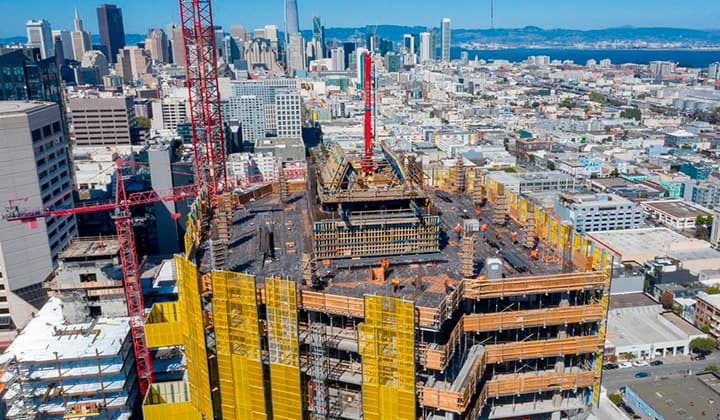
Formwork design automation
Our client from
California, USA
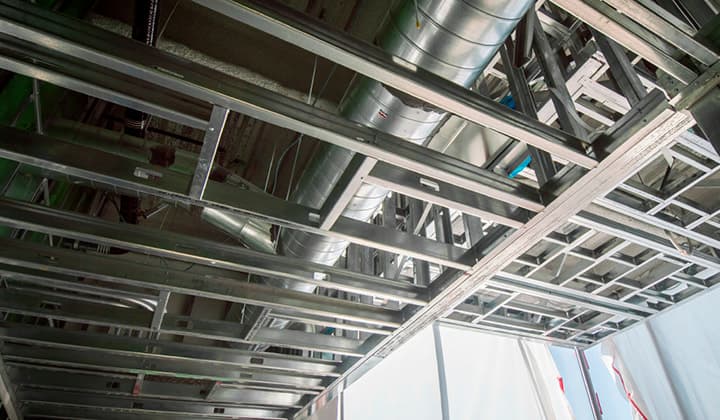
Suspended ceiling design automation
Our client from
New York, USA
Wall framing design automation
Our client from
California, USA