Have any questions? Contact us!
Join our team!
Request a free quote or consultation

Architectural engineering is all about bringing building designs to life in a practical, safe, and efficient way. It’s a field that blends creative thinking with technical know-how, helping turn architectural concepts into structures that actually work structurally, mechanically, and environmentally. Whether it’s lighting, heating, or even the way a building handles natural disasters, architectural engineers are the ones making sure everything functions behind the scenes.
Understanding the Role of an Architectural Engineer

Architectural engineers are responsible for turning architectural designs into buildings that function safely, efficiently, and sustainably. Their work bridges the gap between creative design and technical execution, ensuring that every structural and system component of a building performs as intended.
They collaborate closely with architects to translate design concepts into practical construction plans, applying engineering principles to solve real-world challenges. This includes assessing how the building will handle structural loads, planning out HVAC, electrical, and plumbing systems, and making sure everything meets safety codes and performance standards.
Beyond the technical calculations, architectural engineers also evaluate material choices, manage building energy consumption, and help coordinate the various systems within a structure so they operate together seamlessly. Whether working on a hospital, office tower, or residential building, their role is to make sure the project is both buildable and livable.
Powerkh in Action: Enhancing Architectural Engineering Projects

We are Powerkh, a UK-based design and engineering company providing BIM (Building Information Modeling) and structural engineering services for architectural engineering projects. With offices in the UK, the USA and Ukraine, we help improve construction efficiency by delivering accurate structural documentation, 3D models, and design coordination. Our services support a range of architectural projects, including residential, commercial, and industrial sectors.
Our key services include steel design, reinforced concrete design, steel detailing, rebar detailing, precast element detailing, curtain wall detailing, and BIM coordination. We use advanced BIM software to create detailed 3D models and clash detection reports, ensuring error-free designs before construction starts. We also produce fabrication drawings, material takeoffs, and statements of production. We begin by reviewing client documentation to identify and fix any issues early in the design phase.
By combining engineering expertise with the latest software tools, we provide fast and accurat architectural engineering solutions. Our focus on BIM au tomation and project coordination helps avoid design errors and rework, leading to more efficient project delivery. With experience across various sectors, we help architectural engineering teams streamline construction documentation and project management.
Core Areas of Architectural Engineering
Architectural engineering covers multiple technical domains that ensure a building functions as intended – structurally, mechanically, and environmentally. Below are the main areas where architectural engineers contribute throughout the design and construction process.
Structural Systems
Architectural engineers design and analyze the structural components of buildings to ensure they are stable, safe, and able to withstand loads such as weight, wind, and seismic activity. This includes foundations, beams, columns, and floor systems. They integrate structural elements into the building’s design, ensuring stability without compromising aesthetics or usability.
Mechanical (HVAC) Systems
Heating, Ventilation, and Air Conditioning (HVAC) systems are crucial for occupant comfort and air quality. Architectural engineers plan the layout and specifications of these systems, ensuring they are energy-efficient, meet ventilation standards, and are compatible with the building’s architectural constraints.
Electrical Systems
Electrical planning includes lighting design, power distribution, outlets, and integration of building automation systems. Engineers ensure safe load handling, compliance with local codes, and efficient power usage across the entire building. Considerations include both everyday functionality and emergency backup systems.
Plumbing and Water Management
Plumbing system design addresses both freshwater delivery and wastewater removal. Engineers also design rainwater harvesting systems, gray water recycling, and drainage strategies to reduce water waste and environmental impact. This work must meet health codes and sustainability goals.
Fire Protection and Life Safety
Architectural engineers design fire detection, suppression, and evacuation systems. These include sprinkler systems, fire-resistant materials, emergency lighting, and smoke control. Their role is to ensure that a building not only meets legal safety requirements but also minimizes risk to occupants.
Acoustics and Noise Control
In buildings like schools, offices, and theaters, sound control is essential. Engineers assess how sound travels within a structure and implement materials and layouts that improve acoustic performance, minimize noise transmission, and enhance user experience.
Lighting and Daylighting
Architectural engineers design both artificial and natural lighting systems to meet functional and visual needs while minimizing energy use. This includes the strategic placement of fixtures, integration with daylight, and compliance with efficiency standards.
Energy Efficiency and Sustainability
A growing focus in architectural engineering is reducing a building’s energy demand and carbon footprint. Engineers evaluate insulation, glazing systems, energy modeling, and renewable energy integration (solar, geothermal) to meet green building certifications or net-zero goals.
Architectural Engineering vs Architecture

Although closely related, architectural engineering and architecture are distinct professions with different responsibilities and approaches to building design. They often work in tandem, but their core functions, skill sets, and objectives vary.
1. Design vs Technical Execution
Architecture primarily focuses on the creative and conceptual aspects of buildings. Architects are responsible for the visual composition, spatial planning, and user experience of a structure. They shape how a building looks and how people interact with it.
Architectural engineering, by contrast, emphasizes the application of engineering principles to ensure the structure is safe, functional, and compliant with all technical standards.
Architecture involves:
- Creating visual and spatial concepts
- Designing building facades and interiors
- Considering cultural, historical, and contextual factors
- Working closely with clients to shape design vision
Architectural engineering involves:
- Structural analysis and material selection
- Design of HVAC, electrical, and plumbing systems
- Energy efficiency modeling and sustainability integration
- Compliance with codes, regulations, and performance standards
2. Skill Sets and Education
Each discipline requires a different educational background and technical foundation. Architecture programs focus heavily on design studios, model-making, and aesthetics. Architectural engineering programs include math, physics, systems design, and construction technologies.
Architects typically learn:
- Architectural theory and design
- Visual communication and drafting
- History of architecture
- Studio-based project development
Architectural engineers typically learn:
- Engineering mechanics and physics
- Thermodynamics and building systems
- Construction methods and materials
- Structural and systems design using BIM tools
3. Collaboration on Building Projects
In real-world construction, architects and architectural engineers often work side-by-side. While architects propose the concept, engineers validate whether it’s structurally and technically feasible.
Their collaboration ensures that:
- Creative ideas are executed safely and practically
- Systems like lighting, heating, and water are integrated without disrupting the design
- The final structure meets both aesthetic and functional goals
Applications in Modern Construction
Architectural engineering plays a central role in shaping how buildings are designed, constructed, and maintained in today’s evolving construction landscape. As projects become more complex and performance-driven, architectural engineers are responsible for integrating building systems that meet modern expectations for safety, efficiency, and sustainability.
Smart Buildings and System Automation
Modern buildings increasingly rely on smart technologies to control lighting, HVAC, security, and energy systems. Architectural engineers design the infrastructure needed to support automation and connectivity, ensuring all systems communicate efficiently. This integration helps optimize energy usage, improve occupant comfort, and enable remote monitoring and maintenance.
Sustainable and Energy-Efficient Design
With global emphasis on reducing environmental impact, architectural engineers contribute by implementing passive design strategies, energy modeling, and renewable energy systems like solar panels and geothermal heating. They also select materials with low environmental impact and integrate systems for water conservation, waste reduction, and air quality management.
Resilient Structures and Climate Adaptation
As buildings face increased risks from climate change, such as heatwaves, flooding, and severe weather, architectural engineers must design structures that can withstand these conditions, incorporating advanced stormwater management and addressing cybersecurity for smart building systems to ensure long-term resilience. This includes improving thermal performance, reinforcing structural elements, and incorporating stormwater management systems into urban developments.
BIM and Digital Construction
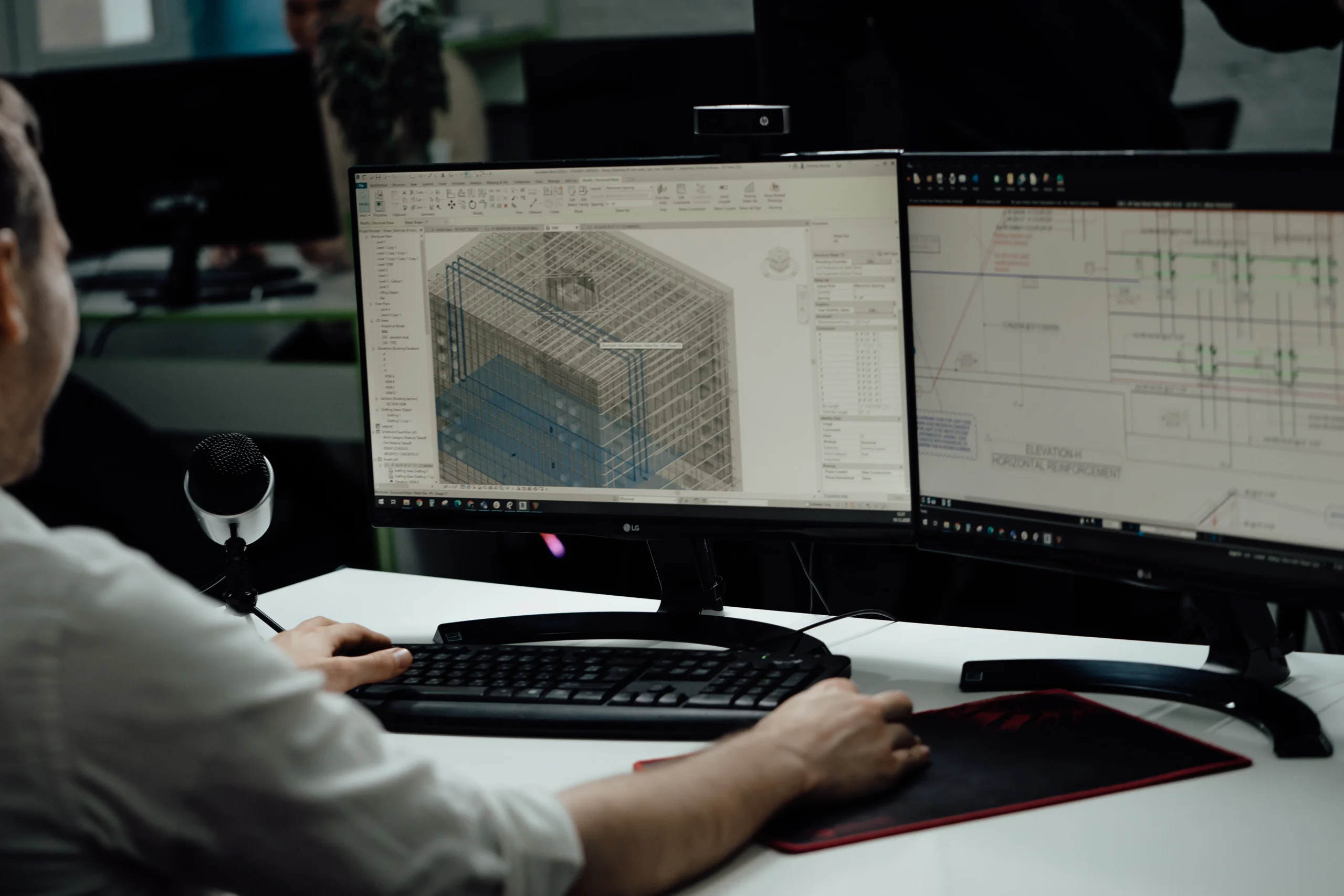
Architectural engineers use Building Information Modeling (BIM) tools to coordinate building systems and detect conflicts before construction begins. BIM enhances collaboration between disciplines and allows stakeholders to visualize performance, materials, and logistics in a unified 3D model. This reduces errors, delays, and cost overruns.
Retrofitting and Renovation of Existing Buildings
In urban environments, upgrading old structures is often more practical than new construction. Architectural engineers assess existing conditions and integrate modern systems such as energy-efficient HVAC or updated fire protection while preserving the structural integrity and design intent of older buildings.
Typical Work Environment

Architectural engineers operate in a hybrid professional setting that blends technical office work with on-site construction responsibilities. Their environment reflects the interdisciplinary nature of the role they must coordinate with various teams, review detailed designs, and ensure that real-world implementation aligns with engineered plans. Most architectural engineers split their time between design offices and fieldwork. The balance depends on the project phase, company structure, and individual specialization.
1. Office-Based Design and Coordination Tasks
A significant part of the role involves working at a desk with advanced engineering software and participating in project planning and design reviews.
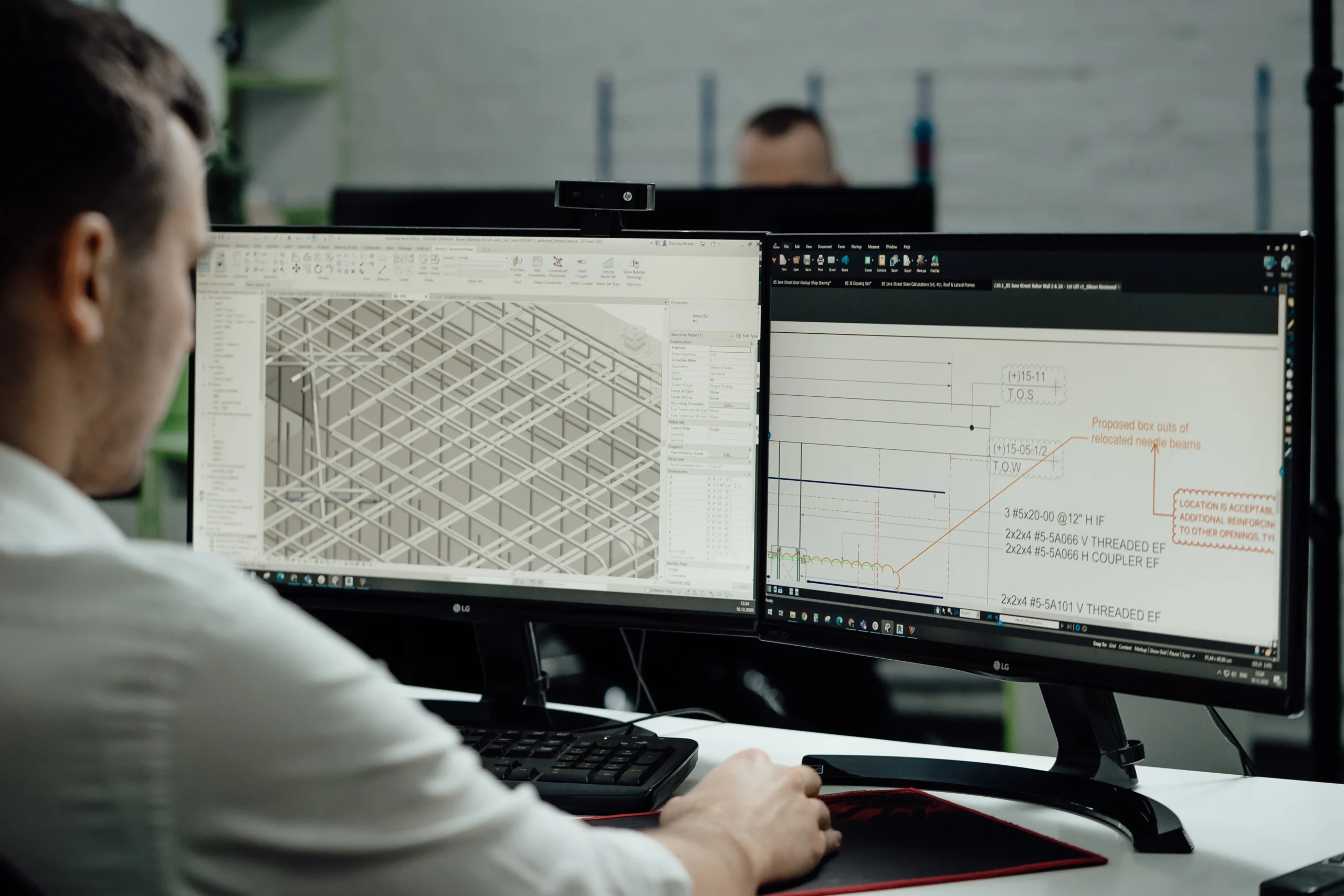
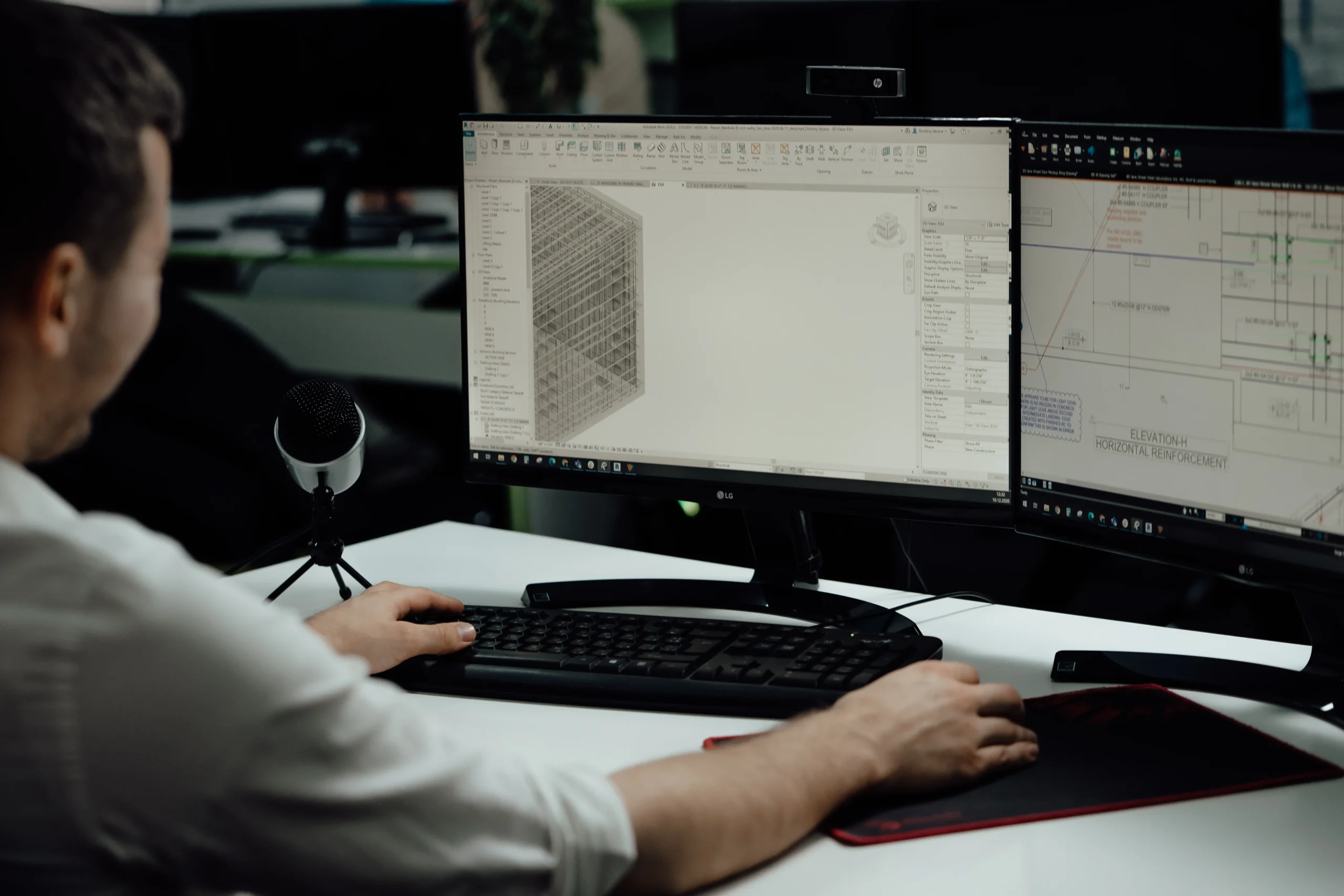
- Using CAD, Revit, or BIM software to create and refine technical drawings
- Analyzing HVAC, plumbing, and electrical systems
- Reviewing architectural plans for feasibility and compliance
- Participating in internal and cross-disciplinary coordination meetings
2. Construction Site Visits
Engineers regularly visit construction sites to ensure that the design is being correctly implemented and to address any technical issues that arise on the ground.
- Inspecting work progress against design documents
- Verifying the installation of structural and MEP systems
- Resolving integration issues during construction
- Coordinating with contractors and site supervisors
3. Interdisciplinary Collaboration
Much of the job revolves around communication architectural engineers who work closely with professionals from various disciplines to integrate systems and maintain project alignment.
- Consulting with architects to assess design feasibility
- Aligning structural, mechanical, and electrical designs
- Participating in stakeholder presentations and design reviews
- Responding to design changes and client feedback
4. Hybrid and Remote Work Possibilities
While site presence is important during construction phases, many tasks, especially those related to design and documentation, can be performed remotely or on a hybrid schedule.
- Preparing technical reports and specifications from a home or satellite office
- Attending virtual project meetings
- Managing updates to BIM models and construction documentation online
Conclusion
Architectural engineering is a vital discipline that combines architectural design insight with engineering precision to create buildings that are not only visually compelling but also structurally sound, energy-efficient, and system-integrated.
From designing HVAC and electrical systems to ensuring seismic safety and sustainable performance, architectural engineers play a crucial role in turning concepts into functional, real-world structures. As construction evolves to meet the demands of smarter, greener, and more complex environments, the need for skilled architectural engineers continues to grow across sectors.
FAQ
1. What is the main difference between architectural engineering and architecture?
Architectural engineering focuses on the technical systems and structural performance of a building, while architecture emphasizes the visual design, spatial layout, and overall aesthetic experience.
2. Can an architectural engineer work as an architect?
Not directly. While the fields are related, they require different education paths and professional licenses. An architectural engineer cannot legally practice architecture unless they have completed an accredited architecture degree and passed the relevant licensing exams.
3. Is architectural engineering a good career?
Yes. Architectural engineering is considered a stable and growing profession, particularly due to increasing demand for energy-efficient and technologically advanced buildings. It also offers opportunities to work on a wide variety of projects.
4. What tools do architectural engineers use?
They commonly use software like AutoCAD, Revit, BIM tools, energy modeling platforms, and simulation tools for structural, mechanical, and electrical system design.
5. What kind of projects do architectural engineers work on?
They work on commercial buildings, hospitals, schools, residential complexes, infrastructure upgrades, and retrofits any project where building systems must be designed, analyzed, or improved.
6. What degree do you need to become an architectural engineer?
Most positions require at least a bachelor’s degree in architectural engineering or a closely related field, with coursework in structural mechanics, thermodynamics, systems integration, and building codes.
Have a BIM Project? Talk To Us.
Contact UsOur Case Studies
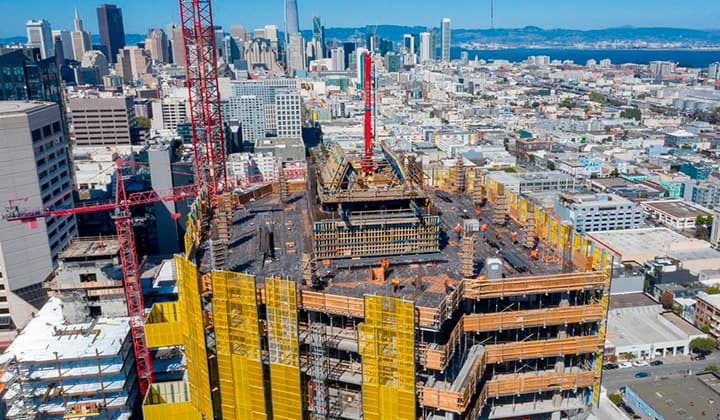
We have handled 200+ BIM & VDC projects for commercial, industrial, and residential sectors.
Our work includes:
Formwork design automation
Our client from
California, USA
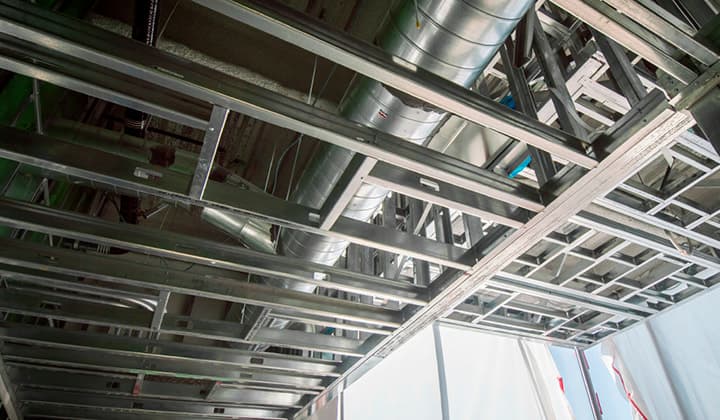
Suspended ceiling design automation
Our client from
New York, USA
Wall framing design automation
Our client from
California, USA