BIM for Heritage
Turn point clouds, measured surveys, and archive drawings into accurate as-built models of historic and existing buildings. Powerkh produces Heritage BIM (HBIM) that captures irregular fabric, records condition and asset data, and gives conservation teams a reliable digital record - modeled off-site from the scan data you supply and billed by the hour.
Discuss the taskPowerkh is a digital design consultancy delivering BIM, computational design, structural detailing, and digital fabrication for owners, architects, contractors, and engineers worldwide. About us
- 2018Founded
- 400+BIM/VDC projects
- 11Countries served
- 91NPS score
Heritage BIM (HBIM) Services
Heritage BIM, or HBIM, is the modeling of historic and existing buildings as accurate as-built information models, usually built from point clouds, measured surveys, and archive drawings. It captures irregular existing geometry along with condition and asset data to support conservation, documentation, and refurbishment work.
Historic buildings rarely match clean, orthogonal geometry, and generic modeling shortcuts lose the very detail that matters for conservation. HBIM demands faithful representation of walls that lean, mouldings that vary bay to bay, and structure hidden behind later alterations. We model from your point clouds, measured surveys, and scanned archive drawings, choosing a level of development that fits the purpose - a tight LOD for documentation or richer LOD 300-400 detail where refurbishment design or asset data requires it.
Powerkh has delivered accurate as-built and scan-to-BIM work across 400+ BIM and VDC projects for clients in the US, UK, and Europe. Every heritage model follows your standards, templates, and naming conventions, embeds condition and asset parameters you can schedule, and is exchanged through BIM 360 or your platform of choice. All work is done off-site from supplied scan data, and an NDA is signed on request before any files are shared.

Why Heritage BIM
Faithful as-built accuracy
We model to the survey rather than idealising it, so leaning walls, uneven floors, and varied profiles are represented as they truly exist - the detail conservation decisions depend on.
A single conservation record
Geometry, materials, condition notes, and asset data live in one coordinated model, giving conservators, architects, and owners a shared source of truth for the building.
Right level of detail
We agree LOD per element so effort goes where it matters. Ornate facades get rich modeling while back-of-house areas stay efficient, keeping hourly cost under control.
Ready for refurbishment design
An accurate existing-conditions model lets your design team plan interventions, run coordination, and quantify work against real geometry instead of assumptions.
What Our Heritage BIM Covers
Scan-to-BIM as-built modeling
Registered point clouds converted into accurate Revit models of historic fabric, structure, and interiors at the LOD your project needs.
Archive drawing translation
Historic paper and scanned drawings interpreted and reconciled against survey data to model elements the scan cannot fully capture.
Condition and asset data
Condition ratings, material records, and asset parameters embedded as schedulable data to support conservation management and maintenance.
Ornamental and profile modeling
Cornices, mouldings, columns, and decorative elements modeled as parametric families or in-place geometry that match the surveyed profiles.
Existing-conditions documentation
Plans, elevations, sections, and schedules generated from the HBIM model for record, planning, and refurbishment submissions.
Coordination for refurbishment
The as-built model prepared as a clean base for new design and Navisworks coordination between existing fabric and proposed interventions.
How Heritage BIM Is Delivered
-
Scope and NDA
We review your scan data, drawings, and conservation goals to define the modeling scope and target LOD. An NDA is signed on request, and you receive a free quote before work begins.
-
Data assessment
We check point-cloud coverage and archive drawings for gaps, flag areas the scan does not reach, and agree how those elements will be handled.
-
As-built modeling
Historic fabric is modeled to your standards and templates, faithful to the survey, with units to your preference (imperial by default, metric supported).
-
Condition data and QA
Condition and asset parameters are added and the model passes internal quality control against the point cloud, with reviews shared through BIM 360 or your platform.
-
Delivery and handover
You receive the HBIM model and documentation, review the work, and pay only after it is accepted. We then support refurbishment or record use as needed.
Software We Use
We work in the standard heritage modeling toolset so your HBIM deliverables integrate directly with your existing workflow.
- Autodesk Revit
- Navisworks
- Dynamo
- AutoCAD
- Autodesk ReCap
Our Case Studies
We have handled 400+ BIM & VDC projects for commercial, industrial, and residential sectors. Our work includes:
-
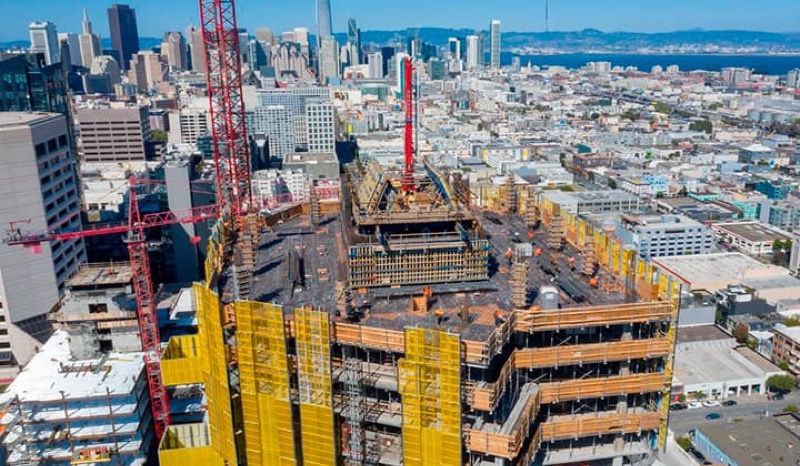
Formwork design automation
Our client from California, USA
-
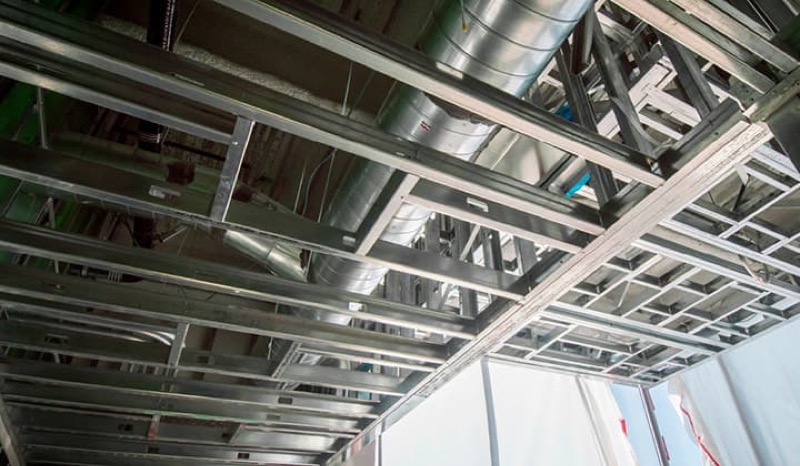
Suspended ceiling design automation
Our client from New York, USA
-
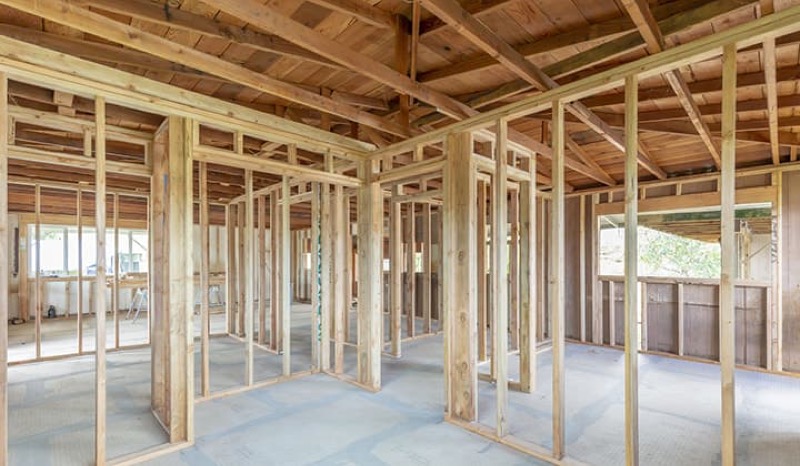
Wall framing design automation
Our client from California, USA
The Team Behind Your Project









Start a Heritage BIM Project
Share your point clouds, surveys, or archive drawings and conservation goals, and we will propose a modeling scope and target LOD free of charge - with payment only after delivery.
FAQ
What source data do you need for Heritage BIM?
We work best from registered point clouds or measured surveys, supported by any archive or scanned drawings you hold. We assess coverage first and flag any areas the data does not reach so we can agree how those elements are modeled.
Do you carry out the scanning yourselves?
No. Powerkh works entirely off-site from the scan and survey data you supply. This keeps cost focused on modeling and lets you use any surveyor you prefer for capture.
How accurate are your as-built heritage models?
We model to the survey rather than idealising geometry, so leaning walls, uneven floors, and varied profiles are represented as they exist. The target accuracy and LOD are agreed per element at the start of the project.
Can condition and asset data be included?
Yes. We embed condition ratings, material records, and asset parameters as schedulable data, so the model doubles as a conservation and maintenance record rather than pure geometry.
How is Heritage BIM priced?
Work is billed by the hour, and every project starts with a free quote based on the scan coverage and target LOD. Payment is due after the delivered model is reviewed and accepted.