Have any questions? Contact us!
Join our team!
Request a free quote or consultation

Structural detailing is a key part of turning design plans into buildable drawings. Whether you’re planning a residential build, commercial renovation, or industrial facility, the cost of detailing can vary widely. It depends on the project’s size, complexity, material type, and level of documentation required. Here’s a breakdown of how pricing works and what you might expect to pay.
Understanding What You’re Paying for in Structural Detailing
When reviewing a project budget, structural detailing often gets grouped into a single line item but what it actually covers is more complex than it seems. This stage transforms architectural and engineering concepts into precise, build-ready technical drawings that fabricators and contractors rely on.
Unlike design or drafting alone, structural detailing focuses on accuracy, coordination, and material-specific documentation tasks that directly impact how efficiently a structure gets built. The cost isn’t just about time spent; it reflects the scope, required level of detail, experience of the detailing team, and the demands of the project itself.
If you’re unsure what goes into the pricing or why quotes vary so widely, breaking down the components of cost can help clarify what you’re getting and what to look for when comparing services.
Inside Powerkh: Multi-Regional Support for BIM and Detailing Workflows

Powerkh is a UK-based company with offices in the USA and Ukraine, specializing in structural detailing services for construction projects. We produce shop drawings, 3D BIM models, and essential documentation to ensure projects are executed accurately and efficiently. Our team identifies design clashes, ensures compliance with construction codes, and prepares clear, precise construction documentation.
We use BIM modeling and clash detection tools to create 3D models, 2D drawings, and bills of materials (BOMs). Our services cover steel detailing, rebar detailing, precast and prefabrication element detailing, curtain wall detailing, and BIM coordination. These solutions are designed to support architects, engineers, and fabricators in delivering coordinated and accurate projects.
With experience in residential, commercial, and industrial projects, Powerkh provides structural detailing solutions tailored to project requirements. Our offices in the UK, Ukraine, and the USA enable us to serve clients in multiple regions and ensure effective communication and support throughout the project lifecycle.
Average Cost of Structural Detailing Services

The cost of structural detailing can vary widely from basic freelancer rates to the pricing of specialized engineering firms. The average rate depends on several factors: the experience level of the detailer, project complexity, the number of drawings required, and the level of detail involved.
In general, hourly rates range from $20 to $80 per hour:
- $20-30/hour: Common for freelancers or small contractors handling simple projects.
- $40-60/hour: Typical for experienced professionals or firms working on commercial or mid-sized structures.
- $60-80/hour and above: Standard for companies offering advanced services like BIM coordination, clash detection, or point cloud modeling.
Other pricing models are also used:
- Fixed project pricing: Suitable when the scope is clearly defined in advance.
- Per-ton pricing: Typically $100-$150 per ton, applied in industrial projects with repeatable elements.
- Per-sheet pricing: Sometimes used for simpler scopes, typically around $100-200 per drawing.
- Hybrid models: A fixed price for the main scope, plus hourly rates for revisions or additions.
Estimated total project costs might look like this:
- $1,500-3,000 for a small residential building
- $6,000-12,000 for a medium-sized commercial structure
- $15,000 and up for large industrial facilities or projects with high-detail BIM requirements (LOD 400-500)
It’s important to remember that a low rate doesn’t always mean lower total cost. Poor-quality detailing often leads to revisions, delays, or errors during fabrication which can quickly outweigh any upfront savings.
What Drives the Cost of Structural Detailing?
Structural detailing costs aren’t calculated by rate alone they depend on a mix of technical, logistical, and project-specific factors. Here are the key elements that typically influence the final price:
1. Project Complexity
The more complex the structure, the more time and expertise are needed. A simple residential frame requires far less coordination than a multi-story commercial building with steel, concrete, and connection-heavy zones. Projects with irregular geometries, custom joints, or non-standard materials naturally demand more detailing work.
2. Level of Detail (LOD)
The required Level of Development (LOD) significantly impacts cost:
- LOD 100-200: Basic massing and schematic design, lower cost
- LOD 300-400: Detailed enough for fabrication and construction
- LOD 500: As-built models with complete geometry and metadata highest cost due to accuracy requirements
The higher the LOD, the more precise and data-rich the output, which requires more hours and coordination.
3. Number of Drawings and Sheets
Some projects involve just a few general arrangement drawings; others may require dozens of detailed shop drawings, sections, elevations, and schedules. The more sheets needed, the higher the cost especially when they require coordination between disciplines.
4. Type of Structure and Material
Detailing costs vary by material:
- Steel structures often require high-precision connection detailing
- Reinforced concrete may need extensive rebar detailing
- Timber can be simpler, but still requires joint accuracy
Some projects involve hybrid systems, which increase coordination needs and cost.
5. Coordination and Clash Detection
Projects that involve multiple trades (architectural, MEP, structural) often require clash detection using tools like Navisworks or Revit. This additional coordination step can add hours to the detailing process but helps prevent costly construction issues later.
6. Revisions and Scope Changes
Frequent design updates or unclear input documentation lead to revisions, which extend the time spent on detailing. Some firms charge separately for revision rounds, especially in fixed-price contracts or when the scope changes mid-project.
7. Software and Workflow Requirements
If the client requires modeling in specific platforms (e.g., Revit, Tekla Structures, Advance Steel) or requests deliverables in certain formats, that can affect pricing. Projects that involve BIM automation, point cloud data, or parametric modeling typically cost more due to specialized workflows.
Common Payment Models in Structural Detailing
Structural detailing services can be priced using different payment models, depending on the project type, scope, and client preferences. Understanding how these models work can help you choose the most suitable option and avoid unexpected costs. Here are the most common pricing approaches used in the industry:
Hourly Rate
This model charges based on the actual time spent on a project. It’s ideal for jobs with flexible or evolving scopes. While it offers adaptability, it requires clear communication and regular progress updates to avoid scope creep or budget overruns.
Fixed Project Price
A flat fee is agreed upon upfront based on a defined scope of work. This model allows for easier budgeting and is often used for smaller or clearly outlined projects. However, any significant changes during the process may require separate billing.
Per-Tonnage Rate
Pricing is based on the weight of the steel to be detailed, typically ranging from $20 to $40 per ton. This model is more common in industrial steel projects where material quantity is a reliable indicator of workload. It becomes less accurate when dealing with intricate connections or custom elements.
Per-Sheet Pricing
Some detailers charge by the number of drawing sheets required. This approach is occasionally used in small or repetitive jobs and typically ranges from $100 to $200 per sheet, depending on complexity.
Hybrid Model
Combines elements of fixed pricing and hourly billing. For example, the base scope might be billed as a fixed price, while any changes, additions, or revisions are billed hourly. This model balances predictability with flexibility and works well when some parts of the scope are likely to evolve.
In-House vs. Outsourced Structural Detailing
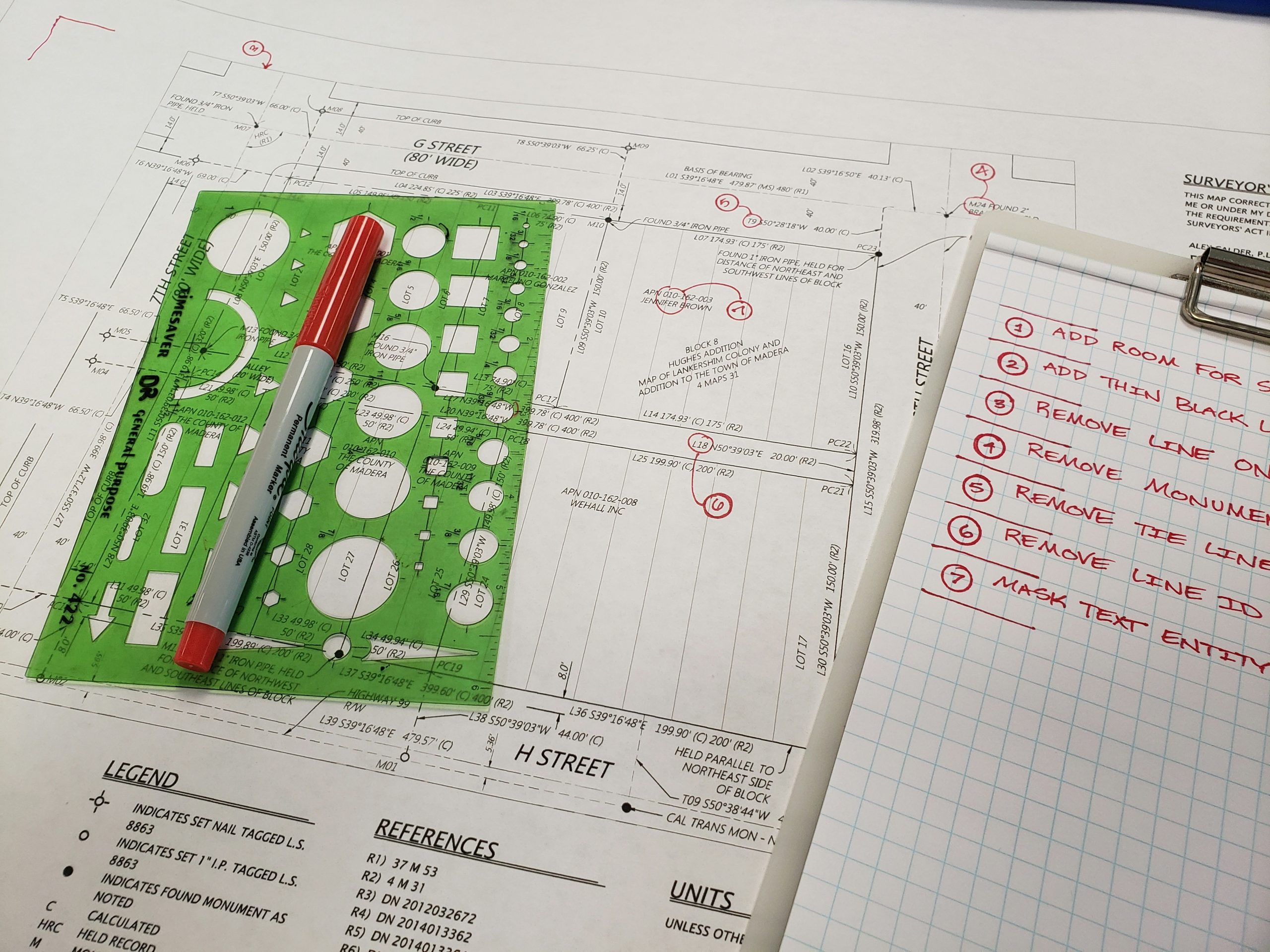
Choosing between in-house and outsourced structural detailing is a key decision that affects cost, workflow, and project flexibility. Both approaches have their advantages and trade-offs, and the right choice often depends on project scale, budget, and staffing capabilities.
In-House Detailing
Keeping detailing work within your team provides direct control over every aspect of the process. It allows for close coordination with engineering, design, and fabrication departments and can streamline internal communication.
Pros:
- Full oversight and alignment with internal standards
- Faster feedback and adjustments within the same organization
- Easier collaboration with design and construction teams
Cons:
- Higher fixed costs (salaries, software licenses, workstations)
- Requires long-term staffing regardless of project volume
- Limited scalability during peak workloads
Outsourced Detailing
Outsourcing means working with external specialists either freelance professionals or dedicated detailing firms. This approach allows companies to scale resources up or down as needed and often reduces operational overhead.
Pros:
- Lower labor and infrastructure costs
- Access to specialized expertise and global talent
- Flexible resource allocation for large or short-term projects
- Can reduce delivery time using teams in different time zones
Cons:
- Requires careful quality control and clear project documentation
- Time zone differences may affect communication and approvals
- Sensitive project data must be handled securely
Many firms use a hybrid approach handling critical or early-phase detailing in-house while outsourcing repetitive or overflow tasks to external partners. The choice depends on how much control, cost flexibility, and scalability your project requires.
Why Cheaper Isn’t Always Cheaper
A low hourly rate may look appealing, but in structural detailing, the real cost comes from the total amount of time, coordination, and corrections required to deliver usable drawings. Inexperienced or low-cost providers may miss critical details, create inconsistencies, or deliver incomplete sets leading to revisions, delays in fabrication, and miscommunication between teams. These issues often cost more to fix than they would have to prevent.
Choosing a more experienced detailer or firm might mean paying a higher rate, but it also means fewer errors, faster approvals, and smoother project execution. High-quality detailing supports efficient construction workflows and reduces the risk of fabrication errors or site changes. In most cases, investing in accuracy from the beginning ends up being more cost-effective than reworking low-cost output.
Conclusion
Structural detailing is a technical and essential part of any construction project, and its cost depends on more than just hourly rates. Project complexity, required level of detail, number of drawings, and coordination needs all play a role in determining the final price. While rates can range from $20 to $80 per hour, the total project cost is shaped by scope, quality expectations, and workflow efficiency.
Paying for accuracy upfront whether through experienced in-house teams or reliable outsourcing partners helps avoid rework, delays, and budget overruns. Understanding the typical pricing models and cost drivers allows you to plan better and choose the right approach for your project needs.
FAQ
1. What is the average hourly rate for structural detailing?
Hourly rates typically range from $20 to $80, depending on the complexity of work and the experience level of the detailer or firm.
2. How much does a small project usually cost?
For smaller residential projects, the cost may range from $1,500 to $3,000, depending on the number of drawings and the level of detail required.
3. Are fixed-price projects better than hourly?
Fixed pricing works well when the scope is clearly defined. For evolving or complex projects, hourly or hybrid models offer more flexibility and accurate billing.
4. What is per-ton pricing, and when is it used?
Per-ton pricing charges based on the weight of steel detailed (typically $100-$150 per ton). It’s most commonly used in industrial projects with repeatable elements.
5. Is outsourcing detailing services reliable?
Yes, with the right provider. Outsourcing can reduce costs and increase flexibility, but it requires clear communication, quality control, and secure handling of project data.
6. What impacts the total cost besides rate?
Factors include the level of detail (LOD), project complexity, number of drawings, software requirements, and frequency of revisions or changes.
Have a BIM Project? Talk To Us.
Contact UsOur Case Studies
We have handled 200+ BIM & VDC projects for commercial, industrial, and residential sectors.
Our work includes:
Formwork design automation
Our client from
California, USA
Suspended ceiling design automation
Our client from
New York, USA
Wall framing design automation
Our client from
California, USA