Have any questions? Contact us!
Join our team!
Request a free quote or consultation

Whether you’re planning a modular building, manufacturing a steel frame, or looking into off-site assembly, understanding the cost of prefabrication and fabrication is key. These methods can save time and reduce on-site labor, but they come with their own pricing structure. From materials and design complexity to transportation and labor, several factors influence the final budget. Here’s a clear look at what you can expect to pay and what drives those costs.
Understanding the Real Costs Behind Building Off-Site
From modular homes to steel structures, prefabrication and fabrication are changing how buildings and components are made but they also come with their own pricing logic. These off-site methods promise faster timelines and tighter quality control, but costs can vary significantly depending on materials, design, labor, and project complexity. Before choosing these approaches, it’s important to understand what actually drives the price, where savings come from, and what you’ll need to plan for when budgeting.
What Is the Difference Between Prefabrication and Fabrication?

Prefabrication involves producing building elements like wall panels, modules, or entire units off-site in a controlled environment. These parts are then delivered to the construction site for quick installation. It’s often used in modular housing, commercial facilities, and infrastructure projects where speed and efficiency are priorities. The main goal is to reduce on-site labor, shorten project timelines, and improve consistency.
Fabrication, in contrast, typically refers to the process of cutting, shaping, and assembling raw materials most commonly metal into structural or mechanical components. This might include steel beams, brackets, custom frames, or sheet metal parts used in various types of construction. While both methods take place off-site, fabrication focuses more on individual parts, whereas prefabrication covers larger assemblies or entire building sections.
Powerkh: Supporting Prefabricated and Fabricated Building Systems

Powerkh is a UK-based company that provides BIM (Building Information Modeling) services focused on prefabrication and fabrication in modular construction. Our company also has offices in Ukraine, and the USA, we work with clients across various regions to support architectural, structural, and MEP (Mechanical, Electrical, and Plumbing) aspects of construction. Our goal is to optimize manufacturing processes, improve project timelines, and enhance coordination using advanced digital tools.
At Powerkh, we specialize in creating detailed 3D prototypes and automating repetitive tasks to streamline modular construction. By allowing manufacturing and on-site work to proceed simultaneously, we help reduce project turnaround times. Our approach minimizes waste, ensures material accuracy, and improves safety by enabling off-site assembly in controlled environments. We work with clients in the industrial, commercial, and residential sectors.
Our services include BIM development for CNC manufacturing, design drafting, shop drawings, clash detection, and design-to-fabrication workflows. We use software such as Autodesk Revit, Dynamo, and Tekla to deliver accurate models and support project coordination. By aligning the efforts of engineers, fabricators, and construction teams, we help ensure that projects are completed efficiently and meet all required specifications.
Typical Costs of Prefabricated Building Systems
Prefabrication pricing depends on building type, complexity, and material specifications. Here’s a breakdown of average costs based on project category:
- Basic steel prefab buildings: $107-$268 per square meter ($10-$25 per square foot). Common for warehouses, storage, and agricultural facilities.
- Commercial prefab buildings: $258-$462 per square meter ($24-$43 per square foot) for installed structures, though structure-only kits may start lower. Suitable for offices, retail units, and logistics centers with added features like insulation or HVAC systems.
- Standard modular homes: $1,200-$2,000 per square meter ($111-$185 per square foot). Typically delivered in sections, these include complete interiors and utilities.
- Low-cost modular homes: $700-$1,000 per square meter ($65-$93 per square foot). Designed with minimal finishes and fewer built-in systems for budget-conscious projects.
These estimates usually cover the structure itself but exclude costs such as land, permits, foundation work, and site utilities. Larger projects may reduce cost per square meter due to economies of scale.
What Affects Prefabrication Costs?
Several factors influence the final cost of a prefabricated building. While off-site construction can reduce waste and speed up timelines, the total price still depends on decisions made during planning and production.
1. Building Size and Layout
Larger buildings typically have a lower cost per square meter due to bulk material usage and standardized processes. However, complex layouts or multi-story designs may increase costs due to added structural requirements and additional labor.
2. Material Selection
The choice of materials steel, timber, SIP panels, or concrete significantly impacts the budget. High-performance insulation, fire-rated components, or specialized cladding systems can raise material costs, even if the base structure is relatively simple.
3. Level of Customization
Standardized modules are cheaper to produce and assemble. Custom window placements, architectural detailing, non-standard dimensions, or integrated MEP systems add design and manufacturing complexity, leading to higher costs.
4. Transportation and Site Logistics
Prefabricated components must be delivered to the site, and transportation costs depend on distance, load size, and accessibility. Remote or restricted-access sites may require special handling or equipment, which increases the overall expense.
5. Labor and Assembly Requirements
While prefabrication reduces on-site labor, skilled labor is still required for installation, connections, and finishing. Foundation work, crane operations, and final fit-out all contribute to total project cost.
6. Local Regulations and Compliance
Buildings must meet local code requirements, which can influence design choices, materials, and approvals. Adapting a prefabricated design to meet stricter regional standards may require additional engineering or certification steps.
7. Project Timeline and Scheduling
Rushed production or tight delivery windows can increase prefabrication costs. Planning far enough in advance allows manufacturers to schedule production efficiently and avoid last-minute changes that typically come with higher fees.
Typical Fabrication Costs Across Different Project Types
Fabrication pricing depends on the type of service, complexity of the project, and technical requirements. Below is a general overview of average costs:
- Standard fabrication services: $500-$1,500 per project. Suitable for simple parts made from templates or common specifications.
- Custom fabrication work: $1,000-$4,000+ per project. Includes unique designs, non-standard materials, or special assembly processes.
- CNC machining and advanced cutting: $90-$200 per hour. High-precision tasks that require automated equipment and skilled operators.
- 2D and 3D design services: $50-$60/hour for 2D drafting, $90-$200/hour for 3D modeling. Often required for custom or prototype builds.
- Skilled fabrication labor: $75-$300 per hour. Tasks like welding, forming, or high-tolerance assembly typically fall in this range.
- Unskilled or general labor: $40-$75 per hour. Covers basic handling, support tasks, or simpler manual operations.
Prices can vary by region, project volume, and deadlines. Repeat orders and bulk runs often reduce the per-unit cost, while prototypes or one-time custom items tend to be more expensive.
Key Factors That Influence Fabrication Costs
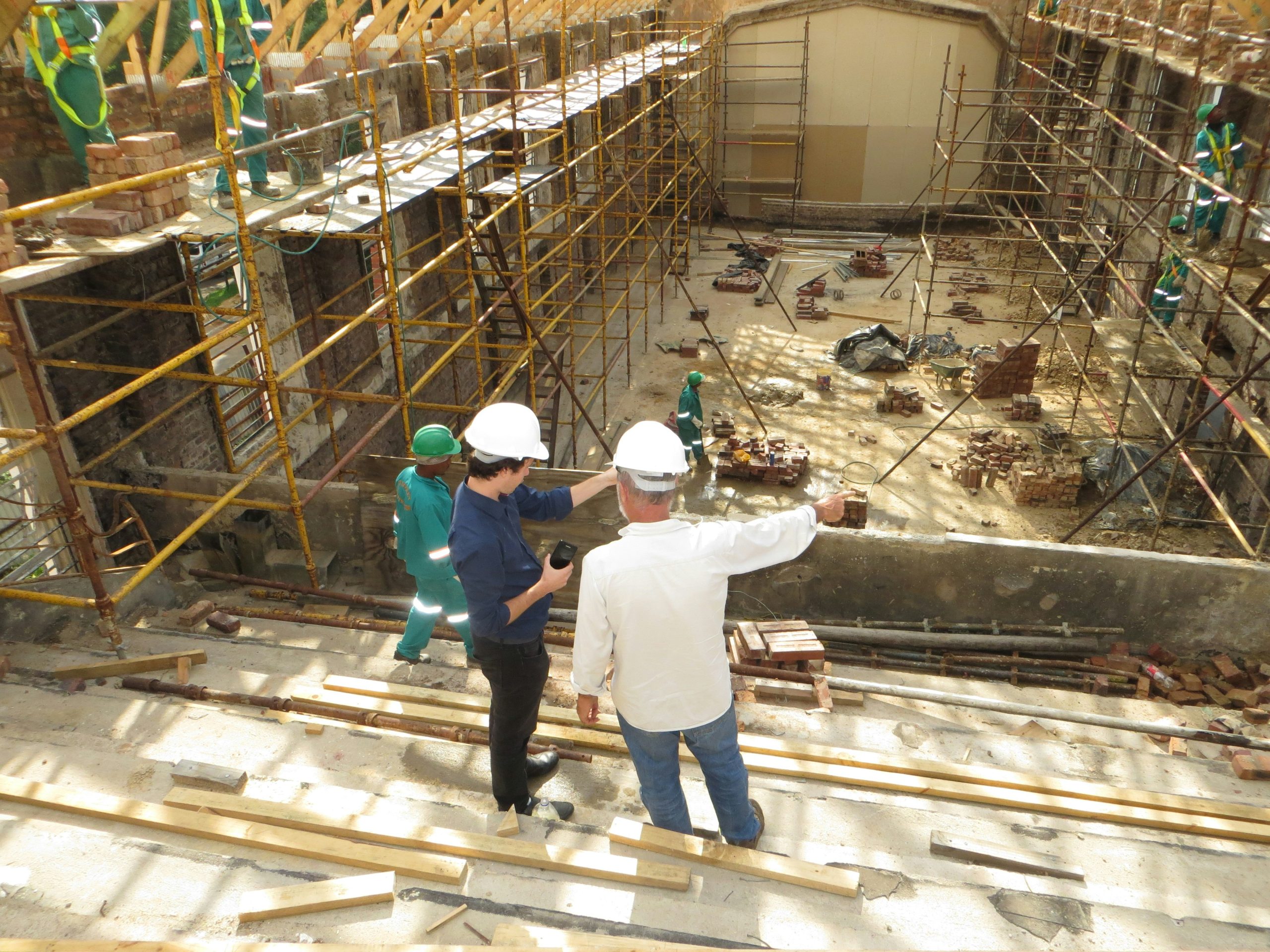
Fabrication costs are shaped by a range of technical, material, and logistical factors. Understanding what drives pricing can help manage budgets more effectively and avoid hidden expenses during production.
1. Material Type and Quality
The choice of material such as steel, aluminum, copper, or composite affects both the base price and how difficult it is to cut, weld, or machine. Higher-grade or specialty materials often require more labor and specialized equipment, raising the total cost.
2. Project Complexity
Simple shapes and standard dimensions cost less to produce. When a project involves custom geometry, tight tolerances, or multiple assembly steps, fabrication time increases, leading to higher labor and setup costs.
3. Type of Fabrication Process
Standard processes like cutting or bending are relatively low-cost, but specialized methods such as CNC machining, robotic welding, or laser cutting are billed at premium hourly rates due to the advanced machinery and skills required.
4. Labor Requirements
Skilled fabrication labor can cost between $75 and $300 per hour, depending on the task. Projects that demand certified welders, precision assembly, or inspection add significantly to total labor expenses.
5. Order Size and Repetition
Larger or repeat orders benefit from lower per-unit costs due to efficiency in setup and material usage. One-off or small batch jobs typically carry higher costs per item, especially if tooling or design time is needed.
6. Finishing and Post-Processing
Painting, coating, polishing, or surface treatments increase overall cost, particularly if high durability or appearance standards are required.
7. Location and Delivery
Regional labor rates, availability of materials, and distance to delivery sites can affect total cost. Urban areas or remote project locations often have additional logistical charges.
8. Lead Time and Schedule Pressure
Urgent jobs requiring fast turnaround or overtime labor tend to cost more. Planning fabrication schedules in advance helps avoid rush fees and last-minute adjustments.
Fixed vs. Variable Costs in Prefabricated and Fabricated Construction
Understanding the difference between fixed and variable costs is essential when budgeting for prefabricated and fabricated construction projects. These two cost types affect cash flow, pricing flexibility, and long-term planning.
Fixed Costs
These are consistent expenses that don’t change based on project volume and are usually related to overhead or infrastructure:
- Facility lease or mortgage: Costs for workshops, factories, or production space remain constant regardless of output.
- Equipment depreciation: Machinery used for fabrication or prefabrication loses value over time, regardless of how often it’s used.
- Salaried staff: Project managers, engineers, and administrative personnel typically fall under fixed labor costs.
- Insurance and certifications: Business liability, equipment coverage, and regulatory compliance often have annual or fixed-period costs.
- Utilities and maintenance: Electricity, heating, ventilation, and general upkeep are ongoing operational expenses.
Variable Costs
These change depending on the scale, complexity, and duration of a specific project:
- Raw materials: Steel, aluminum, timber panels, insulation, and fasteners are all tied directly to project volume.
- Hourly labor: Skilled and unskilled labor costs vary based on time spent, type of task, and number of workers required.
- Transportation and logistics: Delivery of prefabricated elements or fabricated parts depends on site location, fuel prices, and load size.
- Custom design and engineering: Custom projects often require additional hours for design, modeling, or structural calculations.
- Post-processing and finishes: Painting, coating, or surface treatments add cost based on quantity and finish quality.
- Project-specific compliance: Some builds require special permits, inspections, or code adjustments that only apply to that job.
Balancing fixed and variable costs is key to maintaining profitability. While fixed costs require consistent overhead planning, variable costs offer opportunities for savings through design choices, bulk ordering, or schedule optimization.
Future Trends That May Affect Costs
Several developments are likely to impact prefabrication and fabrication costs going forward. One major factor is the increased use of automation tools like CNC machines and robotics are reducing the need for manual labor and speeding up production. While they require upfront investment, they can lower long-term labor costs and reduce waste.
Material costs remain unpredictable due to supply chain instability. Fluctuations in steel, aluminum, and fuel prices continue to affect budgets. Some companies are shifting to local suppliers to avoid shipping delays and price spikes. There’s also growing pressure to meet sustainability standards. Using recycled or low-emission materials may raise costs initially, but it’s becoming a more common requirement across sectors.
Finally, more projects are being designed using digital tools like BIM and standardized modules. This allows for faster planning, easier replication, and better cost control especially in repeat builds or large-scale production.
Conclusion
The cost of prefabrication and fabrication depends on many variables: material choice, labor, complexity, and project scale. Prefabricated buildings can range from $50 to over $2,000 per square meter depending on type and finish, while fabrication services (standard or custom) can vary from a few hundred to several thousand dollars per job.
Understanding what affects these prices like design complexity, labor skill level, or specialized machinery helps teams budget more accurately. Whether you’re sourcing structural components or planning modular construction, the key to managing costs is clear planning, standardization where possible, and knowing where flexibility makes sense.
FAQ
1. What’s the typical cost of a prefabricated building?
Basic prefab buildings start at around $50 per square meter. Modular homes or commercial prefab units can cost up to $2,000 per square meter depending on complexity and finish.
2. How much does custom fabrication cost?
Custom fabrication projects usually fall between $1,000 and $4,000+, depending on design, materials, and labor. Hourly rates for specialized processes like CNC machining range from $90 to $200.
3. What affects fabrication pricing the most?
Material type, design complexity, labor rates, and whether the job is custom or standard all influence cost. Volume and repetition can reduce the per-unit price.
4. Are prefabrication and fabrication cheaper than traditional construction?
Often yes, especially when time, labor, and waste reduction are considered. However, custom work or high-end materials can raise the final cost.
5. Can I reduce costs in these processes?
Yes. Using standard designs, buying materials in bulk, simplifying shapes, and avoiding last-minute changes can help lower both prefabrication and fabrication expenses.
Our Case Studies
We have handled 200+ BIM & VDC projects for commercial, industrial, and residential sectors.
Our work includes:
Formwork design automation
Our client from
California, USA
Suspended ceiling design automation
Our client from
New York, USA
Wall framing design automation
Our client from
California, USA