Have any questions? Contact us!
Join our team!
Request a free quote or consultation

Getting an accurate, coordinated MEP model isn’t just about having software skills – it’s about understanding the systems, the standards, and the constraints of real-world construction. Whether you’re planning HVAC layouts or plumbing runs for a commercial facility, you’ll eventually need to answer one simple question: how much is this modeling work going to cost? The short answer is – it depends. The long answer? That’s what we’re going to break down, step by step.
MEP BIM modeling costs vary widely depending on scope, level of detail, timelines, and how you approach the work – whether with an in-house team or by outsourcing to a dedicated BIM partner. Let’s unpack what really drives those numbers.
Why MEP BIM Modeling Pricing Matters
There’s a reason clients ask about cost before anything else – because MEP modeling isn’t just a line item, it directly impacts how the entire build unfolds. A rushed or underfunded model can cause clashes, field delays, and expensive redesigns. A well-coordinated one? It clears the path for smooth installation, tighter timelines, and fewer surprises on site.
But here’s the tricky part: MEP systems are some of the most complex and tightly interwoven pieces of a construction project. You’re not just paying for a 3D layout. You’re paying for precision, logic, and foresight – someone who understands where every duct, conduit, pipe, and fitting needs to be before any boots hit the ground. That kind of value can’t be boiled down to a generic square foot rate. Which is exactly why understanding how MEP BIM is priced – and what’s actually behind those numbers – matters more than ever.
What Is Included in MEP BIM Modeling Services?
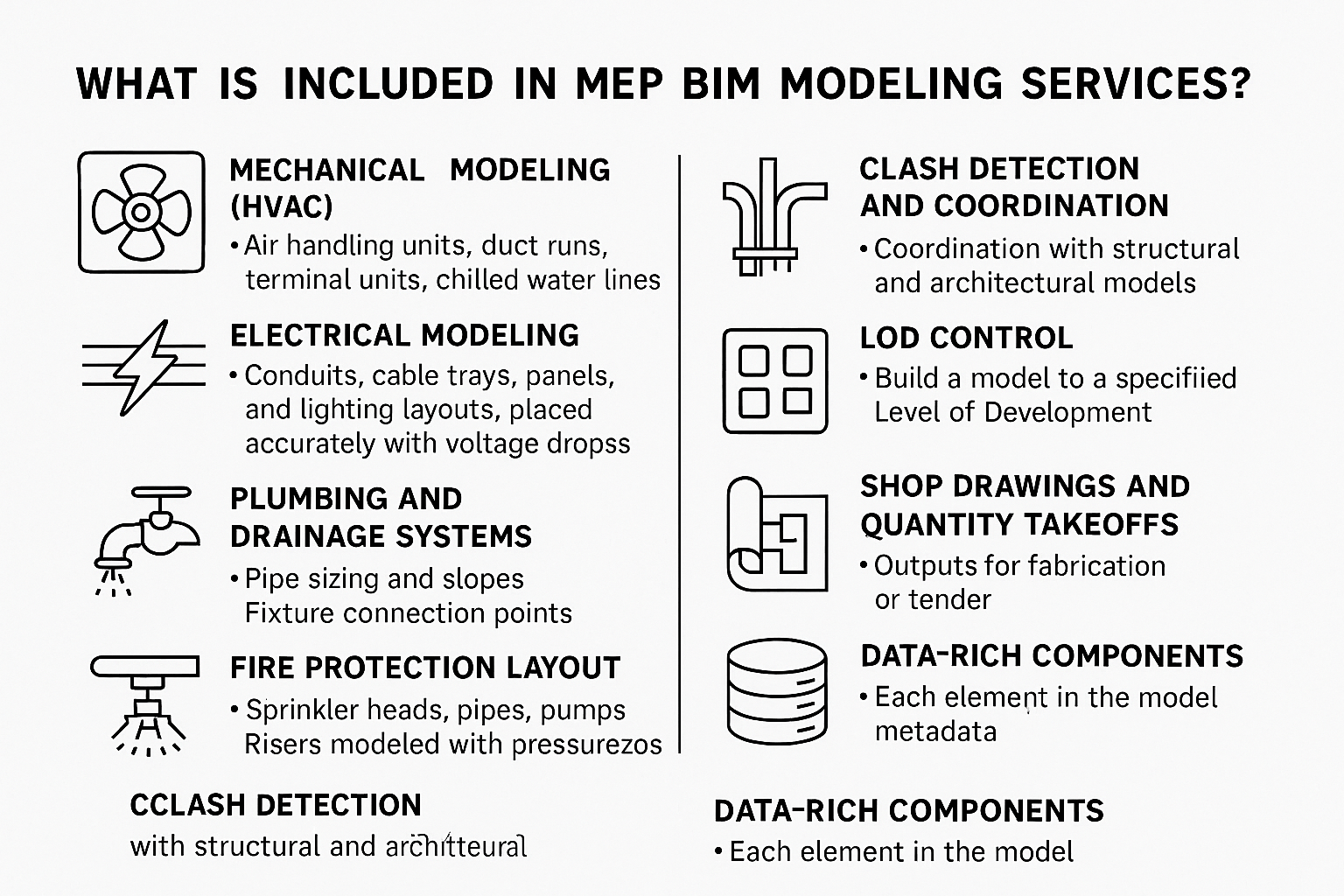
When people hear “MEP BIM modeling,” they usually think of 3D pipes and ducts. That’s part of it – but it’s only the surface. The real work is in the detail, logic, and coordination that sits behind those lines.
Here’s what’s typically included:
- Mechanical modeling (HVAC): Air handling units, duct runs, terminal units, chilled water lines – all modeled with clear spatial coordination and actual equipment data, not just generic boxes.
- Electrical modeling: Conduits, cable trays, panels, and lighting layouts – placed accurately and often detailed with voltage drops, load info, and routing logic that works with your structural and architectural constraints.
- Plumbing and drainage systems: From pipe sizing and slopes to fixture connection points, plumbing models need to work with both the design intent and real-world install rules.
- Fire protection layout: Sprinkler heads, pipes, pumps, risers – modeled with pressure zones, coverage rules, and usually built to NFPA or local code requirements.
- Clash detection and coordination: A good MEP model isn’t created in isolation. It’s coordinated – actively – with structural and architectural models to reduce change orders and field RFIs later.
- LOD control: Depending on your stage (design, coordination, fabrication, or install), the model can be built to a specific Level of Development – from basic spatial zones (LOD 200) to fabrication-ready detail (LOD 400/500).
- Shop drawings and quantity takeoffs: If you need outputs for fabrication or tender, those come straight from the model – coordinated, annotated, and formatted to suit your trade teams or suppliers.
Data-rich components: Each element in the model can hold metadata – dimensions, flow rates, voltages, product codes – making the model useful beyond the design phase.
Behind the Models: How Powerkh Supports Real-World Construction

Powerkh is a UK-based company with offices in Ukraine and the USA, specializing in MEP (Mechanical, Electrical, and Plumbing) modeling services for the construction industry. Our focus is on creating accurate 3D models of MEP systems using BIM (Building Information Modeling) technology. We work with architects, engineers, and contractors to design and coordinate MEP systems for a range of construction projects, including commercial and industrial buildings.
Our MEP modeling services include developing detailed models of mechanical, electrical, and plumbing systems within a BIM environment. We ensure these systems are properly integrated into the overall building design, providing services such as clash detection and coordination across disciplines. We also deliver 2D installation drawings to support on-site implementation.
MEP modeling services help reduce errors, improve system efficiency, and enhance collaboration across project teams. By using BIM technology, we help clients plan and visualize MEP systems more effectively, leading to time and cost savings during construction.
Average Cost of MEP BIM Modeling in 2025

The cost of MEP BIM modeling in 2025 depends on more than just square footage. It’s shaped by the level of detail, project complexity, the scope of services, and who’s doing the work. There’s no one-size-fits-all number – but there are clear pricing patterns that can help you plan ahead and avoid surprises later.
Common Pricing Models
Here’s how MEP BIM services are typically priced across the industry:
- Price per square foot: Common for large commercial buildings or repeatable layouts, rates typically range from $0.50 to $3.00 per sq ft for standard projects. Complex facilities, such as hospitals or data centers, may cost $3.00-$15.00 per sq ft, depending on the level of detail (LOD), number of systems, and coordination required.
- Hourly rate: Used for smaller scopes, renovation projects, or when the inputs are unclear. Rates typically range from $25 to $60 per hour, with senior modelers or fast-track projects landing at the higher end.
- Per system or discipline: Pricing is split by MEP systems – mechanical, electrical, plumbing, or fire protection. For example, electrical modeling alone may cost anywhere from $3,000 to $8,000, depending on system density and complexity.
- Fixed fee per project: A flat rate based on a defined scope of work, deliverables, and deadlines. Budgets typically range from $5,000 for smaller buildings to $30,000+ for high-density sites like hospitals, airports, or data centers.
What Drives the Final Price
Beyond the base model, several factors directly impact the total cost of MEP BIM services:
- Level of Development (LOD): A model at LOD 300 is often enough for coordination, but if you’re heading into fabrication or detailed installation planning, LOD 400 or 500 will take more hours – and increase the cost.
- Input quality and format: Well-organized CAD files or point clouds speed things up. Scanned PDFs, hand sketches, or outdated drawings require more cleanup and manual work, which pushes the budget higher.
- Scope of systems included: Modeling just HVAC will obviously cost less than modeling HVAC, electrical, plumbing, and fire protection – especially if all need to be fully coordinated in tight spaces.
- Timeline and project stage: If you’re early in design, the model might be lean and conceptual. But the closer you get to construction, the more accuracy is required – and that means more modeling time and QA.
- Level of coordination required: Some clients want standalone models. Others need active clash resolution, cross-discipline meetings, and real-time updates. That extra coordination adds time, but it also reduces field errors.
Real-World Cost Scenarios
To give a clearer sense of what to expect, here are some ballpark ranges based on typical projects:
- Small office building (around 10,000 sq ft, LOD 300): Budget between $6,000 and $10,000 for complete MEP modeling and basic coordination.
- Mid-size education or public facility (25,000-40,000 sq ft): Expect a range of $12,000 to $20,000, depending on how clean your inputs are and how much detail is needed.
- Complex facility (hospital, lab, data center, LOD 400+): These high-density projects often start around $25,000 and can go well beyond, especially if shop drawings or fabrication outputs are required.
What Can Quietly Drive Up the Cost (If You're Not Careful)
Most teams focus on the upfront quote. That’s normal. But where costs really start to drift is in the details no one flags early – modeling errors, poor assumptions, missing scope, or unclear standards. They don’t show up in the proposal, but they show up fast once coordination starts or fabrication kicks in.
These are a few things that quietly inflate the budget if left unchecked:
- Low-quality input files: A modeling team working off blurry scans or outdated CAD files is going to spend more time just figuring things out. That’s billable time – and preventable if the source data is clean.
- Missing modeling standards or LOD expectations: If the level of detail isn’t clearly defined from the start, you risk rework – either because the model’s too light to be useful or too heavy to be efficient.
- Lack of coordination with other disciplines: Modeling in isolation might save a few hours short-term, but you’ll pay for it later in clash reports, redesigns, or installation conflicts on site.
- Frequent design changes mid-modeling: Change is expected – but if scope keeps shifting without a process in place, those changes get expensive. A well-managed project builds in buffer time, not guesswork.
- Assuming shop drawings are included: Not every BIM provider includes fabrication-level outputs by default. Clarify what deliverables you’re getting – drawings, quantity takeoffs, families – or you might end up paying separately for work you thought was covered.
- Time zone or communication gaps: If the team isn’t aligned on workflow or response times, even small decisions get delayed. And on fast-moving jobs, that lag can turn into lost weeks.
Every BIM project comes with unknowns – but most cost creep comes down to misalignment, not malice. The clearer the scope, the smoother the delivery. The smoother the delivery, the more predictable your budget stays. And that’s where experience and structured coordination really start to show their value.
How to Get an Accurate Quote for Your Project
If you want a clear, realistic price for MEP BIM modeling, the key is to give enough information upfront – and the right kind. That means more than just sending a floor plan. You’ll get a tighter, more accurate quote if you can share the project scope, the level of detail you expect (LOD), file formats you have available, and whether you’ll need outputs like shop drawings or coordination with other trades. The more context you provide, the fewer assumptions a provider has to make – and that directly affects both cost and turnaround.
It also helps to be clear about what phase your project is in. A rough model during schematic design is a different lift than fabrication-level outputs two weeks before site work starts. If your deadlines are tight or design is still evolving, flag that early. A good BIM team can build flex into the timeline, but only if they know what’s coming. The best quotes aren’t the fastest or the cheapest – they’re the ones that line up with how the job actually needs to run.
Conclusion
There’s no universal price tag for MEP BIM modeling – and there shouldn’t be. Every building has its own challenges, and every team has its own way of working. But understanding how the cost is built – what drives it, what reduces it, and what makes it worthwhile – gives you more control over the outcome. Whether you’re coordinating a full set of trades or just need solid HVAC modeling for a mid-sized site, the smartest move is getting clarity early.
The real cost isn’t just in the modeling hours – it’s in the problems a good model prevents. Done right, MEP BIM work doesn’t just meet the spec. It clears the path for everything that comes after. If you’re aiming for smoother installs, fewer delays, and less back-and-forth with the field, then investing in the right scope – with the right partner – tends to pay for itself long before construction wraps up.
FAQ
How much does MEP BIM modeling usually cost per square foot?
It depends on complexity, but the typical range is $0.50 to $2.50 per square foot. Higher-detail models or dense mechanical zones can push the rate upward.
Is it cheaper to model only HVAC or do I need the full MEP package?
You can absolutely model just one system if that’s all you need. That said, modeling all disciplines together often improves coordination and lowers risk during installation.
Do I always need LOD 400 or 500?
Not necessarily. LOD 300 is enough for most coordination tasks. If you’re going into fabrication or prefabrication, LOD 400 or above makes sense – but it’s not always required.
How fast can a team turn around a mid-size project?
A skilled modeling team can typically deliver coordinated MEP models for a 20,000-30,000 sq ft building in four to eight weeks, depending on input quality, system complexity, level of coordination, and required outputs like shop drawings.
Is outsourcing really that much cheaper?
For many teams, yes. Especially if you’re not doing BIM full-time, outsourcing avoids overhead costs tied to software, training, and internal staffing – often saving 40% or more.
What happens if I don’t define scope or LOD clearly at the start?
You risk paying for rework. Misaligned expectations can lead to missing detail, or overspending on work that wasn’t actually needed. A clear scope upfront saves time and budget.
Can BIM teams handle changes mid-project?
They can – and often do – but it’s better if those changes are structured. Too many ad-hoc revisions without coordination can lead to delays and additional cost. Good teams will always flag this early and build in buffers where they can.
Our Case Studies
We have handled 200+ BIM & VDC projects for commercial, industrial, and residential sectors.
Our work includes:
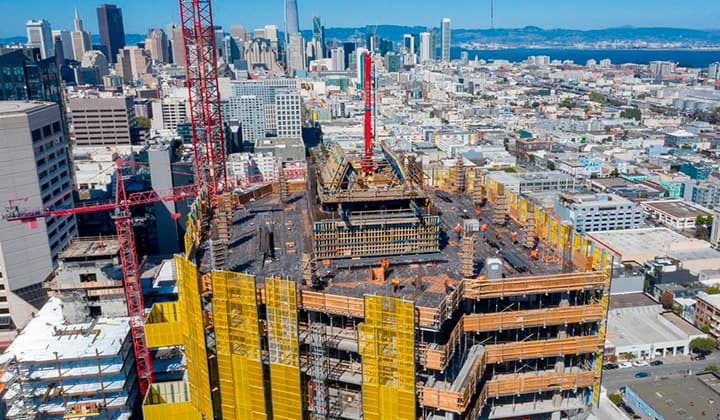
Formwork design automation
Our client from
California, USA
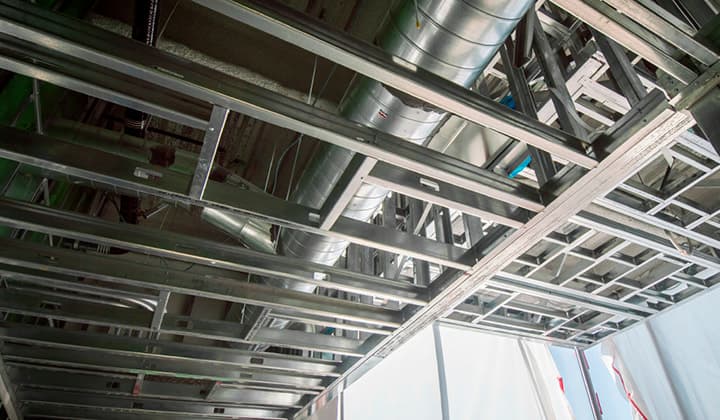
Suspended ceiling design automation
Our client from
New York, USA
Wall framing design automation
Our client from
California, USA