Have any questions? Contact us!
Join our team!
Request a free quote or consultation

Whether you’re planning a renovation, extension, or need detailed documentation for legal or planning purposes, a measured building survey provides the accurate data you’ll rely on. The cost of this service varies depending on several factors like the size of the property, level of detail needed, and location. Understanding what goes into the pricing helps avoid surprises and makes it easier to budget for your project.
What Is a Measured Building Survey?
A measured building survey is a precise and detailed representation of a building’s layout and physical features. It typically includes scaled floor plans, elevations, and cross-sections that show the structure, dimensions, and architectural elements of a property. These surveys are commonly used by architects, engineers, and property owners during renovation planning, extension work, or for legal and documentation purposes. The goal is to provide a reliable, accurate record of the building’s current state.
Modern surveys are carried out using advanced equipment like 3D laser scanners and total stations, which allow for high accuracy. Depending on the project, results can be delivered as 2D CAD drawings or 3D models. Whether you’re modifying a single room or redeveloping an entire site, a measured building survey provides the essential data needed to plan and execute the work effectively.
Powerkh: From Measured Building Surveys to Advanced BIM Modeling

Powerkh specializes in measured building surveys and provides Building Information Modeling (BIM) and Virtual Design & Construction (VDC) services. We are a UK-based company with offices in Ukraine and the USA. Our work supports residential, commercial, and industrial projects at various stages, from early design to detailed coordination. We work with architects, engineers, contractors, surveyors, and on-site teams to deliver accurate digital models and practical construction data.
In our company, we handle BIM modeling across all levels of development (LOD 100-500), scan to BIM using point cloud data, BIM automation, and Revit content creation. We also provide prefabrication modeling for CNC workflows and detailed structural drawings for steel, rebar, precast, and facades. Many of our projects involve optimizing existing workflows and automating routine tasks to improve speed and consistency.
Our process is straightforward: define the scope, agree on deliverables, do the work, and provide support as needed. We use coordination tools for clash detection and track changes efficiently. We’ve built a workflow that adapts to shifting deadlines and changing requirements while staying focused on accuracy and delivery.
Average Cost of a Measured Building Survey

The cost of a measured building survey can vary significantly depending on several factors, but having a general price range helps when budgeting for your project. Below is a breakdown of typical pricing to give you a clearer idea of what to expect.
Typical Price Range
For most residential and commercial properties, survey costs usually fall into these categories:
- From $1,350 + VAT: For small and simple buildings such as 1-2 bedroom flats, small shops, or single-storey offices. The service usually includes basic floor plans and elevations, ideal for planning or refurbishment projects.
- $2,020 – $2,830 + VAT: For medium-sized homes or offices like 3-4 bedroom houses or compact commercial units. This typically covers internal floor plans, roof outlines, and external elevations.
- $3,370 – $6,740+ + VAT: For larger or more complex buildings such as 5+ bedroom houses, lofts, or structures with multiple levels and intricate geometry. These surveys often include detailed cross-sections, roof structures, and full 3D Revit models.
- From $13,480+: For highly complex or large-scale properties like heritage buildings, historic sites, hospitals, educational institutions, or multi-unit commercial blocks. The final cost depends on access complexity, total area, and the scope of deliverables required.
Daily Rate Estimate
Measured survey providers often structure pricing based on time spent both on-site and in the office:
- Surveyor on site: Approximately $670 per day + VAT
- Data processing and modeling (e.g. AutoCAD or Revit): Typically 2-3 days for a medium-scale project
- Typical total cost for a 3-bedroom residential property: Between $2,700 and $3,370 + VAT
What Affects the Final Cost?
- Survey scope: Whether you need only floor plans or full 2D/3D deliverables
- Level of detail (LOD): Higher detail (e.g. LOD 400 or LOD 500) takes more time
- Urgency: Express delivery often incurs additional costs
- Access limitations: Obstructed areas or hard-to-reach roofs may require drones or special equipment
- Location: Projects in urban centres may be priced higher due to travel or access restrictions
To get the most accurate quote, it’s important to clearly define your requirements: which areas need to be surveyed, the required formats (DWG, PDF, Revit), and any deadlines. The more precise your brief, the more efficient and cost-effective the process will be.
Key Factors That Affect the Cost of a Measured Building Survey
The price of a measured building survey isn’t fixed; it varies based on several project-specific elements. Understanding these factors can help you make informed decisions and avoid unexpected costs. Here are the main things that influence the final price:
- Size of the Property: Larger buildings take more time to measure and process, which directly increases the cost. Multi-storey buildings or properties with lots of rooms and detail require more time both on-site and in the office.
- Complexity of the Layout: Properties with irregular shapes, ornate features, loft spaces, basements, or older architectural details are more challenging to survey and draw accurately, which adds to the time and cost.
- Level of Detail Required: Basic floor plans are quicker and cheaper to produce. If you need detailed sections, elevations, ceiling plans, or information like plug sockets and lighting positions, expect the cost to rise.
- 2D vs. 3D Output: Surveys delivered as 2D CAD drawings tend to cost less than 3D Revit models though for standard buildings, the difference may be minimal. Older or architecturally rich buildings are usually more expensive to model in 3D.
- Location of the Property: Projects in remote or high-cost urban areas may involve higher travel expenses, accommodation, or logistics costs, especially if multiple days are needed on site.
- Required Accuracy: High-precision surveys (e.g. for structural work or conservation) may require specialist equipment and take longer to complete, which impacts the price.
- Scope of Work and Deliverables: The number of drawings or model components you request (e.g. roof plans, internal sections, façade details) can significantly affect both the survey time and the office drafting workload.
Being clear about your needs at the start and limiting the scope to what’s truly necessary for your project can help manage these cost factors effectively.
Tips to Reduce Survey Costs Without Sacrificing Quality

A measured building survey is a valuable investment, but there are smart ways to keep costs down without compromising on accuracy or usefulness. Here are some practical strategies to help reduce the overall price while still getting reliable results.
Limit the Survey Scope
Not every project needs a full-property survey. If you’re only renovating a single room, building an extension, or converting a loft, you may only need drawings for that specific area.
- Tip: Clearly define which parts of the property are relevant to your project this can significantly reduce time on site and drawing workload.
Provide a Clear and Detailed Brief
Surveyors price their work based on your instructions. If your brief is vague or incomplete, they may overestimate the scope or miss something critical that leads to rework later.
- Tip: Include exactly what drawings you need (floor plans, sections, elevations), any accuracy requirements, and preferred file formats. Photos of the property are also helpful.
Clear the Site Before the Survey
Furniture, storage, and clutter can slow down the survey process, especially in tight or awkward spaces.
- Tip: Temporarily clear rooms or areas where access might be restricted. It saves the surveyor time and that can reduce the fee.
Request Only Necessary Drawings
You don’t always need every possible type of drawing. For example, roof plans or internal sections might not be relevant if you’re just fitting new kitchens or bathrooms.
- Tip: Discuss your project with your designer or architect first to determine which drawings are actually required.
Compare Quotes – But Check What’s Included
Cheaper quotes can sometimes mean fewer deliverables, less detail, or added costs later for revisions or extra site visits.
- Tip: Always ask for a breakdown of what’s included in the quote. It’s better to compare value, not just price.
Ask for Sample Drawings
Before choosing a surveyor, request example deliverables in both PDF and CAD formats. This gives you insight into their level of detail, organisation, and drawing quality.
- Tip: High-quality, well-organised surveys save time later and prevent costly redraws or missed information.
What You Get for the Price
When you pay for a measured building survey, you’re not just covering the time a surveyor spends on-site. The total cost includes a combination of fieldwork, technical processing, and the production of detailed, usable outputs. This ensures that the information you receive is accurate, professionally presented, and ready to be used for design, planning, or legal purposes.
Typically, a full-service survey includes a site visit using laser scanning equipment, data registration and processing, and the creation of 2D CAD drawings or 3D models (depending on your request). Most quotes also cover minor revisions, standard file formats like PDF and DWG, and delivery of the final results via digital transfer. Some firms also provide supporting documentation such as photographs or raw point cloud data if needed.
Behind the scenes, the cost also reflects the use of advanced equipment (like professional-grade laser scanners starting at around $25,000), software licenses (e.g. Revit or AutoCAD), insurance, and skilled personnel. When done professionally, the value of the output extends well beyond the drawings helping prevent errors, delays, and costly design changes later in the project.
Conclusion
The cost of a measured building survey depends on several factors, including the size and complexity of the property, the level of detail required, the type of deliverables, and the surveyor’s location. While prices typically start around $1,350 + VAT for small properties and can reach $6,740+ for larger or more detailed surveys, every project is unique.
Investing in a quality survey helps avoid costly mistakes later by providing accurate, reliable data for planning, design, or legal use. To get the best value, be clear about your requirements, compare detailed quotes, and choose a surveyor with proven experience and strong deliverables.
FAQ
How much does a measured survey cost in the UK?
The cost typically ranges from $1,350 to $6,740+, depending on property size, complexity, and required outputs.
Is VAT included in the survey quote?
Usually not. Most surveyors quote prices excluding VAT, so always check whether it’s added on top.
What’s included in the survey cost?
Most quotes include on-site data capture, CAD or 3D modelling, basic revisions, and delivery of PDF and/or DWG files. Additional detail or extra drawings may cost more.
Are 2D surveys cheaper than 3D?
For standard buildings, 2D and 3D pricing is often similar. However, complex or ornate buildings are more expensive to model in 3D due to increased processing time.
Can I reduce the cost of my survey?
Yes, by limiting the survey to only the necessary areas, providing a detailed brief, and removing obstacles in the property to speed up the process.
Have a BIM Project? Talk To Us.
Contact UsOur Case Studies
We have handled 200+ BIM & VDC projects for commercial, industrial, and residential sectors.
Our work includes:
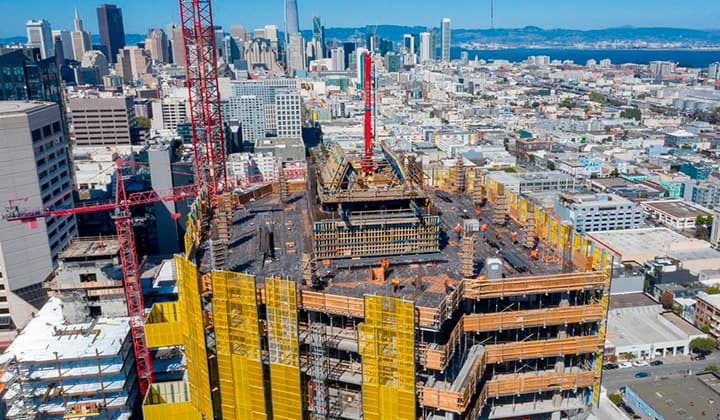
Formwork design automation
Our client from
California, USA
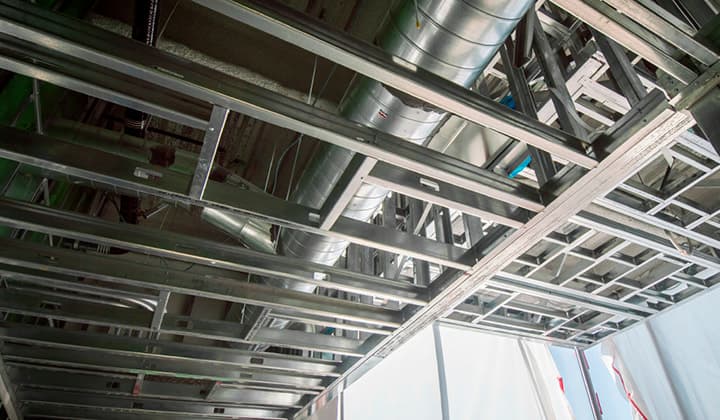
Suspended ceiling design automation
Our client from
New York, USA
Wall framing design automation
Our client from
California, USA