Have any questions? Contact us!
Join our team!
Request a free quote or consultation

Technical design and constructability are often treated as line items in a budget. In reality, they shape everything that follows on a project. If drawings are unclear or impractical, construction slows down. If details are coordinated properly from the start, teams move faster and with fewer surprises.
So how much should this phase actually cost, and what are you really paying for? This article breaks down how technical design and constructability fees are structured, what influences pricing, and how to think about value beyond percentages.
What Is Included in Technical Design and Constructability?
Before talking about cost, it helps to define the scope. Technical Design is not just about producing drawings. It is about translating concept intent into coordinated, buildable information.
Constructability focuses on whether that information works in real life. Can it be built safely? Is sequencing realistic? Are site constraints properly considered?
Together, this stage often includes:
- Detailed architectural and engineering drawings.
- Structural and services coordination.
- BIM modeling and clash detection.
- Buildability reviews.
- Sequencing input from contractors.
- Shop drawing development.
- Technical detailing for fabrication.
- Risk identification before site start.
On average, technical design and constructability services represent roughly 4% to 10% of total construction cost, depending on project size and complexity.
The scope can vary significantly depending on project size and complexity. That is why the cost varies too.
How Fees Are Typically Structured
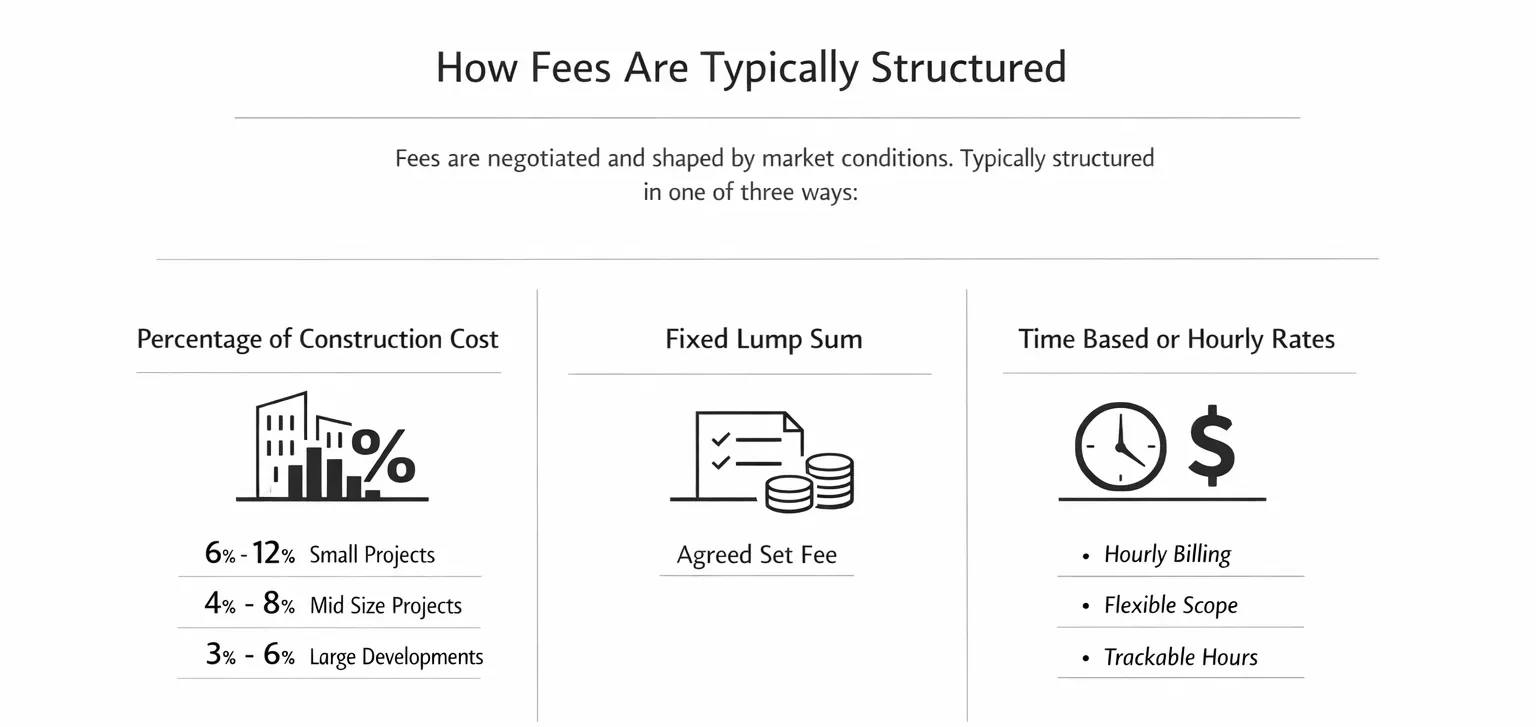
There is no universal fee scale. In the past, professional bodies published recommended percentages. Today, fees are negotiated and shaped by market conditions.
In practice, technical design and constructability costs are usually structured in one of three ways:
1. Percentage of Construction Cost
This is common during early budgeting.
For commercial projects, combined consultant fees for core design disciplines may range approximately:
- 6% to 12% for smaller projects.
- 4% to 8% for mid size projects.
- 3% to 6% for large developments.
Technical Design forms a portion of that overall design fee.
Smaller projects often attract higher percentages because they require similar effort but are spread over a smaller construction value.
2. Fixed Lump Sum
Once scope is defined, many clients prefer a lump sum. This approach works best when the scope is clear, deliverables are defined, and timeline is stable.
It reduces uncertainty but requires careful scoping at the outset.
3. Time Based or Hourly Charging
When scope is uncertain or evolving, consultants may charge hourly rates.
Hourly structures are typically used for early feasibility input, complex problem solving, fast track design adjustments, dispute resolution, or redesign.
Time charging can feel open ended, so clear tracking systems are important.
What Drives the Cost?
Two projects with similar construction values can have very different Technical Design fees. Cost depends more on complexity than on raw size.
Here are the main cost drivers.
Project Type and Complexity
A straightforward warehouse is very different from a hospital or a data center. The level of coordination alone changes the workload. More complex buildings involve specialist systems, tighter tolerances, and more disciplines working in parallel. That increases the effort required for technical detailing and review. It also raises risk, which naturally affects fees.
Refurbishment projects often carry higher design percentages than new builds. Existing structures introduce uncertainty. Hidden conditions, incomplete documentation, and structural constraints mean more investigation, more coordination, and often more revisions.
Level of Detail Required
Design development to LOD 200 is not comparable to fabrication level modeling. When the required level of detail increases, so does the time spent modeling, coordinating and checking information. Higher detail means more documentation, more internal reviews, and more responsibility tied to the output.
Fabrication ready models and shop drawings require precise dimensions, clear tolerances and coordination across trades. That additional effort is reflected in the fee.
Stakeholder Involvement
Constructability reviews bring designers, project managers and construction teams into the same conversation. When multiple workshops are scheduled, consultants invest more time in preparation, attendance, follow up revisions and documentation updates.
While this increases upfront cost, it often reduces far more expensive changes during construction. A few structured review sessions can prevent months of rework later.
Programme Length
Longer programmes extend consultant involvement even after major drawings are issued. Teams continue attending coordination meetings, responding to RFIs and reviewing contractor submissions. The drawings may be complete, but support responsibilities continue.
Over time, that administrative effort accumulates. Extended timelines usually result in higher overall fees.
Risk Allocation
Higher perceived risk almost always leads to higher fees. Aggressive schedules, unclear site information, demanding compliance requirements or extensive warranties all increase exposure for consultants.
Risk is rarely absorbed for free. It is assessed and factored into proposals. The more uncertainty surrounding a project, the more carefully that risk is priced.
Typical Cost Ranges by Project Scale
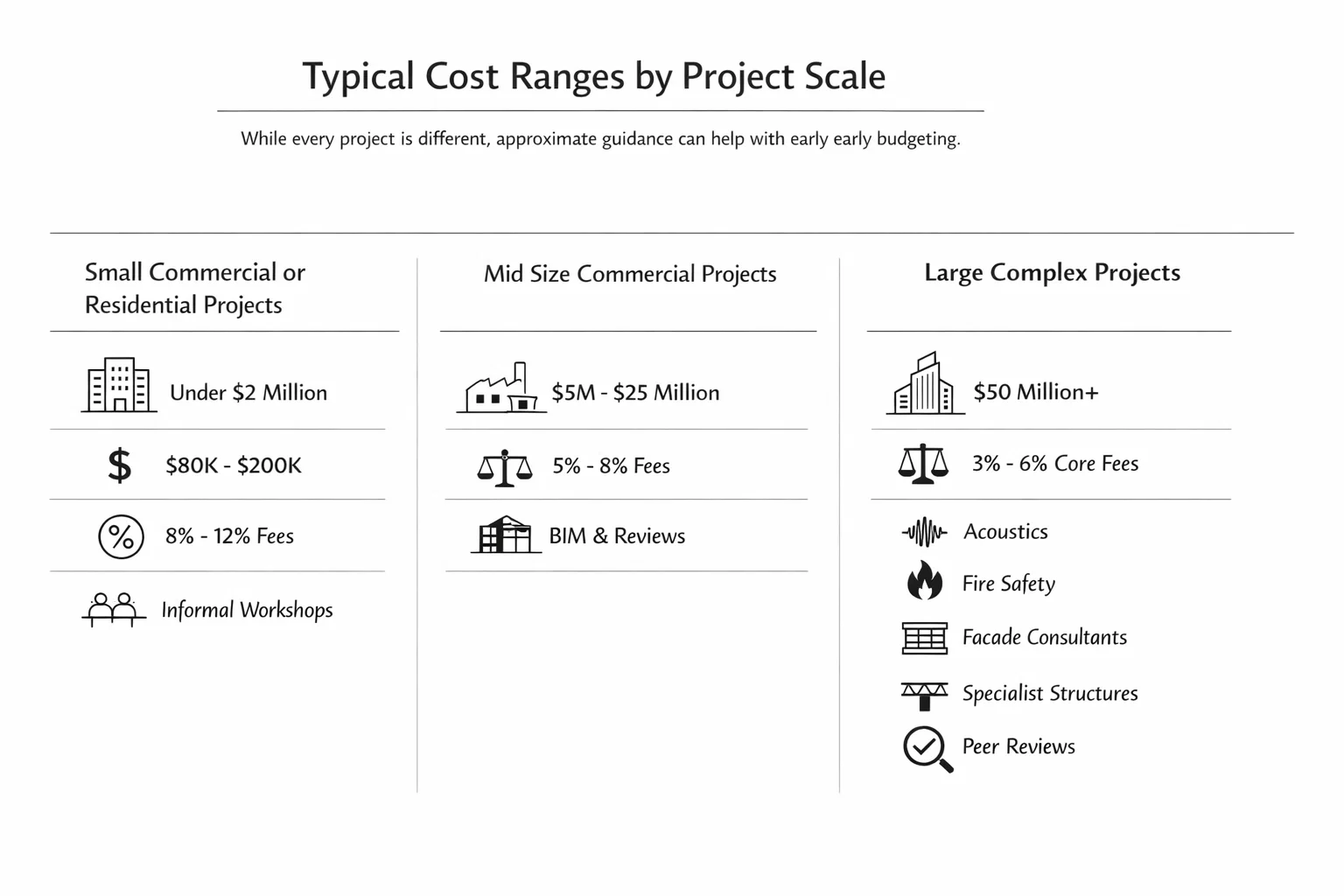
While every project is different, approximate guidance can help with early budgeting.
Small Commercial or Residential Projects
Construction value: under $2 million.
Technical Design and coordination may represent:
- $80,000 to $200,000 total.
- 8% to 12% combined design fees.
Constructability workshops may be informal but still valuable.
Mid Size Commercial Projects
Construction value: $5 million to $25 million.
Design and coordination fees often range from 5% to 8% of construction cost.
Constructability reviews become more structured. BIM coordination is usually standard.
Large Complex Projects
Construction value: $50 million and above.
Core design fees may drop to 3% to 6%.
However, specialist fees increase.
Additional costs may include:
- Acoustic consultants.
- Fire engineers.
- Facade consultants.
- Specialist structural detailing.
- Independent peer reviews.
The percentage decreases, but absolute design costs are substantial.
The Cost of Getting It Wrong
Technical design fees can feel significant. But compared to overall project costs, they are relatively small.
Consider the broader financial context. Design costs are a fraction of construction costs. Construction costs are a fraction of lifetime operational costs.
Poor coordination can lead to rework, delays, material waste, claims and disputes, and inefficient building performance.
One overlooked constraint can trigger redesign during construction. That kind of change is far more expensive than early review.
Constructability reviews exist for that reason. They align design with execution reality.
How Powerkh Reduces Risk in Technical Design and Constructability

Technical design and constructability only deliver real value when design intent survives the pressure of coordination and site execution. At Powerkh, we focus on maintaining that continuity from design through construction. In simple terms, we help make sure what is designed is what actually gets built.
We support project teams during developed and technical design stages with structural and MEP modelling, coordination readiness and focused resolution of high-risk areas such as plant rooms and constrained interfaces. Before drawings and models are issued for construction, we carry out engineering-led constructability reviews. We examine assumptions, tolerances, clearances and overall buildability so fewer technical issues reach the site.
As projects move into construction, we continue supporting teams through deviation monitoring, scan-based comparisons and evidence-based progress verification. By aligning design models with what is installed on site, we help reduce coordination risk and protect key technical decisions. From a cost perspective, this continuity limits rework, reduces disputes and preserves the investment made during technical design.
How Constructability Influences Cost Control
Constructability is not just about spotting errors. It is about refining the approach before resources are committed.
Effective reviews help to:
- Identify clashes early.
- Validate crane access and logistics.
- Assess installation sequencing.
- Evaluate prefabrication opportunities.
- Reduce temporary work complexity.
These adjustments often improve both schedule and cost predictability.
For example, adjusting equipment size during design can avoid structural reinforcement later. Modifying facade panelization can simplify installation and reduce crane time.
These are not dramatic design changes. They are practical refinements. And they add up.
Hidden Costs and How to Evaluate Real Value
Clients often focus on core consultant fees when reviewing proposals. But technical design and constructability costs rarely stop there. Beyond the main design team, additional expenses can influence the overall budget in ways that are not always obvious at first glance.
These may include site investigations, laser scanning and as-built surveys, BIM software licenses, model hosting, digital coordination platforms and specialist simulations. On larger or technically demanding projects, these secondary elements can represent a noticeable share of the preconstruction budget. Planning and regulatory fees also sit outside core design fees, yet they directly affect total project expenditure.
Because of this, comparing proposals purely on headline price can be misleading. The lowest number on paper does not always represent the most economical solution in practice.
When assessing technical design proposals, it helps to look deeper. Scope clarity is essential. What exactly is included, and what sits outside the agreement? Deliverable definitions matter too. Is the required level of detail clearly stated, or assumed? Coordination responsibility should be transparent. Someone must own clash detection and resolution. Revision allowances should also be defined. Unlimited revisions are rarely realistic, and limited cycles should be understood upfront. Experience with similar building types can also reduce learning curves and prevent costly missteps.
A slightly higher fee may include structured review workshops, integrated BIM workflows, clear tracking systems and ongoing support during construction. That kind of structured approach often prevents expensive surprises later. In technical design, value is not just about how much is spent. It is about how much uncertainty is removed before construction begins.
Practical Tips for Budgeting Technical Design
When preparing early budgets, consider these steps:
- Use percentage benchmarks only as rough guides.
- Define scope before requesting lump sum proposals.
- Separate core design from specialist services.
- Clarify LOD requirements.
- Allocate contingency for complex coordination.
It is also useful to schedule constructability reviews at clear milestones rather than waiting until drawings are final.
Final Takeaway
Technical design and constructability are not administrative formalities. They are the backbone of a buildable project.
Costs vary depending on size, complexity, risk and detail level. Percentages can offer a starting point, but they never tell the whole story.
The real question is not just how much it costs. It is how much risk it removes. When design and construction teams align early, projects move forward with fewer surprises, clearer documentation and stronger cost control.
In the end, technical design is not an expense to minimize. It is a phase to structure carefully. And when done properly, it quietly protects the entire investment that follows.
FAQ
1. How much should be budgeted for technical design and constructability?
In most cases, technical design and constructability services fall somewhere between 4% and 10% of the total construction cost. Smaller or more complex projects usually sit at the higher end of that range. Large, straightforward projects may be lower. The exact number depends more on complexity and scope than on size alone.
2. Why can two similar projects have very different design fees?
Because the building type and risk profile matter more than the headline value. A warehouse and a hospital might cost the same to build, but the coordination effort, detailing and compliance requirements are worlds apart. Complexity drives time, and time drives cost.
3. Is a constructability review really necessary if the design is complete?
Yes. A complete design on paper does not always mean it works smoothly on site. Constructability reviews test assumptions, sequencing and real-world constraints before work starts. It is much cheaper to adjust a model than to fix steel or ductwork on site.
4. Does BIM automatically reduce technical design costs?
Not automatically. BIM increases clarity and coordination, but it also requires time, modelling effort and review. The savings usually show up later, during construction, when fewer clashes and changes occur. It is more about reducing risk than cutting upfront fees.
5. What typically sits outside the core technical design fee?
Items such as site investigations, laser scanning, specialist simulations, planning fees and certain digital coordination tools are often separate. They are related to Technical Design, but not always included in the base consultant proposal. It is worth checking what is covered before comparing prices.
6. Is choosing the lowest proposal a good strategy?
Rarely. A lower fee can mean reduced scope, limited revision cycles or less coordination effort. Technical design protects the larger construction investment. It usually makes sense to focus on clarity, experience and risk reduction rather than the smallest number on the page.

Have a BIM Project? Talk To Us.
Contact UsOur Case Studies
We have handled 200+ BIM & VDC projects for commercial, industrial, and residential sectors.
Our work includes:
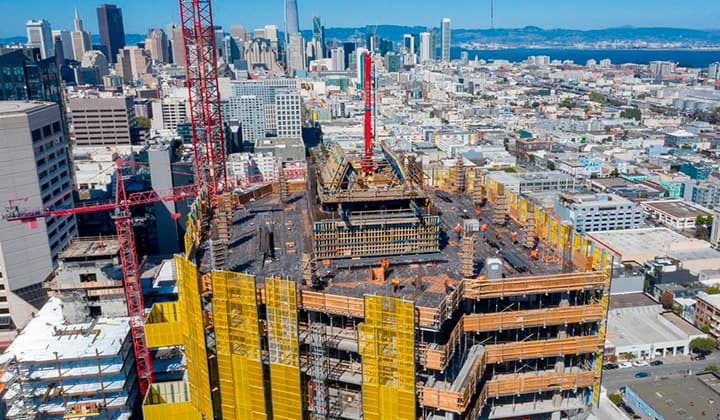
Formwork design automation
Our client from
California, USA
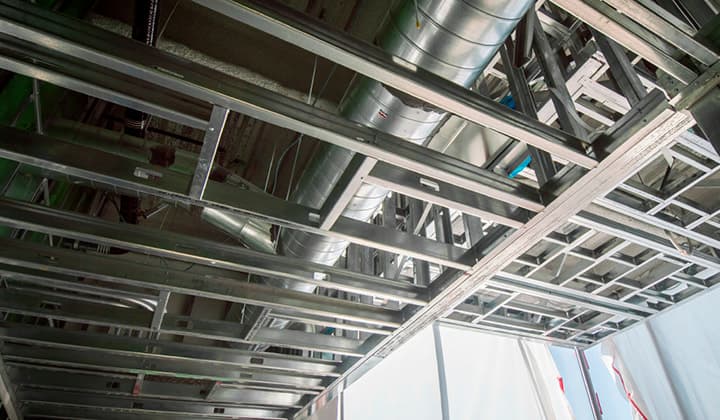
Suspended ceiling design automation
Our client from
New York, USA
Wall framing design automation
Our client from
California, USA