Have any questions? Contact us!
Join our team!
Request a free quote or consultation

Ever wonder what it takes to keep a construction project from turning into a costly mess of pipes crashing into beams or ducts blocking walls? That’s where a clash coordinated model comes in – a 3D digital blueprint that catches these issues before they happen. But how much does it cost to get one? Whether you’re a contractor, architect, or project owner, understanding the price of clash coordination using Building Information Modeling (BIM) can help you budget smarter. Let’s break it down in plain terms, so you know exactly what to expect and why it’s worth every penny.
What Is a Clash Coordinated Model?
Before we dive into costs, let’s clarify what you’re paying for. A clash coordinated model is a 3D digital representation of a building project that combines designs from architects, structural engineers, and MEP (mechanical, electrical, plumbing) teams. Using BIM software like Navisworks for clash detection and coordination or Revit for creating detailed discipline-specific models, experts merge these designs into a single federated model to spot conflicts – like a pipe running through a column or a duct with no clearance. The result? A clash-free model that ensures everything fits together perfectly, saving you from expensive fixes during construction.
Average Costs of a Clash Coordinated Model
So, how much will this set you back? The cost of a clash coordinated model varies based on project size, complexity, and scope. Here’s a general range based on industry standards:
- Small Projects (under 50,000 sq ft, e.g., small offices or retail spaces): $5,000–$15,000. These projects typically involve simpler designs with fewer systems to coordinate.
- Mid-Sized Projects (50,000–150,000 sq ft, e.g., schools or mid-rise buildings): $15,000–$30,000. These require more detailed coordination, especially for MEP systems.
- Large Projects (150,000+ sq ft, e.g., hospitals, high-rises, or industrial complexes): $30,000–$100,000+. Complex projects with intricate systems and multiple trades drive up costs.
For context, a 100,000-square-foot commercial building might cost around $20,000–$25,000 for clash coordination, while a large hospital could hit $50,000 or more. These prices cover model integration, clash detection, reporting, coordination meetings, and model updates to deliver a construction-ready, clash-free model.
What Affects the Cost?

The price of a clash coordinated model isn’t one-size-fits-all – it varies widely based on the unique needs of each project. From the size of the building to the complexity of its systems, several key factors determine how much you’ll pay. Understanding these drivers can help you budget smartly and avoid unexpected expenses. Below, we break down the main elements that influence the cost, so you know exactly what to expect.
Project Size and Scope
Larger projects, like sprawling hospitals or towering skyscrapers, naturally cost more to coordinate than smaller ones, like retail shops or single-story offices. Why? Bigger buildings have more square footage, which means more walls, pipes, ducts, and wires to model and check for clashes. A 200,000-square-foot high-rise requires significantly more time and resources than a 20,000-square-foot warehouse, pushing up the price. The scope – whether it’s a full building or just a renovation – also plays a role, as broader scopes demand more coordination effort.
Complexity of Design
Not every building is a simple box. Projects with intricate designs, like data centers packed with cooling systems or hospitals with dense MEP (mechanical, electrical, plumbing) networks, require extra attention during clash detection. These complex systems have countless components that must fit perfectly in tight spaces, making coordination more labor-intensive. In contrast, simpler structures, like storage facilities with minimal MEP requirements, are quicker and cheaper to coordinate, as there are fewer potential conflicts to resolve.
Level of Detail (LOD)
The level of detail, or LOD, in your BIM model directly impacts costs. Higher LODs, such as LOD 350 or 400, include precise details like pipe hangers, insulation thickness, or seismic bracing, which are critical for construction but take more time to model and coordinate. For example, an LOD 400 model for a mechanical room might map every valve and support, requiring meticulous clash checks. Lower LODs, like LOD 200, used in early design phases, are less detailed and thus less expensive but may miss finer clashes that show up later.
Number of Disciplines Involved
Most clash coordination covers the core trio: architecture, structural, and MEP trades. But when you add extra disciplines – like fire protection, telecommunications, or even facade systems – the workload grows. Each additional system means more models to integrate and more potential clashes to check. For instance, coordinating a fire sprinkler system alongside MEP and structural elements requires extra time to ensure sprinklers don’t interfere with ducts or beams, which increases the overall cost.
Project Timeline and Deadlines
Time is money, and tight deadlines can bump up the price. If your project needs clash coordination done on a rushed schedule – say, to meet a fast-tracked construction start date – you may face premium fees for expedited work. BIM teams might need to prioritize your project, work overtime, or allocate extra staff to meet the deadline, all of which add to the cost. Planning ahead with a realistic timeline can help keep expenses in check.
Location and Labor Rates
Where your project is located matters. Labor rates for BIM specialists vary by region, with costs in the USA typically ranging from $50 to $150 per hour. In high-cost cities like New York, San Francisco, or Boston, rates can skew toward the higher end, often $100–$150 per hour, due to demand and living costs. In contrast, rates in smaller markets or regions with lower costs might sit closer to $50–$80 per hour. These hourly rates significantly influence the total cost, especially for labor-intensive projects.
Software and Tool Licensing
Clash coordination relies on powerful BIM software like Navisworks, Revit, or BIM 360, and licensing these tools isn’t free. While many BIM firms bundle software costs into their service rates, some may pass on a portion of these expenses, especially for projects requiring specialized tools or cloud-based platforms like Trimble Connect. The good news? Most providers streamline these costs, so you’re not hit with separate licensing fees, but it’s still a factor that can subtly affect pricing.
By keeping these factors in mind, you can better estimate the cost of your clash coordinated model and plan your budget to avoid surprises. Whether it’s a small renovation or a massive complex, understanding what drives the price helps you make informed decisions.
Why Is It Worth the Investment?
You might be thinking, “That’s a chunk of change – why spend it?” Here’s the deal: clash coordination is a money-saver in disguise. Unresolved clashes can lead to rework, delays, and change orders, which studies show can account for up to 30% of a project’s cost. Each undetected clash might cost $1,500 or more to fix on-site, and large projects can have hundreds of clashes. A $25,000 clash coordinated model could save you $100,000 or more by preventing these issues.
Plus, the benefits go beyond cost savings:
- Faster Construction: Clash-free models keep trades on schedule, avoiding delays.
- Better Quality: Precise coordination ensures systems are installed correctly, reducing defects.
- Fewer Disputes: Clear, coordinated designs minimize miscommunication and legal headaches.
- Safer Sites: Avoiding last-minute fixes reduces on-site risks for workers.
One case study on a $230 million project showed that investing $200,000 in BIM coordination, including clash detection, yielded a $2.55 million net saving – a 10x return on investment. That’s the kind of math that makes project owners smile.
Powerkh’s Clash Coordination: A Cost-Saving Case Study

Powerkh is a UK-based company offering clash coordination services, with additional offices in Ukraine and the USA. Our focus is on helping construction projects avoid delays and errors by using Building Information Modeling (BIM) to detect and resolve clashes in the design phase. This approach allows for a more efficient construction process and reduces costly rework.
Our BIM coordination services involve integrating various building systems, such as mechanical, electrical, plumbing, and structural elements, into a single model. By identifying conflicts between systems early on, we ensure that all components fit together properly before construction begins, saving time and resources.
We work closely with architects, engineers, and contractors to ensure smooth project execution. Our clash detection services aim to minimize design and construction issues, ultimately helping projects stay on schedule and within budget.
Services:
- Clash Coordination and Resolution
- Integration of mechanical, electrical, plumbing, and structural systems
- Early identification of design conflicts
- Risk reduction
How to Budget for Clash Coordination
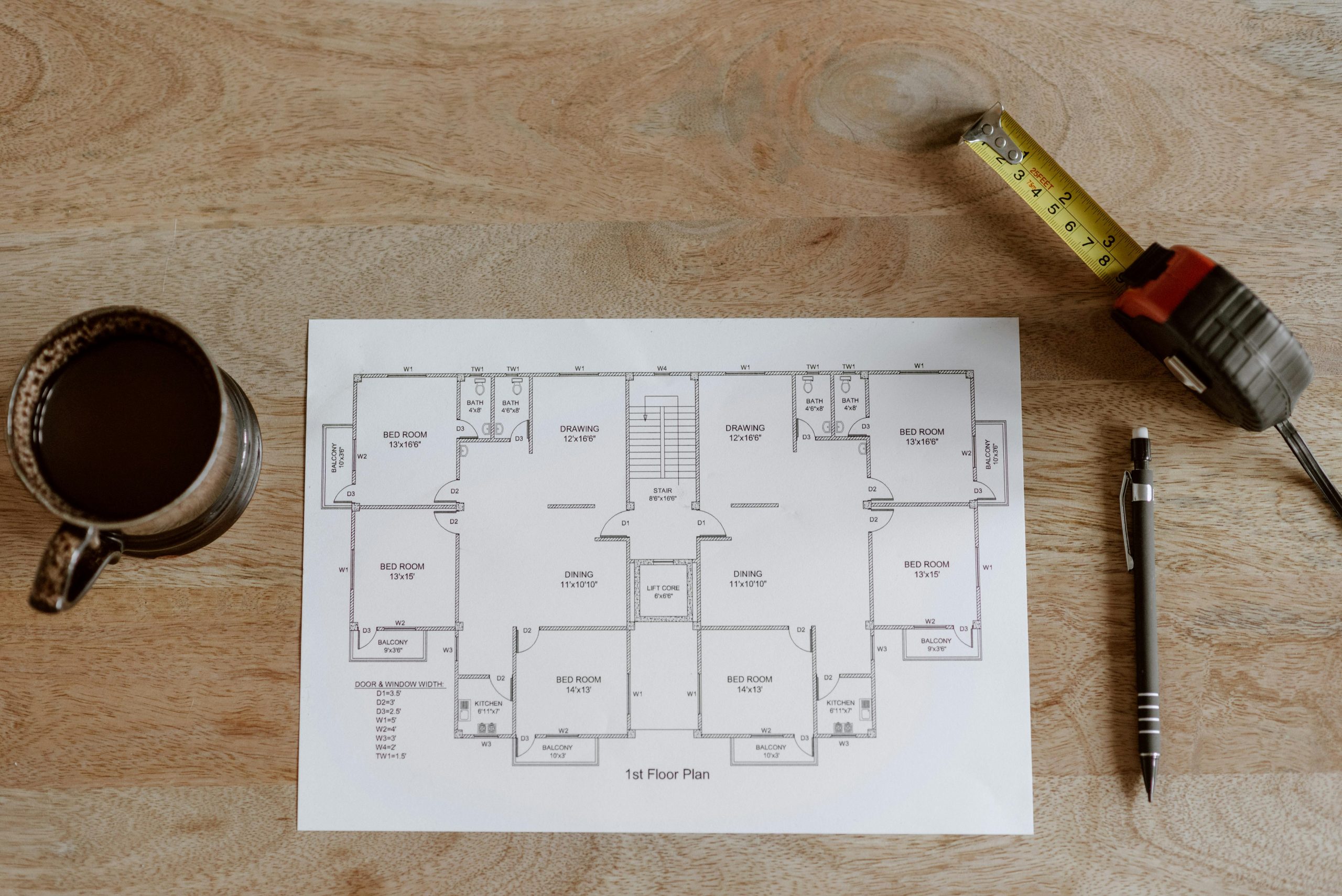
Ready to plan your budget? Here are some practical tips to keep costs in check:
- Define Scope Early: Clarify which disciplines (e.g., architectural, MEP) need coordination and the required LOD to avoid overpaying for unnecessary detail.
- Get Multiple Quotes: Compare rates from BIM service providers, but prioritize experience over the cheapest option – mistakes from inexperienced teams can cost more later.
- Invest in Early Coordination: Starting clash detection in the design phase is cheaper than fixing issues during construction.
- Use a BIM Execution Plan: This outlines processes and standards, ensuring efficient coordination and reducing rework.
- Consider Outsourcing: Hiring specialized BIM firms can be more cost-effective than in-house coordination, especially for smaller companies. Average outsourcing rates range from $30–$100 per hour, depending on expertise and location.
Conclusion
A clash coordinated model isn’t just a fancy add-on – it’s a smart investment that keeps your construction project on track, under budget, and free of headaches. While costs can range from $5,000 for small projects to $100,000 for complex ones, the savings from avoiding rework, delays, and errors make it worth every dollar. By understanding what drives the price and planning early, you can budget wisely and ensure your project runs like a well-oiled machine. Ready to build smarter? A clash coordinated model is your first step.
Frequently Asked Questions (FAQs)
What’s included in the cost of a clash coordinated model?
The cost typically covers creating and integrating 3D models, running clash detection, generating reports, holding coordination meetings, and updating the model to ensure it’s clash-free. Software fees and labor for BIM specialists are also included.
Why do clash coordination costs vary so much?
Costs depend on project size, complexity, number of disciplines, level of detail, timeline, and regional labor rates. For example, a hospital with intricate MEP systems costs more to coordinate than a simple office building.
Can I save money by skipping clash coordination?
Skipping it is risky. Unresolved clashes can lead to rework costing $1,500 per issue or more, plus delays and safety risks. Investing in clash coordination upfront often saves 5–10 times the cost in avoided expenses.
How long does clash coordination take?
It depends on the project, but small projects might take 2–4 weeks, while large ones can take 1–3 months. Rush jobs cost more but can be faster with experienced teams.
Have a BIM Project? Talk To Us.
Contact UsOur Case Studies
We have handled 200+ BIM & VDC projects for commercial, industrial, and residential sectors.
Our work includes:
Formwork design automation
Our client from
California, USA
Suspended ceiling design automation
Our client from
New York, USA
Wall framing design automation
Our client from
California, USA