Have any questions? Contact us!
Join our team!
Request a free quote or consultation

Picture this: you’re planning a construction project, and someone mentions Building Information Modeling (BIM). It sounds like a game-changer – 3D models, seamless teamwork, fewer mistakes. But then the big question hits: How much is this going to cost? Don’t worry, it’s not as complicated as it seems. BIM costs depend on your project’s size, the tools you choose, and the expertise you need. Whether you’re designing a cozy home or a sprawling hospital, this guide will walk you through what drives BIM costs, why it’s worth it, and how to make it work for your budget. Let’s dive in!
What Exactly Is BIM, Anyway?
Before we talk dollars, let’s get clear on what BIM is. BIM isn’t just fancy software – it’s a whole process that creates a digital 3D model of your building. This model isn’t just a pretty picture; it’s packed with info about every part of the project, from walls to plumbing. Architects, engineers, and contractors all work from the same model, so everyone’s on the same page. The result? Fewer errors, smoother collaboration, and a project that’s more likely to stay on track. But to make this magic happen, you’ll need the right tools, people, and setup, which brings us to the costs.
The Pieces of the BIM Puzzle

BIM is like a recipe – it takes multiple ingredients to get it right. Here’s a closer look at what goes into the process, with costs saved for a dedicated section later.
Software: Your Digital Toolkit
BIM relies on two main types of software. First, there’s authoring software, which lets you create and tweak 3D models. These tools can generate 2D drawings from your model and export files in formats that work across different platforms, making collaboration a breeze. Think of it as the canvas where your project comes to life.
Then there’s collaboration software, the glue that holds your team together. These platforms let everyone – architects, engineers, contractors – work on the model in real time. They flag potential issues (like pipes running through walls) and keep project data organized. Some even let you work on live 3D models simultaneously, which is a lifesaver for complex projects.
Hardware: The Muscle Behind the Models
BIM software isn’t your average app – it needs serious computing power. For smaller projects, a solid desktop or laptop can handle the job, but larger models demand high-end workstations with beefy processors and graphics cards. If you’re rendering detailed visuals or storing massive files, cloud-based services can help, letting you offload the heavy lifting to remote servers. The catch? Your hardware needs to be up to the task, or you’ll be staring at loading screens instead of models.
Training: Empowering Your Team
Even the best tools are useless if your team doesn’t know how to use them. Training is a big part of BIM success. You can go the budget-friendly route with online courses, which cover everything from basic modeling to advanced workflows. For a more hands-on approach, in-person workshops offer personalized guidance. If you’re rolling out BIM across a whole company, group onboarding sessions can get everyone up to speed, but they take time and planning. Skimp on training, and you risk delays or mistakes that could cost more than the training itself.
Implementation: Laying the Foundation
Switching to BIM isn’t like installing a new app and hitting “go.” You need a strategy. This starts with a BIM Execution Plan, a roadmap that spells out how your team will use BIM, who’s responsible for what, and how data will flow. You might also need to integrate BIM with other tools, like project management or cost-estimating software, which can get tricky. Many teams bring in consultants to navigate this setup, ensuring everything runs smoothly from day one.
Ongoing Support: Keeping the Wheels Turning
Once BIM is up and running, it’s not a “set it and forget it” deal. Software needs regular updates to stay current, and collaboration tools often run on subscriptions. You’ll also want IT support to troubleshoot issues and maintain your systems. For big projects, maintenance contracts can cover everything from tech support to model audits, keeping your BIM process humming along.
Powerkh: A Trusted BIM Solution Provider

Powerkh is a UK-based company providing comprehensive Building Information Modeling (BIM) services, focused on enhancing the design, planning, and construction phases of building and infrastructure projects. With offices in the UK, Ukraine, and the USA, we leverage our global presence to offer tailored BIM solutions that foster seamless collaboration across international teams. Our services include 3D modeling, clash detection, and data integration, all aimed at ensuring projects are completed with precision, efficiency, and minimal risk.
At Powerkh, we are committed to driving digital transformation within the construction industry. Our BIM solutions help clients streamline workflows, improve project outcomes, and enhance decision-making. By ensuring that all project data is up-to-date and easily accessible, we enable project teams to work more collaboratively and avoid costly errors throughout the project lifecycle.
With a focus on meeting diverse client needs across different regions, we are equipped to reduce delays, manage costs, and ensure successful project completion, no matter the scale or location.
Key Highlights:
- UK-based company with offices in Ukraine and the USA
- Specializes in Building Information Modeling (BIM) services
- Expertise in 3D modeling, clash detection, and data integration
- Supports digital transformation in the construction industry
- Focus on improving project accuracy, efficiency, and collaboration
- Tailored solutions for both small-scale and large, complex projects
- Dedicated to reducing costs, delays, and risks throughout the project lifecycle
Services:
- BIM Design Services
- 3D Modeling
- Clash Detection
- Data Integration
- BIM Management
- Virtual Design and Construction (VDC)
- BIM Consulting
How Project Size Shapes Your BIM Approach
The size and complexity of your project play a huge role in how you use BIM – and what it costs. A small residential project, like a single-family home, might only need basic modeling to map out walls and windows. A mid-sized commercial building, like an office or retail space, requires more detailed models, including systems like heating or electrical. Large projects, like hospitals or infrastructure, demand intricate coordination across multiple systems – think plumbing, structural beams, and fire safety – all woven together in one model. The bigger the project, the more time, tools, and expertise you’ll need.
Why BIM Is Worth the Investment
At this point, you might be thinking, This sounds like a lot of work. And you’re not wrong – BIM takes effort. But here’s why it pays off. Those 3D models catch problems before you break ground, saving you from expensive fixes during construction. Real-time collaboration means fewer miscommunications between teams. BIM also helps you meet building codes and regulations, which can speed up approvals and avoid costly delays. It’s like hiring a super-organized project manager who never sleeps.
Plus, BIM can save money in the long run. By spotting clashes (like ducts blocking structural beams) early, you avoid rework. Accurate models also mean better cost estimates, so you’re less likely to blow your budget. For owners, a BIM model can even help manage the building after construction, tracking maintenance and upgrades. It’s an upfront investment that delivers value for years.
The Cost Breakdown: What to Budget for BIM

Now, let’s talk numbers. BIM costs vary widely based on your project, but here’s a clear breakdown of average prices based on industry insights. These figures are calculated from typical ranges to give you a realistic starting point.
Software
- Authoring Software: ~$2,600/year per license for tools to create and edit models.
- Collaboration Software: ~$270/year per user (or $22.50/month) for team coordination tools.
Hardware:
- Standard Desktop/Laptop: ~$3,500 for smaller projects.
- High-End Workstation: ~$7,500 for complex models or rendering.
- Cloud Rendering/Storage: ~$275/month for offsite processing and data.
Training:
- Online Courses: ~$850/course for self-paced learning.
- In-Person Workshops: ~$1,750/participant for hands-on training.
- Team-Wide Onboarding: ~$10,000+ for company-wide programs.
Implementation:
- Consultants: ~$27,500 to guide setup and strategy.
- Execution Plan: ~$9,000 for a tailored BIM roadmap.
- Software Integration: ~$52,500 to connect BIM with other tools.
Ongoing Costs:
- Software Updates: ~$3,000/year for licenses and patches.
- Cloud Tools: ~$550/month for collaboration platforms.
- Support Contracts: ~$11,000/year for IT and maintenance.
- Total Ongoing Costs: ~$17,250/year (combining annual and monthly costs).
Project-Based Estimates:
- Small Projects (e.g., homes): $5,000–$20,000 total.
- Medium Projects (e.g., commercial buildings): $20,000–$100,000.
- Large Projects (e.g., hospitals, infrastructure): $100,000+.
Tips to Manage BIM Costs
Want to keep your BIM budget in check? Here are some practical ideas:
- Scale to Your Needs: For small projects, stick to basic tools and online training to save cash.
- Consider Outsourcing: Hiring BIM service providers for one-off projects can be cheaper than building an in-house team.
- Explore Free Options: Some collaboration tools have free versions that work for simple jobs.
- Invest in Planning: A solid execution plan upfront can prevent costly mistakes later.
- Train Strategically: Focus training on key team members who can then teach others.
Common BIM Pitfalls to Avoid
BIM is powerful, but it’s not foolproof. Here are a few traps to watch out for:
- Underestimating Training: Without proper skills, your team might struggle, leading to delays.
- Skipping the Plan: Diving in without an execution plan can cause chaos and rework.
- Overbuying Tools: Don’t splurge on high-end software or hardware if your project doesn’t need it.
- Ignoring Updates: Outdated software can cause compatibility issues, slowing you down.
Conclusion
BIM design might seem like a big leap, but it’s a smart one. From small homes to massive infrastructure projects, BIM helps you build smarter, avoid costly mistakes, and keep everyone on the same page. While costs can range from a few thousand to over $100,000 depending on your project, the long-term savings and efficiency make it worth considering. By choosing the right tools, training your team, and planning carefully, you can make BIM work for your budget and your goals. So, take a deep breath, crunch the numbers, and get ready to bring your project to life with BIM. You’ve got this!
Frequently Asked Questions
Can I use BIM for a small project without spending a fortune?
Absolutely! For small projects like homes, you can keep costs low – think $5,000–$20,000 total – by using basic authoring software, a standard computer, and online training. Free or low-cost collaboration tools can also help teams stay connected without breaking the bank.
Do I need to hire consultants, or can I manage BIM in-house?
It depends on your team’s experience and project complexity. For simple projects, in-house teams with proper training can handle BIM. For larger or more complex projects, consultants (costing around $27,500 on average) can save time and prevent costly errors by guiding setup and strategy.
How do I know if my hardware is good enough for BIM?
Check the software’s system requirements, but generally, a $3,500 desktop or laptop works for small to medium projects. For big models or rendering, a $7,500 workstation is better. If you’re unsure, cloud services ($275/month average) can handle heavy tasks without upgrading your gear.
What’s the biggest cost driver for BIM?
Project size and complexity are the biggest factors. Large projects, like hospitals, can cost $100,000+ due to detailed modeling and coordination needs. For smaller projects, software ($2,600/year) and implementation (up to $52,500) tend to be the main expenses.
Our Case Studies
We have handled 200+ BIM & VDC projects for commercial, industrial, and residential sectors.
Our work includes:
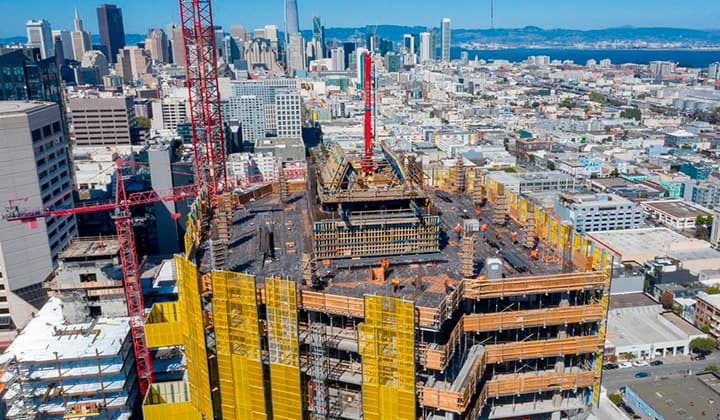
Formwork design automation
Our client from
California, USA
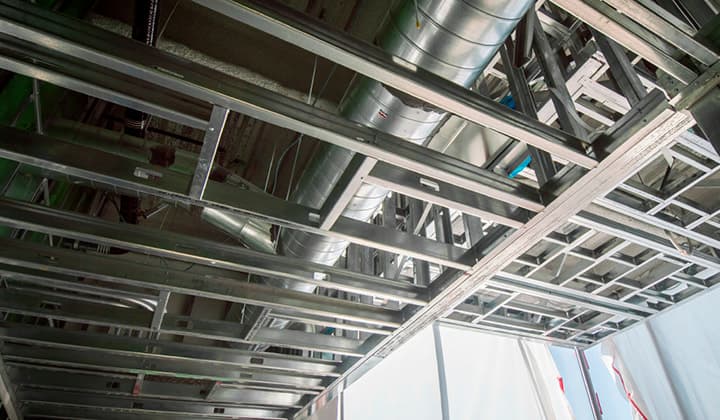
Suspended ceiling design automation
Our client from
New York, USA
Wall framing design automation
Our client from
California, USA