Have any questions? Contact us!
Join our team!
Request a free quote or consultation

If you’re planning a construction project and considering Building Information Modeling (BIM) support, knowing how much BIM consulting might cost is a good starting point. Rates can vary depending on the type of services you need, the complexity of your project, and whether you’re working with an independent consultant or a larger firm. Here’s a closer look at what influences BIM consulting prices and what budget range to expect.
What Is BIM Consulting?
BIM consulting refers to professional services that support the implementation and management of Building Information Modeling (BIM) processes in construction and design projects. BIM consultants help project teams create and manage digital models that contain detailed information about a building’s structure, systems, and materials across its entire lifecycle from design through construction and even maintenance.
These services often include developing 3D models, defining Levels of Development (LOD), coordinating between disciplines, detecting clashes, optimizing schedules, and managing data. BIM consultants also guide companies on software selection, standards, and workflows to improve collaboration, reduce errors, and support more predictable project outcomes.
Average BIM Consulting Rates in 2026

BIM consulting rates in 2026 vary depending on project complexity, consultant expertise, location, and pricing structure. Below are the most common ways BIM services are priced, based on data from platforms like Cad Crowd and real market benchmarks.
1. Hourly Rates
- National average rate: ~$39/hour for freelancers, ~$49.72/hour overall
- Typical range: $33-$43/hour
- Top earners: $43/hour or higher
These hourly rates apply to freelance BIM specialists or consultants working on short- to mid-term contracts. Higher rates are usually associated with advanced skills, fast delivery, or complex projects.
2. Cost per Square Foot
Pricing per square foot is often used for architectural and construction BIM modeling, especially for larger buildings. Common rates include:
- White model (basic massing): $0.30/sq ft
- Material or ornament models: $0.60/sq ft
- Full BIM model (higher detail): $0.90/sq ft
Some providers also charge setup fees for example, $1,000 per project in addition to square foot pricing.
3. Fixed Fees and Add-Ons
Some companies use a hybrid model that combines setup charges with pay-per-feature pricing. For example:
- BIM project setup fee: $1,000 (flat)
- 2D to 3D BIM model conversion: Cost varies based on project scope and complexity.
These costs reflect the turnaround time required to convert source materials like sketches or CAD drawings into BIM models.
4. Summary of Common BIM Pricing Models
- Hourly billing for consulting, modeling, or coordination
- Square-foot pricing based on detail level
- Fixed project fees with optional add-ons (views, fast delivery)
- Combination methods used for flexibility and budgeting accuracy
Each pricing method is chosen based on project scope, delivery speed, and the level of detail required in the BIM output.
Powerkh: BIM Consulting with Technical Precision

Powerkh is a UK-based consulting firm specializing in Building Information Modeling (BIM) and Virtual Design & Construction (VDC), with additional offices in the USA and Ukraine. The company works across residential, commercial, and industrial sectors, providing practical BIM solutions that improve construction workflows, reduce costs, and enhance project outcomes.
We provide a range of BIM consulting services, including 3D BIM modeling, BIM coordination, and BIM automation. Our services also include Scan to BIM, converting point cloud data into 3D models, and creating Revit families. We specialize in BIM workflow automation, scripting, and generative design, as well as prefabrication and fabrication support, including CNC manufacturing and shop drawings. Each service is customized to meet the specific needs of the project.
Our team works closely with clients to understand their project requirements and ensure the BIM model integrates smoothly across different disciplines.
Key Factors That Affect BIM Consulting Costs
The cost of BIM consulting isn’t fixed; it depends on multiple technical and project-specific variables. Below are the main factors that influence pricing across different types of construction and design projects.
1. Project Size and Complexity
Larger and more complex projects require more time, modeling resources, and coordination efforts. A single-family residential home will cost significantly less to model than a multi-story hospital or airport terminal. More components and stakeholders also increase the need for advanced clash detection, data integration, and scheduling features.
2. Level of Development (LOD)
The Level of Development defines how much detail is included in the BIM model. Higher levels such as LOD 400 or LOD 500 require more time and technical input than simpler concept-stage models (LOD 100-200). As LOD increases, so do the modeling hours and the amount of data to be processed.
3. Project Timeline
Tight deadlines or requests for expedited delivery often raise consulting rates. Rush projects require reallocating resources, working overtime, or pausing other client work all of which add cost. Standard delivery over 4-6 weeks is usually more economical than completing a model in under 5 days.
4. BIM Dimensions Used
The more advanced the BIM dimension, the higher the overall cost. For example, 3D BIM is standard for visualization, but adding 4D (time/scheduling), 5D (cost tracking), or 6D (sustainability data) increases workload. Each additional dimension adds layers of data that require expert input and validation.
5. Contract Type and Scope
Whether you’re billed hourly, per square foot, or at a fixed rate can impact total cost. Scope of work also matters if a consultant is only delivering a basic model, pricing stays low. But if they take on a coordination or management role across disciplines, the scope expands and pricing follows.
6. In-House Expertise vs. Outsourcing
Firms without internal BIM specialists may face higher costs due to the need for external support or training. However, outsourcing to a qualified consultant can still be more cost-effective than maintaining software licenses, hardware, and salaries in-house especially for small or irregular BIM workloads.
Level of Detail (LOD) and How It Impacts Price
In BIM consulting, the Level of Detail (LOD) refers to the amount of information and precision included in a building model. It plays a major role in determining both the workload for consultants and the final cost of services.
There are several LOD stages, typically ranging from LOD 100 to LOD 500. At the lower end (LOD 100-200), models are conceptual and approximate; they provide basic geometry and estimated parameters. These are less time-consuming to produce and therefore less expensive. In contrast, higher levels like LOD 400 (fabrication and assembly) or LOD 500 (as-built) include precise dimensions, materials, and construction details verified on-site. These stages require significantly more time, modeling effort, and coordination between disciplines.
As the LOD increases, so does the price of BIM consulting. More detailed models demand higher input from specialists, longer development times, and more revisions. For projects requiring LOD 400-500 such as hospitals or large infrastructure consultants may charge premium rates due to the complexity and accuracy involved. Choosing the right LOD is not just a design decision; it’s also a budgeting one. A qualified BIM consultant can help define the appropriate level based on project goals and available resources.
How to Estimate Your BIM Consulting Budget
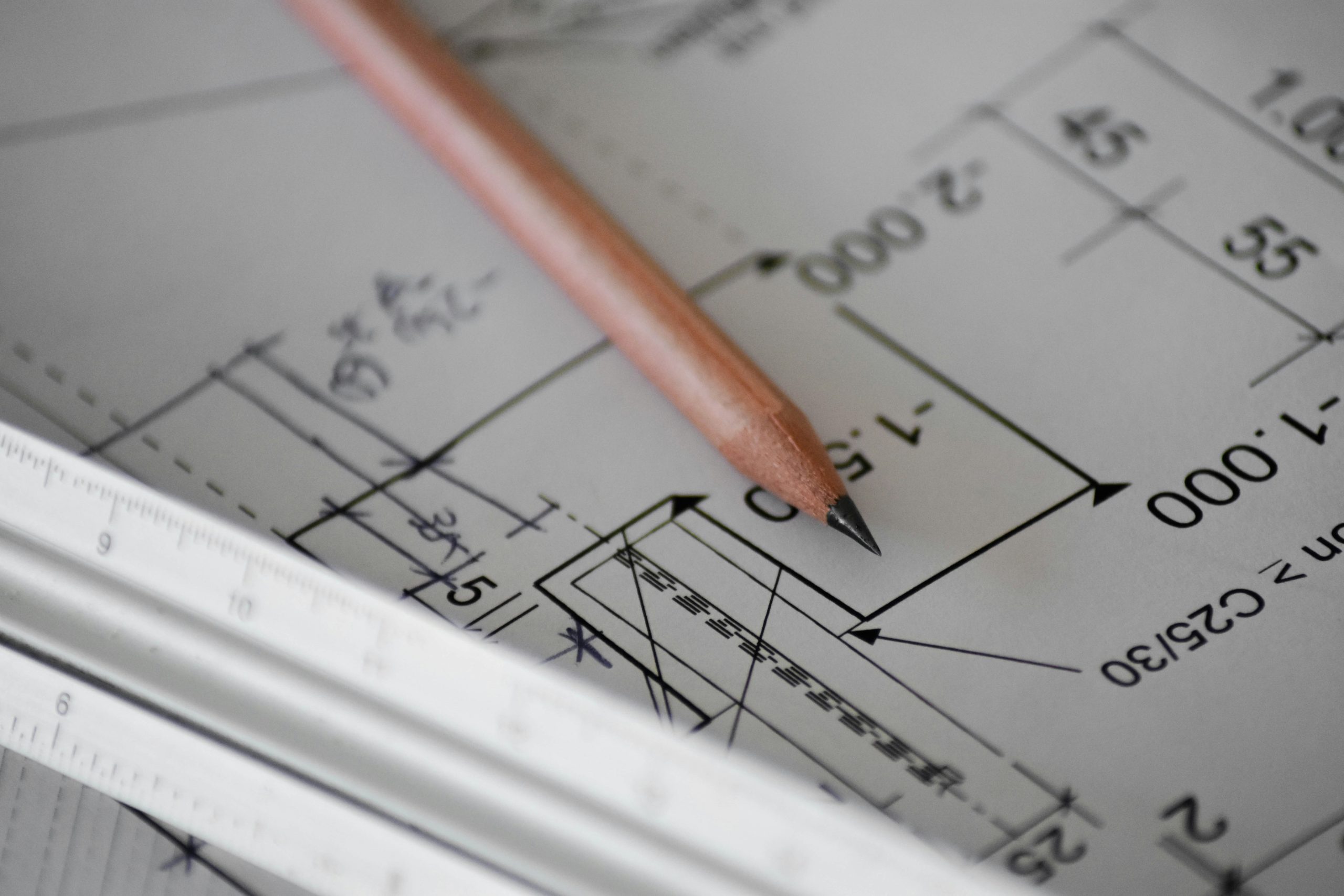
Planning your BIM consulting budget in advance helps avoid unexpected costs and ensures the project runs smoothly. Here are the key steps to help you estimate a realistic budget:
- Define the scope of work clearly: Identify which parts of the project need BIM input – basic modeling, full coordination, scheduling, quantity takeoffs, or lifecycle management.
- Specify the required Level of Detail (LOD): Higher LOD levels (e.g. LOD 400 or 500) will require more consultant time and raise overall costs.
- Determine the project size: The total area (in square feet or meters) will influence cost if pricing is based on model size.
- Choose a pricing structure: Decide whether hourly rates, per-square-foot pricing, or a fixed-fee model works best for your timeline and deliverables.
- Factor in software and hardware needs (if in-house support is used): Budget for any required software licenses or computer upgrades if part of the BIM work is internal.
- Set a timeline and delivery schedule: Rush jobs usually cost more, so define clear delivery deadlines and consider the cost of expedited service.
- Ask for detailed quotes: Reach out to several consultants or firms with the same project brief to compare rates and inclusions.
- Account for review cycles and revisions: Include extra hours or budget room for feedback rounds, model updates, or unexpected coordination needs.
By outlining your needs and asking the right questions upfront, you can develop a more accurate budget and avoid hidden costs during project execution.
Is BIM Consulting Worth the Cost?
For many construction and design teams, the cost of BIM consulting pays off in long-term value. While the upfront expenses such as hourly rates, modeling fees, or software setup can seem high, the benefits often outweigh them over the course of a project.
BIM consulting helps reduce costly rework by identifying design clashes early, improves coordination between disciplines, and supports more accurate scheduling and budgeting. For complex projects, especially those involving multiple trades or phases, these advantages translate into fewer delays and better decision-making. BIM consultants also bring specialized knowledge that many teams may not have in-house, which can improve overall project efficiency.
In short, while BIM consulting adds a line item to your budget, it can reduce risk, prevent errors, and improve project outcomes making it a strategic investment for firms that value precision and control in construction planning.
Conclusion
BIM consulting costs vary based on multiple factors, including project size, required level of detail, timeline, and pricing structure. Hourly rates typically range from $33 to $43, while per-square-foot pricing can go from $0.30 for basic models up to $0.90 for fully detailed ones. Additional expenses may include setup fees, expedited delivery, and 2D-to-3D conversions.
Understanding your project’s needs such as the appropriate LOD, timeline, and scope can help you choose the right consultant and pricing model. Whether you outsource BIM consulting or invest in internal capacity, the goal is the same: reducing errors, improving coordination, and making project execution more predictable. With careful planning, BIM consulting becomes not just a cost but a value-driven investment.
FAQ
1. What is the average hourly rate for BIM consultants in 2026?
Most BIM consultants charge between $33 and $43 per hour, with the national average at around $50/hour.
2. Are there other pricing models besides hourly rates?
Yes, BIM services may also be priced per square foot, by fixed project fees, or through a combination of setup charges and service-based costs.
3. How much does a BIM model cost per square foot?
Rates range from $0.30/sq ft for basic massing models to $0.90/sq ft for detailed, fully coordinated BIM models.
4. What affects the cost of BIM consulting the most?
Key factors include the project’s complexity, Level of Development (LOD), timeline, required BIM dimensions (e.g., 3D, 4D, 5D), and whether the work is outsourced or done in-house.
5. Is BIM consulting worth the investment?
For many projects, yes. BIM consulting helps reduce rework, improves communication, supports better scheduling, and prevents costly mistakes especially in large or detail-heavy builds.
Our Case Studies
We have handled 200+ BIM & VDC projects for commercial, industrial, and residential sectors.
Our work includes:
Formwork design automation
Our client from
California, USA
Suspended ceiling design automation
Our client from
New York, USA
Wall framing design automation
Our client from
California, USA