Have any questions? Contact us!
Join our team!
Request a free quote or consultation

How Much Does Architectural Lighting Cost? A Practical Pricing Breakdown
Architectural lighting isn’t just about adding light to a space, it’s about creating atmosphere, highlighting design, and improving how people experience buildings. But how much does it actually cost to install this kind of lighting? The price can vary a lot depending on the size of the project, the type of lighting, and how complex the design is. Whether it’s for a home, office, or public space, understanding the key cost drivers can help you plan your budget more accurately.
Why Architectural Lighting Isn’t Just About Fixtures
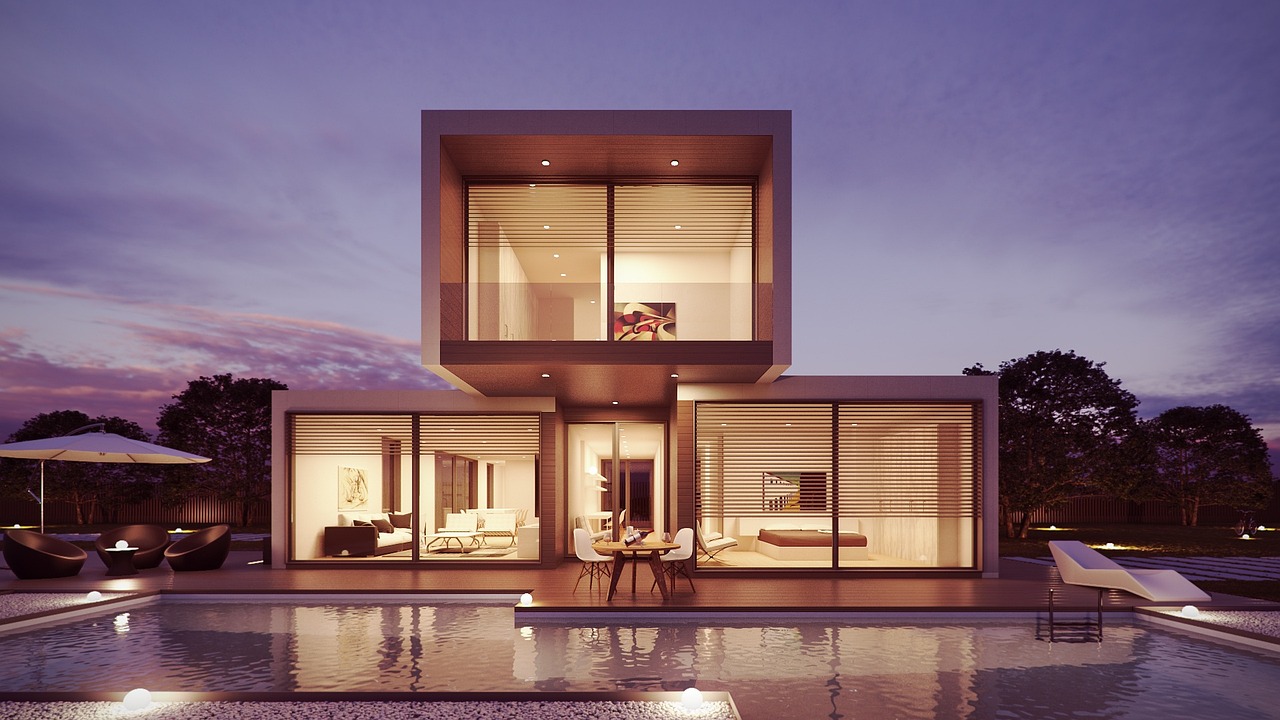
Architectural lighting is more than just placing a few fixtures around a space. It’s about designing how light interacts with the structure emphasizing form, guiding movement, and shaping mood. Well-executed lighting can turn an ordinary building into something visually compelling and highly functional.
The cost of an architectural lighting project reflects this complexity. It includes not just the price of the lights themselves, but also design planning, installation, control systems, and energy efficiency considerations. Whether you’re updating a home or planning a commercial build, understanding what drives lighting costs is the first step toward making informed decisions.
Lighting Integration by Powerkh: From Modeling to Execution

We are Powerkh, a UK-based company with offices in the USA and Ukraine, specializing in Building Information Modeling (BIM) and Virtual Design & Construction (VDC). Our services focus on integrating digital solutions into construction and engineering projects, including architectural lighting. We provide 3D BIM modeling and BIM coordination to incorporate lighting systems into building designs, ensuring they meet both functional and aesthetic requirements.
Our company uses advanced modeling techniques to integrate lighting designs into detailed digital models, focusing on the accurate placement and sizing of lighting elements within the overall architecture. By leveraging BIM, we ensure that lighting fixtures and other building components are properly coordinated, making it easier to visualize how lighting interacts with the space.
With our offices across three countries, we work with architects, engineers, and contractors to streamline the integration of architectural lighting into projects. Our approach helps improve energy efficiency, aesthetics, and overall project execution by ensuring clear communication and coordination between all parties involved.
What’s the Typical Price Range for Architectural Lighting Projects?
Architectural lighting costs can vary significantly depending on the scope, location, and level of customization. Here’s a closer look at what influences the budget and how pricing is typically structured.
General Price Range
- Typical project cost: $4,300 – $7,100
- Small-scale projects: from $3,000
- High-end/custom projects: can exceed $10,000
This range usually includes design services, equipment selection, and basic installation. The total can vary based on whether the lighting is interior, exterior, or landscape-focused.
Lighting Designer Rates
- Experienced professionals: $125 – $250 per hour
- Apprentice-level designers: $65 – $85 per hour
- Flat project fees: $2,000 – $10,000 (for well-defined scopes)
- Percentage-based fees: Typically 5-10% of total project cost, most common in large-scale commercial or integrated architectural projects where lighting is part of a broader design contract
Designers may charge hourly for large, flexible projects, or offer a fixed fee for smaller or standard jobs. Some combine pricing methods depending on services included.
Installation Costs
- Per-fixture installation: typically ranges from $300 to $950 per unit. Costs vary based on the fixture type, wiring complexity, mounting location, and whether the installation is indoors or outdoors. Outdoor systems often require additional materials, weatherproofing, and labor, which increases the total.
Design Service Fees in Minnesota (Reference Point)
- Average range: $1,800 – $2,200 for standalone design packages. These fees generally include consultations, lighting plans, fixture schedules, and coordination with other trades involved in the project. More complex or customized designs may cost more depending on the number of revisions and integration requirements.
What Affects the Cost of Architectural Lighting? Key Factors Explained
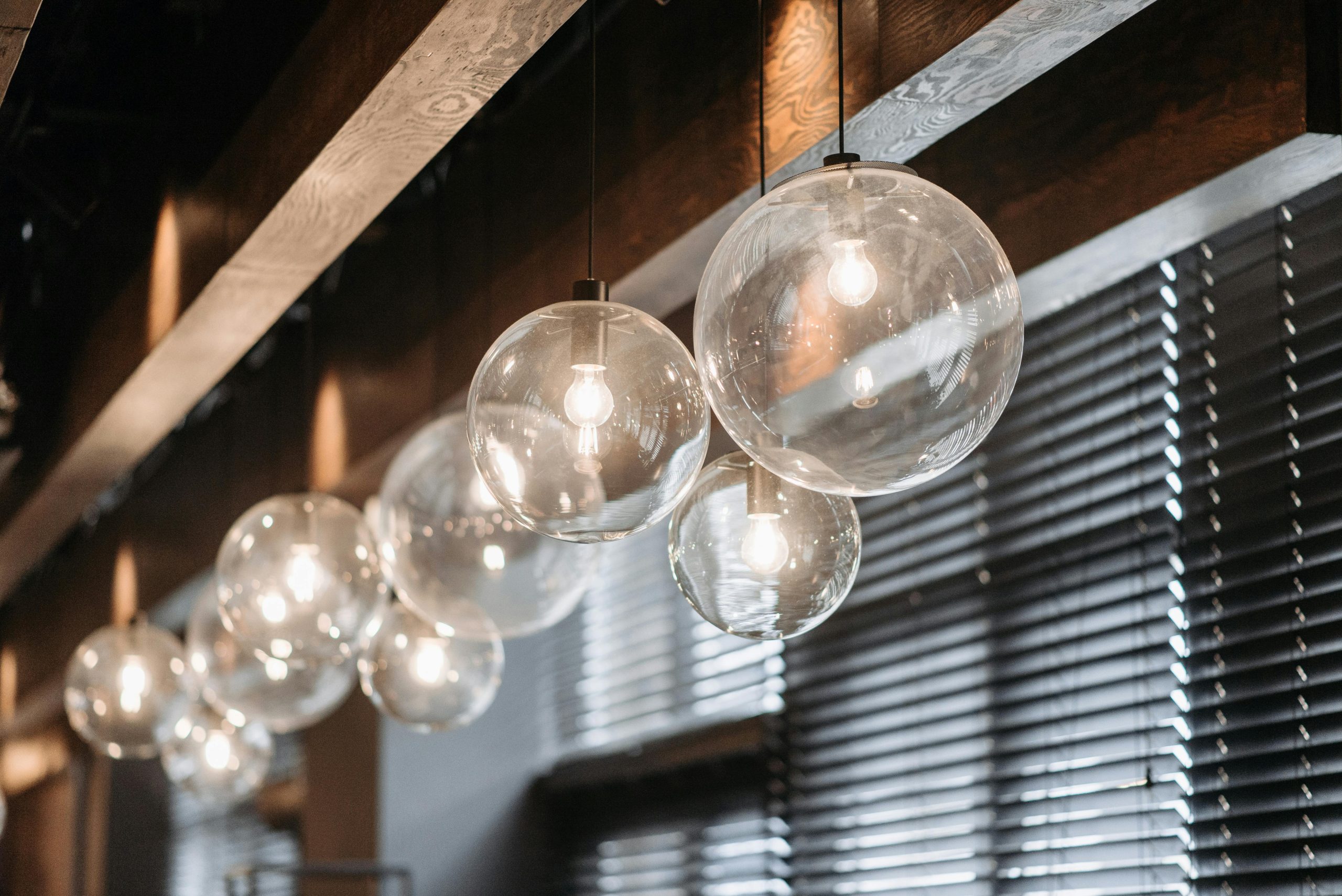
Architectural lighting costs aren’t based on a single number. The final price depends on a combination of elements from the size of the space to the type of system being installed. Here are the most important cost drivers to keep in mind when planning your project.
1. Project Size and Scope
The larger the area, the more fixtures, wiring, and labor are required. A full-property lighting system will cost significantly more than a single-room upgrade. Projects with complex layouts, multiple zones, or specialized lighting features also require more design time and materials.
2. Type of Lighting Used
Different lighting types come with different price tags:
- Interior lighting often involves layered systems (ambient, task, accent) and may need integration with HVAC or smart controls.
- Outdoor and landscape lighting must be weather-resistant and durable, which raises material and installation costs. These setups often involve trenching, waterproof connections, and additional safety requirements.
3. Design Complexity
Simple plans with standard fixtures are more affordable. In contrast, projects that require custom designs, architectural integration, or coordination with architects and engineers will cost more. Multiple design revisions or advanced visualization (like 3D modeling) also increase design fees.
4. Location and Labor Rates
While this guide focuses on general pricing, it’s important to note that costs can vary depending on local labor rates and regional regulations. Some areas may require permits, code compliance checks, or energy-efficiency documentation all of which can add to the total cost.
5. Fixture Quality and Technology
High-end or custom fixtures cost more than standard options. Energy-efficient systems (like LED with smart sensors or app-based controls) may have a higher initial cost but can reduce long-term energy and maintenance expenses. The choice of materials, finishes, and control systems will influence both budget and longevity.
How Do Lighting Designers Charge? Common Pricing Models
Architectural lighting professionals use several pricing models depending on the scope and complexity of the project. Knowing how these pricing structures work helps you plan your budget and select the best fit for your project needs.
Hourly Rate
This model is typically used for large or open-ended projects that require continuous design input, coordination, or revisions. Professional lighting designers usually charge between $125 and $250 per hour, depending on their experience and location. Less experienced or apprentice-level designers may charge a lower rate typically between $65 and $85 per hour. Hourly billing is ideal when the full scope of work is still evolving.
Flat Fee
For smaller or clearly defined projects, a flat fee is often a practical option. This one-time fee typically ranges from $2,000 to $10,000, depending on project size and complexity. The flat fee usually covers consultations, lighting plans, fixture selection, and coordination with other professionals. While this model provides cost predictability, it may offer less flexibility if there are major changes to the project later on.
Per Project Estimate
This model assigns a custom total price based on job-specific variables such as fixture count, site conditions, and installation complexity. It’s common for outdoor or landscape lighting, where costs often start at around $1,500 to $2,500 for features like deck or garden lighting. This model gives clients a clear idea of the total cost upfront but requires careful planning and evaluation at the beginning.
Percentage of Total Project Cost
In some cases, especially when lighting is part of a larger construction or interior design contract, the designer may charge a percentage of the overall project value. This percentage is often around 3%. It’s a model more frequently used in full architectural packages, where lighting design is one component of a broader service offering.
Hybrid Models
Many lighting designers combine different pricing methods to match the scope of work. For example, a flat fee might be used for initial design phases, while additional consultation or site visits are billed hourly. Designers may also apply a markup on lighting fixtures they procure on behalf of the client. These hybrid models should always be clarified in the service agreement to avoid hidden costs.
What Does Exterior and Landscape Lighting Cost?
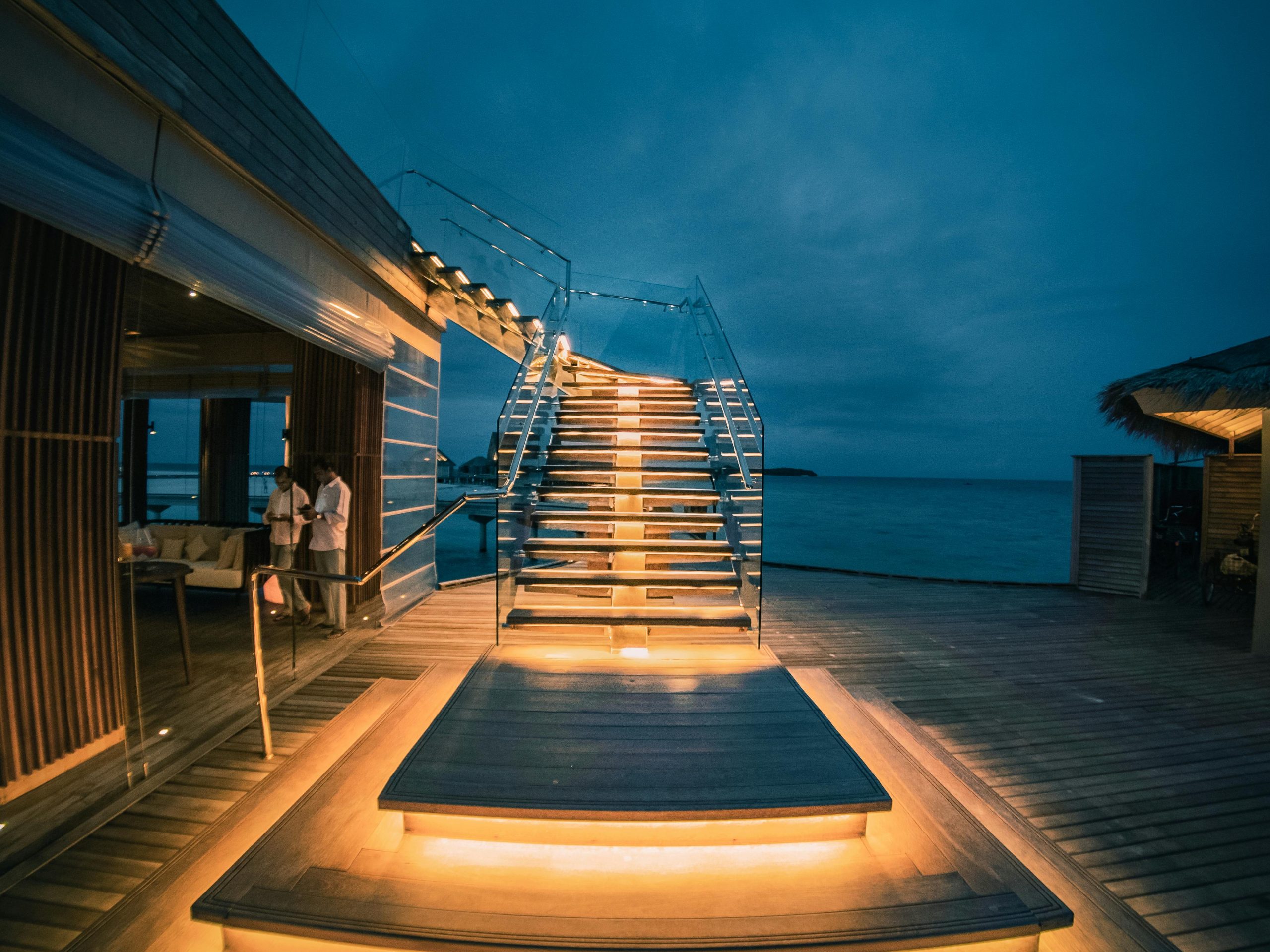
Outdoor lighting systems are designed to withstand the elements while enhancing the appearance, safety, and usability of exterior spaces. These projects often cost more than interior setups due to the durability requirements of fixtures and the added complexity of outdoor installations.
Typical Price Range
- Small-scale outdoor lighting setups, such as pathway or deck lighting, start around $1,500 to $2,500. Full-property landscape or architectural exterior systems range from $3,000 to $7,000 or more, depending on factors like terrain, soil conditions, and local permitting requirements.
- Full-property landscape lighting or architectural exterior systems typically start at $3,000 and can exceed $10,000 depending on the number of fixtures, terrain complexity, and project scale.
What Affects the Price?
Several factors influence how much you’ll pay for exterior and landscape lighting. Here’s what typically drives up the cost:
- Fixture Quality. Durable, weatherproof materials like brass or stainless steel are more expensive but offer longer lifespans.
- Installation Work. Outdoor systems may require trenching, buried wiring, moisture protection, and additional labor for complex landscapes.
- Lighting Design. Techniques such as uplighting, grazing, or silhouette lighting add to design time and may need multiple fixture types.
- Smart Controls. Automated systems, motion sensors, and remote access features increase upfront costs but improve long-term usability.
- Energy Efficiency. LED fixtures cost more initially but consume less energy and require less frequent replacement compared to halogen or incandescent options.
Smart Ways to Keep Architectural Lighting Costs Under Control
Architectural lighting can quickly become expensive if not properly planned. But with the right strategies, it’s possible to stay within budget while still achieving a high-quality lighting design. Below are practical tips to help you manage costs effectively without compromising on function or aesthetics.
- Plan Early in the Design Process. Involving a lighting designer during the early stages of your project allows for better integration with architectural elements and avoids costly changes later on.
- Define Your Scope Clearly. Know what areas need lighting and what your priorities are. This helps avoid overdesigning and keeps both material and labor costs focused on what matters most.
- Choose Energy-Efficient Fixtures. Opting for LED lighting and smart controls may cost more upfront but reduces energy bills and maintenance over time.
- Stick to Standard Products When Possible. Custom fixtures and complex control systems add significant cost. Standard models from reputable brands often offer good performance at a lower price.
- Bundle Services Where You Can. Some lighting designers offer discounts when design, supply, and installation are handled together. Ask about bundled pricing options.
- Get Multiple Quotes. Comparing estimates from different designers or contractors can reveal better pricing or more suitable service structures for your budget.
- Avoid Over-Lighting. More lights don’t always mean better results. A thoughtful layout with fewer, well-placed fixtures can be both effective and economical.
- Understand All Line Items. Review proposals carefully to spot hidden fees such as markup on materials, travel time, or extended site visits.
Conclusion
Architectural lighting is a powerful design element that impacts both aesthetics and functionality but it comes with a wide range of potential costs. On average, projects range between $4,300 and $7,100, though this can vary based on factors like scope, fixture type, and design complexity. Professional design services, installation labor, smart technologies, and high-quality materials all influence the final budget.
By understanding common pricing models and cost drivers, and by planning strategically, it’s possible to create a visually striking lighting solution that stays within budget. Whether you’re lighting a residential interior, commercial façade, or landscape area, the right approach can deliver long-term performance and value.
FAQ
1. How much does architectural lighting usually cost?
Most projects fall between $4,300 and $7,100, though simple jobs may start around $2,000 and more complex or custom installations can exceed $10,000.
2. Do I need a lighting designer for my project?
Hiring a professional is recommended for projects that involve custom designs, multiple lighting layers, or integration with smart controls. For basic functional lighting, a designer may not be necessary.
3. What’s included in lighting design fees?
Design fees typically cover consultations, lighting plans, fixture selection, coordination with contractors, and sometimes 3D visualizations or installation oversight.
4. Is exterior lighting more expensive than interior lighting?
Generally, yes. Outdoor lighting requires weatherproof fixtures, durable materials, and often more complex installation work, which adds to the cost.
5. Can I reduce costs without sacrificing quality?
Yes, by planning early, avoiding over-lighting, selecting energy-efficient fixtures, and working with experienced professionals who offer transparent pricing.
6. Are smart lighting systems worth the extra cost?
Smart lighting adds to the initial cost but offers long-term savings through better energy control and automation. However, ongoing maintenance, such as software updates or system reprogramming, may incur additional costs.
Our Case Studies
We have handled 200+ BIM & VDC projects for commercial, industrial, and residential sectors.
Our work includes:
Formwork design automation
Our client from
California, USA
Suspended ceiling design automation
Our client from
New York, USA
Wall framing design automation
Our client from
California, USA