Have any questions? Contact us!
Join our team!
Request a free quote or consultation

4D BIM (Building Information Modeling) has become a game-changer in construction, offering the ability to integrate time-based data into 3D models. But how much does it really cost to implement 4D BIM in a construction project? The price can vary greatly depending on the size, complexity, and specific needs of the project. In this article, we’ll break down the factors that influence 4D BIM pricing, analyze the average 4D BIM cost, and provide insights into what you can expect when incorporating this powerful tool into your workflow.
Average 4D BIM Costs to Consider
The cost of 4D BIM can vary significantly depending on several factors, including the complexity and size of the project. Typically, for construction projects, you can expect to pay between $50 to $200 per hour for BIM consultants, with prices often reflecting the depth of the 4D integration and the scale of the project. For a full-scale project, the total cost of implementing 4D BIM can range from $10,000 to $100,000 or more.
Smaller projects or those with limited time-frame requirements can be on the lower end of the spectrum, while large, complex projects like hospitals or commercial buildings may push the price higher. Additionally, many BIM service providers offer pricing based on a per-square-foot model, which can range from $0.30 to $1 per square foot, depending on the level of detail required.
While the initial investment may seem high, the long-term benefits and efficiency improvements often outweigh the costs. It’s essential to consider how 4D BIM can streamline workflows and improve project coordination when evaluating the overall cost.
Detailed Cost Breakdown: 4D BIM vs. Traditional BIM

When deciding between 4D BIM and traditional 3D BIM for your project, understanding the cost differences is essential. While both technologies help in visualizing building designs, 4D BIM offers additional capabilities that integrate time and scheduling data into the models, providing greater control over project timelines and budget management. This enhanced functionality does come at a higher cost. Below is a detailed breakdown to help you understand how the two compare:
4D BIM:
Integrates Time and Scheduling Data
4D BIM combines 3D models with time-based data, offering a dynamic view of how the project progresses over time. This integration helps in managing the construction schedule and makes it easier to spot potential delays.
Requires Specialized Software and Expert Consultation
4D BIM relies on advanced BIM software like Synchro or Autodesk Navisworks, and often requires consultation from experts who specialize in time and cost integration.
Detailed Time-Based Simulations
The creation of detailed simulations is a key feature of 4D BIM, allowing stakeholders to see how the construction process will unfold in real-time.
Higher Upfront Costs
Implementing 4D BIM typically involves higher initial costs, including software licensing, training for your team, and expert consultations. These costs are often offset by the long-term benefits of better project control and risk mitigation.
Traditional 3D BIM:
Focuses on Design and Modeling
Traditional 3D BIM is primarily concerned with the design and modeling of a building’s physical and functional aspects. It doesn’t include time or scheduling data, making it simpler to implement but less comprehensive than 4D BIM.
Requires Basic BIM Software
Software such as Revit or ArchiCAD is typically used for 3D BIM. These tools focus on the building’s geometry and structure but don’t provide integration with project timelines.
More Affordable
Since traditional 3D BIM lacks the time and scheduling integration that 4D BIM provides, it’s generally more affordable to implement. For projects with less complex scheduling requirements, traditional BIM may be sufficient.
In summary, while 4D BIM offers a more advanced approach to project management, the added costs are justified by its ability to better manage time, reduce risks, and improve overall project execution. However, for projects where detailed scheduling and time management are not critical, traditional 3D BIM can be a more cost-effective solution.
Powerkh: Leading the Way in 4D BIM Solutions for Efficient Project Management

We are Powerkh and we are a UK-based company with offices in Ukraine and the USA, specializing in 4D Building Information Modeling (BIM) services. By integrating cost and scheduling data into 3D models, we enable clients to better manage project timelines, budgets, and construction workflows.
Our 4D BIM solutions provide detailed digital models that connect construction schedules with cost projections, allowing teams to track progress, anticipate issues, and make data-driven decisions that help control both time and costs throughout the project lifecycle.
We serve a broad range of industries, including residential, commercial, and infrastructure projects. With locations in the UK, Ukraine, and the USA, we deliver precise and efficient BIM solutions that enhance collaboration and project management, ensuring timely, on-budget project delivery.
Key Highlights:
- UK-based company with offices in Ukraine and the USA
- Specializes in 4D BIM services integrating cost and schedule data with 3D models
- Focus on improving project management, budget control, and timeline accuracy
- Experienced across residential, commercial, and infrastructure projects
- Advanced BIM solutions for better collaboration and decision-making
- Reliable, data-driven approach to project delivery
Services:
- 4D BIM Modeling
- Construction Schedule
- Real-time Project Tracking and Monitoring
- Risk Mitigation and Issue Detection
- BIM Implementation
- Collaboration Tools
Factors That Affect the Cost of 4D BIM
Several factors can influence the overall cost of 4D BIM for a construction project. These include:
- Project Size: Larger projects naturally require more time and resources to integrate 4D BIM, increasing costs.
- Complexity: More intricate designs with multiple elements or phases increase the level of detail needed in the BIM model.
- Level of Detail (LOD): The more detailed the model, the higher the cost. Models with higher LODs require more time to create and manage.
- Software and Tools: The specific software and tools needed for 4D BIM may have licensing fees or subscription costs.
- Consultation and Training: Training staff and project managers to use 4D BIM tools adds to the overall cost of implementation.
- Project Duration: The length of time required for the project’s BIM integration can influence the pricing, with longer timelines resulting in higher costs.
By considering aspects such as project size, complexity, software requirements, and training needs, you can better estimate the costs involved and ensure that your project remains on track and within budget.
How 4D BIM Improves Project Efficiency and Saves Money
4D BIM significantly enhances project efficiency and reduces costs through better planning and scheduling. By integrating time with the 3D model, stakeholders can visualize how the project will progress at every stage, which leads to more accurate timelines and a smoother construction process.
With 4D BIM, project managers can identify potential delays or bottlenecks before they occur. This allows for proactive problem-solving and resource allocation, minimizing downtime and reducing the need for costly rework.
Since 4D BIM allows for better forecasting and tracking of time and costs, it helps keep projects within budget. By visualizing the construction process, teams can avoid unnecessary delays that would otherwise lead to additional costs.
4D BIM’s ability to streamline construction workflows, minimize risks, and enhance team collaboration results in long-term cost savings, making it a smart investment despite its higher initial cost.
The Hidden Costs of Implementing 4D BIM
While 4D BIM offers numerous benefits, there are some hidden costs that companies should be aware of. These can include:
- Software Licensing: High-quality BIM software often comes with expensive licenses or subscription fees.
- Training and Skill Development: To get the most out of 4D BIM, project teams need training, which can incur costs for both initial training sessions and ongoing learning.
- Data Management: Collecting, storing, and managing the data required for 4D BIM models can add to the overall cost, especially if specialized personnel are needed.
- Integration with Existing Systems: For companies using older or incompatible systems, additional integration costs may arise to ensure that 4D BIM tools work seamlessly with other project management tools.
- Consulting Fees: External consultants may be needed to help with the implementation, which can increase the overall budget.
Being aware of these hidden costs can help businesses plan and budget more accurately for 4D BIM implementation.
How to Budget for 4D BIM: Key Considerations

Budgeting for 4D BIM requires careful planning and understanding of the specific project needs. Here are some key considerations to help you manage the cost:
Key Budgeting Considerations:
- Project Scope: Define the scale and complexity of your project early on. The more detailed the 4D BIM model, the higher the cost.
- Software Costs: Account for software licensing and potential upgrades. Consider subscription-based pricing or a one-time fee depending on your project’s needs.
- Training and Expertise: Allocate funds for staff training and potentially hiring experts to ensure the BIM system is used efficiently.
- External Consultation: If you need expert guidance or support, make sure to factor in consultant fees for BIM implementation and integration.
- Long-Term Benefits: Don’t forget to consider the long-term savings and increased efficiency 4D BIM offers when setting your budget.
How to Manage Costs:
- Phased Implementation: Consider implementing 4D BIM in phases to spread out costs. Start with the most critical aspects of the project to reduce the initial investment.
- Evaluate Software and Tools: Research the best BIM software for your project needs to avoid paying for unnecessary features or tools.
With careful planning, budgeting for 4D BIM can be a manageable process that leads to a more efficient and cost-effective project.
Conclusion
Incorporating 4D BIM into your construction project offers significant advantages, from enhanced scheduling to improved efficiency and cost management. While the initial costs of implementing 4D BIM can vary, depending on the complexity and scale of your project, the long-term benefits often outweigh the investment.
The integration of time with 3D models helps to prevent delays, optimize resource allocation, and provide clear visualizations, leading to a more controlled and successful project. By considering factors like project size, software, training, and external consulting, businesses can effectively budget for 4D BIM and realize its value through better project outcomes.
FAQ
Why is 4D BIM more expensive than traditional BIM?
4D BIM is more expensive than traditional 3D BIM because it adds the dimension of time, integrating detailed scheduling data into the model. This requires more advanced software, additional data management, and often specialized expertise, making the setup and implementation more costly.
How do I determine if 4D BIM is worth the investment for my project?
Consider the scale and complexity of your project. If your project involves multiple stages, tight deadlines, or high-risk factors, 4D BIM can help streamline planning, improve coordination, and ultimately save on costs and time. It’s worth the investment if it can help avoid costly delays and rework.
Are there hidden costs when implementing 4D BIM?
Yes, hidden costs can include software licenses, training for staff, consulting fees, and data management expenses. It’s essential to factor in these costs when planning your 4D BIM budget, as well as the cost of integrating the technology with existing systems.
Can 4D BIM help small construction companies?
Yes, even small construction companies can benefit from 4D BIM by improving their ability to plan, track project progress, and manage costs. The technology helps identify issues early, ensuring that even small projects stay on track and within budget.
How long does it take to implement 4D BIM in a construction project?
The implementation time for 4D BIM depends on the project’s complexity, the existing level of detail in the 3D model, and the team’s familiarity with BIM software. Generally, it can take anywhere from a few weeks to several months to fully integrate 4D BIM into a project.
Can 4D BIM integrate with other construction technologies?
Yes, 4D BIM can integrate with other technologies such as Virtual Reality (VR), Augmented Reality (AR), and 3D point cloud scanning. These integrations can enhance the visualization and planning capabilities, providing even more detailed insights and improving project execution.
How can 4D BIM help with risk management?
4D BIM plays a crucial role in risk management by allowing project teams to visualize potential scheduling conflicts and project delays before they happen. By integrating time with the 3D model, teams can identify risks early, adjust schedules, and make data-driven decisions that help mitigate issues such as resource shortages, logistical problems, or unforeseen site conditions. This proactive approach reduces the likelihood of costly delays and rework.
Have a BIM Project? Talk To Us.
Contact UsOur Case Studies
We have handled 200+ BIM & VDC projects for commercial, industrial, and residential sectors.
Our work includes:
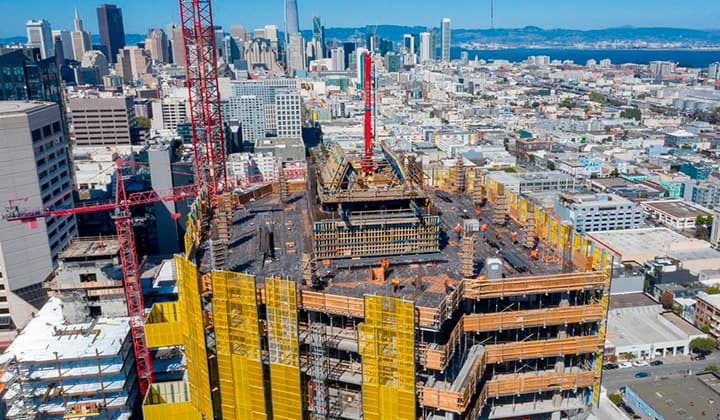
Formwork design automation
Our client from
California, USA
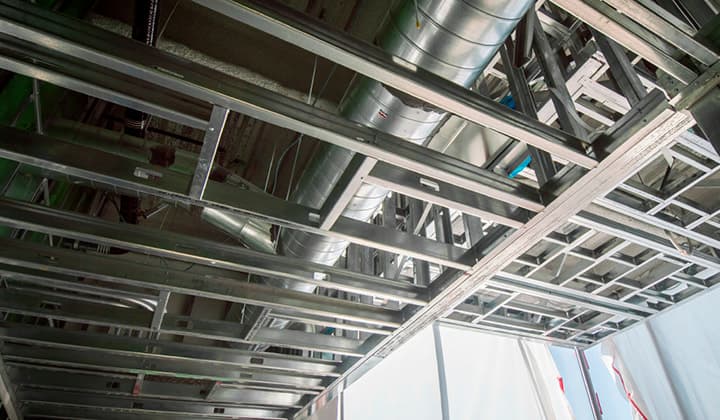
Suspended ceiling design automation
Our client from
New York, USA
Wall framing design automation
Our client from
California, USA