¿Tiene alguna pregunta? Póngase en contacto con nosotros
¡Únete a nuestro equipo!
Solicitar presupuesto o consulta gratuita

A riser in construction refers to two distinct but essential components: the vertical face between stair treads that connects one step to another, and vertical shafts that carry plumbing pipes, electrical wiring, or ductwork between different floors in a building. Both types of risers are critical for safety, functionality, and building code compliance.
Walk through any multi-story building and risers surround you—even if they’re hidden behind walls or beneath your feet. These vertical elements form the backbone of both circulation and building systems, yet most people don’t know what they’re called or how they work.
Understanding risers matters whether someone’s planning construction, managing a facility, or just curious about how buildings function. The term covers two distinct components that share one characteristic: they’re both vertical.
Stair Risers: The Vertical Face of Each Step
The most visible type of riser is the vertical face between two consecutive stair treads. According to OSHA regulations 1926.1052, stairways in construction must meet specific requirements to ensure worker safety during building projects.
This vertical component connects the horizontal surface where feet land (the tread) to the next step above. The height of each riser directly affects how comfortable and safe stairs feel to climb.
Building codes regulate riser dimensions strictly. OSHA standard 1910.25 covers all stairways including standard, spiral, ship, and alternating tread-type stairs (except articulated stairs) and specifies requirements for walking-working surfaces. Consistent riser height throughout a staircase prevents tripping hazards. OSHA 1926.1052(a)(3) specifies that variations in riser height shall not exceed ¼-inch (0.6 cm) in any stairway system.

Typical Stair Riser Specifications
Residential stairs typically have risers between 7 and 7.75 inches high, and building codes (such as the International Residential Code – IRC) strictly specify a maximum riser height of 7.75 inches (19.7 cm). Commercial buildings often require slightly different dimensions based on expected traffic and accessibility requirements.
The relationship between riser height and tread depth follows formulas that balance comfort with space efficiency. Steeper stairs with taller risers occupy less floor space but feel more challenging to climb.
Add BIM Modeling Capacity to Your Team

Powerkh helps construction and design teams handle BIM production work without expanding internal hiring. Its services include modeling, coordination, detailing, automation, and point cloud processing. This makes it easier to keep projects moving when internal resources are limited.
Need Extra BIM Support?
Talk with Powerkh to:
- extend your team with BIM specialists
- handle modeling and drawing production
- support ongoing project delivery
👉 Contact Powerkh for a project review and consultation.
Building Service Risers: Vertical Utility Shafts
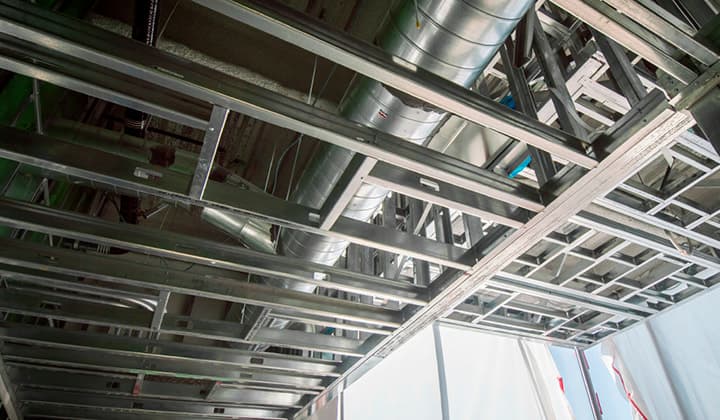
The second meaning of “riser” refers to vertical shafts that carry building systems between floors. These include plumbing pipes, electrical wiring, and ductwork that must travel from basement mechanical rooms to upper floors.
In multi-story buildings, service risers are absolutely essential. Water can’t flow upward without vertical pipes. Electrical systems need pathways to distribute power. HVAC ductwork requires vertical runs to condition every floor.
Here’s the thing though—these risers aren’t just simple pipes running through walls. They’re engineered systems designed for access, maintenance, and fire safety.
Types of Building Service Risers
| Riser Type | Propósito | Common Materials |
|---|---|---|
| Plumbing Risers | Supply water upward and drain waste downward | Copper, PVC, cast iron, PEX |
| Electrical Risers | Distribute power and data cabling vertically | Conduit, cable trays, bus ducts |
| HVAC Risers | Supply conditioned air and return air flow | Sheet metal ductwork, insulated pipes |
| Fire Protection Risers | Supply water to sprinkler systems on each floor | Steel pipe, specialized fittings |
Plumbing Risers in Residential Buildings
Residential plumbing systems depend on risers to move both potable drinking water and waste. These vertical pipes connect fixtures on multiple floors to main supply lines and drainage systems.
Older buildings often used cast iron for waste risers due to its durability and sound-dampening properties. Modern construction frequently uses PVC or other plastics that resist corrosion and cost less to install.
Plumbing risers don’t last forever. Cast iron risers can experience corrosion issues after several decades of use, leading to leaks, reduced water pressure, and contamination risks. Buildings constructed before 1980 often face riser replacement projects as original pipes reach the end of their service life.
Signs Risers Need Replacement
For building service risers, several warning signs indicate problems. Reduced water pressure throughout a building often points to corroded or blocked risers. Visible water stains on walls or ceilings near vertical pipe runs suggest leaks.
Unusual sounds—gurgling, banging, or rushing water when fixtures aren’t in use—can indicate drainage problems in waste risers. Rust-colored water signals corrosion inside metal pipes.
Stair risers rarely need “replacement” in the same sense, but damaged or non-compliant risers create safety hazards. Cracks, rot in wood risers, or measurements that don’t meet code requirements demand correction.
Riser Design Considerations
Proper riser design in buildings requires planning for access, fire safety, and future maintenance. Service risers need access panels at regular intervals so technicians can reach pipes, wires, or ducts for repairs.
Fire-rated construction around risers prevents flames and smoke from spreading vertically between floors—a critical life safety feature. OSHA regulations address stairway requirements to ensure safe access where elevation changes occur, noting that stairways or ladders must be provided at breaks in elevation of 19 inches or more according to standard 1926.1051.
Sound transmission through risers matters too. Water flowing through waste pipes creates noise that travels between floors unless risers include proper insulation and vibration dampening.
Understanding Risers Improves Building Management
Whether discussing stairs or building systems, risers form fundamental components of construction. Stair risers affect safety and comfort every time someone uses stairs. Service risers enable modern buildings to function by distributing water, power, and air conditioning.
Proper maintenance, code compliance, and timely replacement of aging risers protect both building occupants and property value. Recognition of warning signs allows proactive intervention before minor issues become major failures.
For building owners, facility managers, and construction professionals, understanding what risers are and how they function forms essential knowledge for effective building operation and maintenance planning.
Preguntas frecuentes
What’s the difference between a riser and a tread on stairs?
The tread is the horizontal part of the step where your foot lands, while the riser is the vertical section between each tread. Together, they form each individual step in a staircase.
How tall should stair risers be?
Most residential stair risers fall between 7 and 7.75 inches in height. Building codes set maximum limits and require all risers in a staircase to be consistent to reduce the risk of trips and falls.
What materials are used for plumbing risers?
Plumbing risers are commonly made from copper, PVC, cast iron, PEX, or steel. Older systems often use cast iron, while newer construction tends to rely on plastic piping or copper depending on local requirements.
How long do plumbing risers last?
Lifespan varies by material. Cast iron can degrade after several decades due to corrosion, while copper and modern plastic systems can last longer with proper installation and water conditions. Regular inspections help determine when replacement is needed.
Do all buildings have service risers?
Buildings with multiple floors require service risers to carry utilities vertically. Single-story buildings generally don’t need them, though they may still have short vertical connections to underground services.
Can electrical and plumbing risers share the same shaft?
Typically no. Building codes usually require separate shafts for electrical and plumbing systems to reduce safety risks and simplify maintenance. Keeping them separate prevents water damage to electrical systems.
What does “open riser” mean in stair construction?
Open riser stairs have no vertical board between steps, leaving a gap between each tread. This creates a lighter visual look but must follow building code requirements for spacing and safety.

Nuestros casos prácticos
Hemos gestionado más de 200 proyectos BIM y VDC para los sectores comercial, industrial y residencial.
Nuestro trabajo incluye:
Automatización del diseño de encofrados
Our client from
California, USA
Automatización del diseño de falsos techos
Our client from
New York, USA
Automatización del diseño del entramado de muros
Our client from
California, USA