¿Tiene alguna pregunta? Póngase en contacto con nosotros
¡Únete a nuestro equipo!
Solicitar presupuesto o consulta gratuita

A girt is a horizontal structural member in metal building construction that runs perpendicular to the primary framing columns. It provides support for wall panels, transfers wind loads to the main frame, and maintains wall integrity in pre-engineered steel buildings.
If you’ve been researching metal buildings or steel construction, you’ve probably stumbled across the term “girt” and wondered what it actually means. It’s not exactly everyday vocabulary.
Here’s the thing though—girts are everywhere in steel buildings. They’re just hidden behind the wall panels where most people never see them.
Defining Girts in Steel Construction
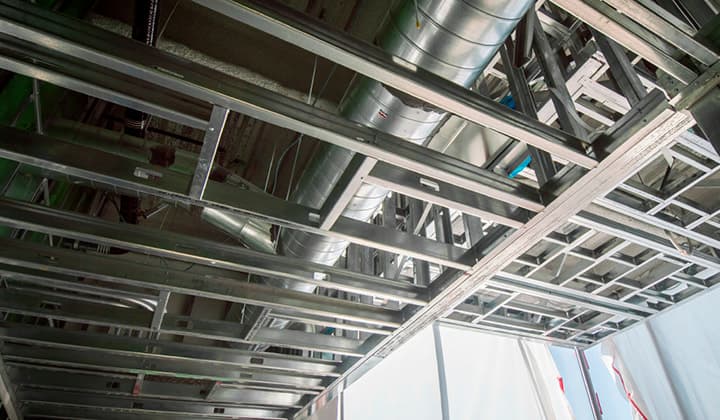
A girt is a horizontal structural member that attaches to the vertical columns of a metal building’s wall system. Think of them as the skeleton that holds your wall panels in place.
These steel components run horizontally between the building’s primary columns, creating a grid-like support structure for the exterior wall sheeting. Without girts, wall panels would have nothing to attach to and no way to resist wind loads or lateral forces.
The term comes from traditional timber framing, where horizontal members supported wall coverings in framed structures.
How Girts Function in Metal Buildings
Girts serve three critical functions in pre-engineered metal buildings:
First, they provide a mounting surface for exterior wall panels. The metal sheeting fastens directly to these horizontal members, which means proper girt spacing determines how securely your walls attach to the building frame.
Second, girts transfer wind loads from the wall panels back to the primary structural columns. When wind pushes against your building’s walls, the girts distribute that force to the main frame rather than letting it concentrate on the panels themselves.
Third, they offer lateral support to the columns, helping prevent buckling and maintaining the structural integrity of the entire wall system.
Work With a BIM and VDC Services Team

Powerkh provides BIM modeling, coordination, Scan to BIM, BIM automation, and structural detailing. The company works on the delivery side: building models, preparing drawings, and supporting construction teams with technical design work.
Need BIM Support for a Project?
Talk with Powerkh to:
- build BIM models and project documentation
- prepare drawings for construction and fabrication
- support coordination and technical delivery
👉 Contact Powerkh for a project review and consultation.
Girts vs. Purlins: Key Differences
Many people confuse girts with purlins, but they serve different purposes in metal building construction.
| Component | Ubicación | Primary Function | Load Type |
|---|---|---|---|
| Girts | Wall system | Support wall panels | Horizontal wind loads |
| Purlins | Roof system | Support roof panels | Vertical snow/dead loads |
Purlins run horizontally across the roof structure, spanning between the primary rafters. They support the roof sheeting and handle downward loads from snow, rain, and the roof’s own weight.
Girts, on the other hand, support vertical wall panels and primarily resist lateral wind pressure pushing against the building’s sides.
Types of Girts in Commercial Construction
Bypass Girts
The most common type, bypass girts attach to the outside face of the columns. They “bypass” the structural columns, creating a continuous horizontal line around the building’s perimeter. This design simplifies installation and provides consistent wall panel attachment points.
Flush Girts
Flush girts (also called bookshelf girts or commercial girts) fit between the columns rather than bypassing them. They sit flush with the column face, which allows for better insulation installation since spaces between girts can be filled completely.
Commercial construction often uses this configuration when maximum insulation R-value is required or when exterior radiant barriers wrap the building.
Girt Spacing and Structural Considerations
Typical girt spacing ranges from 4 to 7 feet on center, depending on several factors:
- Wall panel gauge and spanning capability
- Wind load requirements for the building location
- Building height and exposure conditions
- Local building codes and engineering specifications
Taller buildings or those in high-wind areas need closer girt spacing to adequately support the wall panels and transfer loads safely to the main frame.
Conclusión
Girts might be hidden components, but they’re absolutely essential to metal building construction. These horizontal structural members keep wall panels secured, transfer wind loads to the primary frame, and maintain the building’s structural integrity.
Whether you’re planning a steel warehouse, agricultural building, or commercial structure, understanding how girts function helps you make better decisions about your construction project. For specific girt sizing and spacing requirements, consult with a qualified structural engineer who can design the system based on your building’s unique loads and local code requirements.
Preguntas frecuentes
What material are girts made from?
Girts are most commonly made from steel, typically formed as C-channels or Z-sections in metal buildings. In some traditional structures like pole barns, wood girts are used, but steel is standard in commercial construction due to its strength and durability.
How do you attach wall panels to girts?
Wall panels are typically fastened to girts using self-drilling metal screws with sealing washers. These screws go through the panel and into the steel girt, creating a secure and weather-resistant connection. Some systems use concealed clips for improved thermal performance and aesthetics.
Can girts support insulation?
Yes, girts can support insulation systems. In flush or bookshelf configurations, insulation fits between the girts. In bypass systems, insulation is installed continuously over or around the girts using blanket or rigid board systems.
What’s the difference between an eave strut and a girt?
An eave strut is a heavier structural member located where the wall meets the roof, designed to support both roof and wall loads. Girts, on the other hand, run horizontally along the wall and support only the wall panels and wind loads.
Do pole barns use girts?
Yes, pole barns use girts, typically made from wood. These horizontal members attach to vertical posts and provide support for exterior siding.
How are girts sized for a building?
Girt sizing depends on span length, wall loads, wind pressures, panel type, and building code requirements. Engineers use calculations or software models to determine the appropriate size and spacing for each project.
Can you install girts yourself?
Installation is possible for experienced builders, but it requires proper tools, alignment, and understanding of structural connections. For most commercial or large projects, professional installation is recommended to meet engineering and code requirements.

Nuestros casos prácticos
Hemos gestionado más de 200 proyectos BIM y VDC para los sectores comercial, industrial y residencial.
Nuestro trabajo incluye:
Automatización del diseño de encofrados
Our client from
California, USA
Automatización del diseño de falsos techos
Our client from
New York, USA
Automatización del diseño del entramado de muros
Our client from
California, USA