¿Tiene alguna pregunta? Póngase en contacto con nosotros
¡Únete a nuestro equipo!
Solicitar presupuesto o consulta gratuita

A caisson is a watertight retaining structure used in construction to create stable foundations, particularly in areas with soft soil or water saturation. These hollow cylinders—made of concrete, steel, or wood—are sunk into the ground until they reach bedrock or stable soil, then filled with concrete to support heavy structures like bridges, buildings, and piers.
Construction on unstable ground or underwater presents unique challenges that traditional foundation methods can’t always handle. That’s where caissons come into play.
These engineered structures have been solving complex foundation problems for over a century, enabling builders to construct everything from massive bridge supports to commercial properties on challenging terrain.
But what exactly makes a caisson different from other deep foundation systems? And when does a project actually need one?
Understanding Caisson Construction Basics
In geotechnical engineering, a caisson is a watertight retaining structure that creates a dry working environment below water level or through unstable soil. The term comes from the French word “caisson,” meaning “box,” which accurately describes its fundamental design.
Here’s how it works: Large hollow cylinders are sunk into the ground through excavation, drilling, or pneumatic pressure until they reach a stable foundation layer. Once positioned correctly, they’re filled with concrete to create a robust structural support.
According to OSHA regulations outlined in standard 1926.804, caissons can be constructed from wood, steel, concrete, or reinforced concrete. The material choice depends on project requirements, site conditions, and load-bearing needs.
The primary purpose? To transfer structural loads from above—whether from buildings, bridges, or piers—down through unstable surface layers to competent bearing strata below.
When Are Caissons Necessary?
Several site conditions make caisson foundations the preferred or necessary choice:
- Properties built on hillsides or areas prone to mudslides and landslides
- Construction sites with high groundwater tables where dewatering would be time-consuming and costly
- Locations with soft, water-saturated, or otherwise unstable soil near the surface
- Projects requiring deep foundations to reach bedrock or stable soil layers
- Marine structures like piers, wharves, and bridge supports
- Heavy structures needing substantial foundation support
In areas with high groundwater, the dewatering required for traditional open excavation can become prohibitively expensive. Caisson installation offers an effective alternative in these challenging conditions.
Use BIM and VDC to Support Construction Design Workflows

Understanding terms like pony walls, knee walls, or VDC concepts is one part of the job. The other part is delivering accurate models and documentation. Powerkh provides BIM modeling, coordination, automation, Scan to BIM, and detailing services. The company helps construction teams handle the technical side of design and project delivery.
Need a Team to Handle BIM Work?
Talk with Powerkh to:
- build and manage BIM models
- support coordination and documentation
- add external BIM capacity to your project
👉 Contact Powerkh for a project review and consultation.
Types of Caisson Foundations
Not all caissons are created equal. Different construction scenarios demand different caisson types, each with specific advantages and applications.
Open Caissons (Well Caissons)
Open caissons have both top and bottom ends open during installation. Workers excavate material from inside the caisson, allowing it to sink gradually under its own weight until reaching the desired depth.
Once positioned, the bottom is sealed and the shaft filled with concrete. These are commonly used for bridge piers and other structures requiring deep foundations through water or soft soil.
Pneumatic Caissons (Compressed Air Caissons)
These sophisticated structures use compressed air to keep water and soil out of the working chamber. According to OSHA standard 1926.803, projects using compressed air require strict safety protocols, including designated competent persons familiar with all compressed air regulations.
Pneumatic caissons allow workers to excavate in a dry environment below the water table. However, they come with significant health and safety considerations due to compressed air exposure.
Box Caissons
Box caissons are closed at the bottom before being floated to the construction site and sunk into position by filling with water, sand, or concrete. Once positioned, they’re pumped out and filled with concrete.
These work particularly well for marine construction projects where precise positioning is critical.
Floating Caissons
Similar to box caissons, floating caissons are prefabricated structures towed to their installation site while floating. Once positioned, they’re gradually filled to sink them to the proper depth.
This method proves especially efficient for large marine structures where on-site construction would be impractical.
| Caisson Type | Best Applications | Key Advantages | Limitaciones |
|---|---|---|---|
| Open Caissons | Bridge piers, building foundations | Simple construction, cost-effective | Depth limitations in hard soil |
| Pneumatic Caissons | Deep underwater foundations | Dry working environment below water | High cost, complex safety requirements |
| Box Caissons | Marine structures, quay walls | Prefabrication possible, precise placement | Requires heavy lifting equipment |
| Floating Caissons | Large piers, offshore structures | Efficient for massive structures | Weather-dependent installation |
The Caisson Construction Process
Building a caisson foundation involves several critical stages that require precision and careful planning.
- Step 1: Site Assessment and Planning. Engineers conduct thorough soil investigations to determine bearing capacity, groundwater conditions, and the depth to stable soil or bedrock. This data determines caisson type, size, and construction methodology.
- Step 2: Caisson Fabrication. Depending on the type, caissons are either prefabricated off-site or constructed in place. Materials selection—concrete, steel, or wood—depends on structural requirements and site conditions.
- Step 3: Installation and Sinking. The caisson is positioned and gradually sunk through excavation, jacking, or controlled flooding. For open caissons, workers remove material from inside as the structure descends. The process continues until the caisson reaches the predetermined bearing stratum.
- Step 4: Sealing and Filling. Once at proper depth, the bottom is sealed (for open caissons) and the interior cavity filled with concrete. This creates the final load-bearing foundation element.
- Step 5: Curing and Load Transfer. The concrete is allowed to cure properly before structural loads are transferred to the caisson. Quality control testing ensures the foundation meets design specifications.

Advantages of Caisson Construction
Caissons offer several compelling benefits that make them the foundation method of choice for specific applications:
- Stability in Challenging Conditions. Caissons excel where traditional foundations fail. They bypass unstable surface soils entirely, anchoring directly to competent bearing layers.
- Cost-Effectiveness in High Water Tables. While initial costs may be higher than traditional methods, caissons eliminate expensive dewatering operations that can drag on for weeks or months.
- Versatility Across Applications. From residential hillside properties to massive bridge supports, caissons adapt to diverse structural requirements and site conditions.
- Reduced Environmental Disruption. Compared to traditional wet well installations requiring large open excavations, caisson methods minimize surface disturbance and environmental impact.
- Load-Bearing Capacity. Properly designed caissons can support tremendous structural loads by transferring weight directly to bedrock or dense soil layers.
Disadvantages and Limitations
No construction method is perfect. Caissons come with certain drawbacks:
- Higher Initial Costs. The specialized equipment, materials, and expertise required for caisson construction typically cost more upfront than conventional shallow foundations.
- Technical Complexity. Caisson projects demand experienced engineers and contractors. Mistakes during installation can compromise structural integrity.
- Safety Concerns. Particularly with pneumatic caissons, worker safety becomes paramount. OSHA regulations require strict compliance with compressed air standards, medical supervision, and decompression protocols.
- Site Accessibility. Large caissons require heavy equipment for installation. Confined urban sites or remote locations may present logistical challenges.
- Time Requirements. While eliminating dewatering saves time, the caisson construction process itself requires careful execution that can’t be rushed without compromising quality.
Factors Affecting Caisson Foundation Selection
Several critical factors determine whether caissons are the right choice for a project:
Soil Conditions
The type, consistency, and stratification of soil layers influence caisson type and installation methodology. Rock, clay, sand, and mixed soils each present unique challenges.
Groundwater Levels
High water tables often make caissons the most practical option. The Federal Highway Administration’s Deep Foundation Load Test Database classifies sites as cohesive, non-cohesive, intermediate geomaterial, rock, or variable—with sites considered uniform if at least 70 percent consists of the specified material type.
Structural Load Requirements
The weight and distribution of the structure above determines caisson diameter, depth, and reinforcement needs.
Depth to Bearing Strata
The distance to stable soil or bedrock affects both feasibility and cost. Extremely deep foundations may require pneumatic caissons or alternative methods.
Environmental Constraints
Marine environments, seismic zones, and environmentally sensitive areas each impose specific design considerations.
Safety and Regulatory Compliance
Construction safety isn’t optional—it’s mandatory. OSHA maintains comprehensive regulations specifically addressing caisson work.
According to OSHA standard 1926.801(a), whenever caisson work involves compressed air and the working chamber is less than 11 feet in length, a shield shall be erected for employee protection when caissons are suspended during work with the bottom of excavation more than 9 feet below the deck of the working chamber.
OSHA standard 1926.803 mandates that at least one competent person designated by the employer must be present at all times, familiar with all compressed air regulations and responsible for full compliance.
According to OSHA 1926.803(b)(6), the physician shall keep an accurate record of any decompression illness or other illness or injury incapacitating any employee for work, and of all loss of life that occurs in the operation of a tunnel, caisson, or other compartment in which compressed air is used.
Additional safety considerations include:
- Proper ventilation in working chambers
- Emergency egress procedures
- Medical lock availability for compressed air work
- Prohibition of storing detonators and explosives in caissons per OSHA 1926.913(a)
- Regular structural inspections during installation
Caisson Applications in Modern Construction
Caissons continue serving critical roles across diverse construction sectors:
Bridge Construction
Bridge piers frequently rely on caisson foundations to anchor massive structures in rivers, bays, and challenging terrain. The watertight nature of caissons makes them ideal for marine bridge supports.
Residential and Commercial Buildings
Properties on hillsides or areas prone to landslides often require caisson foundations for stability. Commercial properties with significant structural weight also benefit from the deep foundation support caissons provide.
Marine Structures
According to ASCE 61-25 standards, piers and wharves increasingly rely on performance-based seismic design methodologies. Caissons provide the stable foundation necessary for these waterfront structures to withstand seismic events and operational loads.
Cellular Telephone Monopoles
Telecommunications infrastructure often uses caisson foundations for tower support, particularly in areas where soil conditions don’t support traditional foundations.
Retaining Walls and Hillside Stabilization
Caissons provide critical support for retaining structures on unstable slopes, preventing mudslides and landslides that threaten properties and infrastructure.
Making the Right Foundation Decision
Caisson foundations represent a proven solution for construction projects facing challenging soil conditions, high water tables, or heavy structural loads.
Their ability to bypass unstable surface layers and anchor directly to competent bearing strata makes them indispensable for bridge construction, marine structures, hillside properties, and buildings requiring deep foundation support.
But they’re not universal. Project-specific factors—soil conditions, structural requirements, budget constraints, and site accessibility—all influence whether caissons are the optimal choice.
Working with experienced geotechnical engineers and contractors familiar with caisson construction ensures proper foundation selection, design, and installation. The upfront investment in expertise prevents costly problems and ensures long-term structural stability.
Whether planning a hillside residence, commercial development, or infrastructure project, understanding caisson construction fundamentals helps make informed decisions about foundation systems that will support structures for decades to come.
Preguntas frecuentes
What’s the difference between a caisson and a pile foundation?
Caissons are large-diameter, drilled shafts that are excavated and then filled with concrete. Piles are smaller elements driven or drilled into the ground. Caissons typically support heavier loads and allow inspection before pouring, while piles install faster but with less visibility into soil conditions.
How deep can caissons go?
Depth depends on soil conditions and structural needs. Most caissons range from 20 feet to over 100 feet deep, though specialized methods can reach even greater depths in challenging ground conditions.
Are caissons expensive compared to other foundation types?
They usually cost more upfront than shallow foundations. However, in difficult soil or high water conditions, they can be more cost-effective overall due to improved stability and reduced long-term issues.
Can caissons be used in residential construction?
Yes. They are commonly used for hillside homes or sites with unstable soil where traditional foundations are not suitable.
How long does caisson construction take?
A single residential caisson may take several days to a week. Larger commercial or infrastructure projects can take weeks or months depending on depth, size, and site conditions.
What maintenance do caisson foundations require?
Maintenance is minimal. Occasional inspections ensure soil stability around the top and verify structural integrity, especially in exposed or marine environments.
Can caissons fail, and what causes failure?
Failures are rare but can occur due to poor soil analysis, incorrect installation, low-quality concrete, or unexpected ground conditions. Proper engineering and quality control reduce these risks.

Nuestros casos prácticos
Hemos gestionado más de 200 proyectos BIM y VDC para los sectores comercial, industrial y residencial.
Nuestro trabajo incluye:
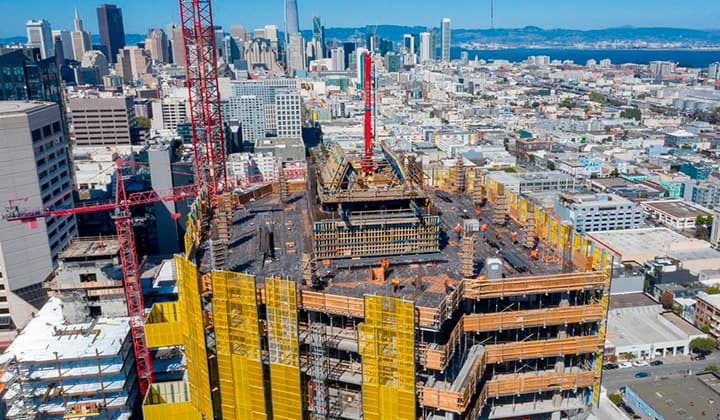
Automatización del diseño de encofrados
Our client from
California, USA
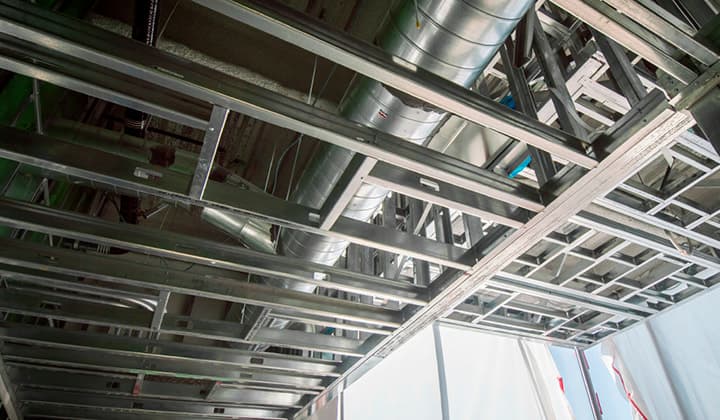
Automatización del diseño de falsos techos
Our client from
New York, USA
Automatización del diseño del entramado de muros
Our client from
California, USA