¿Tiene alguna pregunta? Póngase en contacto con nosotros
¡Únete a nuestro equipo!
Solicitar presupuesto o consulta gratuita

A construction superintendent oversees day-to-day operations on construction sites, managing workers, schedules, safety, and quality control. According to the Bureau of Labor Statistics, construction managers (including superintendents) earn a median annual wage of $106,980 as of 2024, with employment projected to grow steadily. Superintendents coordinate subcontractors, ensure compliance with building codes and safety regulations, and serve as the critical link between project managers and on-site workers.
Walk onto any active construction site, and there’s one person coordinating the chaos—the construction superintendent. While architects design and project managers plan, superintendents make things happen on the ground.
They’re the ones directing crane operators at 7 a.m., troubleshooting material delays by noon, and conducting safety walkthroughs before the day ends. But what exactly does this role entail?
This guide breaks down the construction superintendent’s role, from daily responsibilities to essential skills and career outlook. Whether you’re considering this career path or hiring for the position, here’s what you need to know.
The Core Role of a Construction Superintendent
Construction superintendents run the show on jobsites. They oversee day-to-day operations, manage construction workers and subcontractors, and ensure projects stay on schedule.
According to the Bureau of Labor Statistics, construction managers plan, coordinate, budget, and supervise construction projects from start to finish. The superintendent role specifically focuses on the execution phase—turning plans into physical structures.
Here’s the thing though—superintendents don’t just bark orders. They solve problems in real time. When weather delays shipments or inspectors find code violations, superintendents adapt quickly to keep work moving forward.
The position requires someone who understands construction processes deeply and can communicate effectively with everyone from laborers to executives.
Superintendent vs. Project Manager
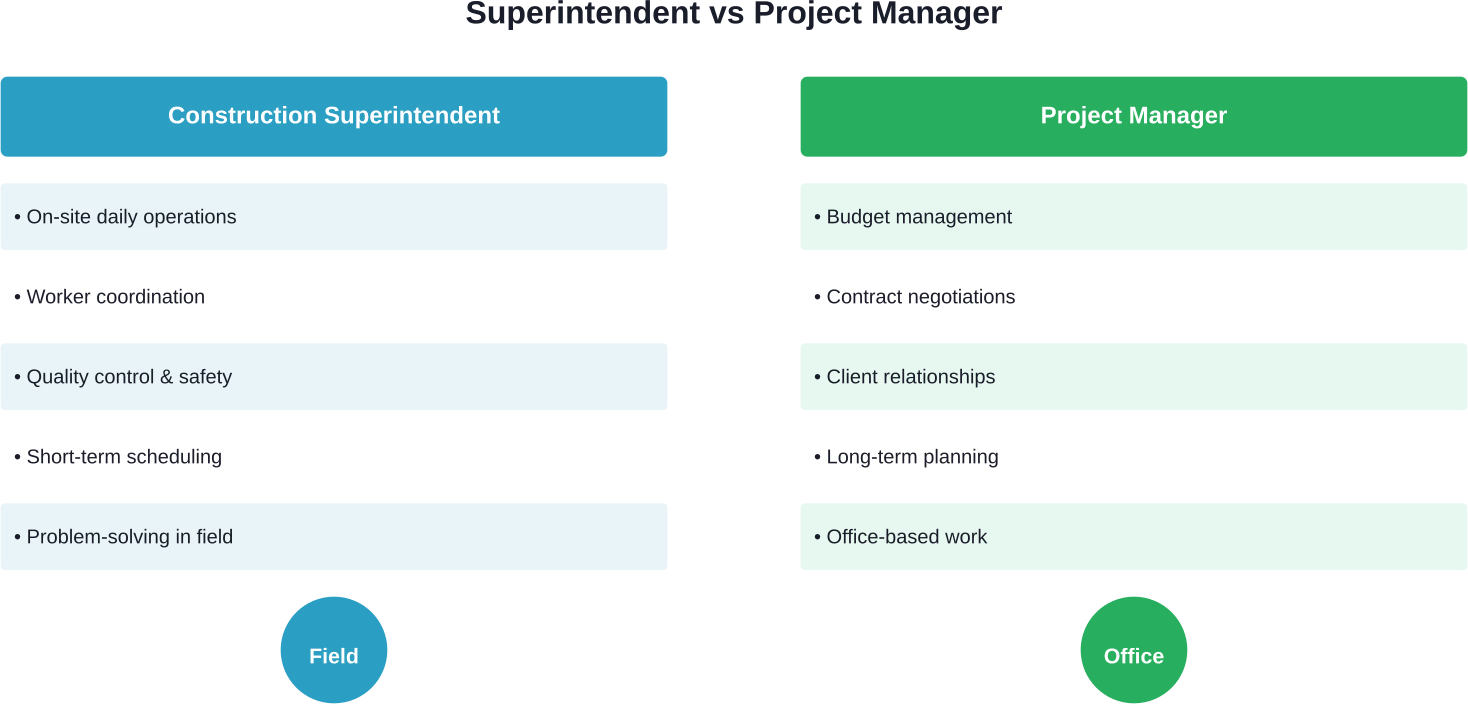
These roles often get confused, but they’re distinct. Project managers handle the big picture—budgets, contracts, client relationships, and long-term scheduling. Superintendents focus on daily execution and short-term schedules.
Think of it this way: project managers work mostly from offices, dealing with paperwork and planning. Superintendents wear hard hats and boots, spending their days on active construction sites.
Both roles are vital. The project manager ensures the project is financially viable and contractually sound. The superintendent ensures it’s actually built correctly and safely.
Daily Responsibilities of Construction Superintendents
No two days look identical for superintendents, but certain tasks remain constant. Understanding these core responsibilities shows just how multifaceted the role is.
Managing Workers and Subcontractors
Superintendents coordinate multiple teams simultaneously. On a typical commercial project, that might include electricians, plumbers, framers, and HVAC specialists—all working in overlapping phases.
Scheduling these teams efficiently prevents costly downtime. If the electricians can’t start until framing is complete, the superintendent ensures framers finish on time and electricians are ready to begin immediately.
This coordination extends to hiring and supervising construction workers directly employed by the general contractor. Superintendents assign tasks, monitor progress, and address performance issues as they arise.
Quality Control and Inspections
Superintendents act as the first line of quality assurance. They inspect work as it progresses, catching defects before they become expensive problems.
According to academic research on construction competencies, 50% of quality failures stem from design faults—but the other half comes from execution issues. Superintendents prevent that second half through constant vigilance.
They also coordinate official inspections with building departments. When inspectors arrive, superintendents walk them through the work, answer questions, and ensure everything meets code requirements.
Safety Management
Construction sites are inherently dangerous. OSHA requires employers to report all work-related fatalities within 8 hours, and all work-related inpatient hospitalizations, all amputations and all losses of an eye within 24 hours.
Superintendents prevent these incidents through proactive safety management. They conduct daily safety walkthroughs, enforce proper equipment use, and stop work when hazards emerge.
According to OSHA regulations, supervisory personnel must furnish employees a workplace free from recognized hazards likely to cause death or serious physical harm. This isn’t optional—it’s a legal requirement.
Real talk: good superintendents don’t just follow safety rules because they have to. They know that injured workers derail schedules, damage morale, and can shut down entire projects.
Schedule Control
While project managers create master schedules, superintendents manage the short-term schedule—usually looking one to three weeks ahead.
They identify potential delays early and adjust accordingly. If a concrete pour gets postponed due to rain, superintendents shift crews to other tasks rather than losing the day entirely.
This requires understanding how construction tasks interconnect. The superintendent needs to know which work can happen simultaneously and which tasks must follow specific sequences.
Problem-Solving and Troubleshooting
Construction rarely goes exactly as planned. Materials arrive damaged. Designs contain conflicts. The weather doesn’t cooperate.
Superintendents solve these problems on the fly. When a design shows ductwork running through a structural beam, the superintendent catches it, coordinates with engineers for a solution, and keeps work moving.
The best superintendents anticipate problems before they occur. They review upcoming work, identify potential conflicts, and resolve them proactively.
Essential Skills for Construction Superintendents
Technical knowledge alone doesn’t make someone an effective superintendent. The role demands a unique combination of hard and soft skills.
Technical Construction Knowledge
Superintendents need a deep understanding of construction methods, materials, and building codes. They should know how buildings go together from foundation to roof.
This knowledge typically comes from years of hands-on experience. Many superintendents start as tradespeople—carpenters, electricians, or laborers—before moving into supervision.
That field experience is invaluable. It’s one thing to read blueprints; it’s another to know from experience that a particular detail won’t work in practice.
Leadership and Communication
According to AGC’s Supervisory Training Program, leadership and motivation are core competencies for construction supervisors. The program teaches how to lead and motivate workers effectively—skills that directly impact project outcomes.
Superintendents must communicate clearly with diverse audiences. They explain technical issues to non-technical clients, relay owner expectations to crews, and coordinate with engineers and architects.
But wait. Communication isn’t just talking—it’s listening. Skilled superintendents gather input from experienced workers, recognizing that the person doing the work often has the best insight into how to do it better.
Organization and Time Management
Juggling multiple teams, inspections, deliveries, and meetings requires exceptional organizational skills. Superintendents who lose track of details cause costly delays and mistakes.
Modern superintendents increasingly rely on construction management software to stay organized. These tools help track schedules, manage punch lists, and document work progress.
Decision-Making Under Pressure
Construction doesn’t pause while someone deliberates. Superintendents make dozens of decisions daily, often with incomplete information and tight time constraints.
This requires confidence born from experience. The superintendent who’s seen similar situations before can draw on that knowledge to make informed quick decisions.
Qualifications and Career Path
There’s no single path to becoming a construction superintendent. The role values experience and proven ability over credentials alone.
Education Requirements
According to the Bureau of Labor Statistics, large construction firms may prefer candidates who have both construction experience and a bachelor’s degree in a construction-related field.
However, many successful superintendents reach the role without four-year degrees. Trade certifications, associate degrees in construction technology, and extensive field experience often carry equal or greater weight.
What matters most is demonstrable knowledge of construction processes and proven leadership ability.
Experience Pathway
Most superintendents spend years in the field before stepping into supervisory roles. A typical progression might look like:
- Entry-level laborer or apprentice tradesperson (1-3 years)
- Journeyman tradesperson (3-7 years)
- Crew leader or foreman (2-5 years)
- Assistant superintendent (2-4 years)
- Superintendent
This progression ensures superintendents understand construction from the ground up. They’ve done the physical work, solved real problems, and earned the respect of crews.
Certifications and Training
While not always required, professional certifications enhance credentials and demonstrate commitment to the profession. AGC’s Construction Supervision Fundamentals focuses on knowledge, skills, and attitudes that are basic requirements for construction supervision.
The program is especially appropriate for novice supervisors or newly promoted foremen seeking career advancement. AGC also offers the Supervisory Training Program (STP), which has been developing field leaders for over forty years.
OSHA safety certifications are increasingly expected, particularly the 30-hour construction safety course.
Salary and Job Outlook
Construction superintendent compensation reflects the role’s responsibility and expertise requirements.
Earnings Potential
The median annual wage for construction managers was $106,980 as of May 2024, according to the Bureau of Labor Statistics, or $51.43 per hour. This figure encompasses various management roles within construction, including superintendents.
Actual superintendent salaries vary based on project size, location, and industry sector. Superintendents overseeing large commercial or infrastructure projects typically earn more than those managing smaller residential work.
Geographic location significantly impacts earnings. Construction superintendents in major metropolitan areas or regions with high construction activity generally command higher salaries.
Employment Growth
The construction industry continues evolving, but demand for skilled superintendents remains strong. According to the Bureau of Labor Statistics, construction manager employment is projected to grow 9% between 2024 and 2034—faster than most careers.
Several factors drive this demand. Infrastructure needs continue growing. Commercial development expands in urban areas. And importantly, experienced superintendents are aging out of the workforce, creating opportunities for the next generation.
| Factor | Impact on Demand
|
|---|---|
| Infrastructure investment | Increases project volume and superintendent needs |
| Workforce aging | Creates openings as experienced superintendents retire |
| Complejidad del proyecto | Requires more skilled supervision on technical projects |
| Safety regulations | Demands qualified supervisors for compliance |
| Technology adoption | Needs tech-savvy superintendents for modern tools |
Challenges Construction Superintendents Face
The role isn’t without difficulties. Understanding these challenges helps aspiring superintendents prepare and helps companies support their supervisors better.
Long and Irregular Hours
Construction doesn’t operate on a 9-to-5 schedule. Superintendents often arrive before crews and leave after everyone else. They’re on call for emergencies and may work weekends to keep projects on track.
This demanding schedule can strain work-life balance, especially during critical project phases.
High-Pressure Environment
Deadlines, budgets, safety concerns, and quality standards create constant pressure. When problems arise—and they always do—the superintendent handles them.
Community discussions on construction forums frequently mention stress as a major factor in the role. Successful superintendents develop coping mechanisms and learn to prioritize effectively.
Weather and External Factors
Outdoor construction depends on weather cooperation. Rain, extreme heat, cold, or wind can halt work, compress schedules, and create cascading delays.
Superintendents can’t control weather, but they must manage its impacts—rescheduling crews, adjusting sequences, and communicating delays to stakeholders.
What Makes a Great Superintendent
Technical competence is baseline. What separates good superintendents from great ones?
Great superintendents earn respect through competence and fairness. Crews work harder for superintendents they trust and respect. According to Procore’s analysis, project managers and executives recognize talented superintendents and actively seek them for their projects. Some owners even negotiate with general contractors specifically to get particular superintendents on their jobs.
They communicate proactively. Rather than waiting for problems to escalate, great superintendents keep stakeholders informed, set realistic expectations, and address concerns early.
They invest in their teams. The best superintendents mentor younger workers, develop future leaders, and create positive jobsite cultures where people want to work hard.
And they stay calm under pressure. When crises hit—and in construction, they will—great superintendents maintain composure, think clearly, and lead confidently.
Get A Clear View Of What’s Happening Beyond Site Checks

A construction superintendent is focused on what is happening on site day to day, but not everything that affects the build is visible in the field, especially when issues start earlier in design and coordination.
Powerkh adds that missing layer by working with models, coordination, and verification to show how the project is actually coming together across disciplines. Their work helps surface things that are easy to miss during site supervision, especially when projects get more complex:
- Reviewing BIM models to catch misalignment before it reaches site
- Checking how structural and MEP systems interact in real conditions
- Using scan-to-BIM and verification to compare design with what is installed
- Supporting clearer decisions with coordinated, up-to-date project data
👉 Loop Powerkh into your project to get a deeper view of what’s happening behind the scenes and support site decisions with real, verified information.
Conclusión
Construction superintendents are the operational backbone of building projects. They transform architectural visions and engineering plans into physical structures through skillful coordination, technical expertise, and leadership.
The role demands much—long hours, constant problem-solving, high responsibility. But it offers substantial rewards too: competitive pay, career stability, and the satisfaction of creating lasting infrastructure.
For those with construction knowledge, leadership ability, and dedication to quality and safety, superintendent work provides a challenging and fulfilling career path. The construction industry needs skilled superintendents now and will continue needing them as infrastructure demands grow.
If this role interests you, start gaining field experience, seek mentorship from experienced superintendents, and consider formal training programs like those offered by AGC. The path requires patience and hard work, but for the right person, becoming a construction superintendent represents an excellent career choice.
Preguntas frecuentes
What’s the difference between a construction superintendent and a foreman?
Foremen supervise specific crews or trades, while superintendents oversee the entire jobsite and coordinate all trades, schedules, and safety across the project.
Do construction superintendents need a college degree?
Not always. Many superintendents advance through field experience, though having a degree can improve opportunities, especially with larger companies.
How long does it take to become a construction superintendent?
It typically takes 10 to 15 years of field experience, progressing through roles like tradesperson, crew leader, and foreman before reaching superintendent level.
What industries hire construction superintendents?
They work across residential, commercial, industrial, and infrastructure projects, with most roles found in building construction and civil engineering sectors.
What software do construction superintendents use?
They commonly use project management tools, digital plans, and reporting platforms to manage schedules, communication, and site documentation.
Is being a construction superintendent stressful?
Yes. The role involves managing deadlines, safety, budgets, and multiple teams, often under unpredictable conditions. Despite this, many find it rewarding.
Can construction superintendents advance to higher positions?
Yes. They can move into senior leadership roles, project management, executive positions, or even start their own construction businesses.

Nuestros casos prácticos
Hemos gestionado más de 200 proyectos BIM y VDC para los sectores comercial, industrial y residencial.
Nuestro trabajo incluye:
Automatización del diseño de encofrados
Our client from
California, USA
Automatización del diseño de falsos techos
Our client from
New York, USA
Automatización del diseño del entramado de muros
Our client from
California, USA